


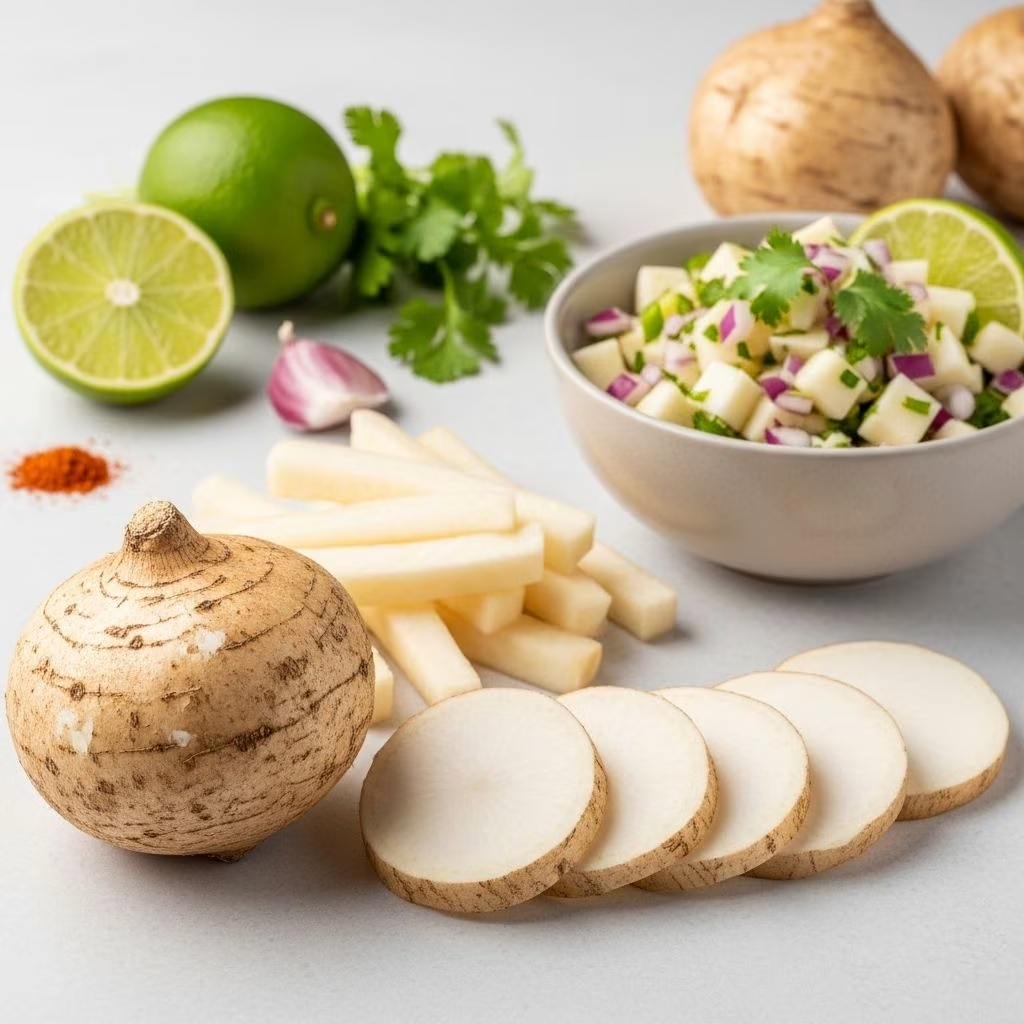
Pachyrhizus, more commonly known as jícama or the yam bean, is an increasingly popular root vegetable with a crisp texture, subtle flavor, and impressive nutritional profile. Native to Central and South America, but now cultivated around the world, Pachyrhizus has found its way into diverse cuisines and is renowned for both its culinary versatility and health benefits.
In this comprehensive guide, you’ll learn what Pachyrhizus is, its varieties, significant health benefits, culinary uses, and what to expect when you take your first bite.
Introduction to Pachyrhizus
Pachyrhizus is a genus of leguminous plants in the Fabaceae family, valued primarily for their large, edible tuberous roots. Among the several species within the genus, Pachyrhizus erosus is the most widely cultivated and recognized, commonly referred to as jícama, yam bean, or Mexican turnip.
The word “Pachyrhizus” derives from Greek roots: pachys meaning “thick,” and rhiza meaning “root”, which aptly describes the plant’s principal edible feature.
Other Common Names by Region
- Jícama (Mexico, Central/South America, United States)
- Sengkuang (Malaysia)
- Bengkoang (Indonesia)
- Singkamas (Philippines)
- Cold potato (China)
- Mankew (Thailand)
Historically cultivated in the tropics and subtropics of the Americas, the root is now widespread in Southeast Asia and becoming more familiar in global markets.
Botanical Overview and Species
Pachyrhizus species are vigorous climbing vines or subshrubs found primarily in seasonally dry tropical forests and open grasslands. They flourish in warm, sunny environments, thriving from sea level up to 1400 meters above sea level with well-drained soils.
Main Species Used as Food
| Species | Common Name(s) | Native Region | Notable Features |
|---|---|---|---|
| Pachyrhizus erosus | Jícama, yam bean, Mexican turnip | Mesoamerica | Large, crisp, edible root; most widely grown and globally distributed. |
| Pachyrhizus ahipa | Ahipa | Andes (Bolivia/Peru) | Shorter, spindle-shaped root; grown at higher elevations. |
| Pachyrhizus tuberosus | nupe, chuin | Amazon Basin | Eaten by indigenous Amazonian peoples; high protein root. |
Physical Description
- Roots: Bulky, tuberous, ranging from 10–20 cm diameter; weigh up to 20 kg in cultivation.
- Stems/Leaves: Climbing, vine-like stems reaching 2–6 meters, with compound dark green leaves.
- Flowers/Pods: Blue or white bisexual flowers; pods resemble peas but are generally not consumed due to potential toxicity.
- Seeds: Flat, square or round, usually inedible due to toxin content.
Nutritional Composition
The edible root of Pachyrhizus, especially jícama, is low in calories yet rich in key nutrients, making it a healthful choice in many diets. Here’s a summary of its nutritional highlights per 100 grams:
| Nutrient | Amount (per 100g) | Benefits |
|---|---|---|
| Calories | 35–38 kcal | Low calorie, suitable for weight management |
| Water | ~90% | Very hydrating |
| Carbohydrates | 8–9 g | Slow-digesting, provides energy |
| Dietary Fiber | 4.9 g | High fiber, especially inulin (a prebiotic) |
| Sugars | 1.8 g | Minimal, good for low-sugar diets |
| Protein | 0.7–1 g | Low, but higher than many root vegetables |
| Fat | 0.1–0.2 g | Very low |
| Vitamin C | 20 mg | Good source (about 1/4 of daily value) |
| Potasium, Magnesium, Iron | Trace amounts | Supports heart and metabolic health |
The fiber, especially inulin, acts as a prebiotic, supporting beneficial gut bacteria. Its high water content and mild sweetness make it both refreshing and satisfying.
Health Benefits
Modern research and traditional medicine highlight several health-promoting properties of Pachyrhizus erosus:
- Antioxidant Activity: Rich in vitamin C and other antioxidants helping counteract oxidative stress.
- Supports Digestive Health: Inulin fiber promotes healthy gut bacteria and improves bowel regularity.
- Blood Sugar Control: Low glycemic index; may improve blood sugar stability, beneficial for diabetics.
- Weight Management: Fills you up thanks to water and fiber, low in calories, and helps reduce overeating.
- Immune Modulation: Traditional uses suggest immune-boosting properties documented in folk medicine.
- Other Pharmacological Effects: Early studies show potential anti-aging, anti-inflammatory, anti-cancer, anti-osteoporosis, and anti-microbial effects, though more human research is needed.
- Poor in Starch: Unlike potatoes or yams, jícama is lower in starch, making it suitable for low-carb and diabetic-friendly diets.
Nutritional Comparison Table: Jícama vs. Popular Tuber Vegetables
| Jícama (Pachyrhizus) | Potato | Sweet Potato | Carrot | |
|---|---|---|---|---|
| Calories (per 100g) | 35-38 | 77 | 86 | 41 |
| Fiber (g) | 4.9 | 2.2 | 3.3 | 2.8 |
| Carbohydrates (g) | 8-9 | 17 | 20 | 10 |
| Vitamin C (mg) | 20 | 19.7 | 2.4 | 5.9 |
This table highlights jícama’s unique features: high fiber for low calories, and a significant source of vitamin C compared to commonly eaten roots.
Culinary Uses and Preparation
All parts of the Pachyrhizus plant except the root are typically toxic (containing compounds like rotenone), and only the peeled tuber is consumed. Its preparation and versatility in dishes is one reason for its global appeal.
Popular Ways to Enjoy Pachyrhizus (Jícama)
- Raw Slices: Eaten as a crisp, cooling snack, often with lime and chili powder in Mexico and Central America.
- Fresh Salads: Adds crunch and a slightly sweet note; pairs well with carrots, cucumber, citrus, and leafy greens.
- Stir-Fried: Common in Southeast Asian cuisines (e.g., lumpia rolls in the Philippines, stir-fried in Indonesia and Malaysia).
- Spring Rolls: Cubed or grated and mixed with other filling ingredients for spring rolls or summer rolls.
- Salsas and Slaws: Blends seamlessly into salsas and coleslaws, imparting crispness and mildness.
- Pickled: Absorbs flavors well in vinegar-based pickles.
- Cooked Soups, Stews, or Stir-fry: Retains its crunch even after brief cooking; can substitute for water chestnuts.
To prepare, simply peel the thick brown skin and cut the white flesh as desired. Do not eat the peel, seeds, leaves, or stems.
Flavor and Texture: The Taste of Pachyrhizus
Jícama’s initial appeal is in its refreshing, moist, and almost apple-like crunch. The taste is subtle: mildly sweet with nutty undertones, and a bit like a cross between a raw potato and a pear. Its high water content makes it juicy and cooling, making it a favorite hot-weather snack.
- Texture: Crisp, juicy, similar to water chestnut or firm pear
- Sweetness: Mild, delicate—not sugary or starchy
- Aftertaste: Clean, slightly earthy, non-bitter
This crispness is retained even when lightly cooked, separating it from many other root vegetables.
Safety Considerations and Toxicity
While the root is edible and nutritious, other parts of the Pachyrhizus plant—seeds, pods, leaves, and stems—are toxic due to the presence of rotenone, a natural insecticide. Ingesting these plant parts can cause digestive irritation and more serious poisoning symptoms, so only the peeled root should be consumed.
- Root: Safe to eat when peeled
- Seeds/Pods/Leaves: Inedible; avoid consumption
- Preparation: Always remove skin and any attached root hairs before consumption
Children and pets should be kept away from the plant parts other than the peeled root. Always source Pachyrhizus roots from reputable suppliers or markets.
Cultivation and Ecology
Pachyrhizus is a versatile crop well-adapted for tropical to subtropical climates. Some reasons for its agricultural value include:
- Nitrogen Fixing: As a legume, it enriches soils by fixing nitrogen, improving soil fertility.
- Drought Hardy: Tolerates dry seasons, making it suitable for food security in tropical regions.
- Yields: Tubers can weigh up to 20 kg per plant in cultivation; harvest is possible within 5–9 months of planting.
- Disease Resistance: Generally robust and low-maintenance compared to other root vegetables.
This combination of high yield, climate adaptability, and soil enrichment potential has brought Pachyrhizus to the attention of agriculturalists seeking solutions for sustainable food systems in marginal lands, particularly in Africa and Asia.
Frequently Asked Questions (FAQs)
What is the difference between jícama and yam?
Despite being called yam bean, jícama is not botanically a yam or related to the true yam species. It is a legume, not a tuber crop like potato or yam.
Is jícama good for people with diabetes?
Yes. Its low glycemic index, high fiber (especially inulin), and low starch content allow it to promote blood sugar control and gut health.
Can I eat the whole jícama plant?
No. Only the peeled root is edible. The seeds, pods, leaves, and stems are toxic due to natural pesticides like rotenone.
How do you store jícama?
Unpeeled jícama roots keep for up to 2–3 weeks in a cool, dry place. Once peeled and cut, refrigerate in a sealed container and use within a week for best freshness.
Does jícama taste sweet?
It has a subtle, gentle natural sweetness, but is not sugary. Its main appeal is its juicy, crisp texture and mild refreshing flavor.
Conclusion
Pachyrhizus—best known as jícama—stands out among root vegetables for its remarkable crispness, mild sweetness, and nutrition. It thrives in hot climates, helps enrich soils, and provides a healthful alternative to starchier roots. Whether eaten raw in salads and snacks or lightly cooked in global dishes, jícama’s appeal is in its versatility and simplicity. As interest in world vegetables grows and nutrition becomes a global priority, Pachyrhizus has rightfully earned its place on the global food stage.


