


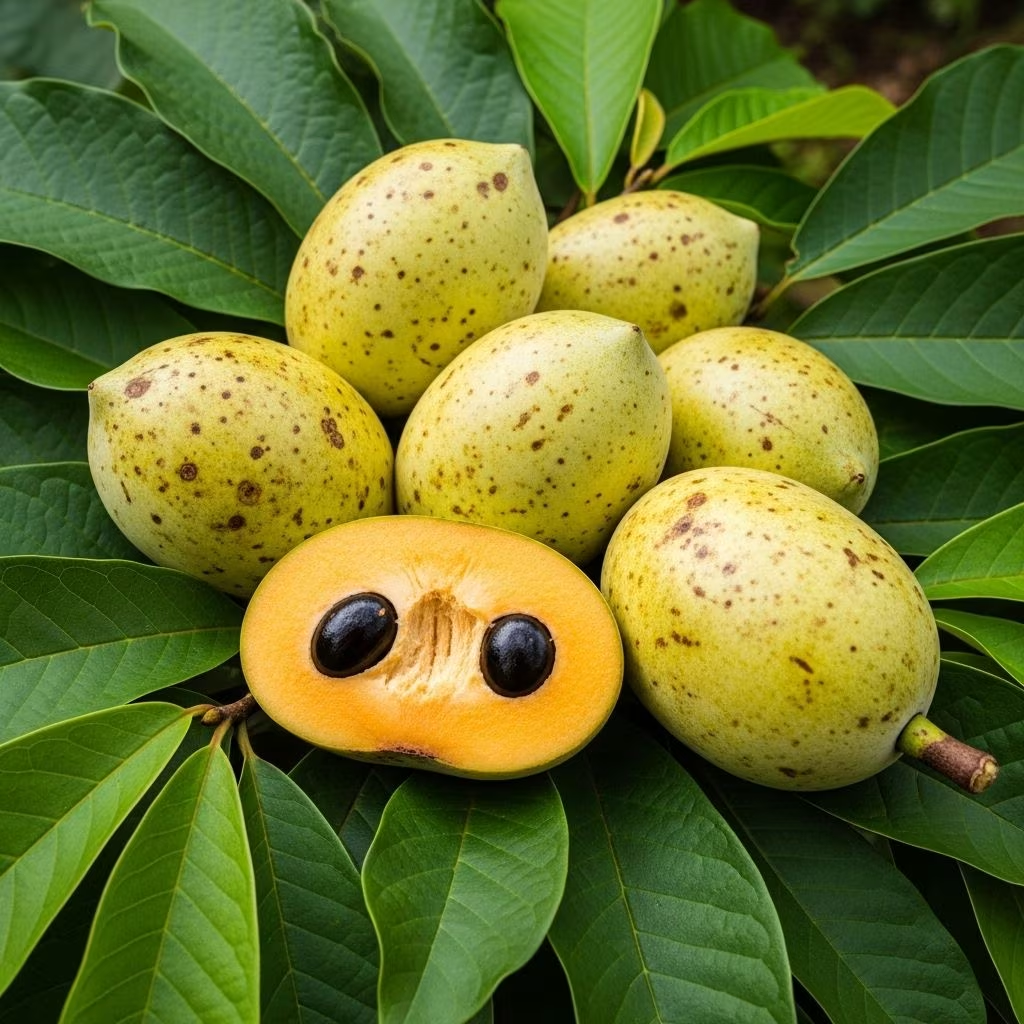
Pawpaw (Asimina triloba), sometimes dubbed the hidden gem of North America’s native fruits, is a fascinating, historically significant, and nutritionally valuable tree-borne delicacy. With a rich heritage rooted in indigenous cultures and a flavor profile that evokes the tropics, pawpaw offers much more than its humble appearance might suggest. This article provides a comprehensive look at pawpaw—from its botany and distribution to its unique taste, health benefits, and versatile uses.
Introduction
The pawpaw, or Asimina triloba, thrives in the wild woodlands of eastern North America. Despite being native to a significant portion of the United States and parts of Canada, pawpaw remains surprisingly obscure in modern markets and kitchens. However, a growing resurgence of interest among foragers, horticulturalists, chefs, and nutritionists is bringing this native fruit back into the spotlight.
Botanical Background and Native Range
Pawpaw is the largest edible fruit indigenous to the United States. It grows on small deciduous trees, often forming thickets, with fruit typically ripening between late summer and early fall.
- Botanical Family: Annonaceae (custard apple family)
- Native Range: Eastern United States (as far north as Ontario, as far south as Florida, and as far west as Nebraska and Texas)
- Tree Size: Typically 15–30 feet tall, often found in forest understories, riverbanks, and fertile floodplains
- Fruit Description: Oblong to oval, 3–6 inches long, with thin greenish-yellow skin and several large seeds embedded in sweet, creamy flesh
Ecological Role
Pawpaw trees play a significant role in supporting local wildlife. Many animals, such as raccoons, foxes, and birds, feed on the ripe fruit, dispersing the seeds and helping the species propagate. The tree’s leaves are the only food source for the larvae of the zebra swallowtail butterfly, contributing to regional biodiversity.
Historical and Cultural Significance
Pawpaw has a long history in North American culture:
- Consumed and cultivated by Native American tribes, who helped spread its range via trade routes and used both the fruit and the tree’s fibrous bark for food and crafting.
- Strategically foraged by early settlers, including figures like George Washington, who reportedly enjoyed pawpaw as a dessert.
- Referenced in American folk culture and music, such as the song “Way Down Yonder in the Pawpaw Patch.”
Nutritional Profile of Pawpaw
Pawpaw fruit is not only delicious but also quite nutritious. Below is an approximate nutritional composition per 100 grams of pawpaw flesh:
| Nutrient | Amount (per 100g) |
|---|---|
| Calories | 80–100 kcal |
| Carbohydrates | 18–25 g |
| Protein | 1.2–2.6 g |
| Fat | 1–3 g |
| Fiber | 2–3 g |
| Vitamin C | 18 mg (20–30% DV) |
| Potassium | 345 mg (8–10% DV) |
| Magnesium | ~37 mg (10% DV) |
| Iron | ~0.6 mg (3% DV) |
Pawpaw is especially notable for its relatively high content of vitamin C, potassium, magnesium, and several beneficial phytonutrients.
Health Benefits
The nutritional richness of pawpaw underpins a number of potential health benefits:
- Antioxidant Activity: Due to its high vitamin C and polyphenol content, pawpaw may help combat oxidative stress in the body.
- Immune Support: Vitamin C contributes to immune defense and overall vitality.
- Digestive Health: The dietary fiber present aids in healthy digestion and helps promote gut regularity.
- Heart Health: A good potassium-to-sodium ratio may help regulate blood pressure and support cardiovascular function.
- Low in Allergens: Pawpaw is a rare cause of allergies, making it suitable for many people, though caution is advised for first-time eaters.
Culinary Uses
Pawpaw’s creamy, custard-like texture and tropical flavor profile make it a versatile ingredient in the kitchen:
- Raw Consumption: Most often eaten raw — simply scoop out the pulp and enjoy.
- Smoothies & Desserts: The fruit’s richness pairs well in smoothies, parfaits, yogurt bowls, ice creams, sorbets, and puddings.
- Baking: Substitute pawpaw for banana or mango in breads, muffins, pancakes, or cakes for a new twist.
- Preserves: Pawpaw pulp can be used in jams, jellies, butters, and chutneys.
- Savory Dishes: Works surprisingly well in sauces for pork, chicken, or fish when combined with lime, ginger, or herbs.
Important note: Do not eat the seeds or skin, as they contain compounds that may be toxic if ingested in significant amounts.
How to Harvest and Store Pawpaw
- Harvest: Pawpaw fruits are ripe when they give off a floral, fruity aroma and yield slightly to pressure. Ripe fruit often drops to the ground.
- Storage: Eat fresh pawpaw within two days of harvesting, as it spoils rapidly at room temperature. Refrigeration can extend shelf life to 3–5 days; pawpaw pulp can be frozen for several months for later use.
What Does Pawpaw Taste Like?
Pawpaw’s taste is complex and has been described as a mash-up between:
- Banana — creamy, sweet, and aromatic
- Mango — with a hint of tropical acidity
- Melon, jackfruit, or pineapple — an undertone of tropical fruitiness and sometimes a faint coconut or vanilla note
- Custard apple or cherimoya — rich, custardy body with low acidity
The texture is reminiscent of mashed banana or baked custard, while the flavor ranges from mild and banana-like to intensely tropical, depending on ripeness, variety, and growing conditions. Some wild varieties may have slightly “funky” or fermented notes, while cultivated types tend to be smoother and more pleasant.
| Pawpaw Texture/Flavor | Comparison Fruit | Description |
|---|---|---|
| Texture | Banana/Custard | Very creamy, mashed, custard-like |
| Primary Flavor | Banana, Mango | Sweet, mellow, aromatic |
| Secondary Notes | Melon, Vanilla, Coconut | Slightly floral or tropical undertones |
| Aftertaste | Starchy (like potato/taro) [select varieties] | Can be earthy or slightly astringent in wild types |
This combination makes pawpaw unique and highly prized by those who have tasted it, leading to its description as “America’s forgotten fruit.”
Growing Pawpaw Trees: Considerations and Challenges
- Climate: Best suited for temperate, humid regions; hardy to USDA Zones 5–9.
- Soil and Site: Rich, well-drained soils with slightly acidic to neutral pH. Prefers partial shade, especially for young trees.
- Pollination: Requires cross-pollination from another genetically distinct pawpaw tree for reliable fruit set.
- Fruit Set: Grafted, improved varieties (“Peterson” and others) provide larger, better-tasting fruit. Wild trees often yield smaller, more seedy fruit.
- Pests/Diseases: Generally disease-resistant, with few serious pests, though pawpaw specialist insects may affect local crops.
Potential Risks and Precautions
- Seed and Skin Toxicity: Pawpaw seeds and skin contain natural compounds (annonacin and others) that are potentially toxic if consumed in large quantities. Only the inner yellow pulp should be eaten.
- Allergic Reactions: Rare but possible; always try a small amount if eating for the first time.
- Spoilage: Pawpaw has a short shelf life and may ferment or spoil rapidly; spoiled pawpaw may produce off-odors or an unpleasant aftertaste.
Frequently Asked Questions (FAQs)
Q: Is pawpaw the same as papaya?
A: No. Though both fruits share the common name “pawpaw,” Asimina triloba (North American pawpaw) is unrelated to papaya (Carica papaya), which is native to the tropics and botanically distinct.
Q: Why aren’t pawpaws more widely available in grocery stores?
A: Pawpaw’s extremely short shelf life and delicate skin make it unsuitable for large-scale commercial shipping and supermarket distribution. Most pawpaws are eaten locally, bought directly from growers, or foraged in the wild.
Q: How do you know when a pawpaw is ripe?
A: Ripe pawpaw will have a fragrant tropical aroma, give slightly to gentle pressure, and may begin to show brownish speckles or slight soft patches on the skin.
Q: Can you grow pawpaw trees outside of their native range?
A: With the right conditions (temperate climate, moist, fertile soil), pawpaw trees can be cultivated far outside their wild range, but may not fruit reliably in climates with very short summers or dry seasons.
Q: Are pawpaws good for children and pets?
A: The pulp is generally safe for children (always remove skin/seeds), but do not let pets eat seeds or skin due to potential toxicity. Check for allergies with a small tasting first.
Q: What can you do with excess pawpaw fruit?
A: Freeze the scooped pulp in airtight bags for later use. Use thawed pulp in smoothies, baking, or desserts year-round.
Q: What are the most common improved pawpaw varieties?
A: ‘Sunflower,’ ‘Shenandoah,’ and other Peterson varieties are known for larger, seedless, flavorful flesh.
Q: Are there other uses for the pawpaw tree?
A: Beyond the fruit, pawpaw’s fibrous bark was traditionally used for cordage, fishing nets, and basket weaving by indigenous peoples.
Conclusion
Pawpaw (Asimina triloba) is an extraordinary North American fruit with a historic past, a remarkable nutritional profile, and a flavor unlike any other. Though its fragile nature may keep it out of supermarkets, those lucky enough to experience fresh pawpaw are rewarded with an unforgettable culinary treat and a healthy dose of native plant heritage. If you have the chance, seek out this ‘custard apple of the woods’—your palate, and perhaps your health, will thank you.


