


Pinto beans are a staple ingredient in kitchens across the Americas and around the world, celebrated for their distinct mottled appearance, high nutritional value, and versatility. This comprehensive guide explores what makes pinto beans unique, their health benefits, how they’re used in cooking, and the distinctive flavor profile that defines them. We’ll also answer common questions and provide all the essential details for enthusiasts and newcomers alike.
Overview and Origin of Pinto Beans
Pinto beans (Phaseolus vulgaris) are a type of common bean that has played an essential role in Latin American and North American cuisine for thousands of years. The word “pinto” comes from the Spanish word for “painted”—a fitting description for the bean’s distinctive speckled skin when dry.
- Native to: Central and South America. They were a vital crop for early Mexican and Peruvian civilizations more than 5,000 years ago.
- Cultivation: Today, pinto beans are widely grown in the United States (notably in Colorado, New Mexico, and Texas), Mexico, and Brazil.
- Popularity: They are the most commonly consumed bean in the Americas and the most popular variety in the United States.
In global languages and markets, pinto beans are known as “frijoles pintos” (Spanish), “poroto frutilla” (South America), and “feijão carioca” (Brazilian Portuguese).
Appearance and Botanical Description
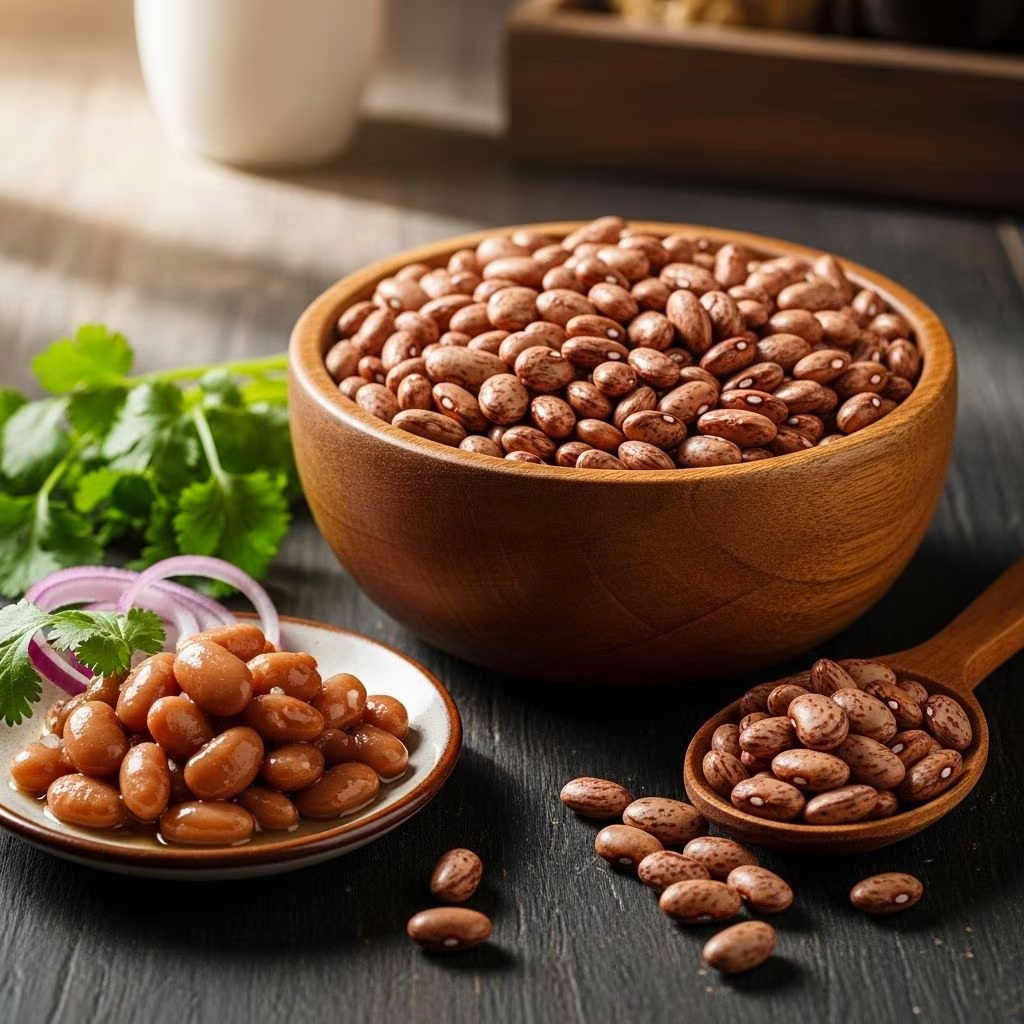
Pinto beans are a medium-sized oval bean with a naturally distinctive appearance.
- Uncooked: Mottled skin that is cream or light tan with reddish-brown speckles—looking almost hand-painted, hence the name.
- Cooked: Beans lose their speckling, becoming a uniform soft brown color.
- Size: About the size of a kidney bean, slightly larger than black beans.
- Plant Family: Part of the legume family, growing inside pods on a herbaceous plant.
Their colorful dry appearance makes pinto beans easy to identify in markets and recipes.
Nutritional Profile of Pinto Beans
Pinto beans provide an impressive array of essential nutrients. When boiled and salted, one cup (about 171 grams) yields a rich nutritional profile:
- Calories: 245 per cup
- Carbohydrates: 45 grams per cup
- Protein: 15 grams per cup
- Fiber: 15 grams per cup (notably the highest among common beans)
- Fat: Less than 1 gram
- Iron: 20% of recommended daily intake
- Potassium: 16% of recommended daily intake
- Folate (Vitamin B9): Supports DNA synthesis and repair
- Magnesium, Phosphorus, and B Vitamins
- Antioxidants: Including phenolic compounds that protect against oxidative stress
Pinto beans are naturally gluten-free, have negligible fat, no cholesterol, and are low in sodium. Their high fiber and protein content makes them especially filling and beneficial for various health goals.
Health Benefits of Pinto Beans
The high nutrient content of pinto beans offers a wide range of significant health benefits, making them a valuable component of balanced diets.
- Rich Source of Fiber: Supports digestive health, helps prevent constipation, and assists with maintaining regular bowel movements. High soluble fiber binds to cholesterol, aiding its removal from the body and thereby supporting heart health.
- Heart Health: Regular consumption of pinto beans can help reduce “bad” LDL cholesterol, which is associated with lower risk of cardiovascular diseases.
- Blood Sugar Regulation: Their low glycemic index and high fiber/protein content help stabilize blood sugar levels, making them ideal for people with type 2 diabetes or those at risk.
- Weight Management: High protein and fiber increase satiety and reduce the overall calorie intake by curbing appetite.
- Rich in Antioxidants: The polyphenols in pinto beans combat oxidative stress and may reduce the risk of chronic disease.
- Nutrient Density: They provide essential minerals that support bone health and energy metabolism.
- Gut Health: Promote the growth of beneficial gut bacteria, supporting immune function and a healthy digestive tract.
Regular inclusion of pinto beans in the diet is linked to improved cholesterol, heart health, digestive wellness, stabilized blood sugar, and overall well-being.
Culinary Uses: How to Cook and Use Pinto Beans
Pinto beans are versatile in the kitchen, featured in traditional and contemporary dishes worldwide. Their mild, creamy flavor and texture adapt well to various recipes.
- Refried beans (frijoles refritos): A staple in Mexican and Southwestern cuisine, mashed and fried with seasonings.
- Chili: Often the bean of choice for chili con carne and vegetarian chili recipes.
- Burritos and tacos: Used as a filling base or side dish.
- Soups and stews: Integral in minestrone, three-bean salad, and Tex-Mex stews.
- Casseroles: Blends well with grains, vegetables, and other proteins.
- Rice and beans: Classic pairing providing complete plant-based protein.
- Dips and spreads: Processed into hummus-style dips or creamy purees.
- Salads: Cooled and tossed with vegetables for protein-packed salads.
Preparation Methods:
– Soaking: Dried pinto beans require soaking (overnight or quick soak) to reduce cooking time and improve digestibility.
– Canned: Convenient for quick meals; rinse to reduce sodium content.
– Pressure cooking: Reduces cooking time for dried beans.
– Sprouting: Pinto beans can be sprouted for use in salads and health-focused recipes.
Taste and Texture of Pinto Beans
Pinto beans are appreciated for their earthy, mildly nutty, and subtly sweet flavor. Their taste is not overpowering, allowing them to blend seamlessly into both boldly seasoned and delicately flavored dishes.
- Texture: When cooked, they become soft, creamy, and smooth, sometimes described as buttery—a key reason they are often mashed or pureed.
- Flavor Absorption: Their neutral flavor readily absorbs the spices, herbs, and sauces they are paired with.
- Best Dishes: The creamy consistency makes them ideal for refried beans, soups, and chilies, whereas their pleasant taste complements fresh salsas, salads, and casseroles.
| Flavor Profile | Texture | Best Used In |
|---|---|---|
| Mild, nutty, slightly sweet, earthy | Soft, creamy, smooth | Refried beans, stews, soups, salads |
Pinto Beans vs. Other Beans: A Comparison
| Bean Type | Color & Appearance | Flavor | Texture | Culinary Uses |
|---|---|---|---|---|
| Pinto | Tan with brown speckles (raw); light brown (cooked) | Mild, earthy, creamy | Smooth, soft | Refried beans, chili, soups, Mexican cuisine |
| Black Bean | Shiny black | Earthy, slightly sweet | Dense, meaty | Latin, Caribbean, salads |
| Kidney Bean | Deep red | Robust, slightly sweet | Firm, holds shape | Chilies, curries, salads |
| Navy Bean | Small, white | Mild, neutral | Soft, creamy | Baked beans, soups |
| Great Northern | Large, white | Delicate, mild | Flaky, soft | Casseroles, stews |
Note: Pinto and pink beans are often interchangeable in recipes due to their similar taste and texture.
Storage and Preparation Tips
- Dried pinto beans: Store in a cool, dry place in a sealed container for up to a year. Always inspect for stones or debris before rinsing and soaking.
- Canned pinto beans: Unopened, they last for years. Once opened, transfer to a covered container and use within 3–4 days.
- Soaking tip: Soak dried beans overnight or do a quick soak (boil for 2 minutes, let stand for 1 hour) before cooking.
- Cooking: Simmer soaked beans for 1–2 hours or use a pressure cooker to reduce cooking time.
- Freezing: Cooked pinto beans freeze well; portion and freeze for up to 6 months.
Frequently Asked Questions (FAQs)
Q: Are pinto beans good for weight loss?
A: Yes, pinto beans are rich in protein and fiber, which promote fullness and can help reduce overall calorie intake, supporting healthy weight management.
Q: How do you avoid gas or indigestion after eating pinto beans?
A: Soaking beans, discarding the soaking water, cooking them thoroughly, and slowly increasing intake can help reduce digestive discomfort. Adding ginger, cumin, or epazote during cooking may also help.
Q: Can you eat pinto beans raw?
A: No, dried raw pinto beans must be cooked before eating. Raw beans contain lectins that can cause illness—always fully cook them before consumption.
Q: Are pinto beans suitable for plant-based and vegan diets?
A: Absolutely! Pinto beans are a vital source of plant-based protein and key nutrients, making them ideal for vegetarian and vegan diets.
Q: What is the difference between pinto beans and kidney beans?
A: Pinto beans are smaller, lighter in color, and creamier, while kidney beans are larger, red, and have a firmer texture. Both are nutritious but serve different culinary purposes.
Q: Do pinto beans contain gluten?
A: No, pinto beans are naturally gluten-free and suitable for people with celiac disease or gluten sensitivities.
Q: How much protein do pinto beans provide?
A: One cup of cooked pinto beans offers about 15 grams of protein, making them an excellent protein source for meatless meals.
Final Thoughts
Pinto beans—nutritious, affordable, and deeply flavorful—are more than just a popular ingredient. They represent centuries of agricultural tradition, cultural cuisine, and healthful eating. Whether featured in a classic Mexican dish, a hearty chili, or a simple salad, pinto beans contribute both nutritional value and great taste to the table. Understanding their qualities, benefits, and best uses can inspire delicious, healthy meals for anyone, anywhere.
References
- https://www.camelliabrand.com/about-the-bean/about-pinto-beans/
- https://www.prb.co.id/en/news-detail/get-to-know-more-about-pinto-beans
- https://www.theincrediblebulks.com/pinto-beans/
- https://en.wikipedia.org/wiki/Pinto_bean
- https://www.dictionary.com/browse/pinto-bean
- https://pmc.ncbi.nlm.nih.gov/articles/PMC11666961/
- https://www.wisdomlib.org/ingredients/1038-pinto-beans
- https://adanmedrano.com/pinto-beans-philosophy-mexican-mexico-texas/


