


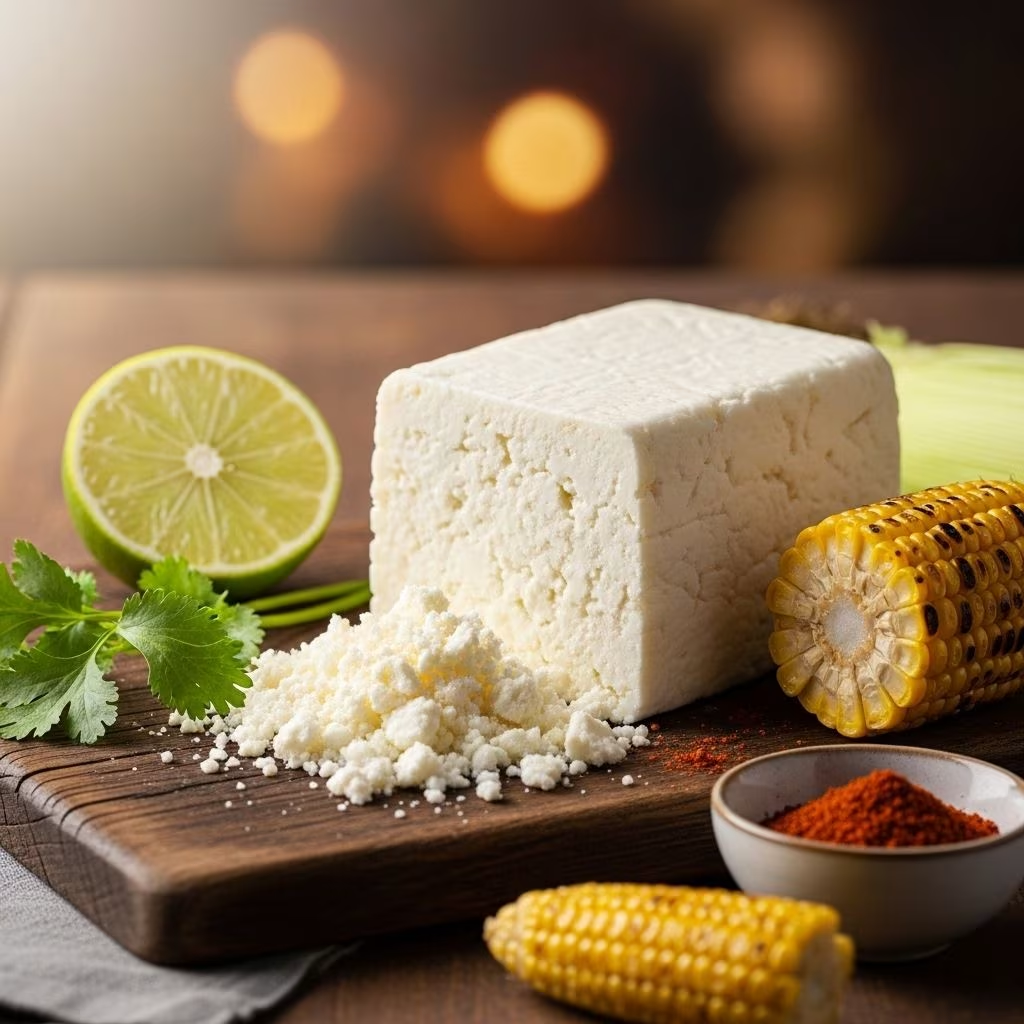
Queso Cotija, often called the “Parmesan of Mexico,” is a renowned aged cheese essential to Mexican culinary tradition. Its firm texture, salty profile, and ability to enhance dishes make Cotija cheese both a cultural benchmark and a favorite ingredient among food enthusiasts. In this comprehensive guide, you’ll learn about Cotija’s history, nutritional value, health benefits, myriad uses, unique taste, and answers to common questions about this beloved cheese.
Introduction: Understanding Cotija Cheese
Cotija is an aged Mexican cheese celebrated for its firm, crumbly texture and pronounced salty flavor. Traditionally made from cow’s milk, Cotija doesn’t melt but softens slightly when warmed, providing a signature sandy consistency in mouthfeel and rich savoriness to any dish it complements. Named after the town of Cotija in Michoacán, it’s a staple in Mexican gastronomy that has earned international acclaim for its taste and culinary versatility.
History and Origin of Cotija Cheese
Originating in Cotija, Michoacán, Cotija cheese showcases Mexico’s rural dairy craftsmanship. It has been produced for centuries, with techniques handed down through generations of local artisans. This cheese is traditionally made only during the rainy season, from July to October, when cows graze on nutrient-rich mountain vegetation. The geography and climate of the region shape Cotija’s distinct flavor and texture, making it an authentic “cheese of the mountains.”
- Traditional roots: Named after its birthplace, Cotija cheese is deeply tied to local heritage.
- Artisan production: Made by hand in small mountain communities using time-honored methods.
- Seasonal availability: Produced in sync with nature’s cycles for enhanced quality and unique taste.
Varieties and Types of Cotija
Although Cotija is generally described as a firm, crumbly cheese, it encompasses several varieties:
- Cotija Fresco (Young): Milder, salty flavor; softer, more crumbly texture. Resembles feta in mouthfeel and moisture.
- Cotija Añejo (Aged): Firmer, intense flavor; hard texture. Comparable to Parmesan or Romano, suitable for grating.
- Cotija de Montaña (Mountain Cotija): Exceptionally dry and salty, created to preserve the cheese longer. Its production is limited to the summer and fall.
- Tajo Variety: Moister, less salty, and holds shape when cut; flavor is similar to Greek feta.
Traditional Production Methods
The traditional production of Cotija cheese is rooted in manual craftsmanship:
- Milk Sourcing: Fresh cow’s milk is sourced from local herds grazing in high-altitude mountain pastures.
- Curdling: Rennet is added to heated milk to initiate coagulation, yielding solid curds.
- Cutting and Cooking: Curd is cut into small, uniform pieces and gently cooked until desired texture is achieved.
- Salting: The curds are liberally salted—a key factor in the salty flavor profile and preservation qualities.
- Pressing and Molding: Salted curds are pressed into cylindrical molds, then aged for several weeks to several months, developing robust flavor and crumbly texture.
Artisan Cotija is unique to each batch, thanks to handcrafting, local ingredients, and variable climate conditions.
Nutritional Profile and Health Benefits
Cotija cheese offers several nutritional benefits as well as important considerations for health-conscious consumers.
- Protein: Cotija is protein-rich, providing muscle-building amino acids and supporting satiety.
- Calcium: High calcium content supports bone strength and dental health.
- Vitamins & Minerals: Contains vitamin A, B12, and minerals like phosphorus and magnesium.
Potential Health Benefits
- Supports bone health due to high calcium and phosphorus
- May promote gut health, as fermented cheese products have probiotics and beneficial bacteria.
- Satiety and weight management: Proteins and fats in Cotija help regulate appetite.
Considerations: Cotija cheese is notably high in sodium, making it less suitable for people with salt-sensitive diets or hypertension. Moderation is key, and it can be enjoyed as part of a balanced diet.
Culinary Uses: Classic and Modern Applications
Cotija cheese is valued for its ability to add bold flavor and texture to both traditional and innovative recipes. It is most commonly used as a finishing cheese, sprinkled or grated over a variety of foods to enhance savoriness, texture, and visual appeal.
- Topping for:
- Tacos, burritos, enchiladas, tostadas, and nachos
- Mexican street corn (elote)
- Refried beans and soups
- Salads and vegetable dishes
- Filling or ingredient in:
- Casseroles and baked dishes
- Quesadillas, omelets, savory breads (e.g., Salvadoran quesadilla)
- Garnish for:
- Avocado toast
- Pizzas and pasta
Cooking Tips:
- Cotija softens but does not melt; it holds its shape and texture in baked or heated dishes.
- Its strong flavor means a little goes a long way—use sparingly for best results.
- Crumbled Cotija adds a visual and textural boost to salads, soups, and roasted vegetables.
Taste and Texture: What Makes Cotija Unique?
Cotija is distinguished by its bold, salty flavor and crumbly texture. These qualities set it apart from other cheeses and contribute to its common nickname: “Mexican Parmesan.”
- Flavor notes: Salty, tangy, nutty, with a mild milky sweetness.
- Texture: Firm yet crumbly, dry, and grainy—reminiscent of feta when young and Parmesan when aged.
- Aroma: Subtly pungent, savory, and slightly dairy-rich.
Best Pairings and Substitutes
Cotija pairs well with a broad spectrum of foods, and when unavailable, several cheeses can offer a similar effect.
- Pairings:
- Beans, avocados, tomatoes, corn, and chile-based dishes
- Fresh herbs, citrus, salsa, and grilled proteins
- Wines: Sauvignon Blanc, dry rosé, or light-bodied reds
- Beers: Light lagers, pilsners, or crisp ales
- Substitutes: Feta or queso fresco for fresh Cotija; Parmesan, Romano, or ricotta salata for aged Cotija
Storage, Shelf Life, and Handling
- Refrigeration: Store Cotija cheese wrapped tightly in wax paper or plastic wrap in the refrigerator; keep it away from strong-smelling foods to avoid flavor absorption.
- Shelf Life: Due to its high salt content and dryness, aged Cotija has a longer refrigerator shelf life (several weeks), while fresh Cotija should be consumed sooner.
- Serving Tips: Grate or crumble Cotija directly before serving for optimal flavor and texture. Allow aged Cotija to come to room temperature before use.
Cotija vs. Other Cheeses: A Comparison Table
| Cheese | Origin | Texture | Flavor | Best Uses |
|---|---|---|---|---|
| Cotija | Mexico | Firm, crumbly | Salty, tangy, nutty | Topping, ingredient, garnish |
| Feta | Greece | Soft, crumbly | Salty, tangy | Topping, salads, savory pies |
| Queso Fresco | Mexico | Soft, crumbly | Mild, fresh, lightly salty | Topping, filling, salads |
| Parmesan | Italy | Hard, granular | Umami, nutty, salty | Grating, cooking, topping |
| Ricotta Salata | Italy | Semi-hard, crumbly | Mild, salty | Topping, salads, garnish |
Frequently Asked Questions (FAQs)
Q: Is Cotija cheese vegetarian?
A: Most traditional Cotija is made with animal rennet, so it is not strictly vegetarian. Some commercial brands may use microbial rennet—check packaging for details.
Q: Does Cotija cheese melt?
A: Cotija softens when heated but does not fully melt; it retains its crumbly texture which adds complexity to cooked dishes.
Q: How should Cotija be served?
A: It can be crumbled or grated as a topping for Mexican dishes, mixed into salads, or used as a finishing cheese over cooked foods.
Q: What is the difference between Cotija and Queso Fresco?
A: Cotija is firmer, much saltier, and aged, whereas queso fresco is softer, less salty, and usually fresh with a mild flavor.
Q: Can Cotija be frozen?
A: Freezing is possible but can affect texture; it’s best enjoyed fresh from the refrigerator.
Q: Where can I buy Cotija cheese?
A: Cotija can be found in Latin American grocery stores, specialty cheese shops, and some large supermarkets, sold in rounds, blocks, or grated form.
Summary
Cotija cheese is a culinary treasure from Mexico, prized for its distinctive salty, nutty flavor and unique crumbly texture. Whether young and moist or aged and robust, Cotija adds complexity to countless dishes. It offers notable protein and calcium content but should be consumed in moderation due to its high sodium level. Cotija exemplifies tradition, versatility, and taste—rightfully earning its status as the Parmesan of Mexico and enriching kitchens around the world.
References
- https://en.wikipedia.org/wiki/Cotija_cheese
- https://thecheeseatlas.com/cheese-profiles/cotija/
- https://www.cheese.com/cotija/
- https://www.wisconsincheese.com/the-cheese-life/article/232/discover-the-versatile-flavor-of-cotija-cheese
- https://culturecheesemag.com/stories/mountain-cotija-mexican-cheese/
- https://www.caciquefoods.com/blog/get-cooking-cotija/
- https://wearecocina.com/blog/the-mexican-cheeses-you-need-to-know


