


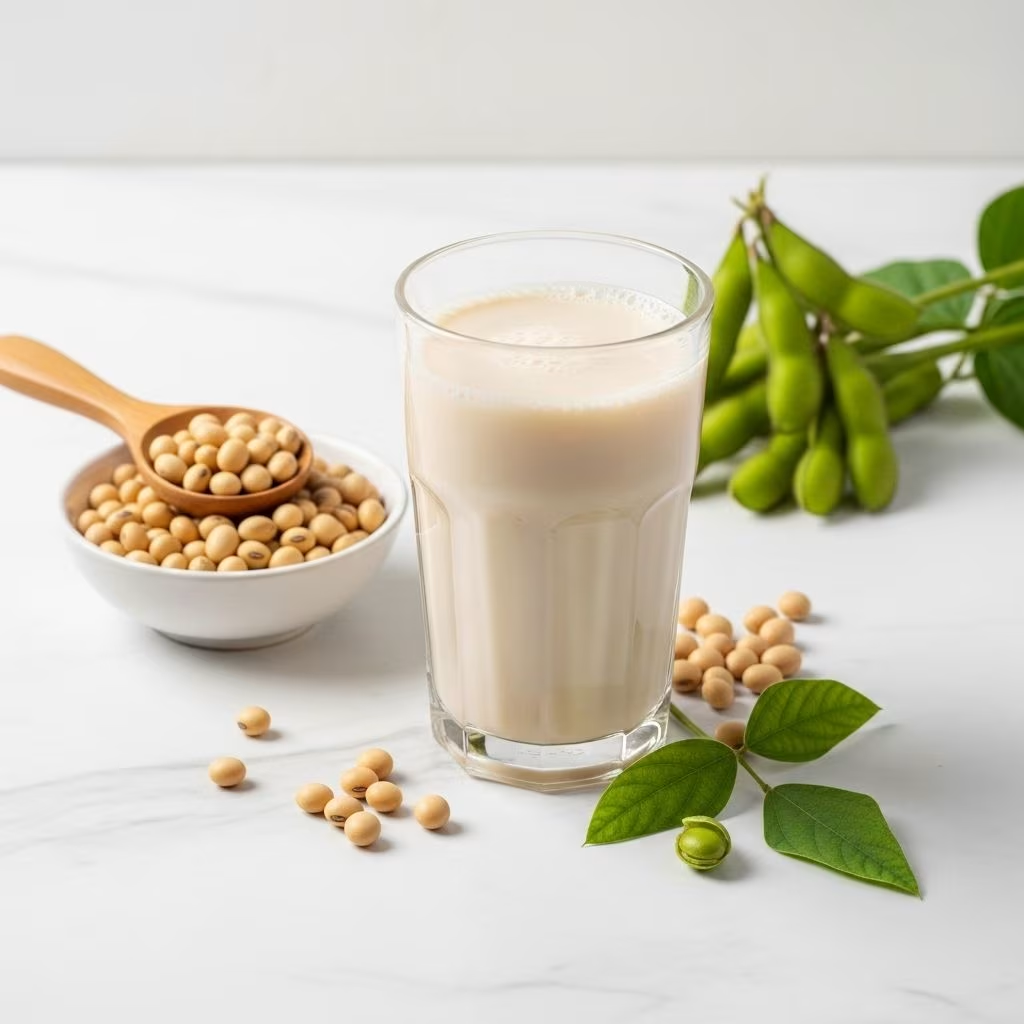
Soy milk has become a staple on grocery shelves and in cafes globally, championing the plant-based beverage movement for decades. This comprehensive guide unpacks what soy milk is, explores its nutritional value, health benefits, practical uses, and taste profile, and offers insights on how it stands up against dairy milk and other non-dairy options.
What Is Soy Milk?
Soy milk is a plant-based beverage produced by soaking, grinding, and boiling soybeans in water, then filtering out the solids to create a uniquely creamy drink. It has roots in traditional Asian cuisine but has become a cornerstone in the global movement toward dairy alternatives.
Typically, commercial soy milk is fortified with vitamins and minerals such as calcium, vitamin D, vitamin B12, and vitamin A to increase its nutritional value, especially in comparison to cow’s milk. There are both unsweetened and sweetened varieties, as well as flavors like vanilla and chocolate.
History and Origins of Soy Milk
Soy milk’s origins trace back to China, where it has been consumed for centuries. Historical records suggest that soy milk emerged as early as the 14th century, initially as a by-product of tofu production. Its modern global popularity accelerated with the rise of vegetarianism, veganism, and the demand for lactose-free beverages.
The widespread commercial production started in the 20th century, and soy milk is now a fixture not only in Chinese and East Asian diets but also in Western food systems.
Nutritional Profile of Soy Milk
Soy milk boasts a nutrient-dense profile that is comparable to low-fat dairy milk, making it one of the most nutritionally robust plant-based milk alternatives on the market.
Below is the average nutritional content per 1 cup (240mL) of unsweetened, fortified soy milk:
| Nutrient | Amount per 1 cup |
|---|---|
| Calories | 80–100 kcal |
| Protein | 7–8 g |
| Total fat | 4 g |
| Saturated fat | 0.5 g |
| Carbohydrates | 4–8 g |
| Sugars | 1–6 g (varies by brand) |
| Fiber | 1 g |
| Calcium | 300–370 mg |
| Potassium | 225 mg |
| Iron | 1–1.6 mg |
| Magnesium | 39 mg |
| Vitamin A | 10–45% Daily Value (fortified) |
| Vitamin D | 10–15% Daily Value (fortified) |
| Vitamin B12 | 2.99 mcg (fortified) |
| Cholesterol | 0 mg |
| Omega-3 fatty acids | Present in small amounts |
Key points:
- Soy milk provides high-quality plant-based protein (contains all essential amino acids, DIAAS ≥100% for most ages).
- It is typically fortified to match or exceed the calcium, vitamin D, and B12 content of cow’s milk.
- Contains isoflavones (a class of phytoestrogens), potassium, and iron.
- Free from lactose and cholesterol, and typically lower in saturated fat compared to dairy milk.
Key Health Benefits of Soy Milk
Including soy milk in your diet can contribute to overall wellness. Some notable health benefits include:
- Excellent source of plant-based protein: Soy milk offers approximately 7-8 grams of protein per cup. This quality is comparable to cow’s milk and higher than most other plant-based milks.
- Lactose-free: It is ideal for individuals with lactose intolerance or dairy allergies since it contains no lactose or dairy protein.
- Heart health support: The presence of omega-3 fatty acids, potassium, and low saturated fat content may help reduce blood pressure and support cardiovascular health.
- Potential cholesterol-lowering effects: Consuming soy protein has been linked to slightly reduced levels of LDL (bad) cholesterol.
- Bone health: Fortified soy milk is a good source of calcium and vitamin D, both of which are critical for maintaining strong bones.
- Menopausal symptom relief: Isoflavones in soy milk may help reduce hot flashes and other menopause-related symptoms by mimicking weak estrogenic effects.
- Support for muscle and organ health: Its protein content can help repair and maintain muscle mass and overall organ function.
- Source of antioxidants: The vitamins and minerals in soy milk, along with polyphenolic compounds, can contribute to reduced oxidative stress.
- Weight management: Unsweetened soy milk is relatively low in calories and contains fiber, supporting satiety that may aid in weight management.
Potential Risks and Considerations
- Soy allergy: Soy is among the top food allergens. Individuals with a soy allergy should strictly avoid soy milk and any soy-containing products.
- Thyroid health: Some concerns exist regarding isoflavones and thyroid function, particularly for individuals with pre-existing thyroid conditions. Current research suggests that as long as iodine intake is sufficient, these effects are not significant for most healthy adults, but it is wise to consult your healthcare provider.
- Added sugars: Sweetened soy milk options can be high in added sugars. Opt for unsweetened or lightly sweetened varieties to avoid excessive sugar intake.
- Processing and additives: Read labels for thickeners, stabilizers (like carrageenan or gums), and unnecessary additives. Choose organic or non-GMO verified brands if concerned about genetically modified ingredients.
Common Uses of Soy Milk
Soy milk is incredibly versatile in the kitchen and can be enjoyed in myriad ways:
- Beverage: Drink chilled, plain, or flavored.
- Coffee and tea: Use as a creamer or milk substitute in lattes, cappuccinos, or tea.
- Cereal and granola: Pour over breakfast cereals, granola, or oatmeal for a plant-based start.
- Baking and cooking: Substitute for dairy milk in cakes, muffins, pancakes, or bread.
- Savory dishes: Suitable for soups, creamy sauces, and pasta.
- Smoothies: Blend with fruits, greens, and seeds for a protein-packed drink.
- Desserts: Use in puddings or custards, or make dairy-free ice cream.
For cooking, unsweetened and plain soy milk is generally preferred, while flavored or sweetened variants are better for direct consumption or dessert recipes.
Taste and Texture
Soy milk’s flavor and consistency set it apart from both dairy milk and other plant-based milks. The experience varies slightly between brands and whether it is homemade or commercial:
- Taste: Mildly beany, nutty, or earthy flavor profile. Unsweetened soy milk has a pronounced soybean note that some describe as slightly savory, while sweetened or flavored types are creamier and less beany.
- Texture: Naturally creamy and smooth, with a viscosity close to low-fat dairy milk. Fortified commercial options may be slightly thicker owing to additional stabilizers.
Overall, soy milk’s richer consistency makes it a favorite among baristas for coffeehouse beverages, as it steams and froths well.
Soy Milk vs. Dairy Milk
| Feature | Soy Milk (Unsweetened, Fortified) | Cow’s Milk (Low-Fat, 1%) |
|---|---|---|
| Calories | 80–100 | 100–110 |
| Protein | 7–8 g | 8 g |
| Fat | 4 g | 2.5 g |
| Saturated fat | 0.5 g | 1.5 g |
| Lactose | 0 | 4.8 g |
| Calcium | 300–370 mg (fortified) | 300 mg |
| Vitamin B12 | 2.99 mcg (fortified) | 1.2 mcg |
| Cholesterol | 0 mg | 10 mg |
| Other | Vegan, no dairy allergens, contains isoflavones | Lactose, contains casein and whey, no isoflavones |
Summary: Soy milk is nutritionally closest to cow’s milk among plant-based alternatives, providing comparable protein and fortified nutrients. It is naturally free from cholesterol and lactose, making it suitable for those with dietary restrictions or preferences for plant-based living.
Soy Milk vs. Other Plant-Based Milks
| Milk Type | Calories | Protein | Texture | Notable Features |
|---|---|---|---|---|
| Soy | 80–100 | 7–8 g | Creamy | Best protein, rich in isoflavones |
| Almond | 30–40 | <1 g | Light, watery | Low calories, vitamin E-rich |
| Oat | 90–120 | 2–4 g | Thick, slightly sweet | Beta-glucan fiber |
| Coconut | 45 | 0 | Very thin | Distinct coconut flavor |
| Rice | 120 | 0–1 g | Thin | Hypoallergenic |
Summary: While almond, oat, coconut, and rice milk offer unique flavors and nutrition profiles, only soy milk delivers protein content comparable to dairy milk, making it the most complete dairy substitute for nutrition and versatility.
Buying and Storing Soy Milk
- Selection: Choose unsweetened or lightly sweetened versions for lower calorie and sugar intake. If you follow a vegan diet or are concerned about GMOs, look for non-GMO certified or organic labels.
- Fortification: Pick brands fortified with calcium, vitamin D, and B12 if you use soy milk as a primary dairy substitute.
- Storage: Unopened shelf-stable soy milk can be stored in a cool pantry. Once opened, refrigerate and use within 7–10 days. Always check “use by” dates and give the container a good shake before pouring to redistribute any sediment.
- Homemade soy milk: Store in the refrigerator and consume within 3–5 days as it lacks preservatives.
Frequently Asked Questions (FAQs)
Q: Is soy milk safe for children?
A: Yes, fortified soy milk is considered safe for children over the age of one as a protein and calcium source, especially for those with dairy allergies or lactose intolerance. Consult a pediatrician for children under one year old.
Q: Is soy milk good for people with lactose intolerance?
A: Yes, soy milk is naturally lactose-free and an excellent alternative for people who cannot digest lactose.
Q: Can soy milk cause hormonal changes?
A: No robust evidence links moderate soy milk consumption to unwanted hormonal effects in humans. Its phytoestrogens (isoflavones) are weak and generally not potent enough to affect hormone balance in healthy adults.
Q: Does soy milk taste like cow’s milk?
A: No, soy milk has a unique, slightly beany or nutty flavor, and is typically creamier than other plant-based milks, but it does not identically mimic cow’s milk taste.
Q: What is the best way to use soy milk in recipes?
A: Use unsweetened soy milk in both savory and sweet dishes. It substitutes for cow’s milk at a 1:1 ratio in most recipes, making it ideal for cooking, baking, or foaming in coffee drinks.
Q: Can soy milk trigger allergies?
A: Yes, individuals with a soy allergy should avoid soy milk entirely as it can cause allergic reactions.
Conclusion
Soy milk is a powerhouse among plant-based milks for its high-quality protein, nutritional richness, and culinary versatility. Whether you’re seeking a dairy substitute due to allergies, dietary choice, or environmental concerns, soy milk stands out for its benefits. For optimal health, select fortified, unsweetened varieties and enjoy it as part of a balanced, varied diet.
References
- https://www.urmc.rochester.edu/encyclopedia/content?contenttypeid=76&contentid=16139-1
- https://en.wikipedia.org/wiki/Soy_milk
- https://www.healthline.com/nutrition/soy-milk-ingredients
- https://www.webmd.com/diet/health-benefits-soy-milk
- https://silk.com/plant-based-products/soymilk/original-soymilk/
- https://nutritionfacts.org/topics/soymilk/
- https://www.healthline.com/health/milk-almond-cow-soy-rice
- https://tools.myfooddata.com/nutrition-facts/175215/wt9
- https://www.uhhospitals.org/health-information/health-and-wellness-library/article/nutritionfacts-v1/soy-milk-fluid-1-cup


