


What Is Sugar Apple (Sweetsop)?
The sugar apple, also known as sweetsop or custard apple, is a delicious tropical fruit produced by the Annona squamosa tree. Its botanical name Annona squamosa hints at the fruit’s unique knobby or scaly appearance, which sets it apart from other Annona species like the cherimoya and soursop. Sugar apple is a favorite in tropical regions across the world, cherished for its creamy texture and sweet, aromatic flavor.
Appearance and Identification
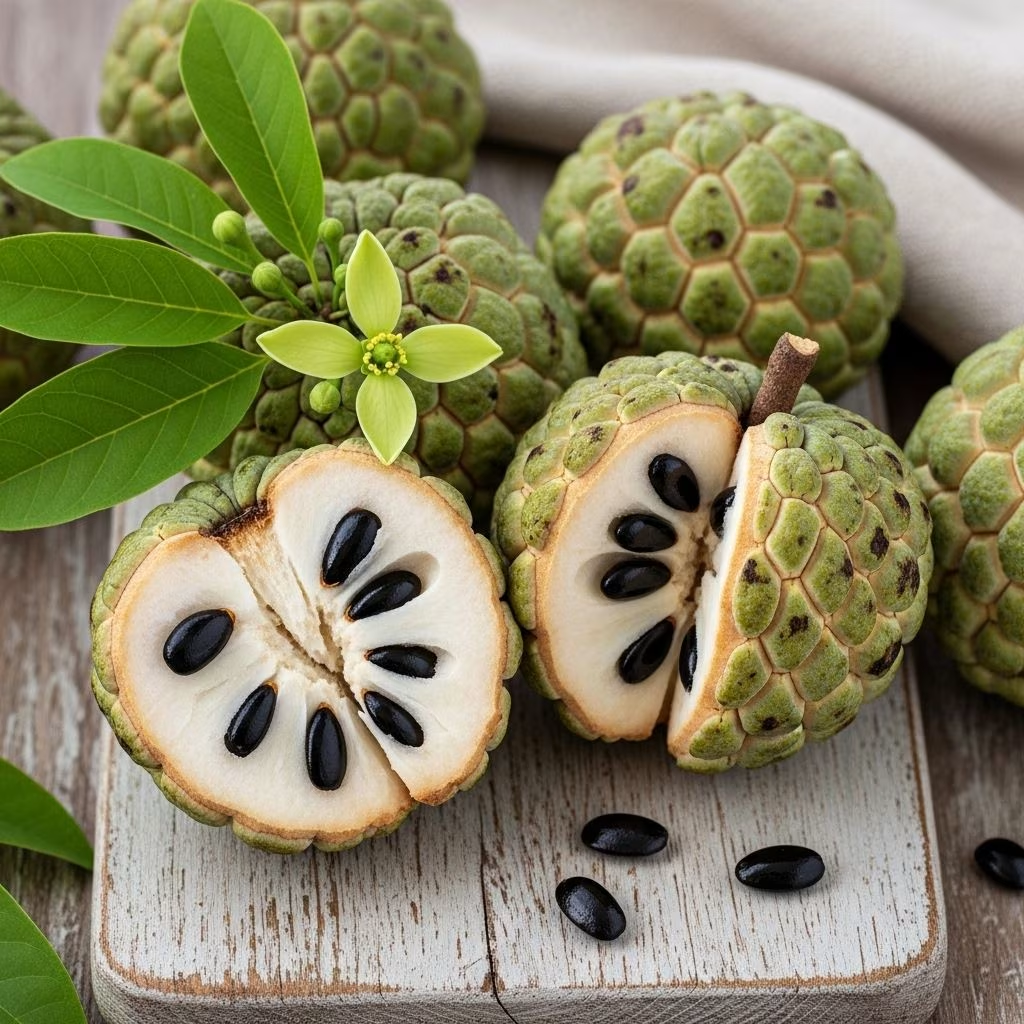
The sugar apple is easily recognized by its thick, scaly, or knobbly rind, which is typically green but can also be bluish-green or even reddish-pink in some varieties. The fruit is usually 5–10 cm (2–4 inches) in diameter and up to 10 cm long, with a roughly heart-shaped to spherical-conical form.
Inside, the ripe fruit contains creamy white, segmented flesh that is soft, slightly grainy, and laden with numerous shiny black seeds—about 20–40 per fruit, depending on the variety. The segments tend to separate as the fruit ripens, exposing the edible pulp. Annona squamosa trees are small, deciduous plants, typically 3–8 meters (10–26 feet) tall, with thin, alternate leaves and light brown bark.
Origin and Cultivation
Although the exact origin is debated, the sugar apple is widely believed to have come from the West Indies and tropical America. Spanish traders later introduced it to Asia, where it became popular in the Philippines and other tropical regions. Today, it is grown in many tropical countries, including Brazil, India, Southeast Asia, and parts of Africa and the Pacific.
The sugar apple tree is well-suited to tropical lowland climates and is more easily cultivated than its cousin, the cherimoya. It is a small, fast-growing tree with slender branches and begins bearing fruit in just a few years. Propagation is usually by seed, but grafting allows for the selection and maintenance of superior varieties. The fruit is typically available from mid-summer into fall.
Nutritional Value
Table: Nutritional Highlights of Sugar Apple (per 100g, approximate)
| Nutrient | Approximate Amount | Benefits |
|---|---|---|
| Vitamin C | High | Antioxidant, supports immunity |
| Vitamin B6 | Moderate | Metabolism, brain function |
| Vitamin A | Moderate | Vision, skin health |
| Folate (B9) | Moderate | Cell growth, pregnancy health |
| Iron | Present | Prevents anemia |
| Magnesium | Present | Muscles, nerves |
| Potassium | Present | Heart health, blood pressure |
| Carbohydrates | High | Energy source |
The sugar apple is a good source of carbohydrates, vitamins, and several essential minerals, making it a nutritious addition to the diet.
Health Benefits
Consuming sugar apple regularly can offer several health benefits due to its nutrient profile:
- Boosts Immunity: High vitamin C content helps strengthen the immune system and aids in wound healing.
- Supports Heart Health: Potassium helps regulate blood pressure and supports healthy heart function.
- Promotes Healthy Pregnancy: Folate is crucial for fetal development and can help prevent neural tube defects during pregnancy.
- Improves Digestion: The fiber in sugar apple helps promote healthy digestion and prevent constipation.
- Anti-Inflammatory Properties: The fruit and its leaves have traditionally been used to alleviate digestive issues and rheumatic pain.
- Energy Boost: High carbohydrate content makes it an excellent energy source, beneficial for athletes and active individuals.
Culinary Uses
Sugar apple is a versatile ingredient in tropical cuisine:
- Fresh Consumption: The pulp is most commonly eaten fresh, either scooped directly from the fruit or added to fruit salads.
- Desserts: The creamy flesh is perfect for making ice cream, shakes, and custards. In Malaya, the pulp is strained and added to milk for a tropical shake.
- Beverages: The juice and puree can be fermented into wines or blended into refreshing drinks.
- Preserves: Though rarely cooked, sugar apples can be used to make jellies and preserves when necessary.
- Cooking: The fruit is almost never cooked except for specific recipes, as heat can destroy its delicate flavor and texture.
Taste Profile
The sugar apple is prized for its sweet, creamy, and aromatic flesh, often described as having a custard-like or vanilla-like flavor with subtle hints of mint or floral notes. The texture is soft, slightly grainy, and slippery, making it a favorite for both children and adults. The fruit’s sweetness is balanced by a mild acidity, resulting in a refreshing and indulgent taste experience. Unlike other tropical fruits, the sugar apple has a unique profile that is both rich and delicate, making it a beloved delicacy in regions where it grows.
Precautions and How to Pick a Ripe Sugar Apple
Precautions
- Seed Toxicity: The seeds contain toxic compounds and should not be eaten, especially by children, cats, or dogs.
- Allergies: As with any fruit, some individuals may experience allergic reactions.
- Ripeness: Immature fruit is toxic and should not be consumed. Only eat fruit that is fully ripe.
Selecting and Ripening
Sugar apple is a climacteric fruit, meaning it continues to ripen after harvest. The fruit should be picked when mature but not fully ripe, as it can bruise easily and over-ripen quickly. Signs of ripeness include a slight softening of the fruit and separation of the segments. The skin color changes from grayish-green to yellow-green as it approaches maturity. Handle ripe fruit gently to avoid bruising.
Frequently Asked Questions
Q: What is another name for sugar apple?
A: Sugar apple is also known as sweetsop, custard apple, or by its botanical name Annona squamosa.
Q: Where does sugar apple grow?
A: It thrives in tropical climates, originating in the West Indies and tropical America, and is now widely cultivated in Asia, Africa, and the Pacific.
Q: How do you eat a sugar apple?
A: The flesh is scooped from the rind and eaten fresh. Remove the seeds before eating, as they are toxic.
Q: What does sugar apple taste like?
A: The taste is sweet, creamy, and custard-like, with a hint of vanilla or mint, and a soft, grainy texture.
Q: What are the health benefits of sugar apple?
A: It supports immunity, heart health, digestion, and provides energy, thanks to its rich vitamin, mineral, and carbohydrate content.
Q: Are the leaves and bark of the sugar apple tree useful?
A: Yes, extracts from the leaves and bark have been used in traditional medicine to treat digestive problems and rheumatic pain.
Conclusion
With its delightful sweetness, unique texture, and impressive nutritional profile, sugar apple (sweetsop) stands out as a beloved fruit in tropical regions around the world. Whether enjoyed fresh, blended into shakes, or used as a dessert ingredient, sugar apple offers health benefits and culinary versatility. As awareness of its qualities grows, it continues to gain popularity far beyond its native lands, promising both pleasure and wellness to those who sample it.
References
- https://yourhomify.com/product/sugar-apple/
- https://specialtyproduce.com/produce/Sugar_Apples_441.php
- https://en.wikipedia.org/wiki/Annona_squamosa
- https://www.cabidigitallibrary.org/doi/full/10.1079/cabicompendium.5820
- https://www.britannica.com/plant/sweetsop
- https://www.pslbg.org/sugar-apple/
- https://everglades.farm/blogs/news/sugar-apple-fruit-where-to-buy-a-step-by-step-guide


