


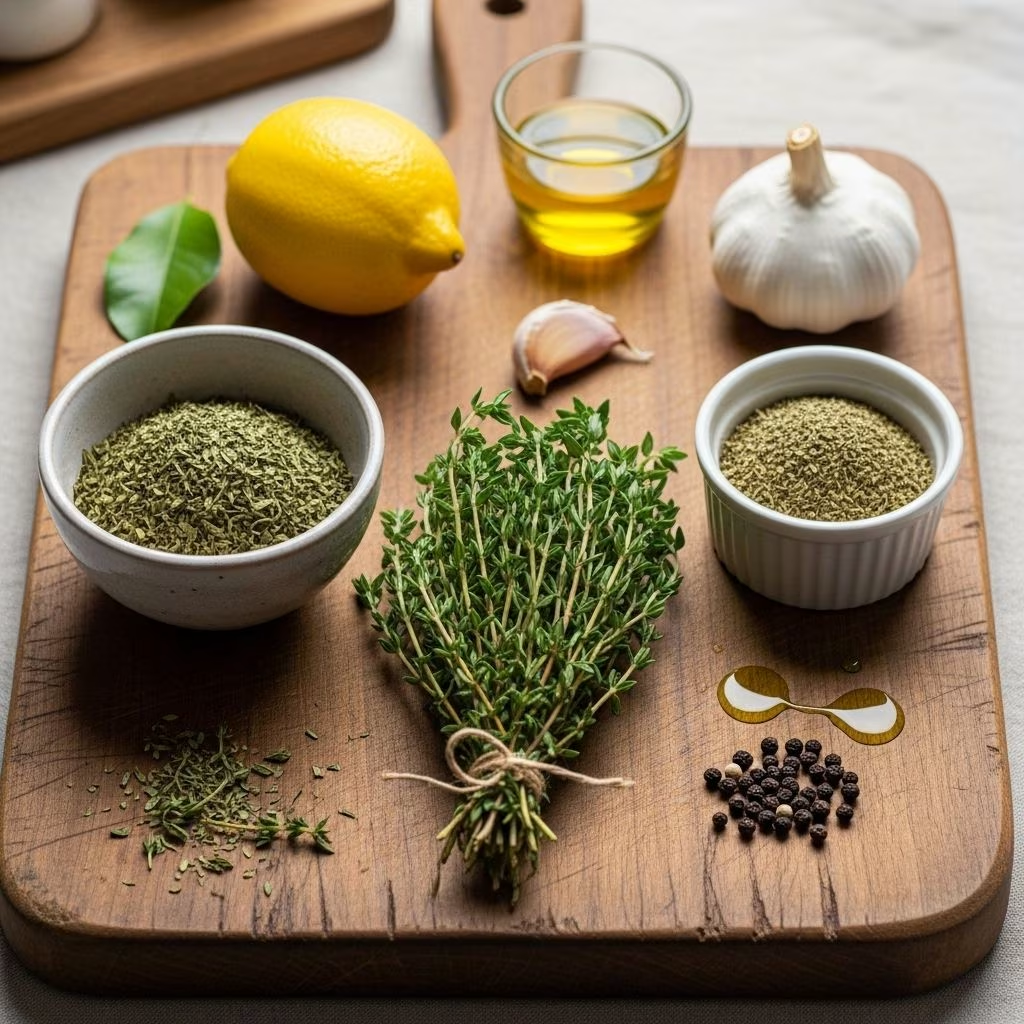
Thyme is more than a humble kitchen herb: it is a staple ingredient celebrated for its versatile, earthy-minty flavor and its capacity to elevate a vast array of culinary creations. Used for centuries across global cuisines, thyme also boasts surprising health benefits and grows easily both outdoors and indoors. Whether you’re an experienced chef or a home cook seeking inspiration, understanding thyme’s flavor, best uses, and substitution options will make your dishes shine.
What Is Thyme?
Thyme is a small, woody, perennial herb native to the Mediterranean, belonging to the Lamiaceae family, which also includes mint, oregano, basil, and rosemary. It has tiny, evergreen leaves and produces delicate, aromatic flowers. Cultivated for thousands of years, thyme is now a global staple, found in herb gardens, windowsill pots, and pantries worldwide.
There are over 300 thyme varieties, but the most common culinary type is Thymus vulgaris, also known as garden or common thyme. Other notable varieties include lemon thyme, orange thyme, and caraway thyme, each offering unique citrus or savory notes for cooking.
Thyme Flavor Profile
Thyme’s flavor is recognized for its subtle complexity, making it one of the most versatile herbs available. Here’s what makes its taste distinctive:
- Earthy: The dominant base note, tying thyme closely to classic Mediterranean and rustic dishes.
- Minty: A subtle freshness, as thyme is botanically related to mint, balancing meats and hearty vegetables.
- Slightly Floral: Especially present in fresh thyme and some varieties, adding elegance to recipes.
- Woody: An aroma and taste that comes through particularly during slow roasting or long stewing.
- Citrusy (in some varieties): Especially in lemon thyme, bringing a bright zesty accent.
- Slight Bitterness and Astringency: Due to tannins and aromatic oils, delivering a lingering aftertaste.
| Flavor Note | Description | Best Uses |
|---|---|---|
| Earthy | Rich, savory base | Meats, root vegetables, soups |
| Minty | Gentle freshness | Poultry, vegetable dishes, marinades |
| Floral | Light, aromatic lift | Salads, desserts, herb butters |
| Woody | Warm, resinous aroma | Roasts, stews, braises |
| Citrusy | Lively, zesty pop (in lemon/orange thyme) | Seafood, chicken, vinaigrettes |
| Slight bitterness | Lingering, palate-cleansing | Dense stews, hearty grains |
Fresh thyme tastes brighter and more pungent, while dried thyme has a deeper, earthier profile — both forms are invaluable, each suiting different cooking methods.
Culinary Uses of Thyme
Thyme’s unique blend of earthy, minty, and floral notes makes it a culinary powerhouse across savory and (sometimes) sweet recipes. Its slow infusion means it’s typically added early during cooking, infusing basic ingredients with layers of flavor without overpowering them.
Common ways thyme is used in the kitchen:
- Soups and stews: Infuses broths with savory depth, especially in chicken, beef, and vegetable soups.
- Roasts and braises: Pairs beautifully with roasted chicken, lamb, beef, and pork, imparting aromatic warmth.
- Vegetable dishes: Enhances the taste of roasted root vegetables, mushrooms, tomatoes, and potatoes.
- Sauces and gravies: A favorite in tomato-based sauces, cream sauces, and pan gravies for added complexity.
- Marinades and rubs: Complements garlic, lemon zest, and olive oil to add zip to grill-friendly meats, seafood, or tofu.
- Breads and butters: Excellent in focaccia, savory scones, and herbed butters for bread or vegetables.
- Herb blends: Key ingredient in bouquet garni, herbes de Provence, Italian seasoning, za’atar, and ras el hanout.
- Pizzas & Mediterranean fare: Ingredients in everything from classic pizza toppings to Greek and Middle Eastern recipes.
Thyme flowers are edible, with a milder, sweeter, and more floral flavor than the leaves. They make beautiful, aromatic garnishes for salads, cheese boards, and Mediterranean desserts.
Popular Dishes Featuring Thyme
- French onion soup
- Herb-roasted chicken or turkey
- Pork chops with apples and thyme
- Ratatouille
- Garlic thyme focaccia
- Lemon-thyme vinaigrette
- Beef stew with root vegetables
- Caramelized mushrooms with thyme
Fresh vs. Dried Thyme: Which Should You Use?
Choosing between fresh and dried thyme depends on your recipe’s needs and the intensity of thyme flavor you want:
| Fresh Thyme | Dried Thyme | |
|---|---|---|
| Flavor | Bright, minty, sharper, with floral notes. | Earthier, less sharp, more concentrated over long cooking. |
| Usage | Ideal for quick-cooking, finishing dishes, garnishes. | Best for long-simmered soups, stews, braises, rubs. |
| Substitution Ratio | 1 tablespoon fresh = 1 teaspoon dried. | 1 teaspoon dried = 1 tablespoon fresh. |
| Availability | Seasonal, perishable, but easily grown at home. | Shelf-stable, widely available, convenient for pantry. |
For the freshest flavor in uncooked or lightly cooked dishes, use fresh thyme. For slow-cooked stews or batched sauces, dried thyme is more cost-effective and infuses its deeper notes over time.
Health Benefits of Thyme
Beyond flavor, thyme is packed with essential nutrients and beneficial compounds:
- Vitamins: Rich in vitamin C, vitamin A, and to a lesser extent, B-complex vitamins.
- Minerals: Contains iron, manganese, copper, and calcium.
- Antioxidants: High in polyphenols like thymol and carvacrol, which combat oxidative stress.
- Digestive support: Traditionally used to ease bloating, indigestion, and support healthy digestion.
- Antimicrobial properties: Thymol is a natural antiseptic, historically used for mouthwash and respiratory remedies.
- Immune boost: Vitamin C, A, and other antioxidants that support immune health.
- Low in calories: Adds flavor without added fat or sodium, making it great for healthy cooking.
Although not a replacement for medical treatment, incorporating thyme into your diet provides valuable micronutrients and plant compounds for general wellness.
How to Grow Thyme at Home
Thyme is one of the easiest herbs to grow both outdoors and indoors. Its compact size makes it suitable for garden beds, containers, or sunny window sills.
- Light: Prefers full sun; needs at least 6 hours of direct light daily.
- Soil: Likes well-drained, sandy or loamy soil; avoid soggy spots.
- Watering: Moderate watering; let the soil dry out slightly between waterings to avoid root rot.
- Pruning: Regular harvesting encourages bushy growth; remove woody stems annually.
- Harvesting: Snip springs as needed, ideally before the plant flowers for the best taste.
Fresh thyme is highly aromatic and delivers the most vibrant flavor to dishes.
Pairing Thyme with Other Flavors
Thyme’s versatility lets it work harmoniously with both bold and gentle ingredients. Pair wisely to build complex, layered flavors in your cooking:
- Classic Pairings: Garlic, rosemary, parsley, sage, marjoram, tarragon, bay leaf, oregano, basil.
- Vegetables: Tomatoes, onions, carrots, potatoes, mushrooms, squash, beans, and lentils.
- Proteins: Chicken, beef, lamb, pork, fish, tofu, and eggs.
- Citrus: Lemon zest or juice, orange, lime — accentuates the natural citrus notes.
- Dairy & grains: Cheese (especially goat cheese, feta, pecorino), cream, butter, rice, farro, pasta.
- Spice blends: Poultry seasoning, herbes de Provence, Italian seasoning, za’atar.
Tip: Start with a small amount — thyme’s flavors are persistent and can become dominant if overused, especially in dried form.
Easy Thyme Substitutes
No thyme in your kitchen? No problem! These easy substitutes can step in when you’re out, tailoring the choice to your dish type:
- Oregano: Closest in flavor profile, sharing earthy, slightly minty notes. Use equal amounts for dried or fresh.
- Marjoram: Sweeter and milder, but similar to thyme in herbal depth. Use slightly more than the amount of thyme called for.
- Italian Seasoning: Most blends contain thyme; use this for Mediterranean recipes.
- Savory: Both summer and winter savory echo thyme’s earthiness and work in soups, beans, and meats.
- Herbes de Provence: Contains thyme, rosemary, oregano, and lavender; best in roasts and stews.
- Rosemary: Much stronger and more resinous; use half the amount and ideally with other gentle herbs to round the flavor.
- Fresh parsley plus a pinch of mint or lemon zest: For fresh, zesty notes similar to lemon thyme.
- Sage: Hearty, slightly bitter, and woody—great for stuffing and robust grains, but use sparingly.
While no substitute exactly replicates thyme’s exact blend of flavors, these alternatives can maintain depth and herbal brightness in your finished dish. Adjust other seasonings as needed, and taste as you go.
Frequently Asked Questions (FAQs)
Q: What is the main flavor of thyme?
A: Thyme has a warm, earthy, and slightly minty flavor with subtle floral and woody aromas. Certain varieties like lemon thyme add a citrusy note.
Q: Can I use dried thyme for fresh thyme in recipes?
A: Yes. Use 1/3 as much dried thyme as fresh, since dried is more concentrated. For example, if a recipe calls for 1 tablespoon fresh, use 1 teaspoon dried thyme.
Q: How do I store fresh thyme?
A: Keep fresh thyme in the refrigerator, wrapped loosely in a damp paper towel and sealed in a plastic bag. For longer storage, freeze chopped leaves in ice cubes or dry the sprigs.
Q: What dishes benefit most from thyme?
A: Roasted meats and vegetables, soups, stews, tomato sauces, potatoes, breads, and even herb-infused butters or vinaigrettes gain savory depth from thyme.
Q: What herb is best to use in place of thyme?
A: Oregano and marjoram are the best substitutes, closely matching thyme’s earthy-minty profile. Use equal quantities, and adjust based on taste and type of recipe.
Q: Are thyme flowers edible?
A: Yes. Thyme flowers are edible and deliver a milder, sweeter, and more floral flavor than the leaves. They make attractive garnishes for salads, desserts, and cheeses.
References
- https://spice.alibaba.com/spice-basics/thyme-herb-taste-a-zesty-journey-through-flavor-and-functionality
- https://www.savoryspiceshop.com/blogs/news/behind-the-seasoning-thyme
- https://rawspicebar.com/blogs/spices-101/thyme-vs-parsley
- https://plantura.garden/uk/herbs/thyme/thyme-benefits-and-uses
- https://www.herbalreality.com/herb/thyme/
- https://rawspicebar.com/blogs/spices-101/rosemary-vs-thyme
- https://pmc.ncbi.nlm.nih.gov/articles/PMC9147557/
- https://en.wikipedia.org/wiki/Thyme


