


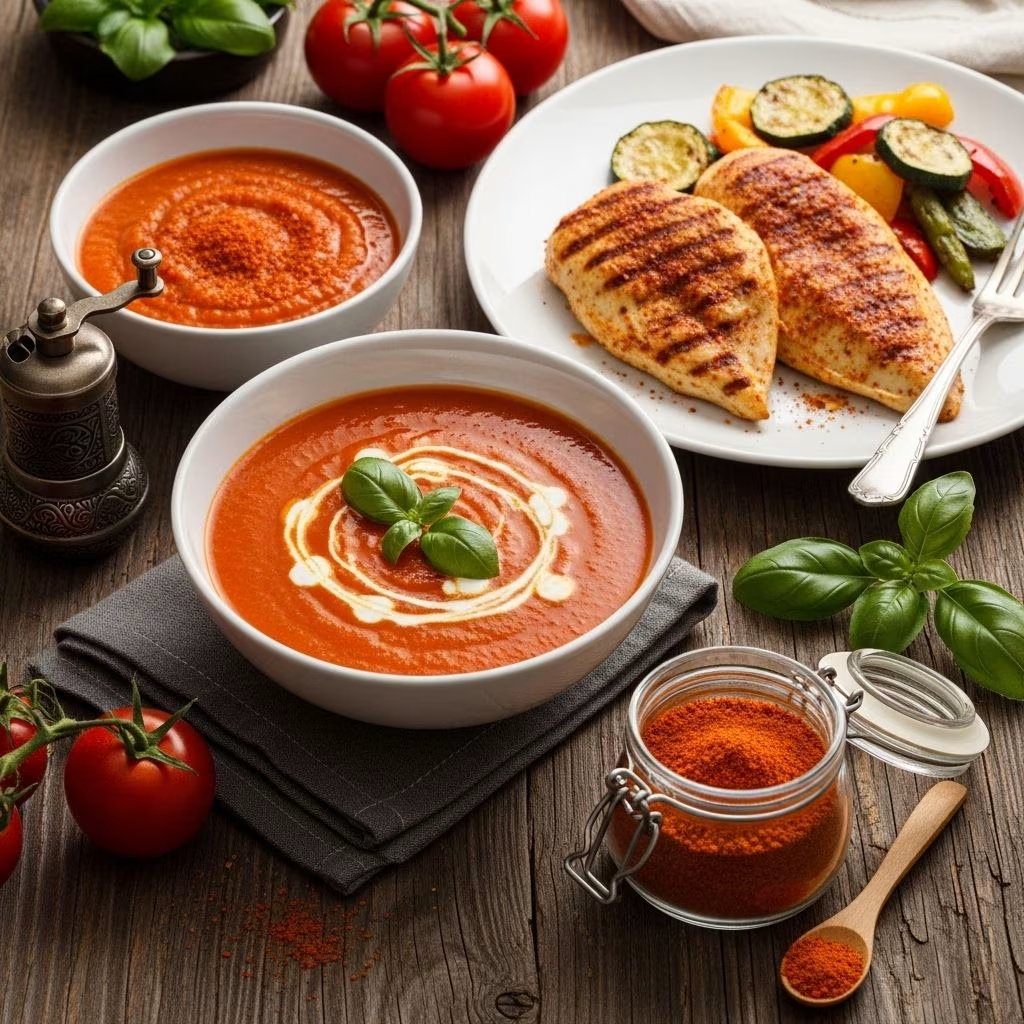
Tomato powder is a surprisingly powerful ingredient that can transform your cooking, adding rich umami, vibrant color, and tomato flavor to everything from sauces to snacks. Whether you’re seeking a quick way to whip up pasta sauce, a secret ingredient for chili, or a clever way to amp up savory snacks, this guide covers the best tomato powder recipes, cooking techniques, and creative uses for every kitchen.
What is Tomato Powder?
Tomato powder is a fine, concentrated powder made from dehydrated or freeze-dried tomatoes, ground into a multipurpose seasoning. It carries the sweet, tart, and savory essence of fresh tomatoes, and can be used in endless ways to boost flavor without the mess or inconvenience of fresh, canned, or paste tomatoes.
Homemade tomato powder is often made from dehydrated tomato slices; commercial varieties are typically derived from high-quality tomato pulp through freeze-drying.
Why Use Tomato Powder?
- Convenience: No chopping, peeling, or waste — just scoop and mix.
- Extended Shelf Life: Lasts far longer than fresh or canned tomatoes when stored properly.
- Flavor Amplifier: Adds rich umami and tomato taste in seconds.
- Customizable Consistency: Make anything from thin sauces to thick pastes by adjusting water content.
- Space-Saving: Compact and lightweight for pantry or campers.
- Dietary Versatility: Gluten-free, vegan, and allergy-friendly.
How to Make Tomato Powder at Home
The foundation of perfect tomato powder recipes often starts with the quality of your powder. Here is a basic home method:
- Slice ripe tomatoes as thinly as possible.
- Place slices on dehydrator racks (or bake in the oven at the lowest temperature, ideally 120–140°F).
- Dehydrate until slices snap when bent—typically after 5–10 hours.
- Cool completely and blend into a fine powder in a food processor or spice grinder.
- Sift through a sieve, grind coarse bits again, and store in an airtight container.
- Optional: Add salt (1/4 tsp for every 1/4 cup powder) for enhanced flavor and longevity.
How to Cook Perfectly with Tomato Powder
Mastering tomato powder’s use is simple but requires a few practical tips for best results:
- Rehydration Ratios: For tomato paste, use 6 tbsp powder + 1/2 cup water; for sauce, 2/3 cup powder + 1 3/4 cups water. Adjust to achieve the thickness you desire.
- Mix Well: Add tomato powder to water gradually, whisking to prevent lumps. Allow to rest a few minutes for full rehydration.
- Layer Seasoning: Enhance flavor with onions, garlic, herbs (oregano, basil), salt, vinegar, or a pinch of sugar.
- Cooking Times: Simmer reconstituted sauces for 10–20 minutes to meld flavors and evaporate excess liquid if needed.
- Taste & Adjust: Add extra powder, water, or seasonings as you go for perfect results.
- Low & Slow: When adding to soups, stews, or baked goods, use low to medium heat and stir frequently so the powder does not scorch.
Top Tomato Powder Recipes
Below are tested and creative recipes where tomato powder truly shines—from essentials to inventive snacks:
Pasta Sauce in a Jar
- 1/2 tbsp dehydrated carrot
- 1/2 tbsp dehydrated celery
- 1/2 tbsp dehydrated bell pepper
- 1 tbsp dehydrated onion
- 1 tbsp dehydrated tomatoes
- 1 tbsp vegetable powder
- 1 tbsp dehydrated green powder
- 2 tbsp dehydrated mushroom pieces or powder
- 1/2 tsp salt
- 1/2 tsp garlic powder
- 1/2 tsp dried oregano
- 1 tsp dried basil
- 4–5 tbsp tomato powder
- 2 cups water or vegetable broth
- 1/2 tbsp oil
Instructions: Bring water to a boil, add all ingredients, simmer for 15–20 minutes. Blend for a smoother sauce. Serve with pasta or over vegetables.
A quick, shelf-stable sauce perfect for emergency meals or weeknight dinners.
Classic Tomato Paste
To substitute one can (6 oz) tomato paste:
- 6 tbsp tomato powder
- 1/2 cup water or broth
- 1/2 tsp salt (optional)
Whisk together until smooth. Rest 2–3 minutes, then adjust for consistency. Use in chili, Italian sauces, or soups.
Homemade Ketchup
- 6 tbsp tomato powder
- 1 cup water
- 1 1/4 tsp salt
- 1/4 tsp onion powder
- 1/8 tsp cayenne pepper
- 1/8 tsp garlic powder
- 1/8 tsp ground clove (optional)
- 1/8 tsp allspice (optional)
- 1/4 cup honey
- 1/3 cup apple cider vinegar
Simmer all ingredients for 20 minutes. Cool and refrigerate for up to three weeks. Sweet, tangy ketchup with customizable spice and sweetness!
Cheesy Tomato Snack Topping
- 1/2 tsp tomato powder
- 1/2 tsp salt
- 1/2 tsp pepper
- 1 tbsp grated parmesan cheese
Mix all ingredients. Sprinkle over popcorn, potato chips, warm fries, pizza crust, or garlic bread for a savory, cheesy flavor hit.
Bloody Mary Mocktail
- 2 cups water
- 1/4 cup tomato powder
- 1/8 cup vegetable powder
- 1/2 tbsp powder horseradish (or 1 tsp prepared horseradish)
- 1 shake hot pepper sauce
- 1 tsp Worcestershire sauce
- 2 dehydrated lemon slices
Mix ingredients in a pitcher, let sit 30 minutes for flavors to blend. Serve over ice with lemon garnish—a healthy and vibrant non-alcoholic cocktail.
BBQ Sauce Base
Make basic ketchup from tomato powder (see above), then blend with desired BBQ spices, a touch of molasses or brown sugar, and vinegar. Simmer for a smoky, homemade BBQ sauce.
Homemade Chili
Use 6 tbsp tomato powder + 1/2 cup water in place of canned paste for robust flavor with zero waste.
Simple Pasta Sauce (Vinegar Method)
- 1 part tomato powder
- 2–3 parts water (less for thick, more for thin sauce)
- 1/2 tsp vinegar per 1 tbsp powder (optional)
- Oregano, basil, onion powder, garlic powder, salt, a pinch sugar (to taste)
Mix water, powder, vinegar, and seasonings until smooth. Adjust seasonings and thickness to taste. A quick-cooking, no-canning-required sauce ideal for pizza, pasta, or casseroles.
Creative Ways to Use Tomato Powder
- Tomato Aioli: Add 1/2–1 tsp tomato powder to mayonnaise, garlic, and lemon for a savory sandwich spread or dip.
- Bread and Pizza Dough: Mix 1–2 tbsp into flour for a reddish hue and tomato flavor.
- Rice and Grain Dishes: Stir into rice, quinoa, or couscous during cooking.
- Soup & Stew Boost: Sprinkle into vegetable, chicken, or lentil soups for instant depth.
- Seasoning Blends: Incorporate into taco seasoning, curry powders, or custom spice blends for a subtle tomato note.
- Scrambled Eggs: Whisk in 1/2 tsp powder per egg before cooking for color and flavor.
- Snack Seasoning: Enhance nuts, chips, and even roasted chickpeas.
Expert Tips for Best Results
- Use high-quality, ripe tomatoes for superior flavor when making powder at home.
- Start small, taste as you go. Tomato powder is concentrated—add 1/4 to 1/2 tsp at a time and increase as needed.
- Store airtight and cool. Tomato powder absorbs moisture and odors easily. Use glass jars with tight seals.
- Avoid scorching. Tomato powder can burn if put directly onto hot pans—mix with liquid first or add with other ingredients.
- Experiment with sweetness and acidity. Every batch of tomato powder is unique—add a touch of sugar or splash of vinegar or lemon to brighten flavor as needed.
Storage and Shelf Life
- Store in a cool, dark pantry in an airtight container.
- Add a silica gel packet if you live in a humid climate to further control moisture.
- Homemade tomato powder typically stays fresh for up to 12 months if stored properly; commercial types may last longer.
- If the powder clumps or smells musty, discard and make a new batch.
Frequently Asked Questions (FAQs)
Q: How do you substitute tomato powder for canned tomatoes or paste?
A: For 6 oz canned tomato paste, use 6 tbsp tomato powder with 1/2 cup water. For 15 oz tomato sauce, use 2/3 cup powder with 1 3/4 cups water. Adjust as needed for consistency and flavor.
Q: Can tomato powder be used in place of sun-dried tomatoes?
A: It can add similar flavor, though without the texture. Try using in dips, spreads, and spice mixes where you want the taste but not the chewiness.
Q: Is tomato powder healthy?
A: Yes. It contains the same nutrients as tomatoes—vitamin C, potassium, antioxidants—without preservatives. Check labels if buying commercially for added salt or fillers.
Q: Will tomato powder change the color of dishes?
A: Yes, it imparts a natural red-orange hue—perfect for stews, baked goods, sauces, and even homemade pasta!
Q: What else can I flavor with tomato powder?
A: Use in savory oatmeal, add to burger meat, blend into vinaigrettes, or sprinkle on roasted vegetables for gourmet color and flavor.


