


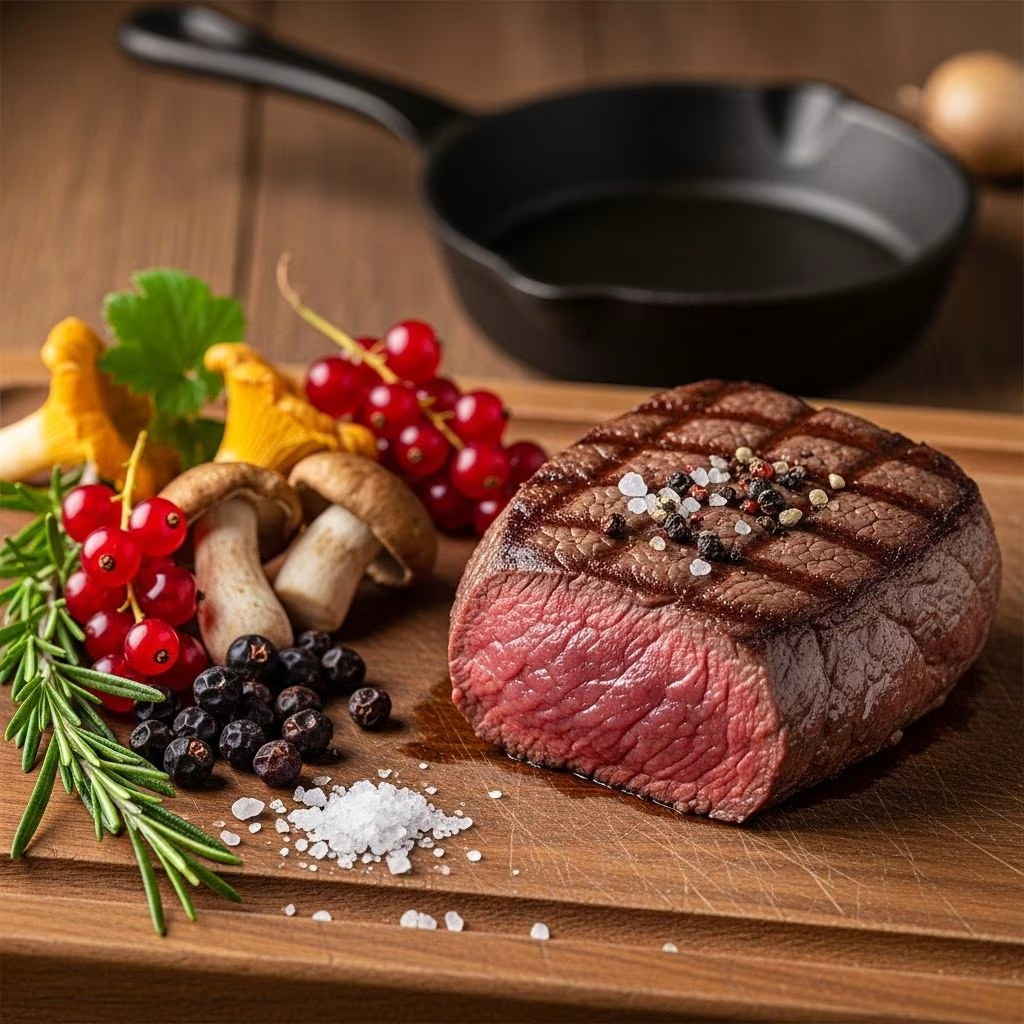
If you’ve ever wondered about the allure of wild game, few meats command as much respect or curiosity as venison. With its robust nutritional profile, eco-friendly reputation, and deeply rooted culinary traditions, venison appeals to chefs, home cooks, and health-conscious eaters seeking something distinctive for the table. In this comprehensive guide, we’ll explore what venison is, its benefits, common uses, and the unique profile of its taste.
What Is Venison? Definition and Origin
Venison traditionally refers to the meat of deer, though its origins cover a broader range of game animals.
- The term comes from the Latin venatus, meaning “to hunt”.
- Historically, venison included the flesh of any hunted game, from rabbits to antelope.
- In modern English, venison is specifically deer meat—from species such as white-tailed deer, mule deer, elk, moose, red deer, reindeer, and fallow deer.
Known for millennia as a food for sustenance, celebration, and survival, venison’s presence stretches from prehistoric hunting to fine dining tables today. Across North America, Europe, Asia, and Africa, deer and antlered ungulates have provided lean, protein-rich meat to generations.
Nutritional Benefits of Venison
Venison’s strongest selling point is its superior nutritional profile, particularly when compared to conventional red meats like beef, pork, or lamb.
- Very lean: Typically less than 2–3% fat in raw cuts.
- High protein: About 20–25g protein per 100g (3.5 oz) serving, similar to lean beef or chicken.
- Lower in saturated fat than beef and pork.
- Rich in iron: Venison contains more iron per serving than conventional red meats, vital for oxygen transport in the body.
- Excellent source of B vitamins such as B6 and B12, which support energy, metabolism, and nervous system health.
- Good levels of zinc, selenium, potassium, and phosphorus, supporting immunity, cell health, and muscle function.
- Low sodium content, naturally free from carbohydrates.
- No antibiotics, growth hormones, or artificial additives (especially in wild or grass-fed farmed venison).
A 100g serving of cooked venison typically provides:
- ~150–160 calories
- 22–25g protein
- 2–3g fat (often less than half the fat of beef)
Its exceptionally lean, high-protein, and micronutrient-rich content makes venison a top choice for health-conscious eaters.
Health Impact: Why Choose Venison?
Nutrition translates into tangible health benefits. Here are some of the most significant reasons to eat more venison, supported by modern nutritional science:
- Supports Muscle Growth and Repair: Rich protein is fundamental for building and repairing muscle tissue.
- Ideal for Low-Fat Diets: Venison is naturally low in both total and saturated fat, which may support cardiovascular health.
- Promotes Healthy Blood: High iron levels aid in the prevention of anemia and support strong circulation.
- Boosts Immunity and Energy: With its abundance of B vitamins, zinc, and selenium, venison strengthens immunity and energy metabolism.
- Low Calorie Density: Its low calorie-to-nutrient ratio suits those pursuing weight management or lean diets.
- Minimal Risk of Additives: Wild or grass-fed farmed venison avoids antibiotics and artificial hormones often present in conventional meats.
Note for balanced nutrition: While venison is very healthy, it should be enjoyed alongside fruits, vegetables, healthy fats, and whole grains in a varied diet.
Culinary Uses and Best Cooking Methods
Cooks prize venison for its versatility, leanness, and capacity to absorb flavors from herbs, spices, and sauces. Its low fat content sets it apart—leading to differing preparation methods from beef or pork.
- Prime Cuts: Venison loin, tenderloin, saddle, and haunch are ideal for quick, dry-cooking (grilling, roasting, pan-searing).
- Lesser Cuts: Shoulder, shank, and brisket are best suited to moist, slow cooking (braising, stewing) to tenderize connective tissue.
Venison is commonly prepared as:
- Steaks and medallions: Best enjoyed rare to medium-rare to retain moisture and tenderness.
- Roasts: Whole muscle cuts, roasted to just under desired temperature, then rested before slicing.
- Chops and cutlets: Quick-cooked, often with marinades or flavored sauces.
- Ground venison: Used for burgers, meatballs, and sausages—often blended with some added fat (like pork or beef suet).
- Venison stew and chili: Slow-braised with root vegetables, wine, herbs, and spices.
- Jerky and cured products: Dried or smoked for preservation and intense flavor.
Key cooking tips for venison:
- Do not overcook—it dries out quickly due to low fat content.
- Aim for internal temperature of 125–135°F (52–57°C) for rare to medium-rare on tender cuts.
- Let meat rest after cooking to reabsorb juices.
- If marinating, use acids (wine, vinegar, citrus) plus oil and spices to enhance flavor and tenderness.
- For lean ground venison, add a fat source for juicier results.
Venison Taste Profile: What Does It Taste Like?
Venison’s taste has evolved in reputation from “gamey” to gourmet:
- Flavor: Mild, subtly earthy, with gentle sweet and mineral notes when fresh and well-prepared.
- Free from excessive gaminess if properly hung, aged, and trimmed of sinew and fat.
- Adapts beautifully to pairing with juniper, rosemary, berries, red wine, and root vegetables.
- Has a finer, more delicate grain and firmer texture than beef or lamb.
The quality of venison’s taste depends on the animal’s diet (wild vs. pasture-raised), age, and careful butchery. It is prized for its clean, intensely meaty flavor that celebrates the outdoors without overwhelming the palate.
Sustainability and Ethical Considerations
Venison is considered one of the most sustainable choices among red meats. Reasons include:
- Most venison is sourced from wild, free-ranging animals or grass-fed sustainable farms.
- Deer populations can become overabundant, so regulated hunting maintains ecological balance.
- No requirement for intensive feedlots, reducing pollution and fossil fuel use.
- Wild-caught venison has a lower environmental footprint compared to conventional beef or pork herds.
- Processors who adhere to humane and traceable standards further elevate venison’s ethical profile.
Always source venison from reputable suppliers who follow strict safety and welfare regulations.
Types of Venison and Popular Cuts
Venison is available from several species, each offering unique flavors and textures:
- White-tailed deer: Common in North America; mild and tender.
- Mule deer and elk (wapiti): Larger animals with darker meat and richer flavor.
- Red deer: Preferred in Europe and New Zealand for its balanced flavor.
- Fallow deer and reindeer: Finer texture, delicately flavored meat.
Most popular venison cuts:
- Loin (backstrap): Tender, lean, for steaks and roasts.
- Tenderloin: Most prized, extremely tender.
- Haunch (leg): Roast or sliced for steaks/cutlets.
- Shoulder, shank, and brisket: Tougher cuts, ideal for stews and slow cooking.
- Ground: Versatile for burgers and sausages.
Tips for Cooking and Preparing Venison
For best results when preparing venison at home:
- Hang and age meat for 3–10 days (when possible), enhancing flavor and tenderness.
- Remove silver skin, sinew, and fat, as these can impart gamey flavors.
- Marinate lean cuts with acid, oil, and aromatics such as garlic, juniper, and rosemary.
- Use a meat thermometer to avoid overcooking.
- Pair with sauces that complement earthiness—think berry reductions, wild mushroom gravies, or wine-based jus.
- Experiment with blending venison with fatty meats for burgers or sausage for moisture and flavor.
Comparison Table: Venison vs. Beef
| Aspect | Venison | Beef |
|---|---|---|
| Calories (per 100g) | 150–160 | 220–250 |
| Protein (g/100g) | 22–25 | 19–22 |
| Total Fat (g/100g) | 2–3 | 15–20 |
| Saturated Fat | Low | High |
| Iron Content | Higher | Lower |
| Cholesterol | Lower | Higher |
| Omega-3/6 Profile | Better (grass-fed) | Varies |
| Use of Hormones/Antibiotics | None (wild/farmed) | Common (conventional) |
| Sustainability | High | Lower |
Frequently Asked Questions (FAQs)
Q: Is venison safe to eat raw or undercooked?
No. Like all meats, venison should be cooked to a safe internal temperature (generally 125–135°F for steaks, higher for ground meat) to avoid risk of parasites or bacterial contamination. Always source venison responsibly.
Q: Does venison taste ‘gamey’?
Properly aged and prepared venison has a mild, subtly earthy flavor. Any “gamey” or strong flavors usually result from improper handling or the presence of sinew and fat. When cooked with care, venison is refined and satisfying.
Q: Can people with red meat intolerance eat venison?
Venison is a red meat, so those with allergies or intolerances should consult their healthcare provider before consuming. However, some people find it easier to digest due to its leanness and natural diet.
Q: Is farmed venison different from wild venison?
Farmed venison tends to be milder, more consistent in texture, and less variable in flavor over wild-caught. Both are nutritious, but wild venison may offer a richer taste and greater nutrient density due to natural forage diets.
Q: How should venison be stored?
Keep fresh venison refrigerated and use within 2–3 days, or freeze for longer storage (up to 12 months). Always thaw in the refrigerator, not at room temperature.
Conclusion
Venison stands apart for its remarkable nutrition, environmentally friendly production, and exquisite flavor profile. Whether you’re an adventurous home cook, a nutrition enthusiast, or a conscious consumer, venison offers an invigorating and wholesome addition to your table—filled with both tradition and innovation in every bite.
References
- https://www.britannica.com/topic/venison
- https://www.wisconsinrivermeats.com/blogs/flavor-that-tells-a-story/the-ultimate-guide-to-venison-what-it-is-and-how-to-cook-venison-steaks-roasts-and-tenderloin-like-a-pro
- https://www.fossilfarms.com/blogs/and-more/the-grazing-files-venison
- https://a-z-animals.com/animals/deer/deer-facts/deer-meat-things-to-know-about-venison-2/
- https://www.dartagnan.com/what-is-venison.html
- https://thevirginiasportsman.com/recipes/venison-101
- https://brokenarrowranch.com/blogs/wild-and-pure/what-is-venison


