


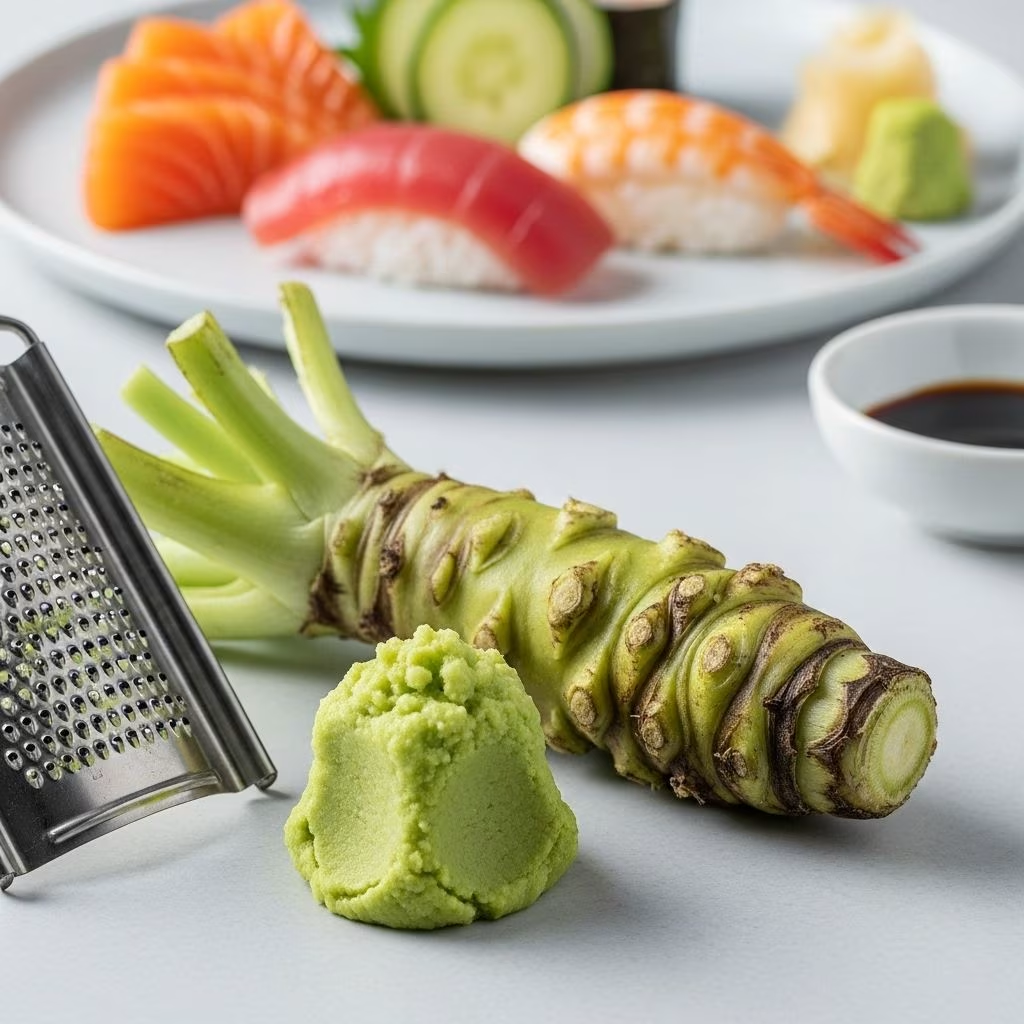
Wasabi, the aromatic green condiment famed for accompanying sushi, is deeply rooted in Japanese culture and cuisine. While its unique flavor has won fans globally, misunderstandings often surround what wasabi really is, from its natural cultivation to health properties and culinary significance. This article explores everything you need to know about wasabi: its origins, uses, benefits, and the key to appreciating its authentic taste.
Introduction to Wasabi
Wasabi (Wasabia japonica or Eutrema japonicum), sometimes called Japanese horseradish, is a unique plant native to the mountain river valleys of Japan. While many outside Japan know wasabi as the spicy green paste served with sushi and sashimi, few are familiar with its complex cultivation, traditional uses, and health-giving potential.
What Exactly Is Wasabi? Botanical Profile
The wasabi plant belongs to the Brassicaceae family, which includes cabbage, mustard, and horseradish. The most prized part is its rhizome—a swollen, underground stem—which is grated fresh to release wasabi’s pungent flavor. All parts of the plant, including its leaves and stems, are edible and sometimes used in Japanese dishes.
- Scientific name: Wasabia japonica or Eutrema japonicum
- Family: Brassicaceae
- Native region: Mountainous valleys and cool streams of Japan
- Main edible part: Rhizome (underground stem)
A Brief History of Wasabi
Wasabi has been a staple of Japanese life for over a millennium, both as an ingredient and a medicinal plant. Archaeological digs reveal evidence of wasabi consumption as early as the Jomon period (around 14,000 BC), possibly for its preservation and antibacterial qualities. The plant is referenced in classics like the Honzo-Wamyo, a 10th-century dictionary of medicinal herbs, as prized for both food and remedy.
- Early wasabi use included food preservation and intestinal health enhancement.
- By the Edo period (17th–19th centuries), wasabi became popular as a seasoning for sushi, due to its antibacterial properties, helping reduce foodborne illness risk from raw fish.
- Its cultivation spread from Japan to countries such as Taiwan, China, New Zealand, and North America as demand grew.
How and Where Is Wasabi Grown?
True wasabi is famously difficult to cultivate. It flourishes only in very specific conditions—cold, clean, running water shaded by forest vegetation. The main regions of wasabi cultivation in Japan include Shizuoka (Izu Peninsula), Nagano (Azumino plains), Shimane, and Yamaguchi provinces.
Growing wasabi requires:
- Pristine, mineral-rich water running between 8°C–20°C (46°F–68°F)
- Constant shade (75% shade or more)
- Gravelly river beds and high humidity
Because of these demands, worldwide production remains limited. Success rates are low, and even in Japan only select regions reliably produce authentic wasabi. Experts closely guard their horticultural methods, and prices for real wasabi remain high as demand continues to rise.
Real Wasabi vs. Imitation Wasabi
Outside Japan, most so-called “wasabi” served in restaurants is actually a blend of horseradish, mustard powder, and green food coloring—an imitation designed to approximate wasabi’s taste and appearance at a fraction of the cost.
| Feature | Real Wasabi | “Fake” Wasabi (Horseradish blend) |
|---|---|---|
| Main Ingredient | Wasabia japonica rhizome | Horseradish, mustard powder, green dye |
| Availability | Rare, expensive, mostly in Japan | Common, inexpensive, global |
| Flavor Profile | Complex, fresh, delicate heat, herbal | Sharp, overpowering, lingering burn |
| Color | Pale, natural green | Bright, artificial green |
| Texture | Grated, slightly coarse | Smooth, creamy |
Experts estimate that more than 90% of “wasabi” outside premium establishments is imitation. Seek out restaurants that offer grated fresh wasabi for the true experience.
Health Benefits of Wasabi
Beyond its renowned taste, research and centuries of use suggest a number of health benefits associated with wasabi consumption, particularly when enjoyed fresh:
- Antibacterial properties: Compounds such as allyl isothiocyanate help inhibit bacterial growth, making wasabi effective in preserving raw fish and supporting food safety.
- Anti-inflammatory effects: Isothiocyanates in wasabi have been studied for their ability to reduce inflammation and support joint health.
- Antioxidant support: Wasabi contains glucosinolates and other phytochemicals that neutralize harmful free radicals, possibly reducing chronic disease risk.
- Potential anticancer properties: Preliminary research suggests these same compounds may help slow cancer cell growth, though more human trials are needed.
- Respiratory health: The pungent compounds can help clear sinuses and may relieve nasal congestion temporarily.
It’s important to note that most studies focus on isolated compounds in laboratory settings. Consuming wasabi as part of a balanced diet can contribute to health, but should not replace medical treatment.
Culinary Uses of Wasabi
Wasabi’s culinary applications go well beyond sushi and sashimi. Traditionally, every part of the wasabi plant has been used in various ways:
- Sushi & Sashimi: Freshly grated wasabi is placed between the fish and the rice, offering subtle heat and enhancing flavors.
- Noodle dishes: Served with cold soba noodles (zaru soba), wasabi is mixed into the dipping sauce for pungency and brightness.
- Vegetable & pickled dishes: Wasabi stems and leaves are pickled (wasabi-zuke) or used in salads for their unique aroma and taste.
- Seasonings & sauces: Blended into dressings, mayonnaise, and marinades to impart subtle heat and color.
- Western fusion: Used as a flavoring in potato chips, wasabi peas, and even chocolate.
Fresh wasabi is prepared by grating the rhizome in a circular motion using a traditional sharkskin paddle or a fine ceramic grater. The moment of grating is crucial: the potent flavor compounds degrade quickly, so it’s best enjoyed immediately.
What Does Wasabi Taste Like?
The signature flavor of wasabi is an interplay of intense pungency and aromatic freshness. Unlike chili peppers that deliver lasting heat, wasabi’s spiciness is immediate, traveling up the nasal passages and receding just as quickly. This is due to the isothiocyanates released from the cells when the rhizome is grated.
- Fresh wasabi: Delicate, lightly sweet, clean, herbal, with a flutter of heat that enhances umami flavors in fish and rice.
- Imitation wasabi: More aggressive, musty, and burning, with less complexity and more aftertaste.
Freshly grated wasabi loses potency within 15 minutes, so timing is everything. Its unique taste profile pairs best with foods that benefit from a gentle lift without overpowering subtler flavors.
Buying, Storing, and Preparing Wasabi
Authentic wasabi rhizomes remain rare and expensive outside Japan, but they’re increasingly available at specialty grocers and Japanese markets worldwide. When purchasing:
- Look for plump, firm, unblemished rhizomes with vibrant green color.
- Refrigerate wrapped in a moist paper towel, inside a plastic bag; use within one to two weeks for optimal flavor.
- Grate only as much as you intend to use at a time, and avoid pre-grating in advance.
If using wasabi paste or powder, check ingredients for authenticity—real wasabi is often labeled “100% wasabi” or “Wasabia japonica.” Most tubes sold internationally are imitations unless specified.
Frequently Asked Questions (FAQs)
Q: Why is real wasabi so expensive?
A: Genuine wasabi is costly due to its demanding growing requirements and slow, delicate cultivation process. Only a handful of regions can support its growth, and yields are low, making supply limited and prices high.
Q: Can I grow wasabi at home?
A: It is possible but challenging. Wasabi requires constantly cool temperatures, shaded, humid conditions, and mineral-rich running water—difficult to replicate outside its native valleys. Some hobbyists succeed with hydroponic systems.
Q: What are the main differences between horseradish and wasabi?
A: Horseradish and wasabi belong to the same plant family but have distinctly different flavors and chemical profiles. Horseradish delivers a harsher, burning spice, while wasabi offers a fleeting, aromatic heat. They’re botanically distinct species.
Q: Is wasabi good for health?
A: Fresh wasabi provides antioxidants, natural antibacterial and anti-inflammatory compounds. While it can be part of a healthy diet, its effects are mild in the quantities typically consumed.
Q: Why does wasabi taste hotter in my nose than my mouth?
A: Wasabi’s active compound, allyl isothiocyanate, rapidly vaporizes and stimulates the nasal passages far more than the mouth, creating its distinctive heat sensation.
Conclusion
Real wasabi is a culinary marvel: rare, subtle, and integral to Japanese tradition. Its unique taste, health benefits, and captivating story set it apart from any mere imitator. Whether enjoyed with fresh seafood, noodles, or creative modern dishes, authentic wasabi rewards those who seek out its fleeting, harmonious heat. Understanding the differences between real and imitation wasabi, and using it fresh when possible, can transform your appreciation of this iconic Japanese treasure.
References
- https://realwasabi.com/pages/history
- https://gokabuto.com/where-does-wasabi-come-from-a-brief-history-of-wasabi/
- https://www.banjo.co.jp/en/experience/history
- https://sakura.co/blog/japanese-wasabi-the-great-history-behind-it
- https://www.kinjirushi.co.jp/english/wasabi/history/
- https://en.wikipedia.org/wiki/Wasabi
- https://www.byfood.com/blog/culture/what-is-wasabi
- https://shun-gate.com/en/roots/roots_88/
- https://homemakaseatl.com/wasabi-history-its-artful-role-in-edo-omakase/


