


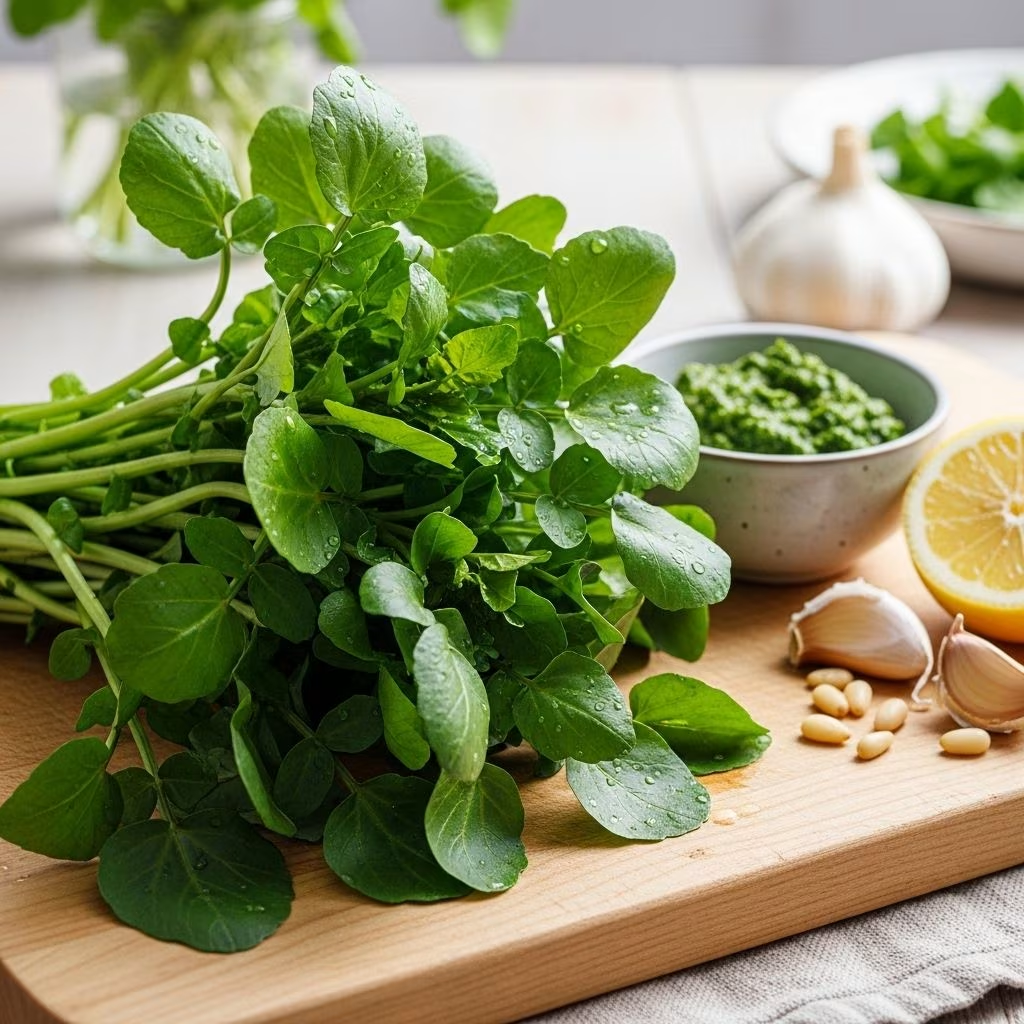
Watercress is a vibrant leafy green celebrated for its exceptional nutrient density, distinctive peppery taste, and remarkable health-promoting properties. Historically considered a weed, it is now embraced worldwide for both its culinary versatility and its ability to support well-being in a modern, balanced diet. This comprehensive guide explores what makes watercress unique, highlighting its nutritional composition, numerous benefits, delicious uses, and flavor profile.
What Is Watercress?
Watercress (Nasturtium officinale) is a fast-growing aquatic or semi-aquatic plant belonging to the Brassicaceae family—the same family as kale, cabbage, and Brussels sprouts. Traditionally found growing along streams and waterways in Europe and Asia, watercress is now cultivated around the world in moist beds, ensuring a steady supply of fresh leaves.
- It features small, round, vibrant green leaves with edible stems.
- Watercress thrives in nutrient-rich, clean water and has a long culinary history dating back to ancient Greece, Rome, and Egypt.
- It was first cultivated commercially in the UK in the early 1800s and later spread globally due to its reputation as a health-promoting food.
Origins and Botanical Classification
- Genus: Nasturtium
- Species: officinale
- Family: Brassicaceae (Mustard/Cabbage family)
Nutritional Profile of Watercress
Watercress is revered for its nutrient density, offering substantial vitamins and minerals while being very low in calories. According to the Centers for Disease Control and Prevention (CDC), it ranks as the top “powerhouse vegetable” based on its concentration of essential nutrients.
Key Nutrients (Per 1 Cup, ~34g)
| Nutrient | Value | % Daily Value |
|---|---|---|
| Calories | 4 | – |
| Carbohydrates | 0.4g | – |
| Protein | 0.8g | – |
| Fat | 0g | – |
| Fiber | 0.2g | – |
| Vitamin K | 106% | RDI |
| Vitamin C | 24% | RDI |
| Vitamin A | 22% | RDI |
| Calcium | 4% | RDI |
| Manganese | 4% | RDI |
| Potassium | 112.2mg | – |
| Iron | 0.07mg | – |
| Magnesium | 7.14mg | – |
| Sodium | 13.94mg | – |
| Folate | 3.06mcg | – |
| Vitamin E | 0.34mg | – |
| Lutein + Zeaxanthin | 1960.78mcg | – |
Summary of Nutrients
- Exceptionally high in Vitamin K, essential for blood clotting and bone health.
- Rich in Vitamin C and Vitamin A (from beta-carotene), which support immune function and vision.
- Good source of calcium, potassium, and manganese, contributing to bone and cardiovascular health.
- Contains useful amounts of iron, folate, vitamin E, thiamin, riboflavin, vitamin B6, and iodine, with very little sodium.
- Protein content is modest but higher than many other leafy greens relative to its caloric value.
Health Benefits of Watercress
Watercress provides a remarkable array of health benefits, supporting everything from bone and immune health to skin, vision, and potentially cancer prevention. Its nutritional profile makes it a valuable food for individuals seeking to enhance their diet quality.
Major Health Benefits
- Supports Bone Health: Watercress is a leading vegetable source of vitamin K, which is crucial for activating osteocalcin, a protein that promotes bone strength and maintains bone tissue. Diets high in vitamin K and mineral-rich vegetables, such as watercress, are correlated with a lower risk of osteoporosis and bone fractures.
- Boosts Immune Function: High vitamin C content promotes immune cell function and helps the body resist infections. Vitamin C also shortens the duration of cold symptoms and may reduce overall inflammation.
- Promotes Eye Health: The significant levels of vitamin A and carotenoids (lutein and zeaxanthin) aid in protecting vision, reducing risk of age-related macular degeneration and maintaining healthy mucous membranes within the eye.
- Supports Cardiovascular Health: Watercress is low in sodium and contains potassium, which helps regulate blood pressure. Its antioxidants help reduce oxidative stress, a risk factor for heart disease.
- Protects Skin: Vitamin A helps maintain healthy skin and mucous membranes, while vitamin C aids in collagen formation and damage repair.
- Cancer-Preventive Properties: Watercress contains glucosinolates and isothiocyanates—plant compounds that have shown promise in supporting cellular detoxification and reducing cancer risk in research studies. Its rich array of antioxidants may also protect against DNA damage.
- Aids in Athletic Performance: Some studies suggest watercress consumption may enhance antioxidant capacity and benefit recovery in athletes.
- May Help Weight Management: Watercress is very low in calories, fat, and carbohydrates, making it ideal for calorie-conscious diets.
Additional Benefits
- Digestive Health: Modest fiber content supports healthy digestion.
- Hydration: Over 90% water by weight, watercress aids hydration and helps maintain electrolyte balance.
Culinary Uses and Preparation
Watercress is prized for its versatility in the kitchen. It can be eaten raw, lightly cooked, or blended into sauces and soups. Its peppery, slightly spicy taste lends both flavor and texture to a wide variety of dishes.
Common Ways to Use Watercress
- Salads: Watercress adds a spicy kick to mixed salads and pairs exceptionally well with citrus, nuts, cheeses, and other greens.
- Soups: Classic watercress soup is a delicate, smooth blend of leaves, potatoes, and leeks, enjoyed hot or cold.
- Sandwiches: Watercress is a traditional filling in tea sandwiches, providing crunch and flavor.
- Smoothies: Blended watercress adds nutrients and a peppery touch to green smoothies.
- Stir-fries: Briefly sautéed watercress preserves its nutrients and can complement eggs, tofu, shrimp, or mushrooms.
- Garnish: Used to decorate plates or top cooked dishes for a vibrant, fresh look.
Preparation Tips
- Wash thoroughly to remove grit or dirt, as watercress grows in aquatic environments.
- Trim thick stems if desired, but tender stems are edible and nutritious.
- Use raw for crunch, or cook briefly to soften leaves.
Taste Profile and Pairings
Watercress is renowned for its distinctive peppery flavor, offering a spicy, slightly bitter tang that distinguishes it from milder greens like spinach or lettuce.
- The taste is strongest in mature leaves and stems, though younger shoots are milder.
- The flavor comes from natural phytonutrients, especially glucosinolates, also found in mustard greens and radishes.
Best Pairings
- Citrus fruits (orange, lemon, grapefruit)
- Soft cheeses (goat cheese, feta, brie)
- Rich meats (roast beef, smoked salmon)
- Nuts (walnuts, pecans)
- Eggs (as in omelets or frittatas)
- Root vegetables (potatoes, beets)
Selecting and Storing Watercress
To enjoy watercress at its best, it is important to select fresh, high-quality leaves and store them properly.
How to Choose Fresh Watercress
- Look for vibrant, dark green leaves that are crisp and perky.
- Avoid bunches with wilting, slimy, or yellow leaves.
- Smell should be fresh and peppery, not earthy or damp.
Storage Tips
- Refrigerate unwashed watercress in a damp paper towel inside a sealed bag. Use within 2–3 days for best flavor and nutrition.
- Do not immerse leaves in water for long periods, as they can lose nutrients and texture.
- If watercress wilts, revive briefly in ice-cold water before use.
Potential Risks and Precautions
Watercress is generally safe for most people, but certain risks should be considered.
- Bacterial Contamination: Wild watercress grown in polluted water can harbor harmful parasites or bacteria. Always purchase from reputable sources and wash thoroughly.
- Drug Interactions: Watercress contains vitamin K, which may interfere with blood-thinning medications like warfarin. Individuals on such treatments should consult their healthcare provider.
- High Oxalate Foods: In rare cases, high consumption could contribute to kidney stone risk, though watercress has a modest oxalate content compared to other greens.
Frequently Asked Questions
Q: Is watercress safe to eat raw?
Yes, watercress is commonly eaten raw and is safe as long as it comes from clean, uncontaminated sources. Always wash thoroughly before consumption.
Q: Can watercress be substituted for other greens?
Watercress can substitute for arugula, spinach, or mustard greens in most recipes, bringing its unique peppery edge.
Q: Is watercress suitable for low-calorie diets?
Absolutely. With only 4 calories per cup and zero fat, it’s ideal for weight management.
Q: Can children eat watercress?
Yes, watercress is suitable for children, but its strong flavor may be intense for picky eaters. Mixing it with milder greens can help.
Q: How much watercress should I eat?
Serving sizes typically range from one to two cups raw. Regular incorporation—as part of salads or meals—is sufficient for enjoying its health benefits.
Summary
Watercress stands out as a true nutritional powerhouse, offering substantial health benefits while adding vibrant flavor and color to meals. Its exceptional levels of vitamins K, C, and A, alongside valuable minerals and antioxidants, support bone integrity, immune function, healthy skin, and vision. Whether enjoyed in salads, soups, sandwiches, or smoothies, watercress is a tasty, versatile ingredient that can elevate both nutrition and enjoyment in everyday cooking.
References
- https://www.healthline.com/nutrition/watercress-benefits
- https://www.thewatercresscompany.com/nutritional-composition-of-watercress
- https://www.urmc.rochester.edu/encyclopedia/content?ContentTypeID=76&ContentID=11591-1
- https://foodrevolution.org/blog/watercress-health-benefits/
- https://www.medicalnewstoday.com/articles/285412
- https://nutritionfacts.org/topics/watercress/
- https://bwqualitygrowers.com/watercress/health-and-nutrition/
- https://getcurex.com/diabetes-blog/watercress-glycemic-index-nutrition-facts


