


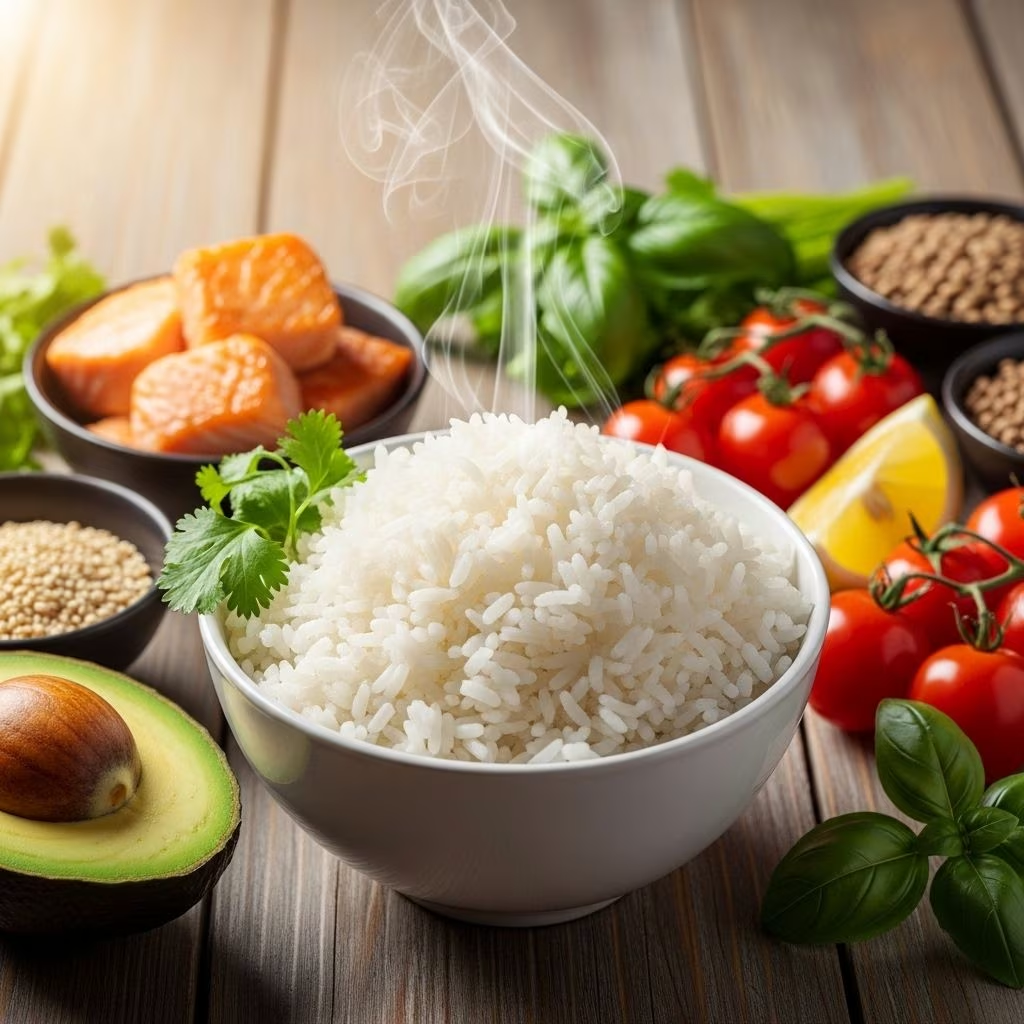
White rice is one of the world’s most widely consumed staple foods, central to diets in Asia, Latin America, Africa, and beyond. Although often debated from a nutritional perspective, white rice remains prized for its versatility, mild flavor, and long shelf life. This extensive guide explores the origins, processing, benefits, uses, nutritional composition, taste profile, and common questions about white rice.
What Is White Rice?
White rice is a refined grain produced by removing the husk, bran, and germ from the whole rice kernel, leaving behind the starchy endosperm. This process gives white rice its characteristic smooth texture, bright white color, and mild flavor.
White rice is the dietary foundation for billions worldwide, providing a major source of calories and energy, especially in Asia, where it is eaten daily by many.
Parts of the Rice Grain
- Husk (Hull): The inedible outer shell removed during initial processing.
- Bran: The fiber-rich outer layer containing B vitamins, minerals, and antioxidants (removed in white rice).
- Germ: The nutrient-dense core supplying healthy fats, essential minerals, and vitamins (removed in white rice).
- Endosperm: The starch-rich interior that forms the entirety of white rice grains after processing.
Global Importance
Rice, including white rice, is believed to have originated in Asia thousands of years ago and is now cultivated in tropical and subtropical climates around the globe. It feeds over half the world’s population and is deeply embedded in regional food cultures and traditions.
How White Rice Is Processed
The transformation of raw rice into white rice involves several stages:
- Harvesting: Mature rice is collected from the fields.
- Threshing: The grains are separated from plant stalks.
- Hulling: The tough outer husk is removed, resulting in brown rice.
- Milling (Polishing): Additional machines strip away the bran and germ, creating smooth, shiny white rice grains.
This process not only changes the rice’s appearance but also its cooking properties, digestibility, and nutrient content.
- Storage Life: Removal of the bran and germ extends shelf life by eliminating oils that can spoil.
- Cooking: White rice cooks faster and absorbs flavors more readily due to its simple, starchy structure.
- Texture: Milling produces a softer, less chewy texture compared to brown rice.
Nutritional Profile of White Rice
The refining process of white rice removes much of the fiber, vitamins, minerals, and beneficial plant compounds naturally present in whole grain rice. However, in many countries, white rice is enriched with some of these nutrients after processing.
| Nutrient | White Rice (Unenriched) | White Rice (Enriched) | Brown Rice |
|---|---|---|---|
| Calories | 123 | 123 | 111 |
| Protein (g) | 2.9 | 2.9 | 2.6 |
| Carbohydrates (g) | 30 | 26 | 23 |
| Fat (g) | 0.4 | 0.4 | 0.9 |
| Fiber (g) | 0.9 | 0.9 | 1.8 |
| Iron (% RDI) | 1% | 10% | 2% |
| Folate (% RDI) | 1% | 20% | 1% |
| Thiamine (% RDI) | 5% | 14% | 6% |
| Manganese (% RDI) | 18% | 18% | 45% |
| Selenium (% RDI) | 13% | 13% | 14% |
| Niacin (% RDI) | 12% | 12% | 8% |
Enrichment typically adds back nutrients such as iron, folic acid, niacin, and thiamine that are lost during milling. White rice is generally lower in fiber and micronutrients than brown rice, though it remains a good source of digestible carbohydrates.
Benefits of White Rice
- Digestibility: Easy to digest due to low fiber content; suitable for sensitive stomachs or after illness.
- Energy Source: Provides quick, easily-absorbed carbohydrates, ideal for athletes and physically active individuals.
- Long Shelf Life: Low oil content means white rice is less likely to spoil, allowing for extended storage.
- Versatility: Pairs well with diverse cuisines and adapts to countless recipes due to its mild and neutral taste.
- Gluten-Free: Natural rice is gluten-free and can be included in gluten-restricted diets.
- Enrichment (where available): Enriched white rice can help prevent certain nutrient deficiencies (e.g., neural tube defects via added folic acid).
White Rice vs. Brown Rice
| Aspect | White Rice | Brown Rice |
|---|---|---|
| Processing | Bran and germ removed | Bran and germ retained |
| Fiber Content | Lower | Higher |
| Flavor Profile | Mild, neutral | Nuttier, chewier |
| Nutritional Content | Lower in some vitamins/minerals (unless enriched) | Higher in B vitamins, magnesium, fiber, and antioxidants |
| Shelf Life | Long (less oil) | Shorter (can go rancid) |
| Cooking Time | Shorter | Longer |
| Glycemic Index | Higher | Lower |
While brown rice is often praised for its nutrient density, white rice remains popular because of its ease of preparation, digestibility, and texture. Many cultures prefer white rice for its visual appeal and role in traditional dishes.
Culinary Uses of White Rice
White rice shines in a remarkable array of cuisines owing to its adaptable nature and smooth texture. Key culinary uses include:
- Main course accompaniment: Essential with curries, stir-fries, roasted meats, stews, beans, and vegetables.
- Base for rice bowls: Sushi, poke, donburi, and similar Asian-style bowls.
- Starch component in soups and casseroles: Chicken and rice soup, rice pilafs, and casseroles.
- Stuffings: Used in vegetables like peppers, tomatoes, or vine leaves.
- Desserts: Rice pudding, kheer, and other sweet rice-based treats.
- Breakfasts: Congee (Asian rice porridge), rice pancakes, and other traditional morning foods.
Popular types of white rice include long grain (e.g., Basmati, Jasmine), medium grain (e.g., Calrose), and short grain (e.g., sushi rice). Each type behaves differently when cooked, lending itself to various preparations from fluffy pilafs to sticky sushi rolls.
Taste and Texture of White Rice
The taste of white rice is subtle and slightly sweet, making it adaptable to both savory and sweet recipes. Its texture is generally soft and tender, though varying by grain length and cooking style:
- Long grain white rice: Light, fluffy, and separate grains when cooked (e.g., Basmati, Jasmine).
- Medium grain white rice: Slightly moist and tender, holds together well.
- Short grain (e.g., sushi rice): Sticky, glossy, and chewy, ideal for compact dishes like sushi.
The neutral flavor lets white rice absorb spices, sauces, and broths, serving as a perfect canvas for complex dishes from every continent.
Potential Concerns and Considerations
- Lower Nutrient Density: Due to the removal of the bran and germ, white rice is naturally lower in certain vitamins, minerals, fiber, and antioxidants. Its enrichment can help, but it typically remains less nutritious than whole grain brown rice.
- High Glycemic Index: White rice’s carbohydrates are rapidly absorbed, leading to quick increases in blood sugar. This can be a concern for people with diabetes or those managing blood sugar levels.
- Possible Nutrient Deficiency (unenriched rice): Reliance on unenriched white rice as a staple can contribute to deficiencies such as beriberi (thiamine deficiency).
- Arsenic Content: Like all rice, white rice can accumulate arsenic if grown in contaminated soils, but amounts can be minimized by using excess water when cooking and draining it off (not unique to white rice).
- Respect for Dietary Needs: While ideal for some (digestive recovery, gluten intolerance, allergies), others may benefit more from higher-fiber whole grains.
Frequently Asked Questions (FAQs)
Q: Is white rice healthier than brown rice?
A: Brown rice retains more fiber and nutrients, while white rice is easier to digest and often enriched with basic vitamins and iron. Both can be healthy, depending on individual dietary needs and context.
Q: Why do some people prefer white rice over brown rice?
A: White rice has a milder taste, softer texture, cooks faster, and has a longer shelf life. Its subtle flavor blends well with many dishes and is less likely to overpower other ingredients.
Q: Is enriched white rice a good source of nutrients?
A: Enriched white rice contains added iron, folic acid, and some B vitamins. However, it is still lower in fiber and some minerals compared to brown rice.
Q: Does white rice cause weight gain?
A: White rice is calorie-dense, but in moderation and as part of a balanced diet, it is not likely to cause weight gain. Overconsumption of any calorie-rich food can contribute to weight gain.
Q: How can I make white rice healthier?
A: Pair white rice with high-fiber, protein-rich, and colorful foods (e.g., beans, vegetables, lean meats) to increase overall nutrition and slow the release of carbohydrates. Cook rice in extra water and drain for lower arsenic content.
Q: Is it OK to eat white rice every day?
A: Many cultures have eaten white rice daily for centuries. For most people, moderate consumption in a varied diet is safe, especially with enriched rice. If you have diabetes or a metabolic disorder, consult a healthcare provider about portion sizes and carbohydrate intake.
Key Takeaways
- White rice is a refined, staple grain with a mild flavor, prized for its versatility and ease of cooking.
- It contains fewer natural nutrients than brown rice, but enrichment restores some vitamins and minerals lost in processing.
- White rice’s digestibility, long storage life, and neutral taste make it foundational to countless cuisines and diets globally.
- Moderation, enrichment status, and variety in the diet are key for optimal health when white rice is consumed frequently.
References
- https://kids.kiddle.co/White_rice
- https://en.wikipedia.org/wiki/White_rice
- https://castorriverfarms.com/blogs/soil-health/the-difference-between-white-and-brown-rice
- https://www.healthline.com/nutrition/is-white-rice-bad-for-you
- https://www.merriam-webster.com/dictionary/white%20rice
- https://nutritionsource.hsph.harvard.edu/food-features/rice/
- https://www.webstaurantstore.com/guide/658/types-of-rice.html
- https://www.usarice.com/docs/default-source/thinkrice/rice-in-the-culinary-classroom/part_ii_all_about_rice.pdf?sfvrsn=3fd28d_12


