


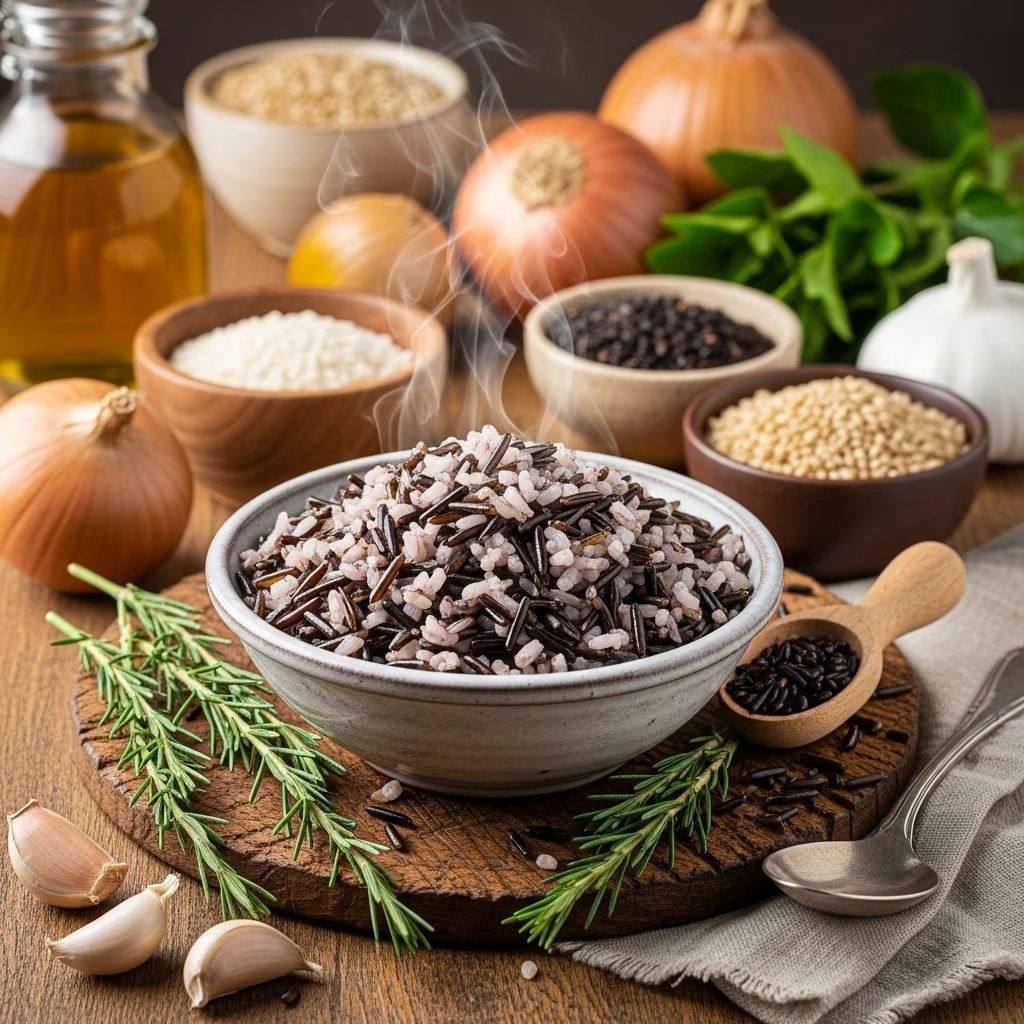
Wild rice, a cherished aquatic grain with a long history among native peoples, has gained global attention for its rich nutritional profile, distinctive taste, and versatile culinary uses. Dense with protein, fiber, antioxidants, and minerals, this grain is often heralded as a ‘superfood’ and stands apart from conventional rice varieties in both botany and heritage.
Origins and Botany of Wild Rice
Despite its name, wild rice is not biologically a true rice. Rather, it comprises the seeds of several species of grass in the genus Zizania, native to North America and parts of Asia. Unlike the more familiar Oryza sativa (Asian rice), wild rice grows naturally in shallow, slow-moving waters—particularly lakes, streams, and marshes—with most North American species thriving in the Great Lakes region and throughout parts of Canada and the United States.
Archaeological and oral histories identify wild rice, known as manoomin to the Ojibwe and other Native communities, as a staple harvested for centuries. Its role extended beyond sustenance, featuring in spiritual traditions and local economies. Traditionally, indigenous people collected wild rice by canoe, gently knocking ripe seeds into their boats using long sticks—a labor-intensive method that preserves both grain and plant for future harvests.
Wild Rice Varieties and Species
There are several wild rice species belonging to the genus Zizania:
- Northern wild rice (Zizania palustris): Native to the Great Lakes region and Canada; the most widely consumed species in the US.
- Southern wild rice (Zizania aquatica): Found along the Saint Lawrence River, Atlantic, and Gulf Coasts of the US.
- Texas wild rice (Zizania texana): A rare, endangered perennial native only to the San Marcos River in Texas.
- Manchurian wild rice (Zizania latifolia): Native to China; primarily valued for its stems as a vegetable.
These species vary by habitat, grain appearance, and use. Northern wild rice dominates commercial and culinary markets for its superior grain size and flavor profile.
Appearance and Distinguishing Features
Wild rice grains are visually striking: long, slender, and ranging in color from brownish-black to deep purplish-black once dried. In their fresh, mature state, grains appear lighter (yellow to red), but the drying and curing process imparts their signature dark hue. The grains themselves are encased in a chewy outer sheath with a tender, starchy interior.
- Grain length: Often longer and thinner than typical rice.
- Color: Dark brown to black after processing; lighter hues when fresh.
- Plant height: Wild rice plants reach between 1 to 3 meters (3.3–10 feet), with roots anchored in muddy lakebeds and flower heads protruding above water’s surface.
Nutritional Profile of Wild Rice
Wild rice boasts a remarkable array of nutrients, making it one of the most nutrient-dense grains available. Here is a typical breakdown per 100 grams of cooked wild rice:
| Nutrient | Amount per 100 grams (cooked) |
|---|---|
| Calories | 100 kcal |
| Protein | 4 grams |
| Fiber | 3 grams |
| Carbohydrates | 21 grams |
| Fat | 0.5 grams |
| Iron | 1.5 mg (8% DV) |
| Magnesium | 32 mg (8% DV) |
| Potassium | 166 mg (5% DV) |
| Antioxidants | High (anthocyanins, polyphenols) |
Wild rice is naturally gluten-free and low in fat, yet notably high in both protein and dietary fiber compared to white, brown, or basmati rice. Its color signals a concentration of antioxidative compounds, including anthocyanins, the same pigments found in blueberries and blackberries.
Health Benefits of Wild Rice
- High in Antioxidants: Wild rice’s dark color signifies an abundance of anthocyanins and phenolic compounds, which help neutralize harmful free radicals and reduce oxidative stress in the body.
- Rich in Protein: With roughly 4 grams of protein per cooked 100 grams, wild rice provides more protein than most conventional grains, helping support muscle health and satiety.
- Excellent Source of Dietary Fiber: Its fiber content aids digestion, supports healthy cholesterol levels, and contributes to longer-lasting fullness, supporting weight management efforts.
- Mineral Dense: Supplies essential minerals, including iron, magnesium, and potassium, promoting robust energy metabolism, bone strength, and cardiovascular health.
- Gluten-Free and Low Allergens: Well-tolerated by those with gluten sensitivities or celiac disease; a safe, whole-food carbohydrate option.
- Low Calorie Density: Wild rice is filling yet relatively low in calories, making it suitable for balanced and calorie-conscious diets.
Culinary Uses of Wild Rice
Wild rice’s robust nature, chewy texture, and earthy flavor make it a versatile ingredient in both traditional and modern kitchens. It is embraced in cuisines for a variety of uses:
- Rice Pilafs and Salads: Adds depth and contrast to pilafs when mixed with white or brown rice. Its texture shines in grain salads, providing a toothsome bite.
- Hearty Soups and Stews: Maintains its structure well when simmered in broths, pairing favorably with mushrooms, poultry, and root vegetables.
- Stuffings: Popular as a stuffing base for poultry, squash, or peppers. Blends well with nuts, dried fruits, and aromatic herbs.
- Skillet Dishes and Stir-Fries: Works well in grain bowls, stir-fries, or one-pan meals due to its resistance to becoming mushy.
- Baked Goods: Finely chopped or cooked wild rice is sometimes incorporated into breads, muffins, or pancakes for added nutrition and texture.
- Breakfast Porridge: Simmered with milk or non-dairy milk, wild rice becomes a warm, hearty breakfast option topped with fruits and nuts.
Wild rice can be used alone or combined with other grains to enhance the flavor, color, and nutritional profile of dishes. Its unique chewiness also allows it to stand out in vegetarian and vegan preparations.
Taste and Texture of Wild Rice
Wild rice is appreciated for its earthy, nutty flavor and satisfying chew. It possesses:
- A pronounced, toasty aroma reminiscent of roasted nuts and black tea.
- A chewy outer husk with a tender, starchy core, offering a distinctive bite not found in softer white or brown rice.
- Slightly vegetal or grassy notes, especially when freshly prepared.
This combination of flavor and texture lends wild rice to both sweet and savory preparations and makes it a popular ingredient in upscale and health-conscious cuisines.
Cooking Methods and Tips
While delicious, wild rice requires longer cooking times and slightly different handling than conventional rice:
- Washing: Always rinse wild rice thoroughly under running water to remove debris and excess starch.
- Water Ratio: Use more water than regular rice (typically 3:1 or 4:1 water to rice) as wild rice does not absorb all the liquid; excess water can be drained after cooking.
- Cooking Time: Simmer for 40 to 60 minutes, or until most grains burst open and have a tender core. Reduce cooking time by soaking for a few hours beforehand.
- Flavor Pairings: Enhance with bay leaves, garlic, onions, and stock, or toast the dry grains briefly before boiling to intensify the nutty notes.
- Storage: Cooked wild rice keeps well in the refrigerator for up to a week and can be frozen for later use in soups and salads.
Environmental and Cultural Significance
Wild rice is a keystone species in many freshwater ecosystems:
- Provides critical sustenance for migratory waterfowl and aquatic wildlife, especially in North America’s lakes and streams.
- Supports biodiversity in wetland environments by forming dense plant clusters that benefit surrounding flora and fauna.
- Faces ongoing threats from habitat loss, pollution, fluctuating water levels, and invasive species; conservation and sustainable harvesting practices are vital for its preservation.
- Continues to play a central role in Native American spiritual life, food security, and cultural ceremonies, upheld as a sacred grain known as manoomin by Anishinaabe and other Indigenous peoples.
Efforts to restore wild rice habitats and traditional harvesting methods help maintain natural populations and uphold cultural traditions.
Frequently Asked Questions (FAQs)
Is wild rice gluten-free?
Yes, wild rice is naturally gluten-free and suitable for those with gluten intolerance or celiac disease.
How do I store wild rice?
Uncooked wild rice should be kept in a cool, dry place in an airtight container. Cooked wild rice can be refrigerated for up to one week or frozen for several months without loss of flavor or texture.
Is wild rice healthier than brown or white rice?
Wild rice is higher in protein, antioxidants, and fiber compared to white rice and offers more nutrients than brown rice, making it a more nutrient-dense choice overall.
Why does wild rice cost more than regular rice?
Its higher price reflects the labor-intensive hand-harvesting, limited natural habitat, and lower yields compared to conventionally farmed rice varieties.
What is the best way to prepare wild rice for salads?
Cook wild rice until tender but chewy, drain thoroughly, and toss with olive oil or other dressings. Allow it to cool before adding fresh vegetables, nuts, and herbs for best texture.
Is all store-bought wild rice truly wild?
Not always. Commercial “wild rice” may include grains cultivated in managed paddies rather than hand-harvested from wild stands. Read packaging for details if traditional wild-harvested rice is desired.
References
- https://naturevalleyuae.com/what-is-wild-rice/
- https://www.fws.gov/story/minnesotas-wild-grain
- https://en.wikipedia.org/wiki/Wild_rice
- https://www.britannica.com/plant/wild-rice
- https://corn.aae.wisc.edu/Crops/WildRice.aspx
- https://www.dnr.state.mn.us/aquatic_plants/emergent_plants/wildrice.html
- https://www.edenfoods.com/articles/view.php?articles_id=323&rtn=1
- https://www.naturalheritage.state.pa.us/factsheet.aspx?=15755


