


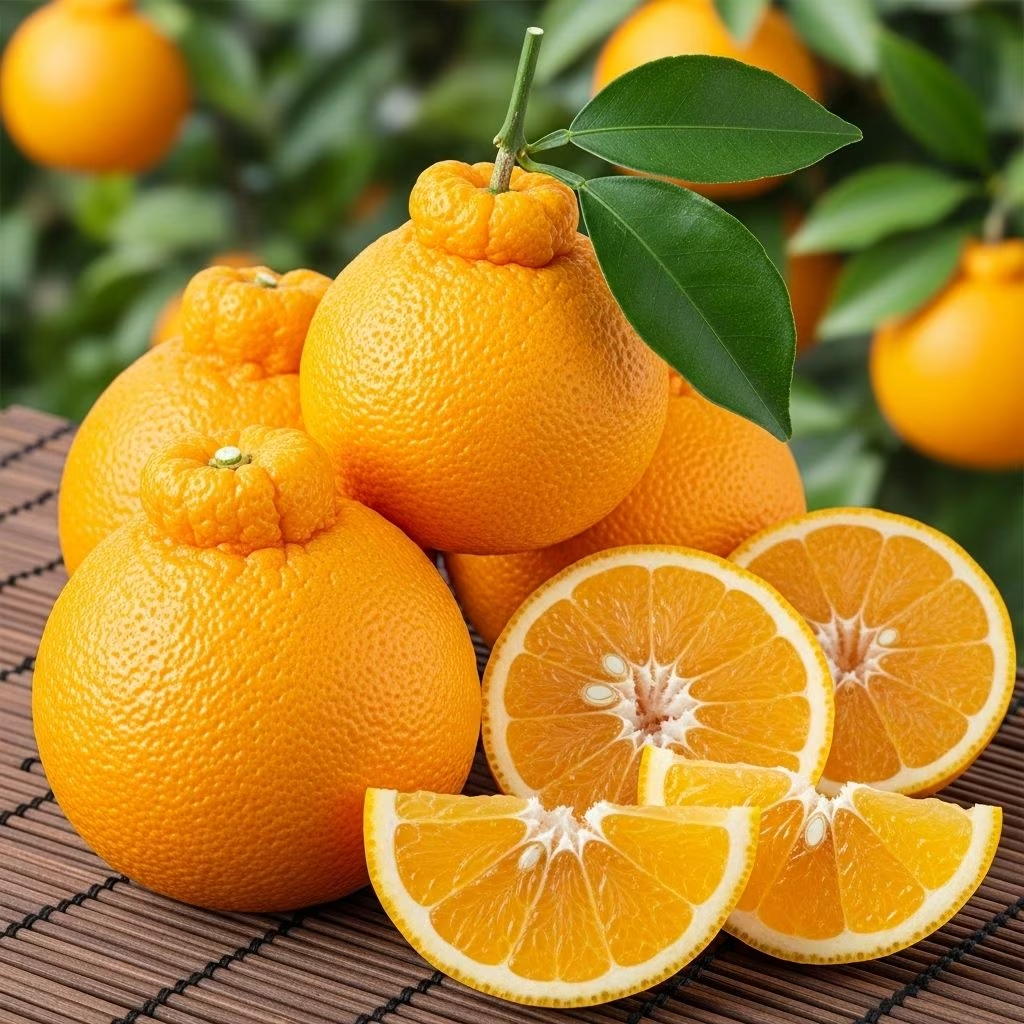
Iyokan (伊予柑), also known as Citrus × iyo, is a celebrated Japanese citrus fruit distinguished by its radiant color, nuanced flavor, and cultural importance. This article explores everything you need to know about Iyokan: from its botanical roots and nutritional profile, to its versatile culinary applications and the complex flavors that have earned it a cherished place in Japan’s citrus heritage.
Origins and History of Iyokan
Iyokan is an iconic Japanese citrus with a relatively recent yet thoroughly documented origin story. Discovered as a natural mutation in 1886 by Masamichi Nakamura in Yamaguchi Prefecture, the fruit was introduced into Ehime Prefecture three years later by Yasunori Miyoshi. Its regional symbolism stems from the fact that ‘Iyo’ is the old name of the Ehime region, hence the name ‘Iyokan’—meaning “citrus of Iyo.”
Originally marketed as ‘Iyo mikan,’ the fruit was renamed to ‘Iyokan’ in 1930 to reduce confusion with the widely popular Unshū mikan. Since then, Iyokan has become the second most widely produced citrus fruit in Japan, only surpassed by the Satsuma mandarin (Citrus unshiu). Modern production remains centered in Ehime, which now produces around 90% of Japan’s annual Iyokan supply.
Botanical Characteristics and Varieties
Classified botanically as a hybrid (Citrus × iyo), Iyokan is a tangor—a mandarin-orange hybrid—born from the crossing of Kaikokan (seed parent) and Dancy tangerine (pollen parent). It is a member of the Rutaceae family.
- Size & Shape: Medium to large (8–10 cm diameter), oblate to oval with glossy, vibrant orange skin.
- Peel: Semi-thick but easily peeled by hand; surface is smooth, shiny, and sometimes stained crimson.
- Pith & Segments: Thin layer of bitter white pith beneath the peel; 9–10 segments of flesh separated by thin membranes.
- Flesh: Juicy, with large vesicles; mostly seedless with occasional small seeds.
Iyokan comes in two principal types:
- Original Iyokan (Anatō mikan): The earliest natural mutation, slightly thicker-skinned.
- Miyauchi Iyokan: A later sport with a thinner skin, representing the majority of commercial production today.
Nutritional Benefits of Iyokan
Like other citrus fruits, Iyokan is prized not only for its flavor, but also for its impressive nutritional content. A typical 100-gram serving provides:
- Vitamin C: Essential for immune function, skin health, and antioxidant defense.
- Dietary Fiber: Contributes to digestive health and satiety.
- Pectin: Found in the peel and pith, may help lower cholesterol and regulate blood sugar.
- Potassium: Important for heart health and cellular function.
- Low Calories: Iyokan is a light, hydrating snack fruit.
Though exact nutritional breakdowns may vary, Iyokan generally compares favorably to other citrus, especially in vitamin C and water content.
Health Benefits
Regular consumption of Iyokan offers a collection of scientifically supported health benefits:
- Immune System Boost: The rich vitamin C content aids in protecting against common colds and promotes tissue repair.
- Heart Health: Potassium supports healthy blood pressure, while soluble fiber and pectin contribute to cholesterol reduction.
- Antioxidant Action: Vitamin C and plant compounds in Iyokan help combat oxidative stress.
- Digestive Health: High fiber content helps regulate bowel movements and fosters a healthy gut.
- Skin Health: Vitamins and antioxidants play a role in maintaining healthy, youthful skin and may help prevent skin aging.
- Hydration: With its juicy flesh and high water content, Iyokan is an excellent hydrating snack.
Culinary Uses of Iyokan
Iyokan is treasured in Japanese cuisine for its striking flavor, ease of use, and aromatic zest. It is primarily eaten fresh but also finds its way into a variety of culinary and beverage applications.
- Fresh Eating: Iyokan is most commonly eaten out of hand as a snack or dessert fruit. The segments can be easily separated and enjoyed individually.
- Juices: The fruit’s abundance of juice makes it a popular ingredient for fresh-squeezed beverages, smoothies, and cocktails.
- Salads: Its sweet-tart balance lifts fruit and green salads, pairing well with sprouts, leafy greens, or other citrus segments.
- Desserts: Iyokan zest and juice flavor cakes, sorbets, puddings, and traditional Japanese wagashi sweets.
- Preserves & Jams: Used in marmalades and jams due to its pectin-rich peel and tangy flavor.
- Savory Dishes: The zest adds fragrance to sauces, dressings, and grilled seafood.
- Beverage Garnish: Iyokan peel is often used for aromatic garnish in cocktails and mocktails.
Some unusual culinary uses have developed in Japan, such as adding Iyokan peels to fish feed to minimize undesirable fishy flavors, as well as seasonal flavorings in snacks like the limited-edition Iyokan-flavored KitKat.
What Does Iyokan Taste Like?
Iyokan offers a taste experience that balances the best qualities of both mandarin and sweet orange. Key flavor attributes are:
- Sweetness: High natural sugar content gives Iyokan a prominent sweet undertone, though slightly less than a typical mikan.
- Tartness: A distinct but not overpowering sourness enlivens the palate, making Iyokan taste refreshing rather than cloying.
- Bitterness: A subtle, pleasant bitterness that gives complexity, but not as sharp as that found in grapefruit.
- Aromatic Intensity: The peel emits a strong, almost floral citrus fragrance; the flesh mirrors this aromatic quality with each bite.
- Texture: Segments are juicy and tender, with a delicate, aqueous consistency.
| Citrus | Sweetness | Acidity | Aroma | Texture |
|---|---|---|---|---|
| Iyokan | Moderate-High | Moderate | Strong, floral, citrusy | Juicy, tender, mostly seedless |
| Mikan (Satsuma) | High | Mild | Mild, sweet | Very tender, seedless |
| Grapefruit | Low-Moderate | High | Pungent, bitter | Firm, juicy, seeds common |
Cultural Significance in Japan
Iyokan is deeply woven into Ehime’s agricultural identity and Japanese popular culture:
- Regional Symbol: Iyokan is a celebrated local product of Ehime; its name and image frequently appear in local souvenirs and media.
- Gift & Luck: Some Iyokan are grown into pentagonally-shaped fruits called “Gokaku no Iyokan” and are gifted to wish students good luck in exams. The shape promotes the image of “success” and “well-roundedness”.
- Marketing & Language: The word “iyokan” is a near-homophone for “good feeling” in Japanese, so it’s also synonymous with happiness and positivity in marketing campaigns.
- Popular Products: Limited-edition seasonal snacks, such as KitKats, and drinks featuring Iyokan are common, especially during winter and spring.
How to Select and Eat Iyokan
- Season: Available mainly in winter (December to March).
- Selection Tips: Choose fruits with firm, heavy feel and bright, glossy skin without soft spots or blemishes.
- Storage: Iyokan keep well at cool room temperature for up to a week or refrigerated for up to two weeks.
- How to Eat: Score and peel by hand as you would a mandarin. Separate segments and enjoy fresh, or juice them for beverages and cuisine.
Iyokan vs. Other Japanese Citrus Fruits
Japan boasts a diverse range of citrus, including yuzu, mikan, and amanatsu. Iyokan stands out for:
- Larger size and more complex taste than the much-loved mikan.
- Balance of sweetness and tartness—less sweet than mikan, more palatable for some than tart grapefruit or yuzu.
- Ease of peeling—more convenient than oranges with thick pith, quicker to enjoy fresh.
- Striking color and aroma—its radiance and fragrance are more pronounced than many other Japanese citrus varieties.
Frequently Asked Questions (FAQs)
Q: What is Iyokan most similar to in taste?
A: Its balance of sweet and sour is closest to a blend of mandarin and orange, but with a tangier, more aromatic fragrance and a subtle bitterness not found in typical mandarins.
Q: Is Iyokan available outside Japan?
A: Rarely. Iyokan is grown almost exclusively in Japan, especially Ehime Prefecture. Small quantities may appear seasonally at specialty Asian grocery stores abroad.
Q: Can you eat Iyokan skin or zest?
A: While the thick skin is not typically eaten whole, the zest is prized for its intense flavor and aroma in desserts, sauces, and cocktails. Only consume zest from Iyokan labeled safe for culinary use.
Q: Is Iyokan better for eating fresh or juicing?
A: Both. Its juicy segments are ideal for eating fresh, while its high juice yield and aromatic profile also lend beautifully to drinks and food preparations.
Q: Are Iyokan oranges seedless?
A: Most commercial varieties are nearly seedless, though you might occasionally find a few small seeds.
Q: How do you pronounce “Iyokan”?
A: It is pronounced as “ee-yo-kahn” with emphasis on the first syllable.
Conclusion
Iyokan is a standout among Japanese citrus: visually vibrant, exquisitely aromatic, and dramatically flavorful. Its balance of sweetness, acidity, and subtle bitterness, coupled with its nutritional benefits and cultural significance, make it not only a delight for the palate but a symbol of seasonal luxury and good fortune in Japan. Whether enjoyed fresh, juiced, or as a culinary accent, Iyokan offers a uniquely Japanese citrus experience worth seeking out.
References
- https://specialtyproduce.com/produce/Iyokan_Oranges_22370.php
- https://en.wikipedia.org/wiki/Iyokan
- https://www.nomunication.jp/2017/12/20/iyosa/
- https://ryukoch.com/en/basics/iyokan-citrus
- https://tenposstar.com/en/articles/r/1936
- https://kokorocares.com/blogs/blog/the-many-citrus-fruits-of-japan
- https://kids.kiddle.co/Iyokan
- https://www.takasago.com/en/rd/times/vol2.html
- https://www.nomunication.jp/2017/01/14/iyokan-cocktails/


