


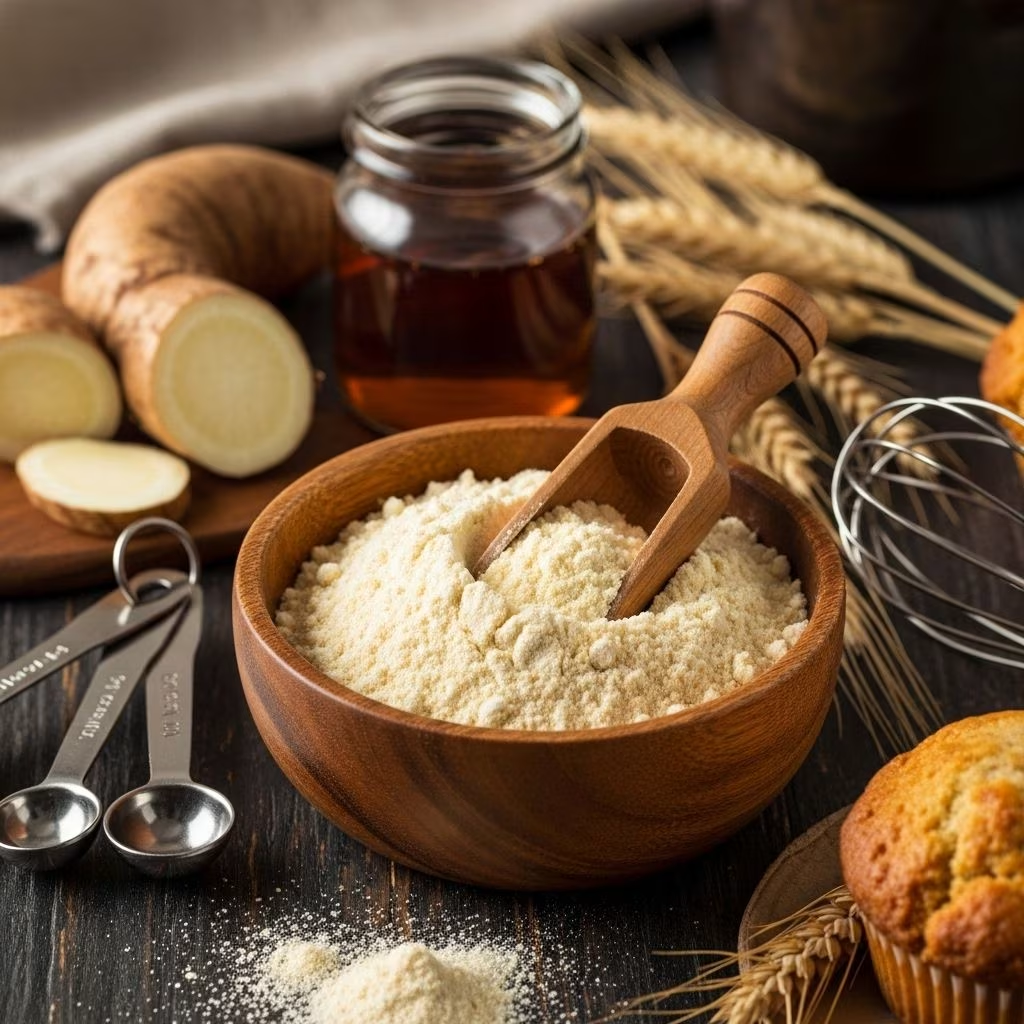
Yacón Flour: Comprehensive Guide to Baking Uses, Substitutes, and Nutrition
Yacón flour, derived from the tuberous roots of the Smallanthus sonchifolius plant native to the Andes region, is gaining recognition in healthy baking circles for its distinct nutrition, versatility in recipes, and subtle sweet flavor. This guide explores all aspects of yacón flour: from its baking applications and substitution options to its nutritional profile and health benefits.
Introduction to Yacón Flour
Yacón flour is a naturally gluten-free powder produced by drying and grinding yacón roots, which are celebrated for their mild sweetness and crisp texture. Used traditionally in South American cuisines, yacón has recently emerged as a functional ingredient in modern healthy baking, preferred by those seeking alternatives to refined grains and sugars.
Origin and Processing
- Origin: Yacón is a perennial plant native to the high valleys of the Andes in Peru and Bolivia. The tubers are cultivated for their nutritious properties and sweet taste reminiscent of apples and water chestnuts.
- Harvesting: The tubers are dug up when mature, usually in the late summer or autumn season.
- Processing: Roots are washed, peeled, sliced, and dried at low temperatures to preserve prebiotic fibers before being finely ground into flour.
- Flavor: Offers delicate, slightly fruity notes with a hint of molasses, making it a versatile ingredient in sweet and savory recipes.
Nutritional Profile of Yacón Flour
| Nutrient | Per 100g | Health Effect |
|---|---|---|
| Calories | ~135 kcal | Low energy density due to high water content of tuber |
| Carbohydrates | ~35 g | Contains fructooligosaccharides (FOS), a prebiotic fiber |
| Dietary Fiber | ~20 g | Promotes gut health; moderates blood sugar |
| Protein | ~2 g | Low, like most root vegetable flours |
| Fat | <1 g | Negligible |
| Glycemic Index | Low | Suitable for diabetics, does not spike blood sugar |
Yacón flour’s dominant carbohydrate is fructooligosaccharide (FOS), a type of soluble fiber that resists digestion and acts as a prebiotic, feeding beneficial gut bacteria. This unique profile sets yacón apart from flours derived from grains or root vegetables with higher digestible sugar content.
Health Benefits of Yacón Flour
- Prebiotic Power: FOS in yacón flour stimulates growth of Lactobacillus and Bifidobacterium in the gut, supporting immune function and digestive health.
- Blood Sugar Management: The low glycemic index makes it suitable for people managing diabetes or insulin resistance, as it does not cause sharp rises in blood glucose levels.
- Weight Control: High fiber content promotes satiety and can help in weight control regimens.
- Nutrient Density: Minor micronutrients in yacón tuber—such as potassium, antioxidants, and vitamin C—may be present in the flour.
- Gluten-Free: Ideal for those following gluten-free diets for celiac disease or wheat intolerance.
Baking Uses and Techniques
Yacón flour’s sweet, mild flavor and fine texture make it ideal for a variety of baked goods. However, its high fiber and water-absorbing properties mean it works best in specific techniques and combinations.
Common Baking Applications
- Cakes & Muffins: Works well as part of the flour blend, especially in recipes that call for moistness and subtle sweetness. Yacón and date cake is an example combining natural sweetness and fiber.
- Cookies: Substitutes for part of the flour in gluten-free cookies, or pairs with yacón syrup as a molasses/brown sugar alternative.
- Breads: Can be blended with other gluten-free flours for fiber-enriched loaves; best paired with binding agents.
- Bars & Fudge: Adds nutrition and sweetness to no-bake treats and energy bars; popular in raw desserts.
- Pancakes & Waffles: Brings subtle flavor and fiber to breakfast classics.
Unique Properties When Baking
- Moisture Retention: Yacón flour absorbs moisture well, resulting in dense, moist baked goods—superb for cakes and brownies but sometimes less suitable for delicate pastries.
- Mild Sweetness: Its sweetness can reduce the need for added sugar in recipes, possibly allowing partial substitutions for sweeteners.
- Temperature Sensitivity: Yacón’s prebiotic fibers begin to break down above 120°C (about 248°F); baking at moderate temperatures is preferable for retaining health benefits.
Substitutes for Yacón Flour
If yacón flour is unavailable, the following alternatives can be used with some adjustments:
- Chicory Root Flour: Similar prebiotic fiber content (inulin), comparable sweetness, and suitable for gluten-free diets.
- Jerusalem Artichoke Flour: Another tuber containing inulin; mild flavor and fiber-rich.
- Coconut Flour: High fiber and gluten-free, though drier and absorbs more liquid—reduce quantity by 25% compared to yacón flour and add extra liquids.
- Almond Flour: Offers moisture and protein; ideal in blends with yacón flour; not naturally sweet.
- Oat Flour (Gluten-Free): Provides structure and mild sweetness, but higher starch and less prebiotic fiber.
Sweetener Substitutes Related to Yacón
- Yacón Syrup: Functions as a molasses or brown sugar alternative due to similar taste profile; suitable for cookies and cakes.
- Honey, Maple Syrup, or Agave: Can substitute for yacón syrup for moisture and sweetness, though with higher glycemic effect.
- Date Paste: High in natural sugars and fiber, ideal for sugar-free baking.
Popular Recipes Featuring Yacón Flour
Below are examples of successful and delicious yacón flour bakes:
Yacón and Date Cake
- 300g yacón, 200g dates, 200g vegan spread, 50g olive oil, 300g almond meal, 1 tsp baking powder, 1 tsp cinnamon, pinch salt
- Blend ingredients, bake at 180°C for 25 minutes
- Result: Moist, sweet, and gluten-free, with additional fiber and mild fruity flavor
Gluten-Free Chocolate Chip Cookies with Yacón Syrup
- 2½ cups blanched almond flour, ½ tsp sea salt, ½ tsp baking soda, ½ cup grapeseed oil, 1 tbsp vanilla, ½ cup yacón syrup, 1 cup chocolate chips
- Bake at 350°F for 7-10 minutes
- Uses yacón syrup for sweetness, imparting brown sugar/molasses notes to the cookie
Raw Yacón Fudge
- White almond butter, cacao butter, coconut oil, yacón powder, vanilla, rock salt, flower petals
- Melt and mix ingredients below 120°C, set in fridge, enjoy a fiber-rich, prebiotic-packed treat
Tips for Successful Baking
- Combine Flours: Blend yacón flour with almond, coconut, or chickpea flour to balance texture and flavor.
- Increase Binding Agents: Consider adding eggs (or flaxseed meal for vegan bakes), as yacón flour on its own can result in crumbly textures due to high fiber.
- Adjust Liquids: Yacón flour absorbs more liquid; increase water, milk, or fat for moist cakes and muffins.
- Bake at Moderate Temperatures: Keep oven below 120°C if you want to maximize prebiotic benefits; otherwise, higher temperatures will still yield good flavor but reduce some health properties.
- Storage: Store baked goods containing yacón flour in the fridge for optimal freshness, especially raw treats.
Frequently Asked Questions (FAQs)
Q: Can yacón flour be used alone as a substitute for wheat flour?
A: Yacón flour works best in flour blends due to its high fiber and moisture content. For best results, substitute up to 20–30% of the total flour in a recipe.
Q: Is yacón flour suitable for diabetics?
A: Yes, yacón flour’s low glycemic index and prebiotic fiber make it ideal for stabilized blood sugar levels.
Q: Does yacón flour taste sweet?
A: It has a subtle, mild sweetness and a faint fruity, molasses-like note, making it ideal for sweetening recipes naturally.
Q: Is yacón flour gluten-free?
A: Absolutely. Yacón flour contains no gluten and suits celiac or gluten-sensitive diets.
Q: Where can I buy yacón flour?
A: Specialty health food stores, online retailers, or South American food importers often stock yacón flour, syrup, or dried powder.
Conclusion
Yacón flour stands out in the world of healthy baking for its unique nutritional profile, prebiotic benefits, and versatility. As demand for functional and gluten-free ingredients rises, yacón flour offers a natural way to enhance recipes with gentle sweetness and gut-friendly fiber. Whether in cakes, cookies, or raw treats, integrating yacón flour can transform ordinary bakes into nourishment-rich, modern delights for every health-conscious kitchen.
References
- https://www.lisatabea.com/recipes-for-life/yacon-fudge
- https://elanaspantry.com/chocolate-chip-cookies-with-yacon/
- https://www.jacican.com.au/blog/13-recipes/47-how-to-cook-yacon-and-date-cake
- https://www.savvysavingcouple.net/gluten-free-chocolate-chip-cookies-recipe-can-made-yacon-syrup/
- https://www.adashofcompassion.com/2011/03/yacon-sweetened-cookies/
- https://angelfoodgarden.wordpress.com/2014/07/21/baking-with-yacon-syrup/
- https://justmillit.com/yacon-syrup-as-a-sugar-substitute-in-baking/
- https://yacon.wordpress.com/category/recipes/
- https://www.youtube.com/watch?v=GOpALHC9_BM


