


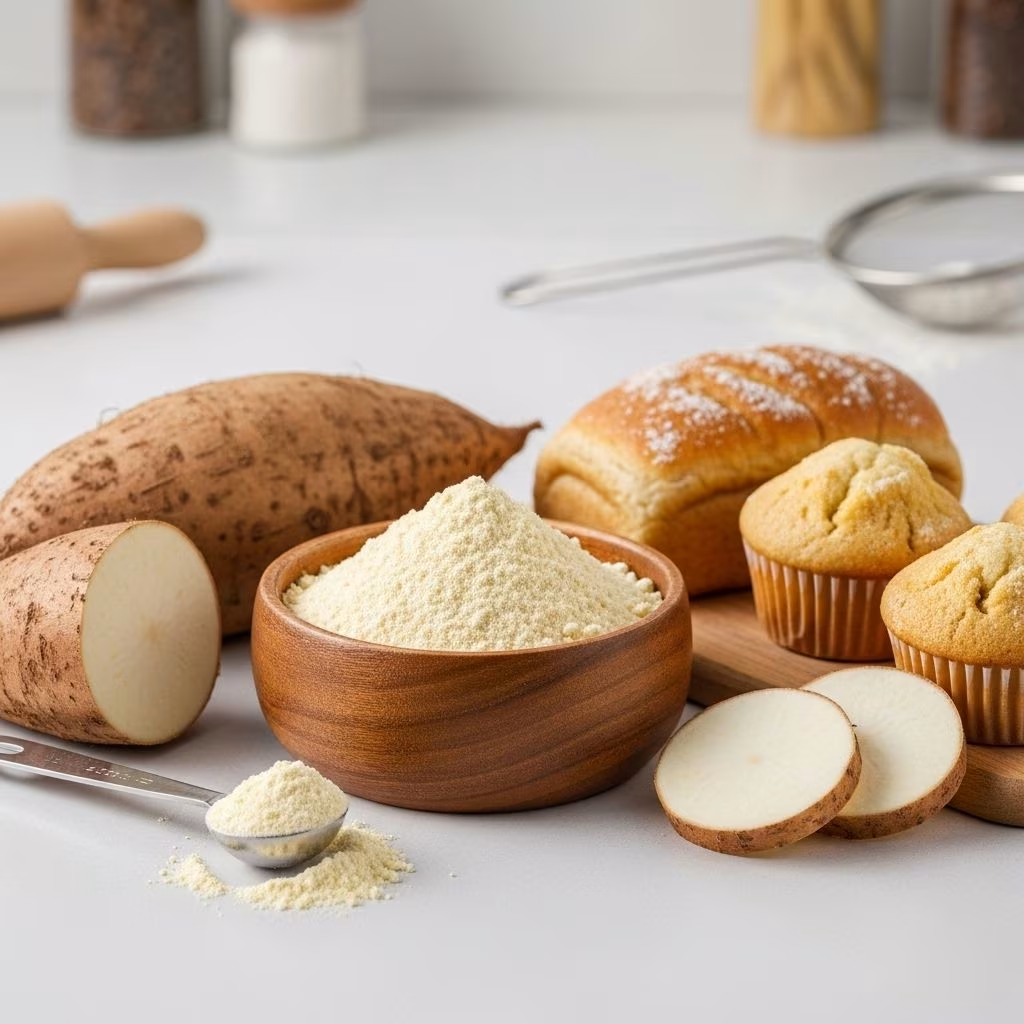
Yam flour is gaining recognition worldwide as a powerhouse ingredient for baking and gluten-free cooking. Boasting a light, earthy flavor and substantial nutritional benefits, yam flour is made by drying and grinding yams—a starchy tuber native to Africa and Asia—into a versatile, fine powder. This article delves into yam flour’s diverse baking uses, examines its nutritional value, suggests the best substitutes, and answers common questions for bakers and health enthusiasts alike.
What is Yam Flour?
Yam flour is a powdery product created by peeling, drying, and milling yams. Unlike sweet potatoes, yams used for flour are generally drier, less sweet, and have a distinct starchy composition. It’s popular in African, Asian, and Caribbean cuisines for its capability to serve as a gluten-free alternative to wheat flour in both sweet and savory dishes.
- Origin: Most commercial yam flour derives from African varieties, particularly Dioscorea rotundata (white yam).
- Texture: Fine, slightly granular powder. Color ranges from off-white to pale beige.
- Flavor: Subtly earthy, bland, sometimes nutty, but not sweet like sweet potato flour.
- Main difference from sweet potato flour: Yam flour is less sweet and offers a more pronounced starchiness.
Baking Uses of Yam Flour
Yam flour is naturally gluten-free and provides a nourishing alternative to wheat for various baking applications. It serves as a functional base or partial substitute in recipes, improving nutritional content and offering unique textures.
- Breads: Yam flour can be used to make quick breads and flatbreads. It adds a slightly denser texture and earthy flavor compared to wheat-based bread. Yam flour bread is more nutritious and filling due to its fiber content.
- Cakes: Cakes like the Golden Yam Cake utilize yam flour—or mashed yam—with other flours to create moist, tender desserts. The flour retains moisture well due to a higher starch content, producing a less crumbly crumb.
- Pancakes: Yam flour pancakes are popular in African and Caribbean kitchens. When swapped in for all-purpose flour, they yield pancakes with unique flavor and appealing chewiness.
- Muffins & Quick Breads: Blending yam flour into muffin batter helps maintain softness while boosting vitamin and mineral content.
- Cookies & Biscuits: Yam flour gives cookies a healthier profile and a distinctive texture—softer interior, crispier edges—and works well combined with other gluten-free flours or by itself for biscuits.
- Flatbreads & Dumplings: Used to create gluten-free flatbreads and dumplings, yam flour lends elasticity and a robust, slightly chewy quality.
- Thickener: Yam flour can thicken sauces and soups. Its neutral taste and creamy finish make it suitable for both savory and sweet dishes.
How to Bake with Yam Flour
Incorporating yam flour in baking requires basic adjustments due to its distinctive absorption and lack of gluten. Here’s a practical overview:
- Substitution Ratio: Use yam flour to replace 25%–50% of the total flour in a recipe for a balanced flavor and texture. For some recipes, 100% substitution works but may require experimentation.
- Hydration: Yam flour absorbs more water than wheat; adjust liquids accordingly, especially in cakes and breads.
- Binding: Include binding agents such as eggs, flaxseed gel, or xanthan gum to mimic gluten’s structure in gluten-free recipes.
- Mixing: Sift yam flour to prevent clumping and ensure even dispersion in batters or doughs.
- Baking Time: Watch bake times closely. Yam flour-based goods brown more quickly—test for doneness with a toothpick.
Sample Recipe: Yam Flour Pancakes
For hearty, gluten-free pancakes:
- ½ cup yam flour
- 2 tablespoons sugar
- 1½ cups milk (dairy or plant-based)
- 2 tablespoons oil
- 1 egg (optional)
Mix, cook until lightly browned on both sides, and serve with your favorite syrup or fruit.
Best Substitutes for Yam Flour
If yam flour is unavailable, the following options work well—each brings slight texture and flavor differences:
| Substitute | Best For | Properties | Notes |
|---|---|---|---|
| Sweet Potato Flour | Cakes, quick breads, pancakes | Sweet, moist, bright color | More sweetness; adjust sugar |
| Cassava Flour | Breads, muffins, cookies | Neutral, high stretch, very fine | 1:1 substitution possible |
| Coconut Flour | Cakes, pancakes, cookies | High fiber, sweet, absorbs liquid | Use less (¼ of amount); increase liquids |
| Rice Flour | Flatbreads, biscuits, dumplings | Mild, less absorbent | May need mixing with starches or gums |
| Potato Flour | Thickening, breads, savory bakes | Starchy, slightly sweet | Subtle flavor difference |
| All-Purpose Gluten-Free Flour | Any bake | Balanced, pre-blended for structure | Simple 1:1 swap |
Tip: For authentic texture in traditional yam cake or “swallow” dishes, cassava or plantain flour are best. For sweet baked goods, sweet potato flour makes a close alternative.
Nutritional Breakdown of Yam Flour
Yam flour is valued for its impressive nutritional content, making it an appealing choice for health-conscious bakers.
- Calories: Approximately 350–370 kcal per 100 g serving when plain and unsweetened.
- Carbohydrates: Very high (77–80 g per 100 g); mostly starch, offering sustained energy.
- Fiber: 4–6 g per 100 g, aiding in digestive health and promoting satiety.
- Protein: 3–6 g per 100 g—higher than wheat in some varieties.
- Fat: Minimal (0.3–1.2 g per 100 g)—naturally low in saturated fat.
- Vitamins & Minerals:
- Rich in Vitamin C and potassium.
- Contributes to daily intake of Vitamin B6, folate, calcium, and iron.
- Contains antioxidants such as carotenoids (especially in purple yams).
- Gluten-Free: Suitable for Celiac or gluten-intolerant individuals.
- Glycemic Index: Moderate—slightly lower than regular white flour, aiding in gradual blood sugar increase.
As an illustration, a slice of golden yam cake (about 100 g) offers approximately:
- Calories: 464 kcal
- Carbohydrates: 54 g
- Protein: 9 g
- Fat: 24 g (includes added butter and eggs)
- Potassium: 597 mg
- Fiber: 2 g
- Vitamin A: 837 IU
- Vitamin C: 7 mg
- Calcium: 198 mg
Cultural Cuisine and Recipe Inspiration
Yam flour is a cornerstone in many traditional dishes across the globe. Here are culinary traditions and creative recipes worth exploring:
- West African Swallow (Amala): Yam flour forms the basis of amala, a thick, stretchy swallow served with soups like egusi or ogbono. It is a beloved Nigerian staple.
- Chinese Steamed Yam Cake (Kuih): Combines cubed yam, dried shrimp, rice flour, and spices to create a savory steamed loaf, often finished with fried onions and chilies.
- Caribbean Flatbreads: Yam flour is blended into flatbreads or fritters for a nutrition-rich addition to island diets.
- Baked Goods: Pancakes, muffins, biscuits, dumplings, and desserts like moist yam cake or cookies are easily gluten-free with yam flour.
Sample Recipe: Savory Steamed Yam Cake (Kuih)
- Cubed yam sautéed with shallots, dried shrimp, and spices.
- Stirred into a rice flour and wheat starch batter.
- Steamed, cooled, sliced, and topped with fried shallots, chilies, and spring onions.
- Served with hoisin or chili sauce for extra flavor.
Traditional ratios and creative toppings define the texture and finish of this time-honored Chinese treat.
Storage and Shelf Life
Proper storage extends yam flour’s usability and maintains freshness:
- Pantry: Store in an airtight container, away from moisture and heat, for up to 6 months.
- Refrigeration: Extends shelf life to 1 year, especially in humid climates.
- Freezer: Tightly sealed, can last up to 18 months. Thaw to room temperature before baking.
Baked yam flour treats like cake or muffins are best eaten within 2–5 days if refrigerated, or can be frozen for up to three months (wrap unfrosted cake well).
Pros and Cons: Yam Flour in Baking
| Pros | Cons |
|---|---|
|
|
Frequently Asked Questions (FAQs)
Q: Is yam flour gluten-free?
A: Yes. Yam flour contains no gluten and is safe for people with celiac disease or gluten sensitivities.
Q: What dishes can I make with yam flour apart from baking?
A: Yam flour is used in traditional African swallow dishes (like amala), dumplings, fritters, and as a thickener for soups and sauces.
Q: How is yam flour different from sweet potato flour?
A: Yam flour is less sweet, starchier, and often nuttier than sweet potato flour. They are made from entirely different tuberous vegetables.
Q: Can I use yam flour for thickening soups?
A: Yes. It provides a creamy, neutral thickening base for both savory and sweet soups, gravies, and sauces.
Q: Is yam flour nutritious for children?
A: Absolutely. Packed with fiber, vitamins, and minerals, yam flour is suitable for nutritious meals and snacks for children (unless allergic).
Baking with Yam Flour: Top Tips
- For a subtle flavor, mix yam flour with rice or gluten-free all-purpose flour in a 1:1 ratio for baking cakes and muffins.
- Use it solo for hearty, traditional flatbreads or dumplings.
- Add a binding agent if using only yam flour in recipes—especially for cookies and breads.
- Adjust sweetness and moisture as yam flour may yield a drier bake.
Conclusion
Yam flour has transcended its traditional roots to become a global favorite for creative, gluten-free baking. Its wholesome nutritional profile, adaptability in diverse recipes, and increasing availability make it an essential ingredient for health-focused and culturally-inspired kitchens. Whether you’re making pancakes, savory cakes, quick breads, or cookies, yam flour brings a nourishing twist to all your baking adventures.


