


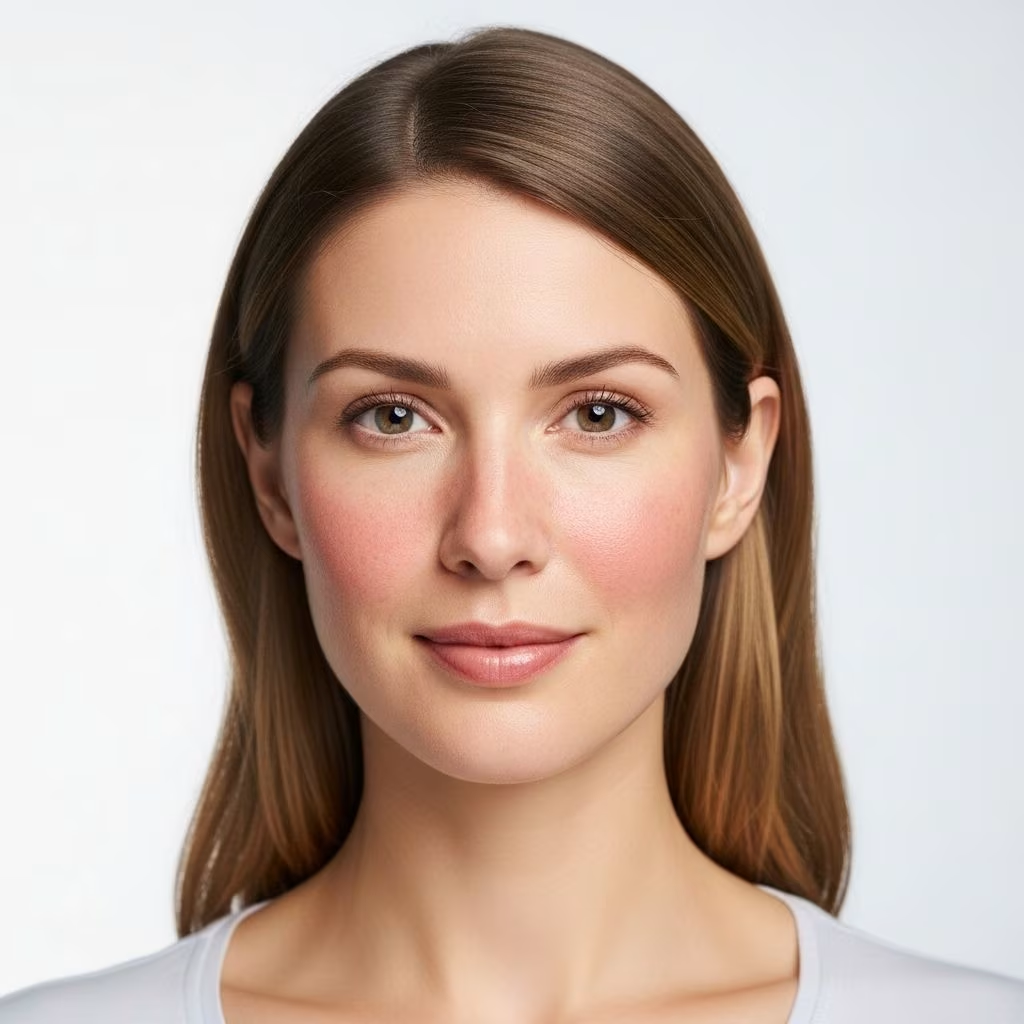
Living with rosacea means navigating persistent redness, sensitivities and flare-ups. The right skincare routine can make a transformative difference for those affected. Here, we present a comprehensive review of the best skincare strategies for rosacea-prone skin, featuring dermatologist-recommended products, step-by-step routines, and frequently asked questions to empower you to achieve calm, healthy-looking skin.
Understanding Rosacea: Causes and Symptoms
Rosacea is a chronic, inflammatory skin condition characterized by:
- Persistent facial redness
- Flushing and visible blood vessels
- Papules and pustules that resemble acne
- Increased skin sensitivity
While the exact origins remain unclear, most experts agree that genetics, immune system factors, skin infections (including Demodex mites), and environmental triggers play a significant role.
Rosacea affects more than 14 million people, predominantly women with fair skin, but it can impact any skin type or gender.
Core Skincare Routine for Rosacea-Prone Skin
The cornerstone of rosacea management is a simple, gentle, and consistent routine. Dermatologists recommend minimizing the number of steps and using products free from common irritants.
The ideal routine involves four essential steps:
- Cleansing with a gentle, non-foaming cleanser
- Soothing hydration via a rosacea-friendly moisturizer
- Serum or targeted treatment (e.g., for redness or barrier repair)
- Daily application of a mineral-based sunscreen (SPF 30+)
Keep routines as minimal as possible, introduce one new product at a time, and always perform a patch test.
Best Cleansers for Rosacea
Gentle cleansing is a critical first step for rosacea. The best cleansers are fragrance-free, non-foaming, and focus on maintaining the skin barrier without stripping natural oils:
| Product | Key Features | Suitable For |
|---|---|---|
| Vanicream Gentle Facial Cleanser | Purified water, glycerin; pH-balanced; no dyes or fragrances | All skin types, especially sensitive |
| Bioderma Sensibio H2O Micellar Water | Mild cleansing with cucumber extract; no rinsing required | Makeup removal, minimal irritation |
| Alastin Ultra Calm Cleansing Cream | Oat extract for soothing; maintains barrier | Dry, reactive skin |
| Aveeno Calm + Restore Nourishing Oat Cleanser | Fragrance/dye/alcohol-free; colloidal oatmeal | Very sensitive, redness-prone skin |
| Cetaphil Redness Relief Cleanser | Redness-relieving, minimal ingredients | Inflamed, easily irritated skin |
Tip: Avoid hot water and abrasion. Gently pat the face dry instead of rubbing.
Best Moisturizers for Rosacea
A good moisturizer calms inflammation, repairs the skin barrier, and relieves tightness. Key ingredients include ceramides, niacinamide, glycerin, hyaluronic acid, and anti-inflammatory botanicals:
- SkinCeuticals Redness Neutralizer: Chamomile extract for anti-inflammatory action. Calms red patches and hydrates.
- Clinique Redness Solutions Daily Relief Cream: Lightweight; the green tint reduces visible redness instantly.
- La Roche-Posay Toleriane Double Repair Face Moisturizer: Ceramides and niacinamide repair and soothe; non-comedogenic and helps with dryness and flaking.
- SkinFix Barrier+ Triple Lipid Peptide Cream: Hyaluronic acid, peptides, and shea butter help lock in moisture and strengthen the skin barrier.
- Avene Redness Expert Soothing Moisturizing Cream: Lightweight, designed specifically for redness-prone skin.
- Eucerin Redness Relief Soothing Night Cream: Fragrance-free, provides overnight barrier repair.
Pro Tip: Apply moisturizer immediately after cleansing to seal in hydration. Choose formulas labeled “non-comedogenic” and “for sensitive skin” wherever possible.
Top Serums and Toners
Targeted serums and toners for rosacea should be free from alcohol and strong acids, but may offer additional benefits against redness, inflammation, and irritation:
- The Ordinary Azelaic Acid 10% Suspension: Reduces redness, bumps, and pigmentation; gentle exfoliation for acne-like rosacea lesions.
- Anua Heartleaf 77% Soothing Toner: Heartleaf and panthenol combine for anti-inflammatory, barrier-repairing effects with minimal acidity.
- Paula’s Choice Calm Repairing Serum: Niacinamide, oat, and panthenol reduce irritation and redness. Developed for sensitive and rosacea-prone skin.
- Dr. Idriss The Depuffer Roll-On Serum: Arnica, niacinamide, and oat extract soothe while reducing puffiness; the rollerball also offers cooling relief.
- Avene Cicalfate Intensive Skin Restorative Serum: Supports recovery during flare-ups and barrier disruption.
Note: Limit strong actives and try one serum at a time until you know your skin’s tolerance.
Sunscreens: Vital for Rosacea Management
Sun exposure is a well-known trigger for rosacea flare-ups. Broad-spectrum, mineral-based sunscreens (containing zinc oxide or titanium dioxide) offer effective UV protection with minimal irritation. Avoid chemical filters and fragrances.
| Product | Key Features | SPF |
|---|---|---|
| Lightsaver Activated Mineral Sunscreen | Tinted; antioxidant-rich; also aids with hyperpigmentation | 33 |
| Colorescience Sunforgettable Total Protection Face Shield | Non-irritating; fragrance-free; leaves healthy glow | 50 |
| La Roche-Posay Anthelios Mineral Tinted Sunscreen | Lightweight, oil-free, evens tone, good for oily skin | 50 |
| EltaMD UV Skin Recovery Broad Spectrum SPF 50 | Green-tinted; calms redness and protects barrier | 50 |
| Dr. Jart+ Cicapair Tiger Grass Color Correcting Treatment | SPF protection; color corrects redness with centella asiatica | 30 |
Apply sunscreen daily, even when indoors or during cloudy days. Reapply every 2 hours if exposed to sunlight. Tinted formulas can help further conceal redness and even skin tone.
Additional Tips and Ingredients to Avoid
Managing rosacea is as much about what to avoid as what to use. Key dermatologist-recommended lifestyle and product tips:
- Avoid triggers: sun exposure, spicy foods, alcohol, hot drinks, emotional stress, wind, and temperature extremes.
- Patch test new products before full application.
- Beware exfoliants: Avoid physical scrubs, strong acids (glycolic, salicylic), retinoids, and high concentrations of vitamin C.
- Say no to: Added fragrance, menthol, eucalyptus oil, alcohol, witch hazel, sodium lauryl sulfate, and harsh preservatives.
- Moisturize daily: Barrier repair creams can boost your prescription therapies.
- Seek out calming ingredients like niacinamide, panthenol, oat, ceramides, and centella asiatica.
- Consult with a dermatologist to optimize your regime and consider prescription treatments for moderate-to-severe cases.
Frequently Asked Questions (FAQs)
Q: Can you cure rosacea with skincare?
A: Rosacea is chronic and cannot be cured, but a careful skincare routine can dramatically reduce symptoms and flare-ups. Some people may require oral or topical prescription therapies in addition to skincare.
Q: How often should I wash my face if I have rosacea?
A: Most dermatologists recommend gentle cleansing twice daily (morning and evening), and after heavy sweating. Overwashing can irritate sensitive skin.
Q: Can I use makeup with rosacea?
A: Yes, using non-comedogenic, fragrance-free, and mineral-based makeup is recommended. Tinted moisturizers or sunscreens can help with coverage and reduce the appearance of redness.
Q: Are facial oils safe for rosacea-prone skin?
A: Light, non-comedogenic oils like squalane or jojoba can sometimes help restore the barrier for very dry skin, but always patch test first, as oils may trigger sensitivity in some people.
Q: What ingredients should I definitely avoid if I have rosacea?
A: Avoid products containing alcohol, fragrance, menthol, camphor, witch hazel, glycolic/salicylic acids, and sodium lauryl sulfate as these can aggravate rosacea.
Conclusion
Rosacea-prone skin demands a thoughtful and minimalist approach: prioritize gentle cleansing, robust barrier repair, and daily sun protection with proven, non-irritating ingredients. Using dermatologists’ favorite products and strategies outlined here offers the best chance to reduce redness, calm flare-ups, and restore skin confidence. Remember, consult with a board-certified dermatologist for a tailored treatment plan if symptoms persist or worsen.
References
- https://forefrontdermatology.com/top-rosacea-skincare-products-dermatologists-recommend/
- https://www.youtube.com/watch?v=bERPBM9Ah9w
- https://www.lovelyskin.com/c/redness-rosacea-shop-by-condition-skin-care
- https://skintypesolutions.com/blogs/skincare/skinceuticals-rosacea-skin-care-routine
- https://www.aad.org/public/diseases/rosacea/triggers/tips
- https://eltamd.com/collections/rosacea-prone
- https://www.rosacea.org/seal-of-acceptance/information
- https://www.sephora.com/buy/rosacea-skin-care-products


