


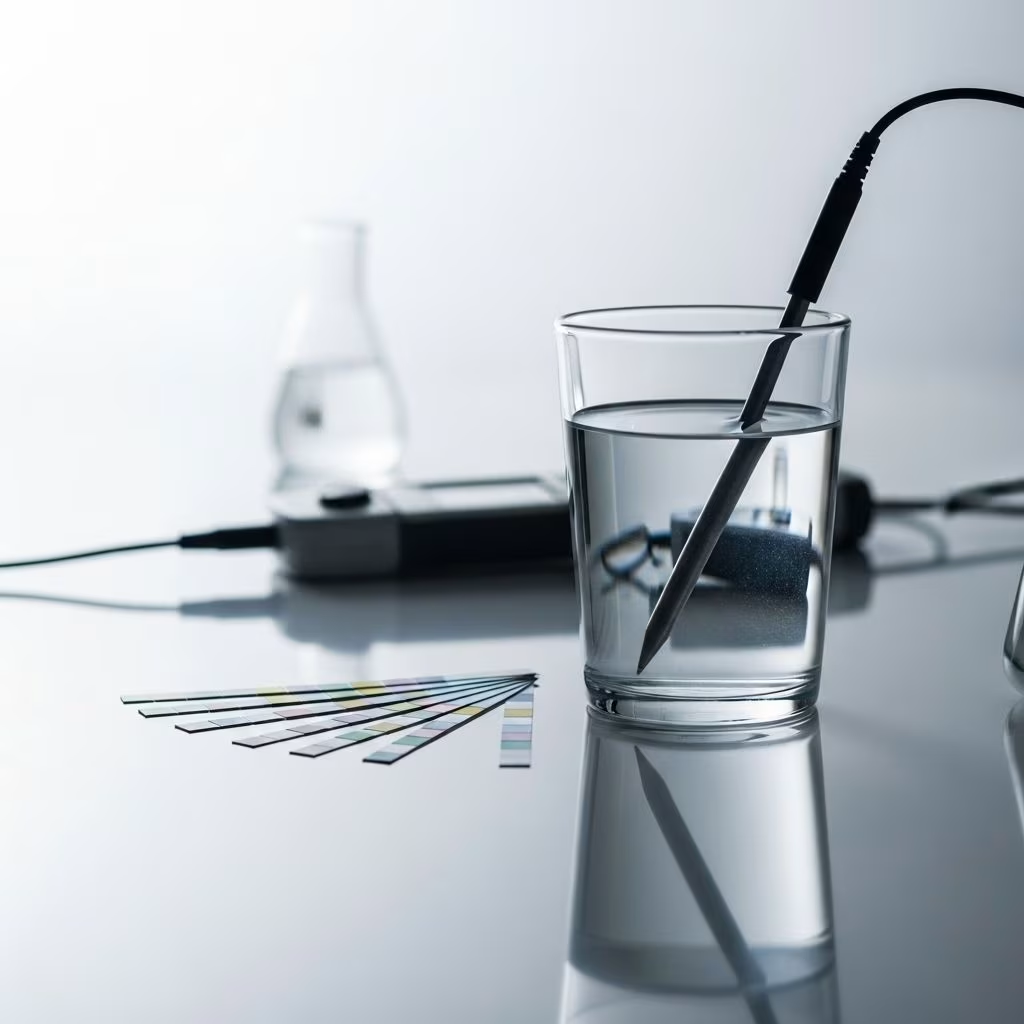
The pH of drinking water has become a major topic of public concern, with growing interest in both safety regulations and health trends like alkaline water. But what does pH actually reveal about your water, what are safe pH levels, and does it truly matter for your health? This comprehensive guide answers these questions through scientific and regulatory evidence.
What is pH?
pH is a measurement that indicates whether a substance is acidic, neutral, or alkaline (basic). The measurement is based on the concentration of hydrogen ions (H+) in a solution. The more hydrogen ions present, the more acidic the substance; the fewer hydrogen ions, the more alkaline it is . The term “pH” comes from the French “puissance d’hydrogène,” meaning “power of hydrogen.”
Understanding the pH Scale
The pH scale ranges from 0 to 14:
- pH 7: Neutral (pure water, at 25°C)
- pH less than 7: Acidic
- pH greater than 7: Alkaline (basic)
The scale is logarithmic, meaning a change by one pH unit represents a tenfold difference in acidity or alkalinity. For example, water with a pH of 6 is ten times more acidic than water with a pH of 7 .
Why pH Matters in Drinking Water
- Safety: Water that is extremely acidic (<6.5) or alkaline (>8.5) can be an indicator of pollution or contaminants, which may pose health risks .
- Plumbing integrity: Water outside the recommended pH range can cause corrosion or scaling in plumbing systems .
- Taste and aesthetics: Very acidic or basic water often tastes unpleasant, may feel slippery, or leave deposits and stains .
- Regulatory monitoring: While not a health-based standard, pH acts as a good indicator for water quality monitoring, signaling when further testing may be required .
Regulatory Guidelines for Drinking Water pH
Most regulatory bodies around the world recommend the following pH ranges:
- United States EPA (Secondary Maximum Contaminant Level): 6.5 – 8.5
- Canada (Aesthetic Objective): 7.0 – 10.5, with provincial variations (e.g., Saskatchewan: 6.5 – 9.0)
- UK: 6.5 – 9.5 at the tap
These ranges are considered safe for the majority of consumers. The limits are not set for health reasons but rather to prevent unpleasant tastes, corrosion, or deposits in plumbing and distribution systems .
| Region | Recommended pH Range | Purpose |
|---|---|---|
| USA (EPA) | 6.5 – 8.5 | Secondary (aesthetic) |
| Canada | 7.0 – 10.5 (General); 6.5 – 9.0 (SK) | Aesthetic/Operational |
| UK | 6.5 – 9.5 | Operational/Aesthetic |
What Happens if the pH Is Out of This Range?
- Below 6.5: Water can taste metallic or bitter and may corrode metal pipes, potentially leaching harmful metals such as lead and copper into the supply .
- Above 8.5: Water may taste soapy or soda-like, feel slippery, and deposit scale on pipes and fixtures. These are mainly aesthetic issues, but can occasionally indicate other underlying water quality problems .
Factors Affecting the pH of Drinking Water
The pH of natural water is influenced by multiple factors:
- Geological conditions: The type of rock and soil water flows through can make it more acidic or alkaline. For instance, limestone tends to increase alkalinity .
- Atmospheric interactions: Carbon dioxide from the air dissolves in water, forming carbonic acid and slightly lowering its pH .
- Acid rain: Pollution can increase atmospheric acids, lowering pH in surface and groundwater .
- Water treatment processes: Some chemicals used in disinfection or cleaning pipes may impact pH .
- Human activities: Industrial discharges, agricultural runoff, and urban stormwater can all alter water pH, often making it more acidic .
Common pH Values in Different Water Sources
| Type of Water | pH Level |
|---|---|
| Tap water | About 7.5 (can vary) |
| Distilled/reverse osmosis water | 5.0 – 7.0 |
| Bottled water (regular) | 6.5 – 7.5 |
| Bottled water (alkaline labelled) | 8.0 – 9.0 |
| Ocean water | About 8 |
| Acid rain | 5.0 – 5.5 |
These values can fluctuate due to local factors and individual treatment systems, but most tap and bottled waters supplied by municipalities are within the “neutral” or modestly alkaline range .
Health Implications of Water pH
For most healthy adults, the pH of water—within the recommended ranges—does not pose health risks or directly affect overall body pH. The body tightly regulates its pH through complex physiological systems, regardless of the drinking water’s pH .
When pH Becomes a Health Issue
- Low pH (Acidic water): Can leach toxic metals such as lead and copper from pipes, which pose serious health risks, especially for children and pregnant individuals .
- High pH (Alkaline water above 9): Typically does not cause direct health harm, but may be undesirable for taste and can interact with medications in rare cases .
- Underlying Contaminants: Extreme pH values may signal potential contamination from chemicals or pollutants. In these cases, immediate investigation and remediation are necessary .
The Truth About Alkaline Water
Alkaline water, typically pH 8.0 to 9.0, is a popular health trend with claims that it can slow aging, erase chronic diseases, or “detox” the body. But does science back these claims?
- Scientific evidence is limited: There is minimal, inconclusive scientific research showing substantial health benefits of alkaline water in healthy individuals .
- Exceptions: Some small studies suggest possible benefits for people with acid reflux or certain medical conditions, but these are not robust enough to recommend alkaline water for the general population .
- The body regulates its pH regardless of the water or food consumed. Drinking alkaline water does not significantly change blood or tissue pH .
In summary: Alkaline water is not harmful but provides no proven health benefit for most people.
Plumbing and Industrial Concerns
- Corrosive Water (Low pH): Can dissolve metals from pipes, causing leaks and raising levels of lead, copper, and other metals in drinking water .
- Scaling Water (High pH): May deposit minerals, forming scale that blocks pipes and damages appliances .
- Taste and usability: Extremely high or low pH water often develops unpleasant flavors and can damage water heaters, kettles, and other household equipment .
Testing and Adjusting Water pH
Testing Water pH
- Municipal Suppliers: Routinely test pH and adjust it during treatment, striving to stay within the recommended range .
- Homeowners: Easy-to-use test kits or electronic pH meters are available for regular monitoring, especially for those using private wells or rural water sources .
How Is pH Adjusted in Water Treatment?
- To increase pH: Sodium carbonate, sodium hydroxide, or calcium/magnesium carbonate are common additives .
- To decrease pH: Acidic substances are added, though this practice is rarer as water tends to be more problematic when too acidic .
- Preferred methods: Calcium and magnesium-based treatment is favored, as these minerals can also offer health benefits and naturally buffer the water .
Frequently Asked Questions (FAQs)
Q: What is the ideal pH for drinking water?
A: Regulatory bodies recommend keeping drinking water between pH 6.5 and 8.5. This range ensures good taste, plumbing safety, and low risk for harmful contaminants .
Q: Is it dangerous to drink alkaline water?
A: Drinking water with pH up to 9 is not considered dangerous for most people. There is no strong evidence of unique health benefits or risks from drinking alkaline water unless the water is contaminated in other ways .
Q: Can acidic water harm my health?
A: Acidic water (<6.5) can corrode your plumbing and leach toxic metals, posing health risks. It is less about the acidity itself and more about what metals or contaminants might enter the water as a result .
Q: How can I test my home’s water pH?
A: Most hardware or aquarium stores sell affordable pH test kits. Digital pH meters provide accurate results but require brief calibration. For public supplies, annual water quality reports often state pH values .
Q: Does drinking water with the right pH guarantee it’s safe?
A: No. While proper pH reduces risks from pipes and ensures good taste, it does not protect against bacteria, pesticides, or toxic chemicals. Always consider the full water quality profile, especially for wells or private supplies .
Key Takeaways
- The pH of drinking water is mainly a measure of safety for plumbing, taste, and detecting possible contamination.
- Regulatory agencies recommend a range of 6.5 to 8.5 for tap water. Water outside this range should be further tested for pollutants.
- Alkaline water is safe but carries unproven health claims. Your body will regulate its own pH regardless of what you drink.
- If your water’s pH is outside the recommended range, check your pipes and conduct comprehensive water testing, especially for private wells.
- Always rely on scientific evidence and regulatory guidance when assessing water safety, and avoid spending extra money on “designer” waters with questionable health claims.
References available upon request. Please consult local water authorities or certified testing labs for personalized water quality information.
References
- https://www.healthline.com/health/ph-of-drinking-water
- https://www.safewater.org/fact-sheets-1/2017/1/23/tds-and-ph
- https://www.unitedutilities.com/globalassets/documents/pdf/phfactsheet_acc16.pdf
- https://www.knowyourh2o.com/indoor-4/the-ph-of-water
- https://drinking-water.extension.org/drinking-water-treatment-ph-adjustment/
- https://www.epa.gov/sdwa/drinking-water-regulations-and-contaminants
- https://nmtracking.doh.nm.gov/environment/water/PHConductivity.html
- https://www.uclahealth.org/news/article/ask-the-doctors-is-water-with-a-high-ph-safe-to-drink


