


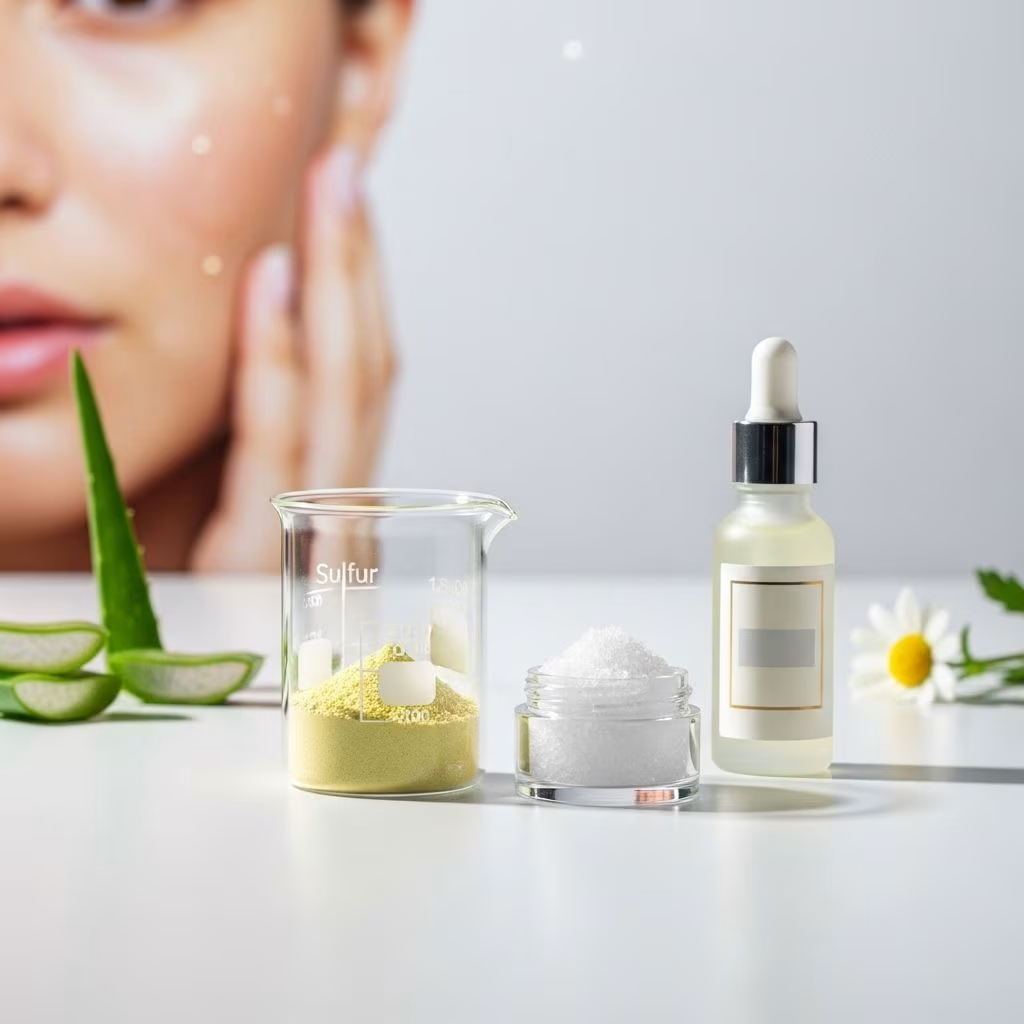
Sulfur and Resorcinol Spot Treatments: Science, Benefits, and Use for Acne and Skin Health
Sulfur and resorcinol are longstanding ingredients in dermatology, widely recognized for their ability to address acne and support skin health. Individually and in combination, these actives provide targeted action against blemishes, excess oil, and inflammation, making spot treatments a mainstay in over-the-counter and prescription skincare. This guide explores the science, benefits, application, and safe use of sulfur and resorcinol spot treatments for clearer skin.
Introduction to Spot Treatments
Spot treatments are topical products meticulously formulated to address individual breakouts and skin imperfections. They offer rapid relief from inflamed pimples and localized acne lesions, delivering high concentrations of active ingredients directly to affected areas. Sulfur and resorcinol are among the most trusted agents in these formulations due to their rapid action and gentle skin compatibility.
How Sulfur and Resorcinol Work
- Sulfur is a naturally occurring mineral with antimicrobial and keratolytic properties, meaning it helps kill bacteria and exfoliate dead skin cells. By reducing bacteria and helping shed dead skin, sulfur combats the root causes of acne.
- Resorcinol is an aromatic compound recognized for its keratolytic and antiseptic effects. It enhances exfoliation and supports skin cell turnover, which helps clear pores and reduce buildup that can lead to breakouts.
Sulfur and resorcinol can be used alone or together. Their combination boosts efficacy for stubborn blemishes and assists in clearing persistent clogged pores, whiteheads, and blackheads.
Key Benefits of Sulfur for Skin
- Antibacterial Action: Sulfur inhibits growth of acne-causing bacteria, notably Propionibacterium acnes.
- Keratolytic Effect: It enables gentle exfoliation, helping remove dead skin cells that clog pores.
- Absorbs Excess Sebum: Sulfur dries out surface oil, reducing shine and the likelihood of breakouts.
- Reduces Redness: Frequent inclusion of peptides and soothing agents (e.g., palmitoyl tripeptide-8, bisabolol) in sulfur spot treatments diminish visible inflammation.
- Versatile Application: Suitable for sensitive skin and often better tolerated than benzoyl peroxide or salicylic acid.
Scientific Table: Sulfur’s Key Effects
| Effect | Description |
|---|---|
| Antibacterial | Reduces growth of acne-causing bacteria |
| Keratolytic | Promotes elimination of dead skin cells |
| Oil Absorption | Dries oily areas to prevent future breakouts |
| Redness & Irritation Relief | Calms skin, diminishes appearance of swelling |
Key Benefits of Resorcinol for Skin
- Keratolytic Mechanism: Resorcinol softens and breaks down rough patches of skin, facilitating gentle exfoliation and smoother texture.
- Antiseptic Properties: Reduces occurrence of bacteria and supports skin healing processes.
- Treats Multiple Conditions: In addition to acne, resorcinol aids in addressing eczema, psoriasis, seborrheic dermatitis, and even calluses and warts.
Resorcinol’s synergistic use with sulfur maximizes the spot treatment’s potency for persistent or stubborn acne.
Formulations and Common Ingredients
Sulfur and resorcinol spot treatments are available in a variety of OTC and prescription products. Concentrations and ingredient blends vary to suit user preferences and different skin types.
- Sulfur Concentration: Most spot treatments use 6% sulfur, balancing efficacy and skin compatibility.
- Resorcinol: When present, it is typically at concentrations below 2%, ensuring safe, regular topical use.
- Additional Soothing Agents: Ingredients like bisabolol, allantoin, and palmitoyl tripeptide-8 calm redness and irritation, promoting rapid recovery.
- Inactive Ingredients: These may include water, carbomer, phenoxyethanol, glycerin, acacia gum, benzyl alcohol, sodium hydroxide, and ethylhexylglycerin to enhance product texture and spreadability.
Example Ingredient Table
| Key Active Ingredient | Function |
|---|---|
| Sulfur | Antibacterial, keratolytic, oil absorption |
| Resorcinol | Keratolytic, antiseptic |
| Bisabolol | Soothes irritation |
| Allantoin | Renews skin, calms inflammation |
Effective Use on Acne Types
Sulfur and resorcinol spot treatments are suitable for a range of acne severities and presentations, with best results often seen in mild to moderate cases.
- Whiteheads and Blackheads: The noninflammatory, comedonal forms of acne respond best to sulfur or sulfur-resorcinol products, which help unclog pores and reduce oil buildup.
- Papules and Pustules: For inflammatory acne (papules, pustules), sulfur’s antibacterial and oil-absorbing effects may calm the area, but combination therapies (with benzoyl peroxide or prescription agents) may be required for best results.
- Cystic Acne: Spot treatments containing sulfur and/or resorcinol are unlikely to resolve severe cystic acne, for which dermatologist intervention is recommended.
Acne Severity Table
| Acne Type | Recommended Treatment |
|---|---|
| Whiteheads/Blackheads | Sulfur and resorcinol spot treatments very effective |
| Papules/Pustules | Best with combination treatments |
| Cystic Acne | Consult dermatologist; may need oral or procedural therapy |
Application for Other Skin Conditions
Both sulfur and resorcinol exhibit healing, exfoliating, and antimicrobial effects that benefit other common dermatological conditions:
- Seborrheic Dermatitis: Sulfur and resorcinol alleviate scaly, red patches found on the scalp, face, or body.
- Eczema and Psoriasis: Topical resorcinol softens plaques and soothes irritation.
- Corns, Calluses, and Warts: Higher concentrations of resorcinol can be used for keratotic lesions.
How to Use Sulfur and Resorcinol Spot Treatments Safely
- Cleanse skin thoroughly before application.
- Apply a small amount directly to the affected area. These treatments often dry invisibly, allowing daytime or nighttime use.
- Follow manufacturer or dermatologist instructions for frequency. Overapplication may cause dryness or irritation.
- Patch test new products before widespread use, especially if you have sensitive skin or a history of allergic reactions.
- Can be used alone or in combination with other acne treatments (like retinoids or benzoyl peroxide). Alternate application times to minimize irritation when using multiple actives.
Potential Risks, Side Effects, and Precautions
Though generally safe and well-tolerated, it is important to be aware of possible side effects and precautions before using sulfur and resorcinol spot treatments:
- Mild Dryness: Most common, especially with overuse or on sensitive skin.
- Skin Irritation: Redness, burning, or itching, especially if combined with other strong actives or used on large skin areas.
- Temporary Skin Discoloration: Some users may notice a mild lightening or darkening of applied areas, which usually resolves after cessation.
- Allergic Reaction: Rare but possible; discontinue use if rash, swelling, or severe irritation develops and seek medical advice.
Children should use these products only under medical supervision.
Frequently Asked Questions (FAQs)
Q: Who can use sulfur and resorcinol spot treatments?
Most individuals (adolescents and adults) with mild to moderate acne benefit from these treatments. Sensitive skin types may find sulfur especially non-irritating compared to benzoyl peroxide and salicylic acid. Seek medical guidance for children or those with underlying skin conditions.
Q: Are these products available over the counter?
Yes. Most sulfur and resorcinol spot treatments are available OTC, with higher concentrations or prescription blends provided under dermatological care.
Q: Can I use spot treatments with other acne medications?
You can typically combine sulfur and resorcinol spot treatments with other therapies. Alternate applications (e.g., sulfur in morning, retinoid at night) to prevent excessive irritation.
Q: How long does it take for results to appear?
Visible improvement in pimple size and redness often occurs within 24-48 hours of application, though complete healing of lesions may take several days.
Q: Are there alternatives if I experience side effects?
People who develop irritation may switch to gentler agents (e.g., niacinamide, azelaic acid) or use lower concentrations. Consult a dermatologist for personalized advice, especially with recurrent or severe breakouts.
Conclusion
Sulfur and resorcinol spot treatments remain at the forefront of acne solutions, offering fast, gentle, and multi-pronged relief for breakouts and other skin troubles. Proper use, attention to skin sensitivities, and combination with complementary therapies can optimize results and promote healthy, clear skin.
References
- https://facerealityskincare.com/products/sulfur-spot-treatment
- https://www.medicalnewstoday.com/articles/sulfur-for-acne
- https://www.healthline.com/health/beauty-skin-care/sulfur-for-acne
- https://ataloaesthetics.com/product/sulfur-spot-treatment/
- https://www.mayoclinic.org/drugs-supplements/resorcinol-and-sulfur-topical-route/description/drg-20062617
- https://www.mayoclinic.org/drugs-supplements/resorcinol-topical-route/description/drg-20065777


