


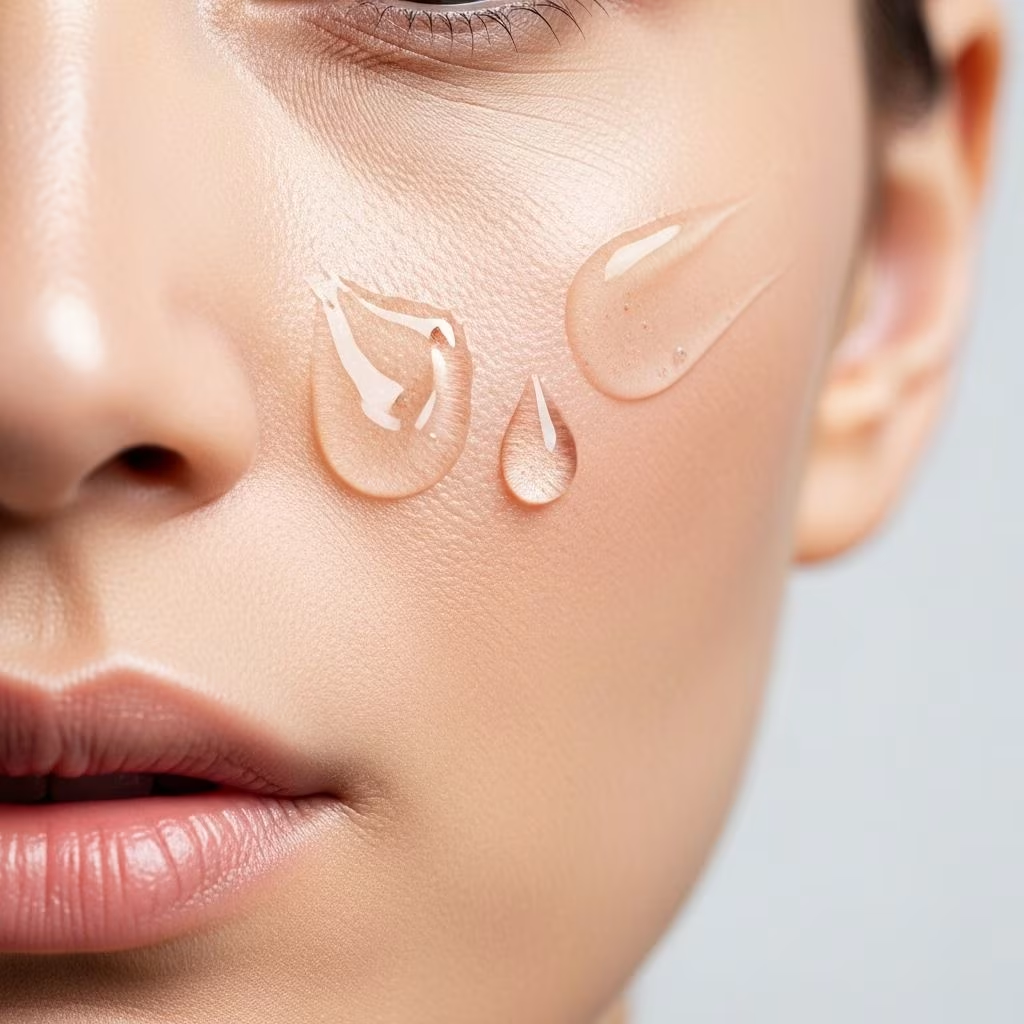
Silicone vs. Water Primer for T-Zone
When it comes to managing the T-Zone area of your face, which typically includes the forehead, nose, and chin, choosing the right primer can significantly impact the appearance and longevity of your makeup. In recent years, debates between silicone-based and water-based primers have intensified, with each offering unique benefits tailored to different skin types and needs.
## Introduction to PrimersPrimers are foundational elements in any makeup routine, providing a smooth canvas for makeup application and helping it last longer. They can also address specific skin concerns like dryness, oiliness, or texture irregularities. Understanding the differences between silicone and water-based primers is crucial for optimizing your makeup routine and achieving the desired effect on your T-Zone.
Water-Based Primers
Water-based primers are primarily composed of water and other water-soluble ingredients, such as glycerin and hyaluronic acid. These ingredients are beneficial for dry, sensitive, or dehydrated skin types as they provide hydration and help maintain the skin’s natural barrier. Water-based primers are lightweight and non-comedogenic, making them suitable for sensitive or acne-prone skin. They offer a natural, dewy finish, which can enhance skin texture without adding heaviness.
### Benefits of Water-Based Primers for T-Zone- Hydration: Ideal for dry or dehydrated T-Zones, water-based primers help maintain skin hydration and can improve skin texture.- Natural Finish: Offers a dewy and radiant look, which is perfect for those seeking a more natural appearance.- Suitability for Sensitive Skin: Gentle and non-irritating, making them safe for sensitive skin types.### Drawbacks of Water-Based Primers for T-Zone- Less Effective for Oil Control: Not as effective in controlling oil production, which can lead to greasiness in the T-Zone.- May Require More Frequent Application: Due to their lightweight nature, water-based primers might need more frequent touch-ups throughout the day.
Silicone-Based Primers
Silicone-based primers contain ingredients like dimethicone, cyclopentasiloxane, and other compounds that end in -cone or -xane. These primers are renowned for their ability to blur pores and fine lines, creating a smooth canvas for makeup. Silicone-based primers are ideal for oily skin as they help control oil production and provide a matte finish. They are also more durable and can last longer throughout the day.
### Benefits of Silicone-Based Primers for T-Zone- Oil Control: Excellent for oily T-Zones, silicone primers help keep oil at bay, providing a matte finish.- Long-Wearing: Lasts longer and offers better resistance to sweat and oil, making them perfect for events or extended wear.- Pore Minimization: Helps minimize the appearance of pores, creating a smooth surface for makeup application.### Drawbacks of Silicone-Based Primers for T-Zone- Can Feel Occlusive: May feel heavy or occlusive, especially for dry or sensitive skin types.- Potential for Clogged Pores: Can contribute to clogged pores in acne-prone skin due to their thick, barrier-like properties.
Choosing Between Silicone and Water-Based Primers for T-Zone
When selecting a primer for your T-Zone, consider your skin type and the look you want to achieve:| Skin Type | Primer Type | Benefits ||———————|—————–|———————————-|| Dry or Sensitive| Water-Based | Hydration, natural finish || Oily | Silicone-Based | Oil control, matte finish || Combination | Consider hybrid or choose based on T-Zone concerns |
Product Compatibility Considerations
Choosing the right primer-foundation combination is crucial to ensure your makeup stays intact throughout the day. Here are some key considerations:- Silicone-Based Primer with Silicone Foundation: Ideal for oily skin, provides a durable, matte finish.- Water-Based Primer with Water-Based Foundation: Suitable for dry or sensitive skin, offers a natural, hydrated look.- Avoid Mixing: Combining silicone-based primers with water-based foundations or vice versa can cause separation and unevenness.
Frequently Asked Questions (FAQs)
Q: What is the main difference between silicone and water-based primers?
A: Silicone-based primers are more effective at controlling oil and providing a matte finish, while water-based primers offer hydration and a natural, dewy look.
Q: Which primer is better for oily skin?
A: Silicone-based primers are generally better for oily skin as they help control oil and provide a smooth, matte finish.
Q: Can you use both silicone and water-based products in your routine?
A: Yes, you can use both, but it’s best to stick to one type for your T-Zone to avoid separation or unevenness.
References
- https://www.makeup.com/makeup-tutorials/face/silicone-vs-water-face-primers
- https://www.bareminerals.com/blogs/barebeauty/how-is-water-based-primer-better-than-silicone-based-primer
- https://thebeautycrop.com/en-us/blogs/beauty-notes/why-is-my-makeup-separating-the-difference-between-silicone-based-water-based-makeup
- https://www.youtube.com/watch?v=j8BKV2-5n2Y
- https://www.thebeautyumbrella.com/water-based-vs-silicone-based/
- https://www.elfcosmetics.com/discover/water-based-vs-silicone-based-makeup


