


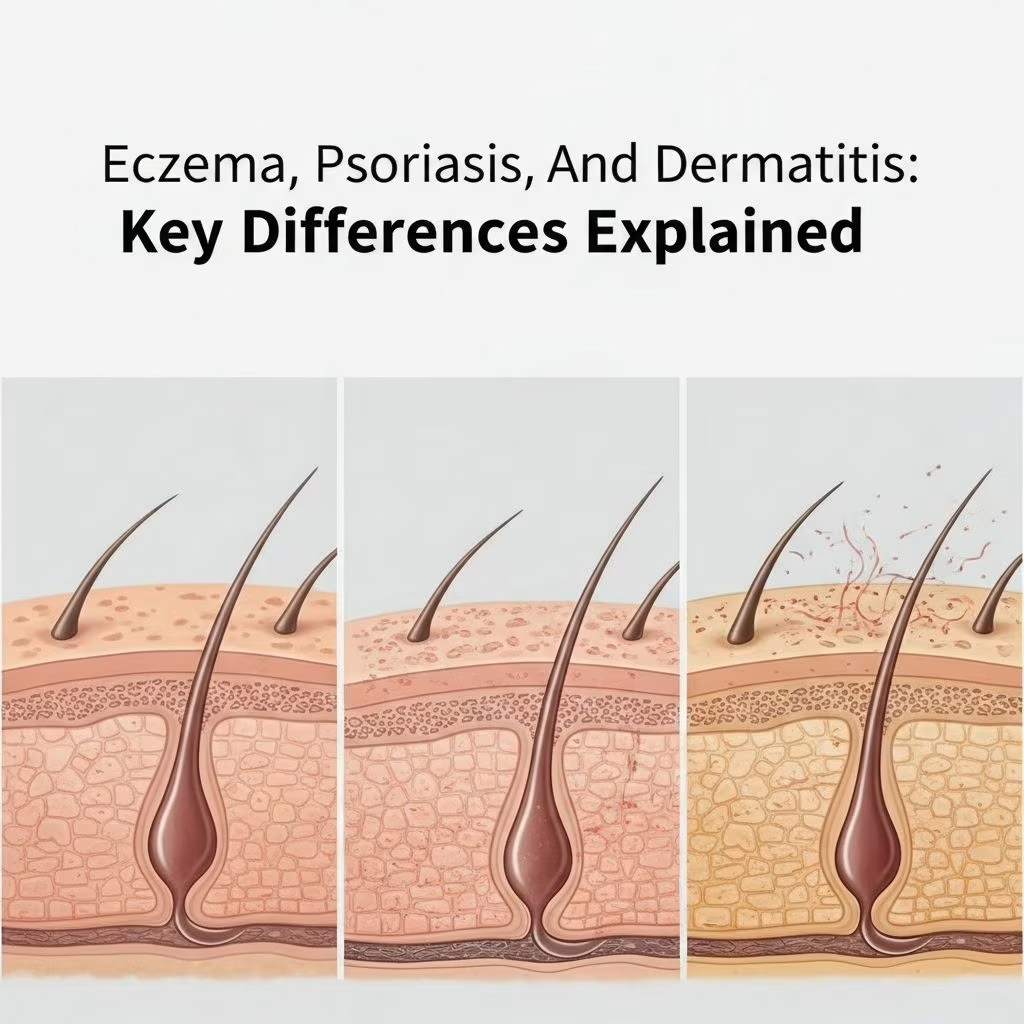
What Are Eczema, Psoriasis, and Dermatitis?
Eczema, psoriasis, and dermatitis are among the most common chronic skin conditions. Though they share some overlapping symptoms, especially itchiness and dry, scaly skin, each has distinct characteristics, causes, and treatment approaches.
Eczema (Atopic Dermatitis)
Eczema, also known as atopic dermatitis, is a chronic inflammatory skin disease often associated with a family history of allergies and asthma. It is characterized by extremely itchy, dry, and inflamed skin, frequently affecting the folds and creases of the body—such as the inside of the elbows, behind the knees, and on the face—especially in children, but can also affect adults. Eczema is caused by a mix of genetic and environmental factors, and flare-ups can be triggered by irritants, allergens, or stress.
Psoriasis
Psoriasis is an autoimmune condition where the immune system accelerates skin cell growth. This rapid cell buildup leads to thick, raised, scaly patches called plaques. Psoriasis most commonly appears on the outer surfaces of the body, such as the elbows, knees, scalp, and lower back, rather than the skin folds. In addition to the skin, psoriasis can also affect the joints, leading to psoriatic arthritis. The condition has several types, with plaque psoriasis being the most prevalent.
Dermatitis (General Definition)
Dermatitis is a general term for skin inflammation and can refer to a range of conditions, including atopic dermatitis (eczema), contact dermatitis, and seborrheic dermatitis. Atopic dermatitis is considered one form of eczematous dermatitis, highlighting that eczema is a specific type of dermatitis with its own set of causes and symptoms.
Causes and Risk Factors
Eczema Causes
The exact cause of eczema is unknown, but it is believed to involve a combination of genetic and environmental factors. People with eczema often have a personal or family history of allergies, asthma, or hay fever. Flare-ups can be triggered by:
- Irritants (soaps, detergents, fragrances)
- Allergens (dust mites, pet dander, pollen, mold)
- Stress
- Harsh weather conditions (cold, dry air)
Psoriasis Causes
Psoriasis is primarily an autoimmune disease, where the body’s immune system mistakenly attacks healthy skin cells, causing overproduction of skin cells that build up on the skin’s surface. Risk factors include:
- Family history of psoriasis
- Skin injuries (cuts, burns, infections)
- Certain medications
- Stress and infections, especially streptococcal infections (for guttate psoriasis)
Other Forms of Dermatitis Causes
Contact dermatitis results from direct contact with an irritant or allergen, while seborrheic dermatitis is linked to yeast overgrowth on the skin and can be influenced by genetics, stress, or hormonal changes.
Symptoms Comparison
Understanding the differences in symptoms is crucial for distinguishing between eczema, psoriasis, and other forms of dermatitis.
| Condition | Main Symptoms | Itchiness | Pain/Burning |
|---|---|---|---|
| Eczema (Atopic Dermatitis) | Dry, red, inflamed, cracked, or scaly skin; possible oozing, crusting, and fluid-filled blisters | Intense, sometimes unbearable itchiness | May become painful if cracked or infected |
| Psoriasis | Thick, raised, scaly plaques (often silvery), red or discolored patches depending on skin tone | Mild to moderate, but less severe than eczema; sometimes absent | Can burn or sting, sometimes painful due to cracking |
| Contact Dermatitis | Red, itchy rash with possible blisters, swelling, or oozing at the site of contact | Varies, can be itchy or burning | May burn or sting |
- Eczema: Very itchy, often painful, and dry. Common in skin folds, but can affect any area, especially the face, hands, and feet.
- Psoriasis: Less itchy, more likely to burn or sting. Plaques are usually thick and scaly, appearing on elbows, knees, scalp, and lower back.
- Contact Dermatitis: Rash appears where the skin touched an irritant or allergen; itching and burning are common, and blisters may form.
- Atopic Dermatitis vs. Psoriasis: Eczema is intensely itchy, while psoriasis is less itchy and may cause a burning or stinging sensation. Eczema rashes tend to be dry and cracked, whereas psoriasis plaques are thick and scaly.
Appearance and Distribution
The location and appearance of rashes can help distinguish between these conditions.
Eczema (Atopic Dermatitis)
- Often appears in skin folds—inside the elbows, behind the knees, on the face, neck, wrists, and ankles.
- In infants, eczema may also appear on the scalp and cheeks.
- Skin appears red, inflamed, dry, and sometimes cracked or weeping. Chronic eczema may cause thickened, leathery skin.
Psoriasis
- Tends to affect external surfaces—elbows, knees, scalp, lower back, and sometimes the palms and soles.
- Nails may become pitted, discolored, or thickened; severe cases may cause nails to loosen or fall off.
- Presentations vary by skin color—red or pink on lighter skin, ashen, gray, or violet on darker skin.
- Plaques are thick, raised, and often covered with silvery-white scales.
Other Dermatitis Forms
- Contact Dermatitis: Rash appears where the skin touched an irritant (e.g., jewelry, cosmetics, plants).
- Seborrheic Dermatitis: Flaky, greasy, yellowish patches on the scalp, face, ears, and chest.
- Dyshidrotic Dermatitis: Small, itchy blisters on hands and feet.
Diagnosis
Accurate diagnosis is essential, as treatments and management strategies differ among these conditions. A dermatologist will typically:
- Review Medical History: Ask about family history of allergies, asthma, or skin conditions, and triggers such as new soaps, detergents, or environmental changes.
- Physical Examination: Inspect the location, appearance, and texture of the rash. Eczema is often found in the creases, whereas psoriasis is more common on extensor surfaces.
- Skin Biopsy: In some cases, a small skin sample may be taken to help distinguish between eczema, psoriasis, or other dermatitis types.
- Allergy Testing: May be recommended if contact dermatitis is suspected.
Treatment Options
While there is no cure for eczema or psoriasis, effective management can control symptoms and improve quality of life. Treatment approaches vary based on the condition and its severity.
Eczema Treatment
- Moisturizers: Regular use of emollients to keep skin hydrated and prevent dryness.
- Topical Steroids: Prescription creams or ointments to reduce inflammation and itching during flare-ups.
- Topical Calcineurin Inhibitors: Non-steroidal options for sensitive areas like the face.
- Antihistamines: Can help reduce itching and improve sleep.
- Biologics and Systemic Treatments: For severe cases, immunosuppressants or newer biologic agents may be prescribed.
- Trigger Avoidance: Identifying and avoiding allergens or irritants can prevent flare-ups.
Psoriasis Treatment
- Topical Treatments: Corticosteroids, vitamin D analogs, and coal tar preparations to reduce scaling and inflammation.
- Phototherapy: Controlled exposure to ultraviolet light can slow skin cell growth and reduce inflammation.
- Systemic Medications: For moderate to severe cases, oral or injectable medications that affect the immune system may be used.
- Biologics: Target specific parts of the immune system for more precise control of symptoms.
- Lifestyle Adjustments: Stress management, diet, and regular moisturizing can help.
Other Dermatitis Treatments
- Contact Dermatitis: Avoid the triggering substance; topical steroids and antihistamines may help relieve symptoms.
- Seborrheic Dermatitis: Medicated shampoos, topical antifungals, and mild steroids.
- General Care: Gentle skin care, avoiding harsh soaps, and using fragrance-free moisturizers can benefit all types.
Prevention and Lifestyle Tips
While not all skin conditions can be prevented, the following strategies can reduce the frequency and severity of flare-ups:
- Moisturize Regularly: Apply moisturizer daily, especially after bathing, to keep skin hydrated.
- Avoid Irritants: Use gentle, fragrance-free cleansers and detergents. Avoid harsh soaps, hot water, and scrubbing.
- Identify and Avoid Triggers: Keep a diary to note triggers (e.g., foods, stress, weather changes) and avoid them when possible.
- Wear Soft Fabrics: Choose breathable, loose-fitting clothes made from natural fibers like cotton.
- Manage Stress: Practice stress-reducing techniques, as stress can trigger or worsen both eczema and psoriasis.
- Humidify the Air: Use a humidifier in dry weather to maintain skin moisture.
- Healthy Diet: Eat a balanced diet rich in omega-3 fatty acids, vitamins, and antioxidants to support skin health.
Frequently Asked Questions (FAQs)
Q: What is the main difference between eczema and psoriasis?
A: Eczema is very itchy, often occurring in skin folds, while psoriasis is less itchy, thicker, and usually appears on extensor surfaces like elbows and knees. Psoriasis is an autoimmune condition, whereas eczema is linked to allergies and environmental triggers.
Q: Can you have both eczema and psoriasis?
A: It is rare but possible to have both conditions. Each has distinct symptoms and may require different treatments. A dermatologist can help with diagnosis and management.
Q: Are eczema and other forms of dermatitis contagious?
A: No, eczema, psoriasis, and dermatitis are not contagious. They cannot be spread by skin-to-skin contact.
Q: How can I tell if I have contact dermatitis or atopic dermatitis?
A: Contact dermatitis appears only where the skin comes in contact with an irritant or allergen, while atopic dermatitis (eczema) usually affects skin folds and can be more widespread.
Q: Are there any new treatments for psoriasis and eczema?
A: Yes, newer biologic medications target specific parts of the immune system and can be highly effective for severe cases of both eczema and psoriasis.
Q: Will my child outgrow eczema?
A: Many children see improvement or outgrow eczema, but some may continue to have symptoms into adulthood.
Q: Can psoriasis affect my joints?
A: Yes, psoriasis can lead to psoriatic arthritis, which affects the joints and requires specialized treatment.
When to See a Doctor
Consult a dermatologist if you experience:
- Persistent itching, redness, or discomfort
- Rash that does not improve with over-the-counter treatments
- Signs of infection (pus, fever, swollen lymph nodes)
- Joint pain or swelling, especially if you have psoriasis
- A sudden or severe flare-up
Early diagnosis and tailored treatment are key to managing symptoms and preventing complications.
Conclusion
Eczema (atopic dermatitis), psoriasis, and other dermatitis types share some symptoms—such as dry, itchy, and inflamed skin—but they differ significantly in causes, appearance, affected body areas, and treatments. Understanding these differences is essential for accurate diagnosis and effective management. While none of these conditions are curable, modern treatments can significantly improve skin health and quality of life. If you are unsure about your symptoms, seek professional medical advice for personalized care and the best possible outcome.
References
- https://www.goodrx.com/health-topic/dermatology/eczema-vs-psoriasis
- http://dermcenterofacadiana.com/eczema-and-atopic-dermatitis-vs-psoriasis/
- https://www.medicalnewstoday.com/articles/315749
- https://nationaleczema.org/blog/eczema-or-psoriasis/
- https://www.psoriasis.org/advance/psoriasis-or-eczema-atopic-dermatitis/
- https://www.rossdermatology.com/post/eczema-vs-psoriasis-how-to-spot-the-difference
- https://www.happyskindermatology.com/2025/04/04/what-is-the-difference-between-psoriasis-and-eczema/
- https://edermgroup.com/dermatology-blog/eczema-vs-psoriasis-how-to-tell-the-difference-and-get-relief-fast


