


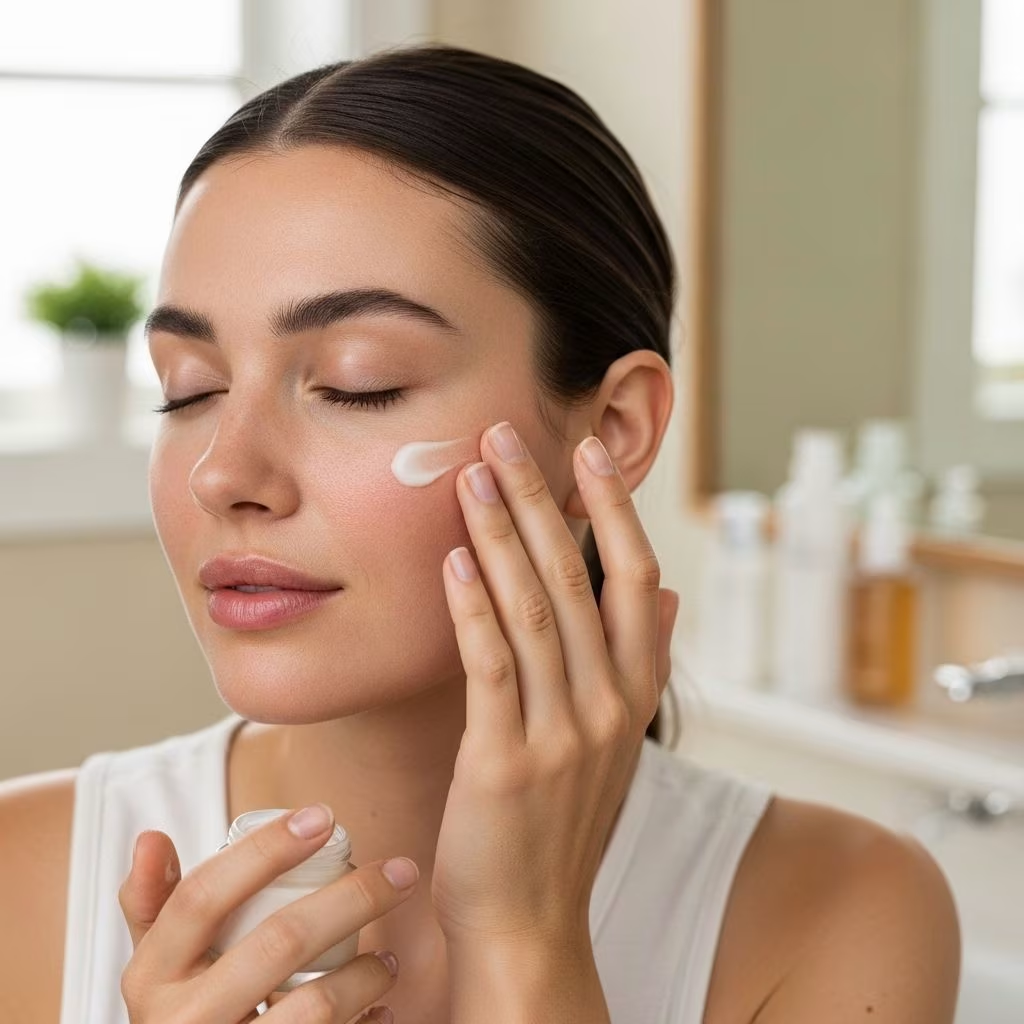
Inflamed and sensitive skin demands thoughtful care, a focus on ingredient safety, and gentle daily routines. Improper skincare can worsen redness, stinging, or dryness, making it vital to follow a regimen developed specifically for sensitive, reactive complexions. This guide details proven steps, core product recommendations, expert tips, and answers to common questions, giving you the knowledge to calm, hydrate, and protect your fragile skin barrier effectively.
Understanding Sensitive & Inflamed Skin
Sensitive skin refers to skin that reacts more than normal to environmental factors, topical applications, or internal triggers. Typical reactions include redness, stinging, burning, or visible inflammation. Some people are genetically predisposed, while others develop sensitivity due to skin disorders, allergies, overexposure to harsh elements, or compromised barriers.
Inflamed skin is a symptom—marked by visible irritation (redness, swelling, heat, pain)—often overlapping with sensitive skin but sometimes arising from acute infections, dermatitis, or autoimmune flare-ups. Managing both conditions requires extreme gentleness and barrier maintenance.
Core Principles of Sensitive Skincare
- Minimalism: The fewer ingredients and products, the less chance for irritation.
- Avoidance of Fragrance: Synthetic and natural fragrances are leading causes of allergic reactions and should be avoided completely.
- Use of Hypoallergenic, Non-Comedogenic Products: These are specially formulated to minimize allergic reactions and pore blockages.
- Barrier Repair: Support the skin’s moisture barrier by using emollient, hydrating, and occlusive ingredients.
- Sun Protection: Broad-spectrum, mineral-based sunscreen is essential for preventing UV-induced flare-ups.
- Patch Testing: Always test new products on a small area before full application.
Step-by-Step Skincare Routine for Inflamed & Sensitive Skin
Morning Routine
- Gentle Cleanser
Choose a creamy or oil-based, non-foaming cleanser free from fragrance, sulfates, and alcohol. Gently massage onto damp skin with fingers, then rinse with lukewarm (not hot) water. Avoid rough cloths or exfoliation in this step.
- Optional Hydrating Toner
If using a toner, opt for alcohol-free, plant-based formulas containing arginine, jojoba esters, or aloe. These can further hydrate and strengthen the barrier.
- Soothing Serum
A serum can deliver active calming ingredients like niacinamide, green tea extract, or Centella Asiatica. Select lightweight, fast-absorbing formulations that avoid irritating preservatives or colorants.
- Moisturizer
Apply a fragrance-free, hypoallergenic moisturizer with soothing agents like hyaluronic acid, ceramides, or colloidal oatmeal. For especially dry, inflamed skin, opt for richer creams over lotions.
- Protective Mineral Sunscreen
Finish with a broad-spectrum mineral sunscreen (zinc oxide or titanium dioxide, SPF 30 or higher). Look for non-tinted, non-comedogenic, sensitive-skin-friendly sunscreen to reduce the risk of further irritation.
Evening Routine
- Makeup Removal & Cleansing
Double cleanse if using makeup or sunscreen: begin with a fragrance-free oil cleanser followed by a gentle, creamy cleanser.
- Optional Hydrating Toner
Repeat the gentle toner step from the morning, if desired.
- Hydrating/Barrier Serum
Evenings are ideal for deeper hydration—serums with hyaluronic acid, panthenol, or allantoin help soothe and relieve ongoing inflammation.
- Recovery Moisturizer
Apply a restorative cream especially if the skin feels tight, flaky, or appears red. Niacinamide and cica extract are beneficial at this stage.
- Spot Treatments (If Needed)
Use anti-inflammatory spot creams containing colloidal oatmeal or aloe vera on localized irritation, avoiding prescription steroids unless recommended by a dermatologist.
Weekly/Occasional Step: Gentle Exfoliation
- Exfoliate with Caution: Stick with gentle chemical exfoliants like low-strength glycolic, lactic, or polyhydroxy acids that incorporate humectants and antioxidants. Avoid manual scrubs, brushes, or cleansing devices. Limit to once a week unless tolerated more frequently.
Key Soothing Ingredients to Look For
| Ingredient | Main Benefits for Sensitive/Inflamed Skin |
|---|---|
| Niacinamide (Vitamin B3) | Reduces redness, strengthens barrier, controls inflammation |
| Centella Asiatica (Cica) | Promotes healing, soothes irritation, reduces visible inflammation |
| Aloe Vera | Hydrating, anti-inflammatory, calming for redness and itching |
| Colloidal Oatmeal | Binds moisture, relieves itch, forms protective barrier |
| Hyaluronic Acid | Boosts hydration, plumps the skin, supports barrier repair |
| Green Tea Extract | Rich in antioxidants, calms reactive skin, reduces UV inflammation |
| Panthenol (Provitamin B5) | Accelerates repair, alleviates dryness, reduces redness |
| Squalane | Lightweight moisturizer, mimics natural skin oils, non-comedogenic |
| Zinc Oxide / Titanium Dioxide | Physical sun protection; prevents irritation from UV rays |
Ingredients & Practices to Avoid
- Fragrance (synthetic & natural): Top source of allergies and irritation, even for products labeled ‘unscented’.
- Alcohol (denatured, ethanol): Can strip the barrier and increase dryness, especially in toners and astringents.
- Essential Oils: Such as peppermint, eucalyptus, citrus, or lavender oil, which can aggravate sensitive skin.
- Sodium Lauryl Sulfate (SLS): Harsh foaming agent that depletes natural oils and compromises barrier function.
- Physical Exfoliants: Scrubs with large particles, facial brushes, or rough sponges cause microtears and worsen redness.
- High-Strength Acids: AHAs/BHAs at elevated concentrations without balancing ingredients may damage sensitive complexions.
- Heavy, Oily Creams with Comedogenic Ingredients: Risk of clogged pores increases irritation.
Advanced Tips for Calming Inflamed Skin
- Use cool compresses or refrigerated skincare for instant redness relief.
- Sleep on silk or satin pillowcases to reduce friction and potential inflammatory triggers overnight.
- Maintain a humidifier in dry environments—hydrated air helps prevent TEWL (transepidermal water loss).
- Avoid prolonged hot showers and facial steaming—both dehydrate and sensitize skin further.
- Consult a board-certified dermatologist for sudden, severe, or non-improving inflammation. Patch test all new products on the inner arm before full use.
- If prescribed, use steroid or medicated creams strictly as directed to prevent thinning or dependency.
Frequently Asked Questions (FAQs)
Q: Can I exfoliate inflamed or sensitive skin?
A: Exfoliation is possible but must be approached cautiously—opt for very mild chemical exfoliants with added humectants and only exfoliate once a week to avoid barrier disruption.
Q: Is sunscreen necessary even if I stay indoors?
A: Yes. UVA rays penetrate windows, so consistent sunscreen use protects against hidden triggers of inflammation and long-term sensitivity.
Q: How can I identify a ‘hypoallergenic’ product?
A: Look for clear labeling, short ingredient lists, avoidance of known irritants (fragrance, alcohol, essential oils), and clinical testing for sensitive skin.
Q: Does diet affect my sensitive skin?
A: Certain foods high in spices, alcohol, or histamines may trigger flares in ultra-sensitive skin—track your reactions and consider consulting a dermatologist or allergist for guidance.
Q: How long should it take to see improvement in redness or sensitivity?
A: Most gentle skincare routines show noticeable relief and hydration in 2–4 weeks, but chronic or severe symptoms warrant professional evaluation.
Conclusion
Establishing a scientifically sound skincare routine tailored to inflamed and sensitive skin can dramatically improve comfort, restore barrier function, and prevent future irritation. By prioritizing hypoallergenic, fragrance-free products rich in soothing and restorative ingredients—and avoiding harsh chemicals and scrubs—you support your skin’s healing journey. Consistency, patience, and expert consultation are vital for lasting results and vibrant, resilient skin health.
References
- https://www.isdin.com/us/blog/skincare/sensitive-skin-routine/
- https://lovekinship.com/blogs/news/skin-care-routine-for-sensitive-skin
- https://www.coastaldermonline.com/blog/sensitive-skin-care-tips-for-maintaining-healthy-calm-skin
- https://www.tru-skin.com/blog/developing-an-effective-skincare-routine-for-sensitive-skin
- https://www.absolution-cosmetics.com/en/content/33-skincare-the-routine-for-sensitive-skin-absolution
- https://www.doctorkatta.com/sensitive-skin
- https://www.paulaschoice.com/expert-advice/skincare-advice/skin-redness/how-to-care-for-red-sensitive-skin.html
- https://shikobeauty.com/blogs/expert-advice/anti-inflammation-skincare-guide-what-works-what-doesn-t
- https://www.youtube.com/watch?v=GNOl8XNbKns


