


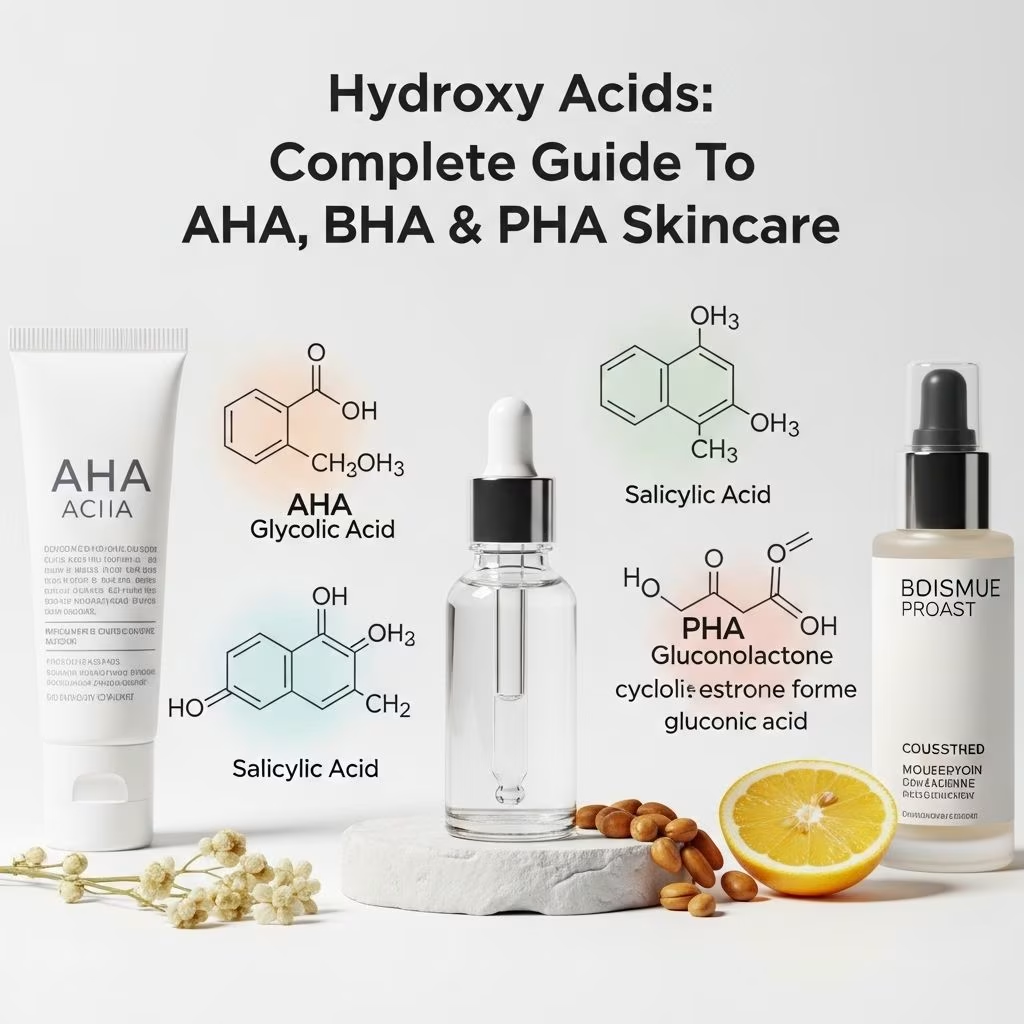
What Are Hydroxy Acids?
Hydroxy acids are a family of chemical exfoliants used in skincare to promote the natural shedding of dead skin cells from the skin’s surface, revealing fresher, healthier skin underneath. They are divided into three main categories: Alpha-Hydroxy Acids (AHA), Beta-Hydroxy Acids (BHA), and Polyhydroxy Acids (PHA). Each type offers unique benefits and is suited for different skin types and concerns, making them a cornerstone of modern skincare routines.
What Is AHA?
Alpha-Hydroxy Acids, or AHAs, are water-soluble acids derived from natural sources such as fruits and milk. Common types include glycolic acid (from sugarcane) and lactic acid (from milk). AHAs primarily work on the skin’s surface, helping to break down the bonds between dead skin cells, which in turn smooths and softens the skin and can reduce the appearance of fine lines, wrinkles, and sun damage.
AHAs are particularly beneficial for:
- Dry or rough skin
- Improving skin tone and texture
- Reducing the visible signs of aging
- Enhancing skin radiance
However, because AHAs can increase the skin’s sensitivity to sunlight, regular use of sunscreen is strongly recommended to avoid sun damage.
What Is BHA?
Beta-Hydroxy Acids, or BHAs, are oil-soluble acids that penetrate deeper into the skin, targeting the pores. The most common BHA is salicylic acid, which is renowned for its ability to unclog pores and treat acne.
BHAs are especially beneficial for:
- Oily, acne-prone, or congested skin
- Treating blackheads and whiteheads
- Reducing inflammation and redness
Due to their oil solubility, BHAs can dissolve excess sebum and break down pore blockages, making them particularly effective for those struggling with blemishes or oily skin.
What Is PHA?
Polyhydroxy Acids, or PHAs, are the newest generation of hydroxy acids. They are characterized by a larger molecular structure compared to AHAs and BHAs, which means they penetrate the skin more slowly and gently, causing less irritation. Common PHAs include gluconolactone, lactobionic acid, and maltobionic acid.
PHAs offer several unique benefits:
- Gentle exfoliation suitable for sensitive, dry, or reactive skin
- Hydration and moisture retention
- Antioxidant properties
- No increase in sun sensitivity, unlike AHAs
PHAs are ideal for those who find AHAs or BHAs too harsh, including individuals with rosacea, eczema, or atopic dermatitis.
AHA, BHA, & PHA: How They Compare
| Type | Solubility | Main Benefits | Best For | Sun Sensitivity |
|---|---|---|---|---|
| AHA | Water-soluble | Surface exfoliation, brightening, anti-aging | Dry, rough, sun-damaged skin | Yes, increases sensitivity |
| BHA | Oil-soluble | Deep pore cleansing, acne treatment, anti-inflammatory | Oily, acne-prone, congested skin | Slight, less than AHA |
| PHA | Water-soluble | Gentle exfoliation, hydration, antioxidant | Sensitive, reactive, eczema-prone skin | No, does not increase sensitivity |
Benefits of Chemical Exfoliation with Hydroxy Acids
Incorporating hydroxy acids into your skincare routine can offer a multitude of benefits beyond simple exfoliation:
- Improved Skin Texture: Regular use helps to smooth roughness, refine pores, and create an even skin tone.
- Reduced Signs of Aging: AHAs, in particular, are effective at diminishing fine lines and wrinkles, while PHAs provide antioxidant benefits that help prevent premature aging.
- Acne Prevention and Treatment: BHAs excel at unclogging pores and reducing breakouts, making them a staple in acne management.
- Hydration and Radiance: PHAs are natural humectants, attracting and locking in moisture for a dewy, healthy-looking complexion.
- Suitable for Sensitive Skin: PHAs offer exfoliation without irritation, making them accessible to those with skin conditions like eczema or rosacea.
How to Choose the Right Hydroxy Acid for Your Skin Type
Selecting the right hydroxy acid depends on your skin type, concerns, and sensitivity:
- Dry/Rough/Sun-Damaged Skin: Choose AHAs, such as lactic or glycolic acid, to enhance hydration and smooth texture.
- Oily/Acne-Prone/Combination Skin: Opt for BHAs, like salicylic acid, to target excess oil and prevent breakouts.
- Sensitive/Reactive/Eczema-Prone Skin: PHAs are the gentlest option, providing exfoliation without irritation or increased sun sensitivity.
- Combination Skin: Consider using a product that combines low concentrations of AHA, BHA, and/or PHA tailored to different areas of your face.
If you’re unsure, consulting a dermatologist or skincare specialist is always a good idea to avoid undue irritation or adverse reactions.
How to Use AHA, BHA, & PHA In Your Skincare Routine
Introducing hydroxy acids into your routine requires a thoughtful approach to maximize benefits while minimizing potential irritation:
- Start Slowly: Begin with applications 1-2 times per week, gradually increasing frequency as your skin tolerates.
- Follow Instructions: Always adhere to product instructions regarding concentration and application methods.
- Patch Test: Test new products on a small area of skin before widespread use.
- Layer Carefully: Avoid combining multiple exfoliating acids unless you’re using a professionally formulated combined product.
- Sun Protection: Always use broad-spectrum sunscreen daily, especially when using AHAs or BHAs, to protect against increased photosensitivity.
- Moisturize: Pair hydroxy acids with hydrating and barrier-repairing moisturizers to prevent dryness or irritation.
Potential Side Effects and Precautions
While hydroxy acids are generally safe, there are important precautions to consider:
- Irritation: Overuse or using products with high concentrations can cause redness, burning, stinging, or peeling.
- Sun Sensitivity: AHAs, and to a lesser extent BHAs, increase susceptibility to UV damage—always use sunscreen.
- Combining Acids: Mixing multiple acids without guidance can lead to over-exfoliation and damage. Use combined products formulated by professionals.
- Skin Conditions: Those with active eczema, dermatitis, or open wounds should avoid chemical exfoliation until their skin is healed.
Combining Hydroxy Acids: Tips for Safe Use
While AHAs, BHAs, and PHAs can be used together, it’s important to do so cautiously:
- Use Pre-Formulated Combinations: Many skincare brands offer products with balanced blends of acids, reducing the risk of irritation.
- Alternate Days: If using separate products, apply them on different days to prevent over-exfoliation.
- Listen to Your Skin: If irritation occurs, reduce the frequency or concentration of acid use.
- Professional Guidance: Consult a dermatologist for personalized advice, especially if you have sensitive or problematic skin.
Frequently Asked Questions (FAQs)
Can I use AHA, BHA, and PHA together?
It’s possible to use these acids together, especially if your skin tolerates them well, but it’s safer to use professionally formulated combination products to avoid irritation. Introducing them gradually and monitoring your skin’s response is key.
How often should I exfoliate with hydroxy acids?
Start with 1-2 times per week and increase gradually as tolerated, up to daily use for some PHAs. Always follow product instructions and listen to your skin’s needs.
Can hydroxy acids help with acne?
Yes, BHAs like salicylic acid are especially effective for acne treatment by unclogging pores and reducing oil production.
Are hydroxy acids safe for sensitive skin?
PHAs are the best choice for sensitive skin, as they offer gentle exfoliation and hydration without irritation. AHAs and BHAs can be tolerated at lower concentrations, depending on individual sensitivity.
Do I need to wear sunscreen with hydroxy acids?
Yes, especially with AHAs and BHAs, as they increase sun sensitivity. Daily sunscreen is essential to protect your skin.
Can hydroxy acids help with dark spots?
Yes, AHAs in particular can help fade dark spots and improve overall skin tone by promoting cellular turnover and revealing fresh skin.
Should I use hydroxy acids if I have rosacea or eczema?
PHAs are the best choice for rosacea or eczema-prone skin, as they provide gentle exfoliation without causing irritation. Always consult with your dermatologist if you have a chronic skin condition.
Incorporating hydroxy acids into your skincare routine can transform your complexion, but understanding their differences and how to use them is crucial for obtaining their full benefits while keeping your skin healthy and protected.
References
- https://thedeconstruct.in/blogs/aha-bha/difference-between-aha-bha-and-pha
- https://junglueck.de/en-nl/blogs/produktwissen/aha-bha-pha-wirkung-und-anwendung-von-hydroxysaeuren
- https://www.cerave.com/skin-smarts/skincare-tips-advice/understanding-the-differences-between-ahas-and-bhas
- https://plumgoodness.com/blogs/skincare/skincare-acid-aha-bha-pha
- https://renude.co/blog/ingredients/aha-bha-pha-and-lha-what-are-they-and-how-should-they-be-used-58
- https://www.halecosmeceuticals.com/blog/aha-bha-pha
- https://www.paiskincare.us/blogs/guides/acids-in-skincare-guide
- https://us.typology.com/library/aha-bha-and-pha-which-acid-to-choose
- https://moonjuice.com/blogs/ingredients/whats-the-difference-between-aha-bha


