


Introduction
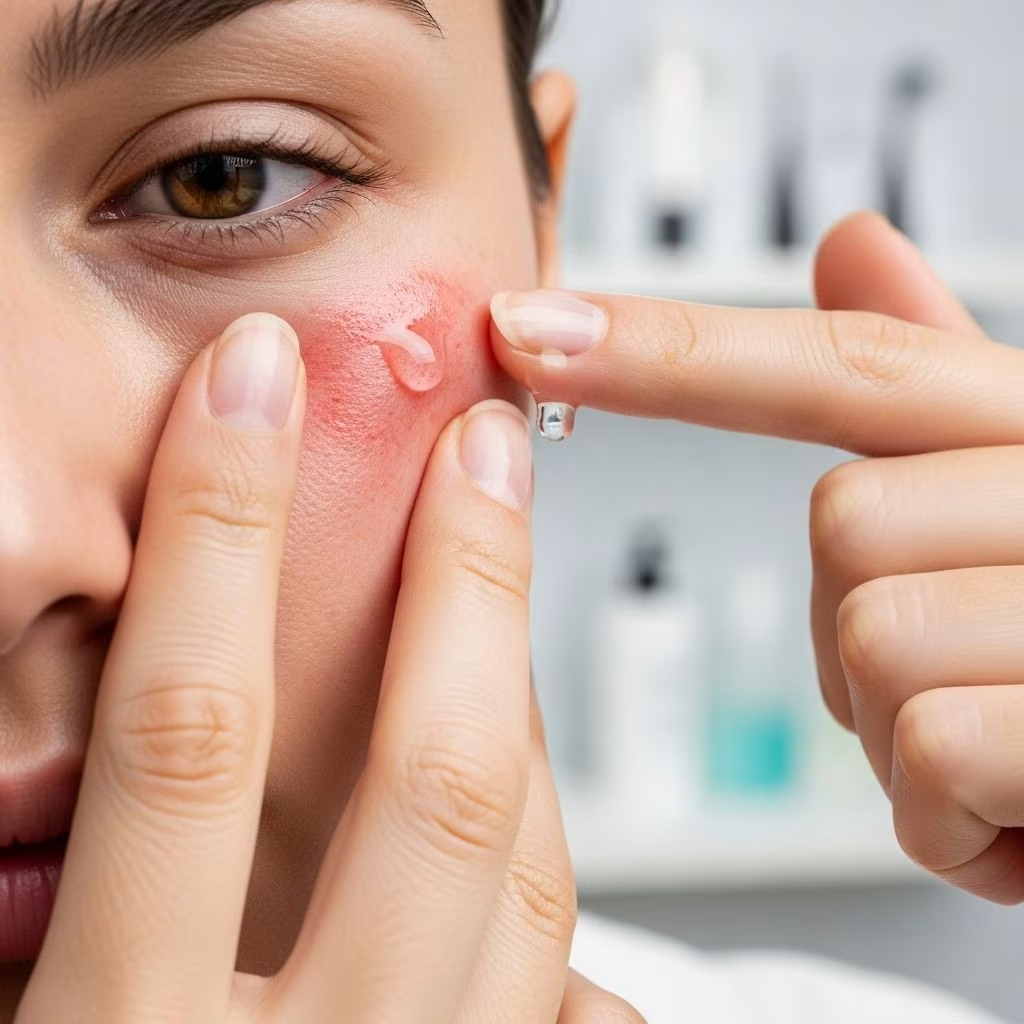
Skincare enthusiasts often incorporate active ingredients like retinol, vitamin C, and exfoliating acids to achieve radiant, healthy skin. However, these potent components can sometimes cause stinging, burning, or redness—a sign your skin is reacting negatively. This article explores the reasons behind this stinging sensation, immediate steps to soothe irritated skin, and expert-backed strategies to prevent future irritation and restore your skin’s protective barrier.
What Causes Skin Stinging from Actives?
Stinging, burning, or tingling sensations after applying active skincare products can result from several underlying causes, including:
- Damaged or Compromised Skin Barrier: A strong skin barrier acts as a shield, protecting against irritants. When this barrier is weak—due to factors like over-exfoliation, sun damage, or underlying skin conditions—active ingredients can penetrate deeper, triggering a stinging sensation.
- Harsh or Irritating Ingredients: Ingredients such as alcohol, synthetic fragrances, and certain acids (AHAs, BHAs) can be particularly irritating, especially if your skin is already sensitive or injured.
- Overuse or Layering of Actives: Using multiple active ingredients simultaneously can overload your skin, increasing the risk of irritation and stinging[10].
- Allergic Reactions and Sensitivities: Even “gentle” ingredients can cause stinging if you have a specific allergy or heightened sensitivity.
- pH Imbalance: Skincare products with a pH that is too acidic or too alkaline can disrupt your skin’s natural balance, leading to discomfort and irritation.
- Environmental Triggers: Cold air, central heating, and sun damage can dry and sensitize skin, making it more prone to stinging from otherwise tolerable products.
Common Active Ingredients and Their Effects
| Ingredient | Purpose | Potential for Stinging |
|---|---|---|
| Retinol/Retinoids | Anti-aging, cell turnover | High (especially when first introduced or used with other actives) |
| Vitamin C (L-ascorbic acid) | Antioxidant, brightening | Moderate to High (if pH is low or skin is compromised) |
| AHAs (glycolic acid, lactic acid) | Exfoliation | High (especially if overused or used on sensitive skin) |
| BHAs (salicylic acid) | Exfoliation, acne treatment | High (especially on broken or compromised skin) |
| Niacinamide | Barrier repair, soothing | Low (generally well-tolerated) |
Symptoms and Signs of Skin Irritation
Stinging from actives is often accompanied by:
- Redness and inflammation
- Burning or tingling sensation immediately after application
- Itching or mild discomfort
- Peeling, flaking, or dry patches (with ongoing irritation)
If your skin regularly stings, burns, or turns red after using skincare products, this may signal a compromised barrier or an underlying skin condition that needs attention.
Immediate Steps to Soothe Stinging Skin
- Stop Using the Offending Product(s): Immediately discontinue use of the product causing the irritation—especially those with active ingredients like retinoids, acids, or potent antioxidants.
- Gently Cleanse: Rinse your face with lukewarm water to remove any residual product. Avoid hot water, which can further inflame sensitive skin.
- Apply Soothing Ingredients: Use products containing centella asiatica, panthenol, aloe vera, or hyaluronic acid to calm inflammation and support barrier repair.
- Avoid Further Irritation: Steer clear of harsh cleansers, exfoliants, or anything with fragrance or alcohol until your skin recovers.
- Moisturize Liberally: Apply a gentle, barrier-repairing moisturizer to lock in hydration and support skin recovery. Look for ingredients like ceramides, niacinamide, and lipids to help rebuild the skin barrier.
- Protect from the Sun: Wear a broad-spectrum sunscreen daily to prevent further damage and sensitivity, as your skin is more vulnerable during recovery.
- Monitor for Severe Reactions: If you experience blistering, severe redness, or pain, seek medical attention immediately, as this could indicate a chemical burn.
When to Seek Professional Help
While mild stinging may resolve on its own, you should consult a dermatologist if:
- The irritation persists for more than a few days
- You notice blistering, severe redness, or pain
- You have a history of skin conditions such as eczema, rosacea, or psoriasis
- You experience an allergic reaction (swelling, hives, or difficulty breathing)
Long-Term Management and Prevention
- Introduce Actives Gradually: Start with a lower concentration and frequency, slowly increasing as your skin builds tolerance[10].
- Layer Products Strategically: Avoid using multiple active ingredients in the same routine; stagger their use and always follow with a soothing moisturizer.
- Strengthen Your Skin Barrier: Incorporate barrier-supporting ingredients (ceramides, niacinamide, fatty acids) into your routine to reduce sensitivity over time.
- Patch Test New Products: Apply a small amount to a discreet area before full-face use to check for reactions.
- Listen to Your Skin: If a product consistently causes irritation, discontinue use regardless of its popularity.
- Adjust with Seasons and Conditions: Be mindful of environmental factors that may increase skin sensitivity, such as dry winter air or sun exposure.
Frequently Asked Questions (FAQs)
Q: Is it normal for active ingredients to sting?
A: Mild tingling can sometimes occur with certain actives, but consistent burning, stinging, or redness is not normal and indicates irritation or a compromised skin barrier.
Q: Why does my face suddenly burn when I apply moisturizer?
A: This usually means your skin barrier is damaged or you’re reacting to a specific ingredient. Switch to a gentle, fragrance-free product and focus on barrier repair.
Q: How can I tell if my skin is just irritated or if I have a chemical burn?
A: Irritation typically involves redness, stinging, and mild discomfort. A chemical burn may cause blistering, severe pain, or significant redness—seek medical attention if you suspect a burn.
Q: Can I continue using active ingredients if my skin stings?
A: No. Stop using the active and allow your skin to recover. Reintroduce actives slowly once your skin barrier is restored, and always listen to your skin’s signals[10].
Q: What are the best ingredients to use after stinging from actives?
A: Look for soothing ingredients like panthenol, centella asiatica, aloe vera, niacinamide, and hyaluronic acid. Avoid actives, fragrances, and alcohol until your skin heals.
Q: How long does it take for skin to recover from irritation caused by actives?
A: Most mild irritation resolves within a few days to a week with proper care. Persistent or severe symptoms require professional evaluation.
References
- https://callaskincare.com/blog/why-does-my-face-burn-after-skin-care/
- https://www.london-dermatology-centre.co.uk/blog/why-skin-burns-with-moisturiser/
- https://lovekinship.com/blogs/news/skincare-burning-face
- https://www.medicalnewstoday.com/articles/chemical-burn-on-face-from-skin-care
- https://blog.reneerouleau.com/skincare-products-sting/
- https://www.refinery29.com/en-us/skin-care-product-burn
- https://www.paulaschoice.com/expert-advice/skincare-advice/skin-care-how-tos/stopping-unwanted-reactions-to-skincare-products.html
- https://www.themelanatedbar.com/blogs/black-beauty/products-burning-my-skin
- https://eightsaintsskincare.com/blogs/page-eight/facial-gone-wrong-here-s-how-to-tone-down-the-aftermath
- https://www.celluheal.com/blogs/news/how-to-treat-skin-burns-from-skincare-products-or-peels


