


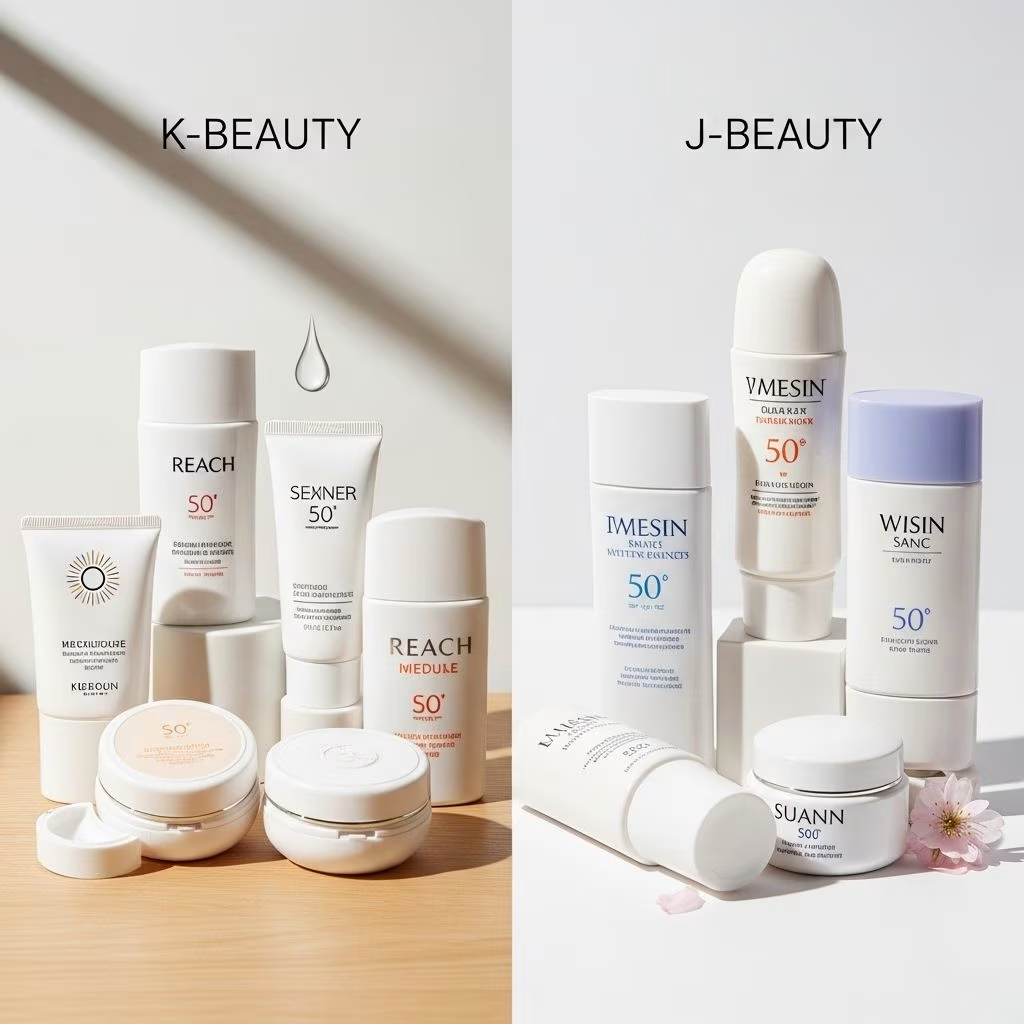
Japanese (J-Beauty) and Korean (K-Beauty) sunscreens have revolutionized global skincare with their sophisticated UV filters, lightweight aesthetics, and impressive finish on diverse skin tones. This comprehensive guide dissects K-Beauty and J-Beauty sunscreens, exploring innovative UV filters, standout products, full ingredient transparency, and how to select the best SPF for your unique needs.
Introduction: Why Asian Sunscreens Lead the World
Asian sunscreens, particularly those from Korea and Japan, consistently rank among the most innovative and user-friendly sun protection products globally. Their appeal stems from:
- Advanced UV filter technology offering both broad-spectrum and photostable protection
- Lightweight, cosmetically elegant textures suited for layering and daily use
- Non-whitening formulas ideal for a wide range of skin tones
- Rigorous in-house and third-party testing within Asia’s competitive skincare markets
J-Beauty and K-Beauty brands have redefined sunscreen not as a chore, but as an enjoyable, essential part of skincare—fueling global demand for their innovative products.
The Science: UV Filters in Asian Sunscreens
UV filters are the heart of any sunscreen. They determine SPF efficacy, UVA/UVB coverage, and even the texture of the final product. Asian regulatory agencies allow for the use of newer-generation UV filters, many yet to receive FDA approval in the US. The most frequently used filters include:
| UV Filter | Photo Stability | Coverage | Used In |
|---|---|---|---|
| Uvinul A Plus (Diethylamino Hydroxybenzoyl Hexyl Benzoate) | Very high | UVA I (320–400 nm) | Many K & J sunscreens |
| Tinosorb S (Bemotrizinol) | Excellent | UVA & UVB | Top products like Biore |
| Tinosorb M (Bisoctrizole) | Very high | UVA & UVB | Some Korean options |
| Octyl Triazone | High | UVB | Japan & Korea |
| DHHB (Diethylhexyl Butamido Triazone) | Very high | UVA & UVB | Mainly J-Beauty |
| Zinc Oxide & Titanium Dioxide | Excellent | UVA & UVB | Both K-Beauty & J-Beauty for mineral options |
Many filters, like Uvinul A Plus and Tinosorb S, offer broad-spectrum, photostable protection with a clear, non-greasy finish, and minimal risk for irritation—making them stand out from traditional (and sometimes greasy or pasty) Western sunscreens.
K-Beauty Sunscreens: Innovations and Favorites
Korean sunscreens have become cult favorites for their blend of high efficacy, affordable price points, and ingredient-conscious formulation. Key K-Beauty trends include:
- Hydrating, serum-like textures that double as moisturizers
- Use of skin barrier–supportive ingredients like ceramides, niacinamide, panthenol, and rice extracts
- Frequent third-party SPF validation and transparent labeling
- Minimal white cast, non-comedogenic formulations
Some of the most acclaimed K-Beauty sunscreens of 2025 include:
- Beauty of Joseon Relief Sun: Rice + Probiotics SPF50+ PA++++
– Lightweight, hydrating, non-greasy; no fragrance. Certified SPF from two independent labs. Features rice extract, niacinamide, probiotics – excellent for sensitive skin and daily use. - Round Lab Birch Juice Moisturizing Sun Cream SPF50+ PA++++
– Deep hydration, beloved for parched or dry skin. Stars birch juice and has won multiple Asian beauty awards. - Isntree Hyaluronic Acid Watery Sun Gel SPF50+ PA++++
– Offers a featherlight feel, rich in hyaluronic acid (eight types) for layered hydration, ideal under makeup. - PURITO Daily Go-To Sunscreen SPF50+ PA++++
– Highly rated for comfort and transparency in labeling and testing. - Dr. G Green Mild Up Sun SPF50+ PA++++
– Mineral-based, calming, and suitable for sensitive or reactive skin. Uses zinc oxide and titanium dioxide.
Korean sunscreen innovation, spurred by global SPF controversy (e.g., the 2020 SPF mislabeling crisis), has made consumer trust and external validation a new industry standard.
J-Beauty Sunscreens: Leading Japanese Formulations
Japanese sunscreens are celebrated for their water-light feel, quick absorption, and powerful protection, often at affordable prices. Standout features include:
- Ultra-lightweight gel or fluid textures, often with a barely-there finish
- Pore-blurring, makeup-friendly effects for seamless layering
- High water and sweat resistance—a priority in humid Asian climates
- Maximum UVA and UVB protection with stringent in-country testing
Top J-Beauty sunscreen picks of 2025 include:
- Bioré UV Aqua Rich Watery Essence SPF50+ PA++++
– Iconic for its cool gel-cream texture, instant absorption, and pore-filling, non-sticky finish. Photostable advanced filters (Octinoxate, DHHB, Bemotrizinol). - Kose Sekkisei Clear Wellness UV Sunscreen Mild Milk SPF50+ PA++++
– Watery, milky texture; absorbs rapidly with a silky feel. Uses mineral filters, supports skin with botanical extracts. - Nivea UV Super Water Gel SPF50 PA+++ (Japan version)
– Exceptionally lightweight and affordable, offering long-lasting comfort. - Suqqu Multi Skin Protector SPF50
– Elegant, nourishing cream; very refined texture, doubles as a primer for makeup.
Texture, Finish & Skin Feel: K-Beauty vs J-Beauty
- K-Beauty sunscreens often feel like a hybrid of moisturizer and essence—hydrating, lightly occlusive but never greasy. Many contain skin-beneficial actives and are ideal for layering under makeup or as a daily moisturizer replacement.
- J-Beauty sunscreens prioritize weightlessness; many popular products offer near-imperceptible layers that settle to a velvety or satin-matte finish. These suit oily or combination skin and hot, humid weather superbly.
- Both typically avoid prominent white casts due to transparent or microencapsulated chemical filters—and Japanese mineral formulations often outperform their Western counterparts in cosmetic elegance.
Ingredient Safety & Regulatory Differences
Japanese and Korean regulatory authorities approve a wider selection of advanced chemical UV filters than the US FDA, enabling better photostability and aesthetics.
- Asian sunscreens often disclose full ingredient lists, allow easy cross-checking of filters and other actives, and undergo in-depth safety testing in local labs.
- SPF and PA ratings:
- SPF (Sun Protection Factor) rates UVB protection.
- PA system (originating in Japan) indicates UVA protection, with more pluses (e.g., PA++++) signifying higher efficacy.
- Recent policies post-SPF scandals have led to increased batch testing, third-party verification, and greater supply chain transparency (especially in Korea).
It’s important to note that allergenicity and irritation potential still depend on both filters and added ingredients (e.g., fragrance, botanical extracts). Those with ultra-sensitive or allergic skin should still patch test any new sunscreen.
How to Choose the Right Asian Sunscreen
Selecting the best K-Beauty or J-Beauty sunscreen involves both personal preference and skin health considerations:
- Skin type:
- Dry, dehydrated skin: Opt for hydrating K-Beauty gels (Isntree, Beauty of Joseon, Round Lab).
- Oily, combination skin: Choose gel-essences or water gels (Bioré, Nivea, Suqqu).
- Sensitive/reactive skin: Look for mineral sunscreens with zinc oxide/titanium dioxide and zero fragrance (Dr. G, Kose Sekkisei, some Innisfree options).
- Finish goals: For a dewy finish, try K-Beauty serums; for a matte, poreless look, lean to J-Beauty gels.
- Makeup compatibility: Most Asian sunscreens are designed for seamless makeup layering, but be sure to patch test layering with your current foundation or base.
- Water/sweat resistance: If you exercise or live in a humid area, J-Beauty products like Biore frequently outperform in these conditions.
Top K-Beauty vs J-Beauty Sunscreens: Comparison Table
| Product | Origin | Key UV Filters | Texture | Ideal For |
|---|---|---|---|---|
| Beauty of Joseon Relief Sun | Korea | Uvinul A Plus, Tinosorb S | Silky, hydrating lotion | All skin types, esp. sensitive |
| Round Lab Birch Juice Sun Cream | Korea | Octyl triazone, Tinosorb M | Creamy, fast-absorbing | Dry/dehydrated skin |
| Bioré UV Aqua Rich Watery Essence | Japan | Octinoxate, DHHB, Bemotrizinol | Light gel-cream | Oily/combo, humid climates |
| Kose Sekkisei UV Mild Milk | Japan | Zinc oxide, titanium dioxide | Watery fluid, no white cast | Sensitive or mineral lovers |
| Isntree HA Watery Sun Gel | Korea | Tinosorb S, Uvinul A Plus | Fast-absorbing gel | All, esp. dehydrated skin |
| Suqqu Multi Skin Protector | Japan | Hybrid (see packaging) | Nourishing, refined cream | Makeup primer effect |
Frequently Asked Questions (FAQs)
What is the difference between Korean and Japanese sunscreens?
K-Beauty sunscreens emphasize barrier support and hydration with textures akin to skincare serums, while J-Beauty prioritizes featherlight, quick-absorbing formulations that excel in hot and humid conditions. Both are known for advanced UV filters and no-to-minimal white cast.
Why do Asian sunscreens feel better on the skin?
Asian sunscreens use next-generation chemical filters not yet available in the US, offering effective, lightweight, and non-sticky protection. Innovative emulsions and a focus on skin feel make them preferable for daily, repeated use.
What does PA++++ mean compared to SPF?
SPF measures defense against burning UVB rays. PA is a Japanese-created rating indicating UVA protection: PA++++ denotes the highest level currently measured, crucial for anti-aging and skin health.
Are Asian sunscreens safe for sensitive or acne-prone skin?
Many K-Beauty and J-Beauty sunscreens avoid common irritants and focus on gentle, non-comedogenic formulas. Those highly sensitive should opt for mineral sunscreens or patch test first. Popular picks for sensitive skin include Dr. G Green Mild Up Sun (Korea) and Kose Sekkisei Mild Milk (Japan).
How do I know I’m getting an authentic Asian sunscreen?
Buy from reputable global or Asian beauty retailers. For Korean sunscreens, check for functional cosmetic registration or batch codes. Authenticity matters—counterfeit sunscreens may not offer adequate protection.
Final Thoughts
Whether you gravitate toward K-Beauty’s hydration or J-Beauty’s weightless gels, Asian sunscreens break barriers in sun care innovation. Prioritize texture, filter type, and finish; patch test as needed; and make photoprotection an enjoyable step every morning for healthy, glowing skin all year round.
References
- https://lifeinacoldclimate.com/solutions/i-tried-9-asian-sunscreens-so-you-dont-have-to/
- https://labmuffin.com/korean-sunscreen-reviews-beauty-of-joseon-isntree-innisfree-mary-may/
- https://labmuffin.com/top-sunscreens-2024-part-1-japanese-sunscreens/
- https://www.youtube.com/watch?v=fn6lpWpKYtM
- https://thewagamamadiaries.com/top-korean-sunscreens/
- https://btyaly.com/articles/face-sunscreen-guide-2023-part-2-japanese-sunscreens/
- https://fashionicide.com/2020/04/skincare-my-top-5-affordable-korean-and-japanese-sunscreens-for-oily-combination-clogged-pores-milia-prone-closed-comedones-bumpy-skin.html
- https://www.youtube.com/watch?v=pstVXCXXhwU


