


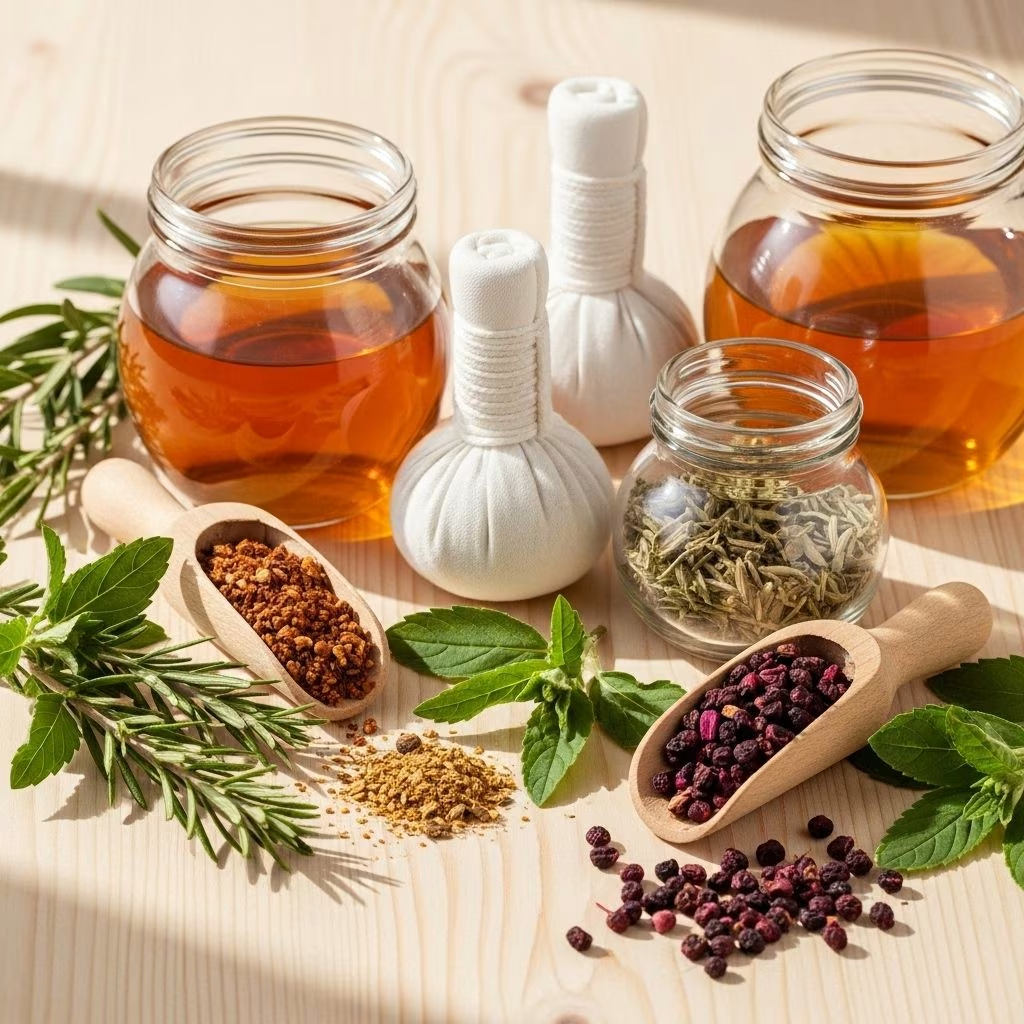
The pursuit of vibrant, youthful skin is a timeless goal, but modern science increasingly turns its attention toward natural remedies that offer holistic benefits. Adaptogens—plant extracts famed for their ability to help the body resist stress—and herbal teas rich in bioactive compounds, are gaining recognition for their significant roles in promoting anti-aging, skin relaxation, and global skin health. This article provides an extensive exploration of how these botanicals support skin resilience and beauty through centuries-old wisdom and modern clinical evidence.
Understanding Adaptogens: An Overview
Adaptogens are natural substances—primarily herbs and mushrooms—that help the body adapt to stress and maintain homeostasis. The term ‘adaptogen’ was first introduced in the mid-20th century to describe botanicals used for centuries in Ayurveda, Traditional Chinese Medicine (TCM), and Siberian folk healing. Common adaptogens in skincare include ashwagandha, reishi mushroom, ginseng, holy basil, and rhodiola, among others.
- Ashwagandha: Renowned for calming effects and anti-inflammatory action.
- Reishi Mushroom: Acts as a potent antioxidant and supports immunity.
- Ginseng: Boosts circulation, increases skin elasticity, and supports energy.
- Holy Basil: Adaptogenic herb known for skin barrier protection and reducing oxidative stress.
These botanicals protect themselves in nature by developing multifaceted defense mechanisms against environmental stressors. When used in skincare, they are valued for their ability to mitigate damage from stressors such as pollution, UV radiation, psychological tension, and poor nutrition.
Adaptogens for Skin Health & Anti-Aging
The decline in skin resilience and ability to respond to stressors is a well-accepted aspect of aging. Adaptogens support skin health through several beneficial actions, offering anti-aging effects and enhancing overall wellness:
- Anti-Inflammatory Properties: Calm irritation and reduce visible inflammation, helping treat and prevent reactive skin conditions (e.g., acne, eczema, dermatitis).
- Antioxidant Action: Neutralize free radicals, thereby preventing oxidative damage and premature aging.
- Skin Barrier Reinforcement: Boost the skin’s ability to retain moisture and defend against environmental stress, enhancing tightness and elasticity.
- Stress Modulation: Support hormonal balance, reducing the impact of cortisol and other stress hormones known to accelerate aging.
Plant-based adaptogen blends have been shown in trials to significantly improve factors like skin texture (by 52%), redness (by 50%), dullness, and uneven pigmentation over 12 weeks.
Mechanisms & Benefits of Adaptogens
Modern research explains adaptogenic effects via several interconnected pathways:
- Modulating Stress Response: Adaptogens influence the Hypothalamic-Pituitary-Adrenal (HPA) axis, lowering the stress response in skin and the body.
- Inhibiting Inflammation: They block pro-inflammatory cytokines, averting redness and flare-ups.
- Antioxidant Defense: They increase endogenous antioxidant production (e.g., superoxide dismutase) and directly scavenge reactive oxygen species.
- Hormonal Regulation: Adaptogens normalize hormonal flux, moderating factors like oil production and pigmentation changes linked to aging and stress.
- Cellular Protection & Renewal: Promote collagen synthesis and prevent breakdown of dermal matrix proteins, leading to firmer and more elastic skin.
Adaptogens in Skincare: Ingredients & Formulations
Skincare formulations utilize adaptogens in serums, moisturizers, facial masks, and cleansing products. When blended thoughtfully, adaptogenic extracts provide synergistic effects boosting overall skin health.
| Adaptogen | Major Bioactive Compounds | Key Function in Skin |
|---|---|---|
| Ashwagandha | Withanolides | Cools inflammation, boosts moisture, reduces stress impact |
| Reishi Mushroom | Polysaccharides, triterpenes | Antioxidant, protects against dullness, supports repair |
| Ginseng | Ginsenosides | Improves firmness, reduces wrinkles, energizes cells |
| Rhodiola | Rosavins, salidroside | Defends against UV, supports tone, helps repair damage |
- Look for products labeled with these botanicals. Formulations should be free from harsh chemical additives to maximize benefits.
- Combination products often offer greater efficacy than single ingredients due to synergistic actions.
Case Study: Plant-Based Adaptogen Serum
A 12-week multi-center trial applied a serum comprised of a diverse group of plant adaptogens to participants aged 45–65 with moderate-to-severe photoaging. Results showed up to 52% improvement in skin texture, 44% in dullness, 50% in redness, and notable reduction in pore size and uneven pigmentation.
Herbal Teas and Skin Relaxation
Tea, particularly herbal varieties, is an ancient wellness beverage—but its bioactive role for skin health and relaxation is increasingly substantiated by clinical science:
- Contains Polyphenols: Compounds like epigallocatechin gallate (EGCG) in green tea and polyphenols in chamomile and rooibos defend against oxidative damage, supporting anti-aging effects.
- Reduces Inflammation: Many herbal teas (e.g., chamomile, tulsi, peppermint) feature anti-inflammatory molecules that calm skin and reduce redness.
- Promotes Relaxation: Tea rituals and compounds like L-theanine (green tea) and apigenin (chamomile) reduce stress hormone levels, preventing stress-induced aging.
- Hydration: Well-hydrated skin is less susceptible to premature aging; moderate tea consumption supports general hydration.
Top Teas for Anti-Aging and Skin Relaxation
- Green Tea: Rich in antioxidants, enhances microcirculation, supports elasticity, and diminishes signs of sun damage.
- Rooibos: Contains aspalathin for skin calming, high antioxidant profile.
- Chamomile: Relieves inflammation, soothes irritation, aids relaxation.
- Tulsi (Holy Basil): Popular adaptogenic tea herb, supports skin barrier, reduces cortisol.
- White Tea: Offers delicate polyphenols that aid in collagen protection and wrinkle reduction.
Synergistic Effects of Adaptogens & Teas
While adaptogenic botanicals and teas individually support skin wellness, their combination may deliver cumulative benefits:
- Dual Stress Management: Internal (via teas) and topical (via serums/creams) use helps normalize stress hormones impacting the skin.
- Enhanced Collagen Support: Polyphenols and adaptogens both stimulate skin renewal, collagen production, and repair mechanisms.
- Comprehensive Inflammatory Control: Different compounds target systemic and localized inflammation, providing deeper relaxation and resilience.
- Antioxidant Synergy: Higher spectrum of antioxidant molecules neutralizes a broad range of free radicals, slowing down skin aging.
Scientific Evidence & Clinical Trials
Peer-reviewed clinical studies reinforce the benefits of adaptogens and teas:
- A 12-week trial with plant adaptogens reported a 39% improvement in global skin quality index, significant decreases in sebum levels, and mild/transient adverse events, confirming safe use.
- Combinations of botanicals, sea kelp, vitamins, and minerals helped reduce inflammation and improve anti-aging markers, as shown in a current blend trial.
- Bibliometric reviews highlight that anti-aging and anti-inflammatory roles are the most frequently claimed benefits of adaptogens in cosmetics.
- Oral and topical adaptogens show effects across various pathways: anti-microbial, antioxidant, hormonal, metabolic, and more. Regulation varies globally, but acceptance of adaptogen-containing skincare grows rapidly.
How to Incorporate Adaptogens & Teas into Your Routine
- Topical Use: Choose skincare products with standardized adaptogenic extracts. Consistency—using serums or creams morning and night—optimizes benefits over time.
- Dietary Intake: Add adaptogenic teas such as tulsi, ginseng, or reishi to your daily beverage choices for relaxation and systemic anti-aging support.
- Synergistic Approach: Combine internal (tea) and external (topical) applications for maximal skin adaptation and health.
- Lifestyle Factors: Prioritize regular sleep, balanced nutrition, and stress management practices to complement adaptogen benefits.
Consult with dermatologists or holistic practitioners to choose products and teas tailored to your individual skin needs and ensure safety, especially if you have allergies or other health considerations.
Frequently Asked Questions (FAQs)
Q: Which adaptogens are best for anti-aging skin benefits?
A: The most researched adaptogens for anti-aging include ashwagandha, reishi mushroom, ginseng, and rhodiola. These botanicals directly enhance skin firmness, reduce wrinkles, and protect against environmental stress.
Q: What clinical evidence supports adaptogen use in skincare?
A: Studies demonstrate that adaptogen-based serums improve skin texture, dullness, redness, and pigmentation within 12 weeks of consistent use, with general improvements seen in global skin health indexes.
Q: Can herbal teas improve skin health?
A: Yes, teas rich in polyphenols (green, white, chamomile, tulsi) decrease inflammation, provide antioxidant protection, and support overall hydration—leading to better skin tone and relaxation.
Q: Is it safe to use adaptogens and teas every day?
A: Generally, both adaptogenic skincare and herbal teas are considered safe for daily use if you do not have allergies or specific contraindications. Consult with healthcare providers for personalized advice.
Q: How long before I see results from adaptogen-based skincare?
A: Significant improvements may be noticed in 4–12 weeks of regular use, as demonstrated by clinical trials on plant-based adaptogen blends.
Final Thoughts
Adaptogens and herbal teas present a science-backed, holistic pathway to maintain youthful, resilient skin and achieve deep relaxation in the face of daily stressors. By integrating these natural tools into your skincare and dietary routine, you harness centuries of traditional wisdom and benefit from modern biomedical understanding—creating lasting anti-aging support and radiant skin health.
References
- https://pmc.ncbi.nlm.nih.gov/articles/PMC10911267/
- https://www.revivalabs.com/the-benefits-of-adaptogens-in-skincare/
- https://jcadonline.com/topical-adaptogens-systematic-review/
- https://pmc.ncbi.nlm.nih.gov/articles/PMC9912821/
- https://www.nutraingredients.com/Article/2025/06/06/adaptogenic-botanical-blend-shows-anti-aging-effects/
- https://www.seppic.com/en-US/article/What-are-adaptogens-in-skin-care
- https://kyla.com/p/blog/adaptogens-for-anti-aging-do-they-really-work/


