


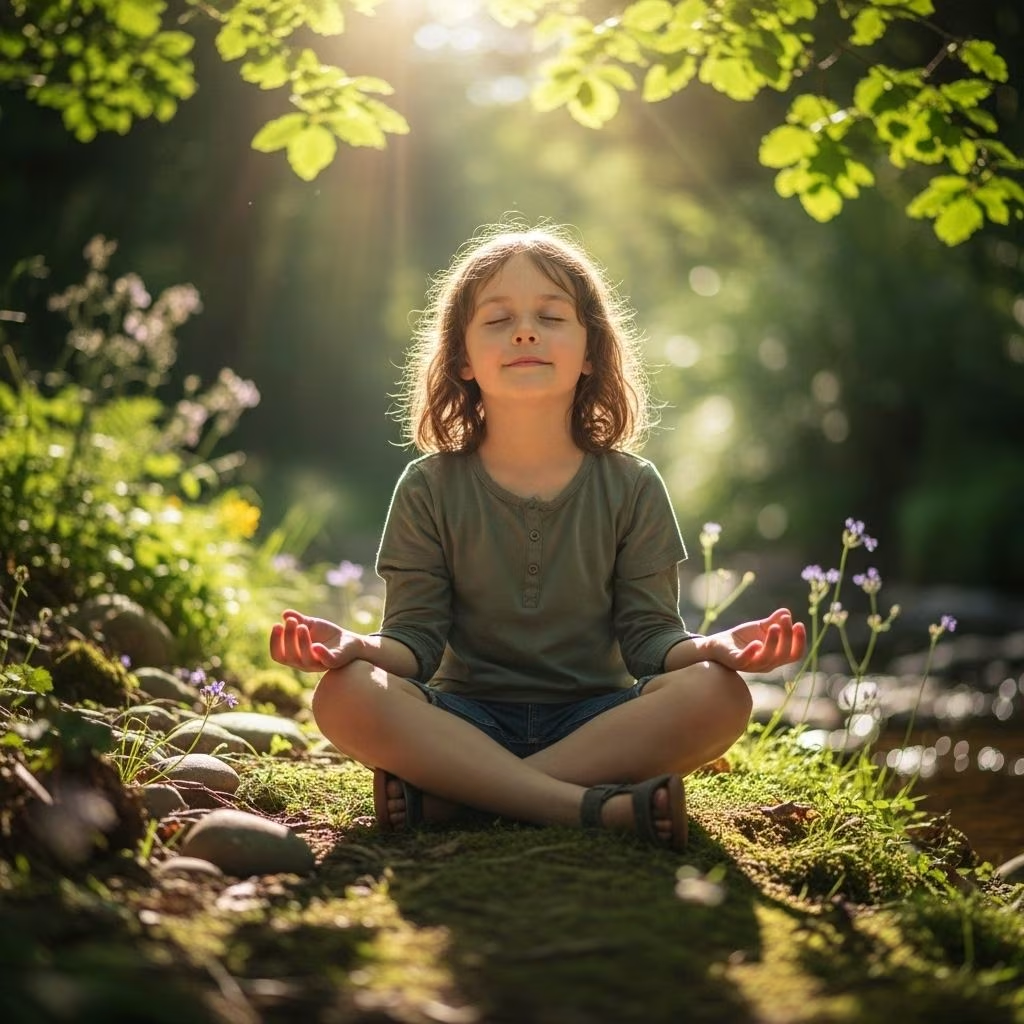
Quick 2-Minute Mindfulness Breaks for Kids: Simple, Effective Techniques for Calm and Focus
In today’s fast-paced world, children are exposed to increasing amounts of stimulation—screens, schedules, social interactions, and academic expectations. Short, guided mindfulness breaks are proven tools for helping kids pause, reset, and build invaluable life skills for self-regulation and emotional balance. Even just two minutes can make a meaningful difference in a child’s mood and ability to focus. This article provides a comprehensive guide to quick, engaging mindfulness practices that can be easily integrated into homes, classrooms, or any setting.
What is Mindfulness for Kids?
Mindfulness is simply paying full attention to the present moment—your thoughts, feelings, body sensations, or the world around you—without judgment. For children, mindfulness is taught through playful, concrete activities such as breathing exercises, gentle movement, and guided imagery.
- Encourages focus and awareness of thoughts and feelings.
- Promotes self-regulation and calm by pausing before reacting.
- Builds emotional resilience by practicing acceptance of both pleasant and unpleasant experiences.
Why Do 2-Minute Mindfulness Breaks Work?
Many believe meditation requires extended periods, but even a short 2-minute practice offers the following benefits for kids:
- Accessibility: Fits easily into any daily routine—before class, after recess, or during transitions.
- Engagement: Children’s concentration spans are brief, so short bursts are more sustainable and enjoyable.
- Evidence-Based Impact: Research shows that mindfulness, even for a minimum of two minutes, can lower heart rate, decrease anxiety, and improve focus.
- Flexibility: Practices can be done individually, in pairs, or with a whole class.
Core Mindfulness Techniques for Children
The following practices provide a solid foundation for children’s mindful breaks. Each is designed for simplicity, engagement, and adaptability across ages.
Mindful Breathing
Breathing exercises help children anchor attention in the present and calm their nervous system:
- Belly Breaths: Invite children to place a hand on their stomach. Feel the hand rise and fall as they inhale and exhale slowly.
- Star Breathing: Trace a star shape with a finger, inhaling at each point, exhaling on each side.
- Deep, 3-Second Breaths: Inhale deeply for three seconds, pause, exhale for three seconds. Repeat four times.
Sensory Awareness
Practices that engage sight, sound, and touch boost observational skills and settle restless energy:
- Mindful Looking: Focus on a single object (e.g., bright bubble or colorful stone). Track its movement or appearance, resisting distractions.
- Listening to Gongs or Chimes: Listen silently to a bell or chime, raising a hand when the sound fades away.
- Textural Touch: Hold a soft or rough object, notice its temperature, texture, or weight for one minute.
Body Awareness and Movement
Gentle movement allows children to reset and reconnect with their bodies:
- Sitting Still Like a Frog: Pretend to be a frog on a lily pad, sitting still and observing surroundings, then focusing on breathing with belly rising and falling.
- Mindful Tree: Imagine being a strong tree; sway arms gently as if wind is blowing, then gradually slow down, standing tall and peaceful.
- Mini Bodyscan: Close eyes; notice sensations from head to toes. Relax tight areas: jaw, shoulders, hands, feet.
- Grounding Steps: Take ten slow, deliberate steps around the classroom or home, noticing the feeling in each foot.
Creative 2-Minute Mindfulness Practices
Adapting foundational techniques can help support engagement and fun. These activities encourage children to explore mindful attention through imaginative play or sensory focus.
Imagination Journeys
- Bubble Bounce: Visualize following a single bubble on a screen or in the air, tracking its path and noticing shape and color.
- Peaceful Tree Visualization: Imagine roots growing from feet into the earth. Sway gently like branches, then return to stillness and strength.
Kindness and Gratitude Moments
- Sending Kindness: Close eyes, think kind thoughts for yourself and others. Repeat simple phrases: “May I feel happy. May my friends feel safe.”
- Gratitude Pause: Name one thing you appreciate—your pet, nature, favorite teacher or friend.
Fantasy Animal Play
- Frog Jumps: Hop (real or imaginary) between “lily pads” (marked spots), then settle and breathe peacefully.
- Butterfly Breaths: Flap arms gently as butterfly wings on each inhale and exhale.
Mindful Relaxation
- Face Relaxation: Tighten and relax facial muscles, then notice warmth and ease in the jaw and cheeks.
- Mini Guided Meditation: Listen to a short story or script guiding relaxation and stillness—be a sleeping kitten, a quiet mountain, or a floating cloud.
How to Integrate Mindfulness into Daily Routines
Consistency is key for building mindfulness as a habit. Here’s how caregivers, teachers, and parents can weave 2-minute breaks into any day:
| Setting | Mindfulness Break Ideas | Best Times |
|---|---|---|
| Classroom | Belly breaths, listening to chimes, grounding steps | Start/end of lessons, after recess, transitions |
| Home | Peaceful tree visualization, body scan, gratitude pause | After school, before bed, mealtime |
| On-the-Go | Star breathing, mindful looking, sending kindness | Car rides, waiting rooms, playground |
- Use signals: A bell or verbal cue can mark the start of a mindful moment.
- Encourage participation: Let children choose their favorite practices or suggest new imaginative ones.
- Be a role model: Join in! Children learn best when adults visibly participate.
Tips and Troubleshooting: Making Mindfulness Stick
- Keep it playful: Children thrive with variety and imagination—transform instructions into games or story adventures.
- Validate all responses: Some children may giggle, fidget, or struggle to sit still. Celebrate effort and keep sessions brief and light.
- Use visuals and props: Bubble wands, chimes, colorful objects, or simple hand gestures support engagement.
- Adapt for age: Younger kids benefit from more movement; older children might prefer visualization or personal reflection.
- Practice regularly, not perfectly: Frequent short breaks work better than occasional long ones.
Frequently Asked Questions (FAQs)
Q: Does mindfulness help kids with anxiety and focus?
Yes. Short mindfulness practices reduce anxiety and improve attention spans in children. Activities like mindful breathing and body awareness foster calm and readiness to learn.
Q: How can I encourage a child who resists sitting still?
Incorporate movement-based mindfulness (tree sway, frog jumps, walking) or invite children to invent their own imaginative practices. Model participation and keep sessions brief.
Q: Are there benefits to doing mindfulness breaks as a family or school group?
Group practices encourage connection, empathy, and community. Shared breaks often lead to higher engagement and sustained habits.
Q: How do I know mindfulness is working?
Look for small shifts—increased ability to pause before reacting, verbalizing feelings, or taking a deep breath when overwhelmed. Long-term, children may show better emotional regulation and reduced stress.
Q: What if my child wants to lead a session?
Encourage it! Children love taking the lead in imaginative activities. Allow them to guide breathing, visualization, or group games based on what they enjoy most.
Further Resources and Recommended Apps
- Sitting Still Like a Frog by Eline Snel – Mindfulness exercises especially designed for children and their parents.
- Insight Timer – Free guided meditations and breathing exercises tailored for kids.
- Fablefy – Animated video guides, script ideas, and creative classroom activities.
- Mindfulness Teacher – Visual and movement-based practices suitable for ages 3–11.
- PositivePsychology.com – Large repository of activities and tips for different age groups.
- Effie Monroe’s Blog – Practical, parent-friendly scripts and music-accompanied exercises.
Conclusion: Building Lifelong Calm and Focus in Kids—One Break at a Time
Two minutes is all it takes to help children unlock greater well-being, focus, and emotional strength. Whether you try belly breaths, tree meditations, or sensory games, embracing quick mindfulness breaks creates a foundation for self-care children can use lifelong. Start today. One breath, one bubble, one lily pad at a time.
References
- https://www.youtube.com/watch?v=m5RkzsbaPiE
- https://www.youtube.com/watch?v=UEuFi9PxKuo
- https://www.youtube.com/watch?v=eBVArtgu8XU
- https://www.youtube.com/watch?v=i3OoBoY3Sek
- https://insighttimer.com/effiemonroe/guided-meditations/2-minute-mindful-breathing-exercise-for-kids
- https://www.youtube.com/watch?v=iplZGpP2VO0
- https://insighttimer.com/Dr.AshleyDeLuccia/guided-meditations/calm-kids-2-minute-anxiety-relief-meditation-for-children
- https://positivepsychology.com/mindfulness-for-children-kids-activities/
- https://effiemonroe.com/blog/2021/4/19/2-minute-mindfulness-breathing-exercise-for-kids-mindfulness-activities-for-children


