


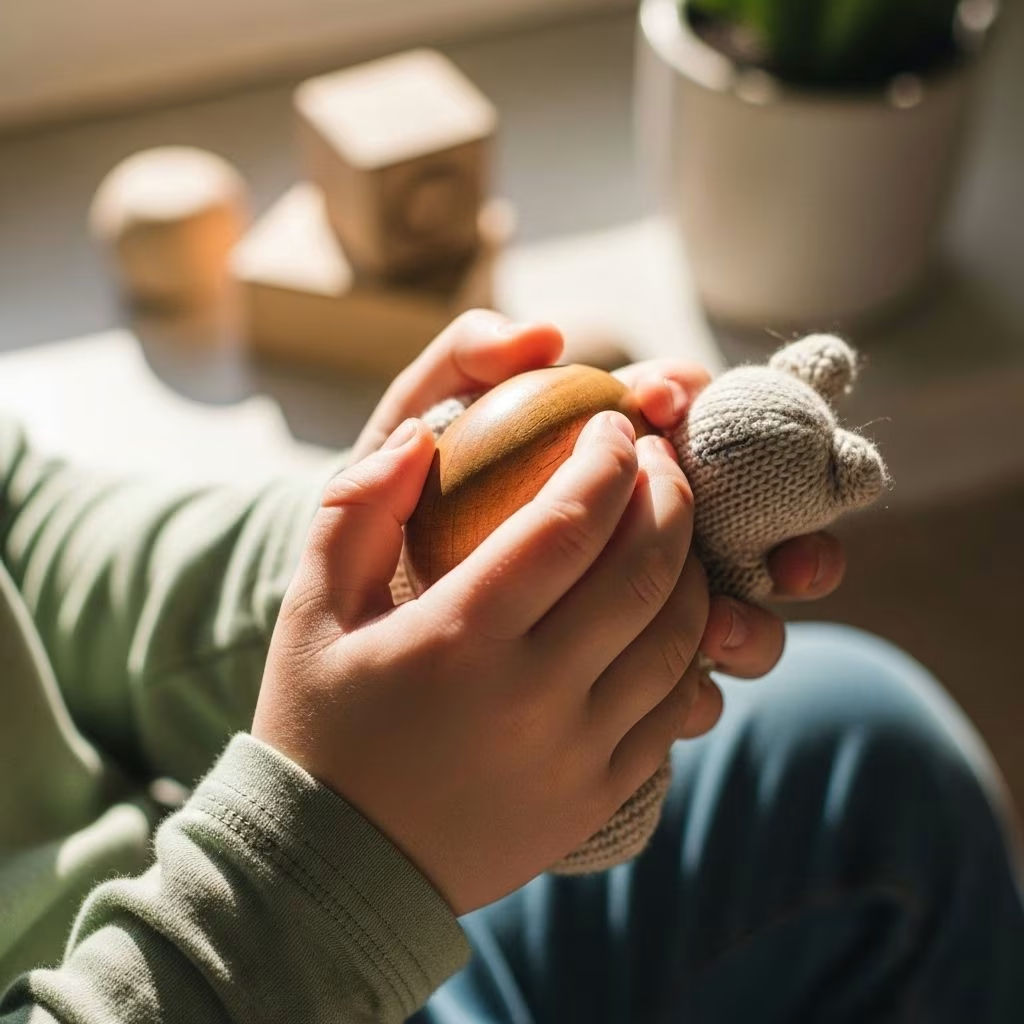
Separation anxiety is a natural part of childhood development, but it can be deeply distressing for both children and their caregivers. Mindful objects—combining sensory comfort, creativity, and ritual—are powerful tools that help children manage this anxiety, fostering resilience and emotional security. This guide explores the role of mindful objects in easing separation anxiety, offering evidence-based solutions, creative ideas, and practical tips for parents, educators, and caregivers.
Understanding Separation Anxiety in Children
Separation anxiety refers to a child’s fear or distress at being apart from their primary caregiver. Most common in infants, toddlers, and preschoolers, it typically arises as part of healthy development and reflects the child’s growing attachment and sense of safety with caregivers.
The key developmental stages:
- Infants (4–12 months): Anxiety begins as babies develop object permanence—the understanding that parents exist even when out of sight. Anxiety peaks around 9 months and can intensify if the child is hungry, tired, or unwell.
- Toddlers (1–3 years): Many toddlers experience separation anxiety as independence grows, especially during transitions (e.g., starting daycare or preschool). Behaviors can include crying, clinginess, and difficulty calming after a parent leaves.
- Preschoolers (3–5 years): Anxiety may become more nuanced—children can use their anxiety to seek more time or reassurance. Consistent routines and explanations are key.
Separation anxiety usually lessens with time and experience. However, for some children, transitions can be especially daunting and persistent, warranting additional support.
The Role of Mindful Objects in Easing Anxiety
Mindful objects—sometimes called transitional objects—are personal, tangible items that represent comfort, safety, and connection to loved ones. Their mindful use (intentional, present-focused interaction) transforms ordinary items into anchors for reassurance during stressful separations.
Mindful objects can be:
- Stuffed animals or dolls
- Special blankets
- Lockets or jewelry containing family photos or messages
- Handmade crafts created with caregivers
- Written affirmations or notes
- Secret symbols or drawings shared between child and caregiver
These items serve not only as physical comfort but also as reminders of supportive relationships, enabling children to access emotional self-soothing techniques even in a caregiver’s absence.
Types of Mindful and Transitional Objects
| Type | Description | Best For |
|---|---|---|
| Plush Toys | Stuffed animals—often favorites—imbued with meaning or even a parent’s scent. | Infants, toddlers, early elementary |
| Blankets | Comfort objects associated with relaxation, sleep, and security. Can include special textures or scents. | Infants, toddlers |
| Lockets & Jewelry | Pendants containing family photos or affirming messages, sometimes personalized or engraved. | Preschoolers, older children |
| Handwritten Notes | Packed in lunches or backpacks—simple messages of love, encouragement, or reminders of rituals. | Preschoolers, older children |
| Secret Symbols | Shared, meaningful shapes or doodles drawn on skin (with safe marker), paper, or stickers—traced or held during anxious moments. | Toddlers, preschoolers, school-age children |
| Voice Recordings | Stuffed animals or digital devices with a parent’s soothing recorded message. | Toddlers, preschoolers, children with special needs |
| DIY Mindful Object Crafts | Objects created together in art therapy (e.g., worry stones, calming jars, felt hearts). | All ages, especially effective when family-created |
Key Features of Effective Mindful Objects
- Personalization: The more unique to the child-caregiver relationship, the greater the comfort.
- Meaning: The object should symbolize safety, love, or positive connection.
- Portability: Safe and allowed in the settings where the child will be separated.
- Sensory Comfort: Invites touch, scent, or audio reassurance.
Why Mindful Objects Work: The Science and Psychology
Developmental psychology underscores the importance of transitional objects in early childhood:
Children facing separation benefit greatly from tactile, sensory comfort. A mindful object serves as a bridge, helping children maintain a psychological connection to their caregiver, even when physically apart. This connection soothes the child’s nervous system and encourages self-regulation.
The sense of control and routine provided by choosing or creating an object gives children agency, while associated rituals foster security. Repeated use of mindful mantras or objects can help replace negative self-talk (“I can’t do this alone”) with inner confidence (“I am brave and loved wherever I go”).
Collaborative creation of these objects—especially in therapeutic or family art activities—fosters open communication and validation of children’s feelings, boosting resilience long term.
Creating Mindful Objects: Step-by-Step Ideas for Families
Mindful objects can be as simple or as elaborate as you choose. The key is the shared meaning and emotional connection.
1. The Secret Symbol Ritual
- With your child, select a simple, meaningful symbol (e.g., heart, star, animal, flower).
- Draw the symbol with a safe, non-toxic marker on both your hands or wrists. Alternatively, use paper, stickers, or invisible ink (tracing with your fingers).
- Practice tracing the symbol together. Explain: “Whenever you feel worried, tracing our secret symbol means I’m thinking of you and sending you love, even when I’m not right there.”
This ritual is discreet and portable, perfect for school-aged children who may not want to carry larger comfort items.
2. Comfort Object Crafting
- Invite your child to help choose or decorate a plush toy, small pillow, or felt heart.
- Add fabric markers, patches, or safe scents related to home (like lavender or familiar laundry soap).
- For extra connection, sew on a small ‘pocket’ for tiny notes or drawings from family members.
3. Family Photo Lockets or Cards
- Purchase or create a locket holding a small photograph or affirming message.
- For an alternative, laminate a wallet-size family photo or draw a picture together and keep it in the child’s backpack or pocket.
4. Personalized Affirmation Notes
- Write brief, positive affirmations (“You are strong and loved!”) or quotes in lunchboxes, coat pockets, or backpacks.
- If preferred, record a voice message and embed it in a toy or digital device.
5. Art Therapy Activities
- Create calming jars with glitter, water, and food coloring to shake during anxious moments.
- Paint rocks or shells with special symbols or words of courage.
- Sew or stuff small “worry dolls” together—the child can whisper worries to the doll for comfort at school or daycare.
Mindfulness Practices to Pair with Objects
Mindful objects truly shine when paired with gentle rituals and mindfulness exercises. Here are evidence-based practices shown to ease separation anxiety:
- Mindful Mantras: Create simple, repeatable affirmations. Example: “I am safe. I am loved. I can do hard things.” Encourage children to recite these while holding or touching their mindful object.
- Breath and Sensation: Teach grounding techniques—such as “Take 5 Breathing,” where children trace their fingers while breathing in and out, or focus on five things they can see, four they can touch, etc. The object serves as a tactile cue to return to the present moment.
- Visualization: Guide your child to imagine a calm place (like the beach or a favorite room) and link that scene to their mindful object—holding it becomes a cue for relaxation and positive imaging.
Age-Appropriate Strategies
| Age Group | Recommended Mindful Object(s) | Suggested Ritual or Activity |
|---|---|---|
| Infants (under 1 year) | Soft blanket, small plush with parent’s scent | Brief, consistent separation ritual (song, phrase, kiss). Leave item in crib or stroller for naps/outings. |
| Toddlers (1–3 years) | Favorite plush toy, secret symbol, calming jar | Rehearse short goodbye; reinforce with hugging toy and saying goodbye to both child and object. |
| Preschoolers (3–5 years) | Photo locket, handwritten note, secret symbol | Empower child to carry a note or symbol; role-play routines; use mantras during transitions. |
| Early School-Age (5+ years) | Personalized jewelry, special small object, affirmation card | Develop a ‘goodbye handshake’ or phrase; encourage journaling or drawing about their feelings. |
Tips for Parents and Caregivers
- Acknowledge, don’t dismiss: Recognize your child’s anxiety and offer calm reassurance. Let them know it’s okay to miss you and to feel anxious, but convey confidence in their ability to cope.
- Stay positive, act confident: Children pick up on adult attitudes. Projecting calm and confidence—even if you’re worried—helps them feel safer and more capable.
- Create short goodbye rituals: A consistent, loving farewell ritual (like a special handshake or phrase) provides reliability and helps with healthy transitioning.
- Empower choice: Involve children in selecting or creating their mindful object. Agency increases the object’s emotional power and helps children feel more secure.
- Avoid sneak-outs: Leaving without saying goodbye can worsen anxiety and undermine trust. Always say goodbye, even when it’s hard.
- Be consistent and return as promised: Over time, reliability builds emotional security and dissolves anxiety.
Frequently Asked Questions (FAQs)
Q: Is separation anxiety normal in young children?
A: Yes. Mild to moderate separation anxiety is a normal developmental stage, especially in infants, toddlers, and early preschoolers. It generally resolves with support, routine, and experience[10].
Q: What is the difference between a mindful object and a comfort object?
A: Comfort objects are any items a child uses for reassurance (like a blankie). Mindful objects are intentional comfort items, often paired with mindfulness rituals or practices to build coping skills.
Q: Are transitional objects only for babies and toddlers?
A: No. Transitional objects can help preschoolers and even older children who face difficult goodbyes—especially if their use is made age-appropriate (such as a photo in a locket or a written note).
Q: What if schools don’t allow plush toys or blankets?
A: Substitute discreet objects like lockets, draw a secret symbol on the skin or a sticker, or use a small photo or note tucked into a pocket or backpack.
Q: When should parents seek additional help?
A: If separation anxiety is severe, persistent, or disrupts daily routines (e.g., school avoidance, panic attacks), consult a pediatrician or child mental health professional for further support and guidance.
Resources and Further Reading
- “Mindful Ways to Ease Separation Anxiety in Kids” – Wee Meditate
- “Easing Back-to-School Anxiety: Creating Transitional Objects in Family Art Therapy” – Art Therapy NJ
- “20 Calming Anxiety Activities for Kids” – Mental Health Center Kids
- “How to Ease Your Child’s Separation Anxiety” – HealthyChildren.org
- “Separation Issues in Young Children” – Child Mind Institute
References
- https://www.weemeditate.com/ways-to-ease-separation-anxiety-in-kids/
- https://www.arttherapynj.com/post/easing-back-to-school-anxiety-creating-transitional-objects-in-family-art-therapy
- https://www.nextstep.doctor/does-your-child-have-separation-anxiety/
- https://www.stihc.com/uploads/1/2/2/6/122601939/seperation_anxiety_for_parents_handout.pdf
- https://www.healthychildren.org/English/ages-stages/toddler/Pages/Soothing-Your-Childs-Separation-Anxiety.aspx
- https://mentalhealthcenterkids.com/blogs/articles/anxiety-activities-for-kids
- https://genmindful.com/blogs/mindful-moments/10-effective-tools-for-your-childs-back-to-school-anxiety
- https://www.naeyc.org/resources/pubs/yc/jul2020/rocking-rolling
- https://positivepsychology.com/separation-anxiety/
- https://childmind.org/article/separation-issues-in-young-children/


