


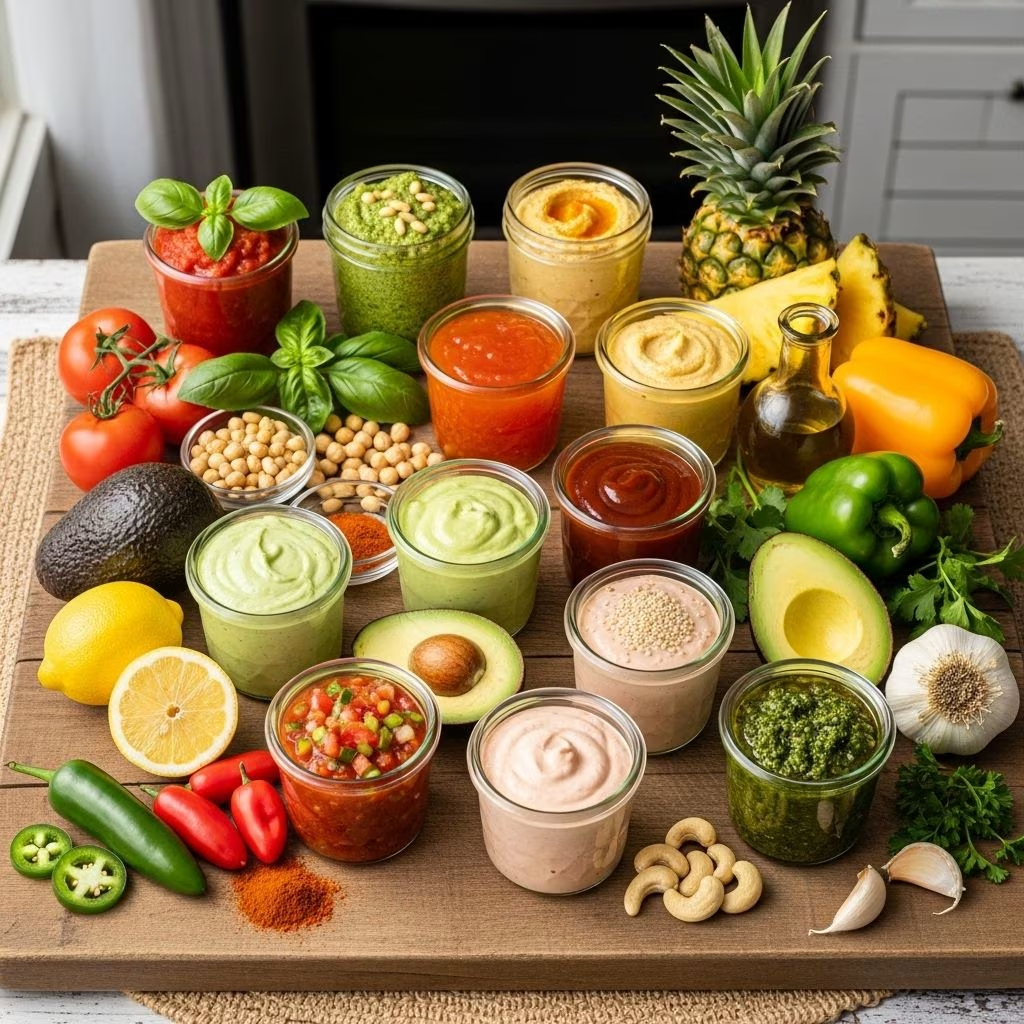
Homemade sauces are a game-changer for anyone seeking vibrant flavors and improved nutrition. Replacing store-bought sauces with healthy homemade alternatives lets you control ingredients, minimize additives, and enhance the nutritional value of your meals. This comprehensive guide will explore why homemade sauces are better for your health, detail essential recipes to cover every cuisine, and share expert tips for building robust, flavorful, and nourishing sauces at home.
Why Make Homemade Sauces?
Store-bought sauces are convenient, but often contain excessive sodium, sugar, preservatives, and unhealthy fats. Homemade sauces, by contrast, put you in control. Key benefits of making your own sauces include:
- Fewer additives and preservatives: Use only clean, whole-food ingredients without artificial thickeners or flavor enhancers. This reduces your exposure to unnecessary chemicals and supports a cleaner diet.
- Better nutrition: Incorporate healthy fats (such as olive oil, nuts, or seeds), fresh herbs, spices, and sometimes even extra vegetables directly into your sauces, boosting vitamins, minerals, and antioxidants.
- Lower sugar and sodium: You can dramatically cut down on salt and added sugars, helping stabilize blood sugar and support heart health.
- Customizable flavor and texture: Adjust seasoning, herbs, and texture to suit your palate and dietary preferences.
- Cost effective: Many sauces rely on pantry staples, making them more affordable than specialty store-bought versions.
Essential Ingredients & Tools
To build a solid foundation for homemade healthy sauces, stock your kitchen with the following essentials:
- Healthy oils: Extra virgin olive oil, avocado oil, sesame oil for depth of flavor and healthy fats.
- Acids: Lemon and lime juice, vinegars (balsamic, red wine, apple cider, rice vinegar) to brighten flavors.
- Herbs and spices: Fresh parsley, basil, dill, cilantro, mint, dill; dried oregano, cumin, paprika, garlic powder, turmeric, chili flakes for complexity.
- Nuts, seeds, and butters: Tahini, cashew butter, almond butter, sunflower seeds, walnuts for creaminess and nutritious fats.
- Greek yogurt or plant-based alternatives: For dips and creamy dressings.
- Beans and legumes: Chickpeas, white beans for hummus-style sauces.
- Fresh produce: Avocado, red peppers, tomatoes, cauliflower, spinach, carrots for nutrient-dense, colorful sauces.
- Mustard and natural sweeteners: Dijon, stone-ground mustard; honey, maple syrup for balance and bold flavor.
Helpful tools: Food processor, high-speed blender, citrus juicer, microplane/zester, small whisk for efficient sauce preparation.
10 Essential Homemade Healthy Sauces
Below are ten staple sauces you can make at home, each offering a healthier alternative to its common store-bought counterpart. These sauces are adaptable—vegan and dairy-free modifications are provided where appropriate.
1. Homemade Enchilada Sauce
Why it’s healthy: Uses pureed tomatoes, water, and pantry spices—without added sugar or preservatives. Offers versatility: use on Tex-Mex dishes, roasted vegetables, or as a spicy marinade.
- Blend tomato sauce with cumin, garlic powder, chili powder, and a splash of water until smooth.
- Simmer briefly for a richer, more developed flavor.
2. Buffalo Sauce (3 Ingredients)
Why it’s healthy: Minimal ingredients mean no excess sodium or emulsifiers. Perfect for wings, wraps, or as a spicy dip.
- Combine hot sauce, a touch of melted butter or olive oil, and vinegar.
- Whisk until blended and use immediately.
3. Creamy Tahini Sauce
Why it’s healthy: Rich in heart-healthy unsaturated fats and plant-based protein. Versatile as a salad dressing, dipping sauce, or sandwich spread.
- Mix tahini (sesame seed paste) with lemon juice, water, crushed garlic, and sea salt until creamy.
- Add a touch of ground cumin for depth.
4. Yogurt Mint or Avocado Sauce
Why it’s healthy: Greek yogurt or mashed avocado boosts protein and healthy fats, while fresh mint or cilantro brightens and refreshes. Use as a dip, taco topping, or sandwich spread.
- Combine Greek yogurt or mashed avocado with minced garlic, herbs, lemon juice, and salt.
- For dairy-free, use unsweetened coconut yogurt or blended silken tofu.
5. Nut-Based Pesto (Dairy-Free Optional)
Why it’s healthy: Basil, nuts, olive oil, and lemon make a deeply flavored sauce free from preservatives or artificial colors. Use with pasta, fish, roasted veggies, or as a sandwich spread.
- Pulse fresh basil, walnuts or pine nuts, minced garlic, olive oil, lemon juice, and sea salt in a blender. For dairy-free, skip the cheese or add nutritional yeast for a cheesy flavor.
6. Miso Peanut or Almond Sauce
Why it’s healthy: Features nut butters and miso for protein, probiotics, and healthy fats. A great match for grain bowls, stir fries, salads, or tofu dishes.
- Blend natural peanut or almond butter with white miso, rice vinegar, tamari (or low-sodium soy sauce), fresh ginger, and a splash of water.
- Add honey or maple syrup for sweetness if desired.
7. Roasted Red Pepper Sauce
Why it’s healthy: Roasted red peppers and extra virgin olive oil mean vitamins, fiber, and antioxidants with intense flavor. Perfect for pasta, vegetables, or as a base for casseroles.
- Puree roasted red peppers, garlic, olive oil, and a splash of balsamic vinegar in a food processor.
- Season with salt and pepper to taste.
8. Lemon-Herb Vinaigrette
Why it’s healthy: Uses healthy fats and bright herbs rather than processed oils and stabilizers, making it ideal for salads or drizzling on grilled proteins.
- Whisk together extra virgin olive oil, fresh lemon juice, Dijon mustard, finely chopped herbs (parsley, dill), salt, and black pepper.
9. Greek Yogurt Ranch or House Dipping Sauce
Why it’s healthy: Swaps mayo and sour cream for probiotic-rich Greek yogurt.
- Mix plain Greek yogurt with finely chopped fresh herbs (parsley, chives, dill), garlic powder, onion powder, and a splash of lemon juice.
- Add a dash of hot sauce for a spicy kick.
10. Stir Fry Sauce (Gluten-Free/Low Sugar Version)
Why it’s healthy: Avoids high-fructose corn syrup, preservatives, and MSG commonly found in bottled stir fry sauces.
- Blend low-sodium soy sauce or tamari, fresh ginger, garlic, rice vinegar, and a touch of honey or maple syrup.
- Thicken with a bit of arrowroot powder or cornstarch if desired.
Comparison Table: Homemade vs. Store-Bought Sauces
| Feature | Homemade Sauces | Store-Bought Sauces |
|---|---|---|
| Ingredients | Whole, customizable, fresh, minimal | Often processed, more sugar, sodium, preservatives |
| Nutrition | Healthy fats, possible probiotics, herbs/vegetables | Often lower nutritional value, less fiber/phytonutrients |
| Taste and Texture | Adjustable, fresher, more vibrant flavors | Uniform, may taste artificial or overly salty |
| Shelf Life | Shorter, fresher | Longer, but due to preservatives |
| Cost | Often lower per serving, especially in bulk | Higher, especially for premium ‘health’ brands |
Quick Tips for Flavorful, Nutritious Sauces
- Layer flavors: Use a blend of acids, fats, herbs, and spices to build depth.
- Start with small amounts: Taste as you go and adjust salt, citrus, or sweetness incrementally.
- Batch cooking: Double or triple recipes and freeze in small containers for quick use.
- Embrace fresh herbs: Add chopped herbs at the end for a vibrant pop.
- Use healthy thickeners: Greek yogurt, pureed beans, avocado, or ground nuts/seeds can give body without relying on cream or flour.
Creative Ways to Use Homemade Healthy Sauces
- Grain bowls: Drizzle tahini or peanut sauce over brown rice and veggies.
- Wraps and sandwiches: Swap mayonnaise-based spreads for pesto, yogurt-based, or avocado green sauce.
- Salad dressings: Transform leafy greens with lemon-herb vinaigrette, creamy tahini, or Greek yogurt ranch.
- Marinades: Use buffalo, enchilada, or stir fry sauces to marinate tofu, chicken, fish, or tempeh.
- Veggie dips: Pair sliced cucumbers, carrots, or sweet potato fries with yogurt or nut-based dips for healthy snacks.
- Roasted vegetables: Toss veggies with pesto or roasted pepper sauce right out of the oven for maximum flavor.
Frequently Asked Questions (FAQs)
Q: How long do homemade sauces last in the refrigerator?
A: Most homemade sauces (without raw eggs or dairy) last 5–7 days in a well-sealed container in the refrigerator. Dressings with yogurt, avocado, or cheese are best consumed within 3–4 days.
Q: Can I freeze homemade sauces?
A: Yes! Tomato-based sauces, pesto (without cheese), enchilada, and stir fry sauces freeze well for up to 3 months. Creamy sauces may separate but will recover after being stirred.
Q: Are homemade healthy sauces suitable for special diets?
A: Absolutely. Many can be made vegan, gluten-free, dairy-free, or nut-free by adjusting ingredients. Use nut butters, Greek yogurt, or plant-based alternatives for protein and creaminess.
Q: How can I make sauces richer without cream?
A: Opt for blended cashews, silken tofu, avocado, or unsweetened coconut milk. Nut and seed butters create creamy, dense textures.
Q: What’s the best way to ensure my sauces are low in sodium?
A: Minimize or skip added salt, use low-sodium stocks/broths, and flavor with acid and herbs instead. Taste as you go; your palate adapts quickly.
Switching from store-bought to homemade healthy sauces is a simple yet impactful way to transform your meals and your health. By embracing clean ingredients and flavor-packed recipes, you can enjoy sauces that satisfy your taste buds and nourish your body every day.
References
- https://prepdish.com/recipes/healthy-sauce-recipes/
- https://www.walderwellness.com/healthy-homemade-sauces-dressings/
- https://www.katheats.com/healthy-dipping-sauces
- https://foodrevolution.org/blog/healthy-homemade-sauces/
- https://dishingouthealth.com/healthy-sauces/
- https://www.nomeatathlete.com/sauce-system/


