


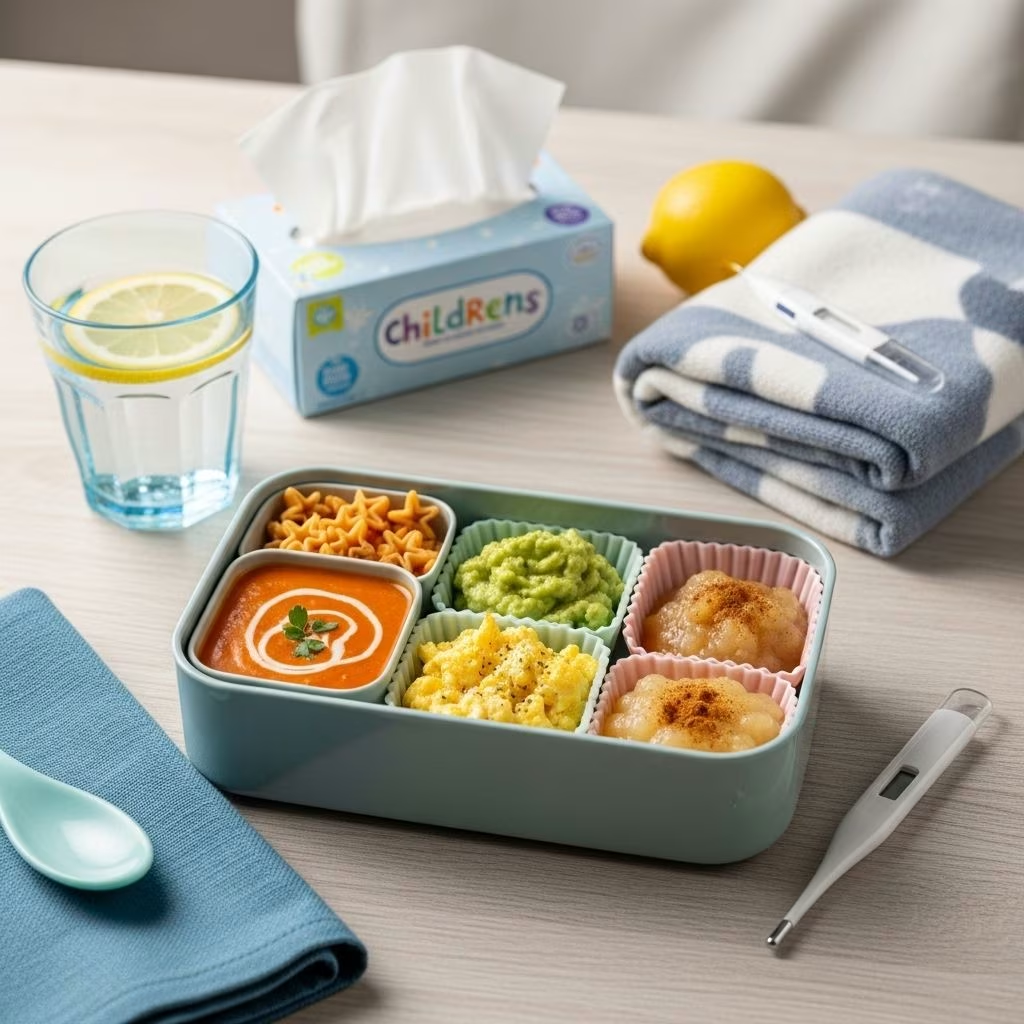
Meal Plan for Children Recovering from Strep Throat
Children battling strep throat face painful swallowing, loss of appetite, and a need for extra immune support. A well-planned meal strategy can offer soothing relief, aid rapid recovery, and maintain vital nutrition during this vulnerable period. This article delivers an extensively researched, evidence-backed meal plan tailored for children recovering from strep throat, integrating practical advice on gentle foods, essential nutrients, hydration, and recovery-boosting recipes.
Understanding Strep Throat in Children
Strep throat is a bacterial infection caused by Streptococcus pyogenes. It leads to serious throat pain, fever, headaches, and fatigue. Children may experience difficulty swallowing, loss of appetite, and a need for increased hydration and nutrition to support healing. Recovery involves a multi-pronged approach of medical management (often with antibiotics) and supportive care via diet and comfort strategies.
Nutrition Essentials During Recovery
The goals for feeding children recovering from strep throat are simple but vital:
- Maintain adequate calorie and nutrient intake despite appetite reduction.
- Promote immune system function with vitamins, minerals, and antioxidants.
- Choose soft, soothing textures to minimize throat pain.
- Support hydration to compensate for fever, mouth breathing, and reduced fluid intake.
Key nutrients during this phase include vitamin C, vitamin D, zinc, iron, protein, and probiotics for gut health and immune reinforcement.
Foods to Focus On
The following food categories are especially recommended for children in strep throat recovery:
Soft and Easy-to-Swallow Foods
- Applesauce
- Mashed potatoes
- Yogurt (plain or unsweetened)
- Scrambled eggs
- Oatmeal, rice porridge, or cream of wheat
- Bananas (mashed, ripe)
- Jell-O or soft puddings (in moderation)
These foods are gentle on the sore throat and provide vital calories and nutrients for recuperation.
Immunity-Boosting Ingredients
- Fresh fruit rich in vitamin C (strawberries, watermelon, cantaloupe)
- Ginger and garlic (in broths or soups) for anti-inflammatory and antimicrobial support
- Bone broth – supplies protein, electrolytes, minerals, and the soothing warmth ideal for a sore throat
Blending such ingredients into recipes helps maximize nutrient intake in a child-friendly format.
Probiotic-Rich Foods
- Yogurt with live cultures
- Kefir (if child tolerates dairy)
Probiotics aid recovery by supporting gut and immune health, especially helpful if antibiotics disrupt digestive balance.
Hydrating Foods and Fluids
- Homemade soups and broths, cooled before serving
- Fruit smoothies with yogurt and bananas
- Watermelon – high water content and easy to digest
- Cold or room-temperature drinks (plain water, diluted 100% fruit juice in moderation)
- Sugar-free ice pops or blocks
- Honey (for children over 1 year, mixed into warm water or herbal teas) for throat soothing and antimicrobial effect
Regular hydration helps thin mucus and reduces fever-linked fluid loss.
Hydration: What, When, and How
Children with strep throat often drink less due to discomfort, yet fever and mouth breathing increase their need for fluids. To ensure proper hydration, offer drinks throughout the day, use creative presentations, and encourage sipping between meals.
| Beverage | Benefits | Tips |
|---|---|---|
| Water | Essential for hydration | Offer frequently, serve cool or at room temperature |
| Bone broth/soups | Supports hydration and supplies nutrients | Cool to a safe temperature before serving |
| Fruit smoothies | Nutrient-rich, soothing | Add yogurt and ripe bananas for extra nutrition |
| Diluted fruit juices (100% juice) | Flavorful, some vitamin C | Limit quantity to control sugar intake |
| Herbal teas with honey (for age 1+) | Soothing and antimicrobial | Ensure tea is warm, not hot; never give honey to infants |
Foods and Drinks to Avoid
Certain foods can irritate the throat further or impede recovery. Avoid:
- Crunchy foods (toast, chips, crackers)
- Spicy or sour foods (hot sauce, citrus juice)
- Greasy or fried foods
- Highly salty foods
- Carbonated drinks and soda
- Artificially sweetened beverages
- Honey for infants (risk of botulism)
These items can cause further throat irritation or discomfort and should be excluded until healing occurs.
Sample 3-Day Meal Plan
Below is a sample meal plan, crafted for optimal nutrition, comfort, and variety. Adjust serving sizes and choices according to your child’s preferences and allergies.
| Day | Breakfast | Lunch | Snack | Dinner |
|---|---|---|---|---|
| Day 1 | Banana-yogurt smoothie with a spoonful of chia seeds Soft scrambled eggs | Chicken bone broth soup with noodles Plain applesauce | Sugar-free fruit ice pop Mashed potatoes | Blended vegetable soup Oatmeal with honey (if 1+ years) |
| Day 2 | Oatmeal with blended berries Watermelon slices | Egg salad (mashed/boiled eggs) with whole-grain soft bread Strawberry smoothie | Jell-O (small portion) Soft melon | Rice porridge with cooked green bananas Warm chicken broth |
| Day 3 | Rice pudding (low sugar) Mashed banana and yogurt | Vegetable soup with pureed carrot and pumpkin Baked potato (mashed) | Cold applesauce Honey herbal tea (if 1+ years) | Scrambled eggs Fruit smoothie Blended cottage cheese |
Soothing Recipe Ideas
Here are some gentle, recovery-friendly recipes that blend immune-supporting nutrients with child-approved flavor and texture:
1. Classic Chicken Bone Broth Soup
- Ingredients: Chicken bones, carrots, celery, onion, garlic, ginger, salt (minimal).
- Instructions: Simmer all ingredients in water for 2-3 hours; strain and puree vegetables for smoother texture. Serve lukewarm.
2. Strawberry-Banana Smoothie
- Ingredients: Fresh strawberries, ripe banana, plain yogurt, ice cubes (blend until smooth).
- Benefits: High vitamin C and probiotics, cold for soothing sensation.
3. Scrambled Eggs with Mashed Avocado
- Whisk eggs and cook gently; mash avocado and fold in for additional softness and vitamin E.
4. Oatmeal with Honey and Berries
- Cook oats with milk, gently stir in honey (for children 1+ years) and mashed berries.
5. Mashed Potato Bowl
- Boil potatoes until soft, mash with a spoon of butter and a splash of milk, serve warm, optionally topped with pureed chicken or soft cheese.
Tips for Comfortable Meal Times
- Offer small, frequent meals rather than large portions to accommodate reduced appetite.
- Avoid pressuring your child to eat; let them choose from the recovery-friendly options available.
- Serve food at room temperature or slightly cool – avoid extremes of heat or cold which can exacerbate pain.
- Present meals creatively (fun shapes, popsicles, bowls) to make eating more appealing.
- Involve your child in meal selection and simple preparation – this increases willingness to try new foods.
- If your child is on antibiotics, probiotics can help offset digestive side effects.
Frequently Asked Questions (FAQs)
Q: My child has little appetite. How can I ensure they’re getting enough nutrients?
A: Focus on nutrient-dense foods like smoothies with yogurt and fruit, eggs, and mashed potatoes. Offer smaller, frequent meals and allow them to choose from gentle options. Even small amounts add up over the day.
Q: Is it safe to give honey to my child with strep throat?
A: Yes—but only for children older than 12 months. Honey can help soothe a sore throat and may have mild antimicrobial properties. Never give honey to infants.
Q: Can ice cream be given to a child recovering from strep throat?
A: Cold foods may temporarily soothe the throat, but should be offered in moderation due to high sugar content. Sugar can suppress the immune system if consumed in excess.
Q: Are probiotics helpful when my child is on antibiotics for strep throat?
A: Yes. Probiotic-rich foods like yogurt with live cultures and kefir can help restore healthy gut flora and may reduce diarrhea or digestive discomfort from antibiotics.
Q: How much fluid should my child have each day?
A: Offer fluids regularly—aim for at least 6-8 cups per day, more if your child has a fever, is mouth-breathing, or is sweating. Hydration needs vary with age, weight, and illness severity.
Q: When can my child return to usual foods?
A: Gradually reintroduce regular foods as throat pain subsides. Watch for signs of discomfort and avoid irritating foods until your child is fully recovered.
Final Thoughts
Supporting a child through strep throat recovery centers on gentle, nourishing, and appealing meals. Prioritize soft textures, hydration, and immune-enhancing ingredients for maximum comfort and speedy healing. Tailor the meal plan to your child’s preferences and needs, and consult your pediatrician with any concerns, especially if eating or drinking remains difficult.
References
- https://www.goodrx.com/health-topic/infections/natural-remedies-for-strep-in-children
- https://www.nurofen.co.uk/children/articles/what-foods-can-you-give-your-child-with-a-sore-throat/
- https://www.healthline.com/nutrition/food-for-sick-kids
- https://pdxent.com/10-foods-to-eat-when-you-have-a-sore-throat/
- https://www.omegapediatrics.com/child-recovery-plan-from-strep-throat/
- https://docsmedicalgroup.com/docsurgentcare/9-ways-to-care-for-your-child-with-strep-throat-tips-from-a-primary-care-doctor-in-bridgeport-ct/
- https://feedinglittles.com/blogs/blog/how-to-feed-your-child-when-they-re-sick


