


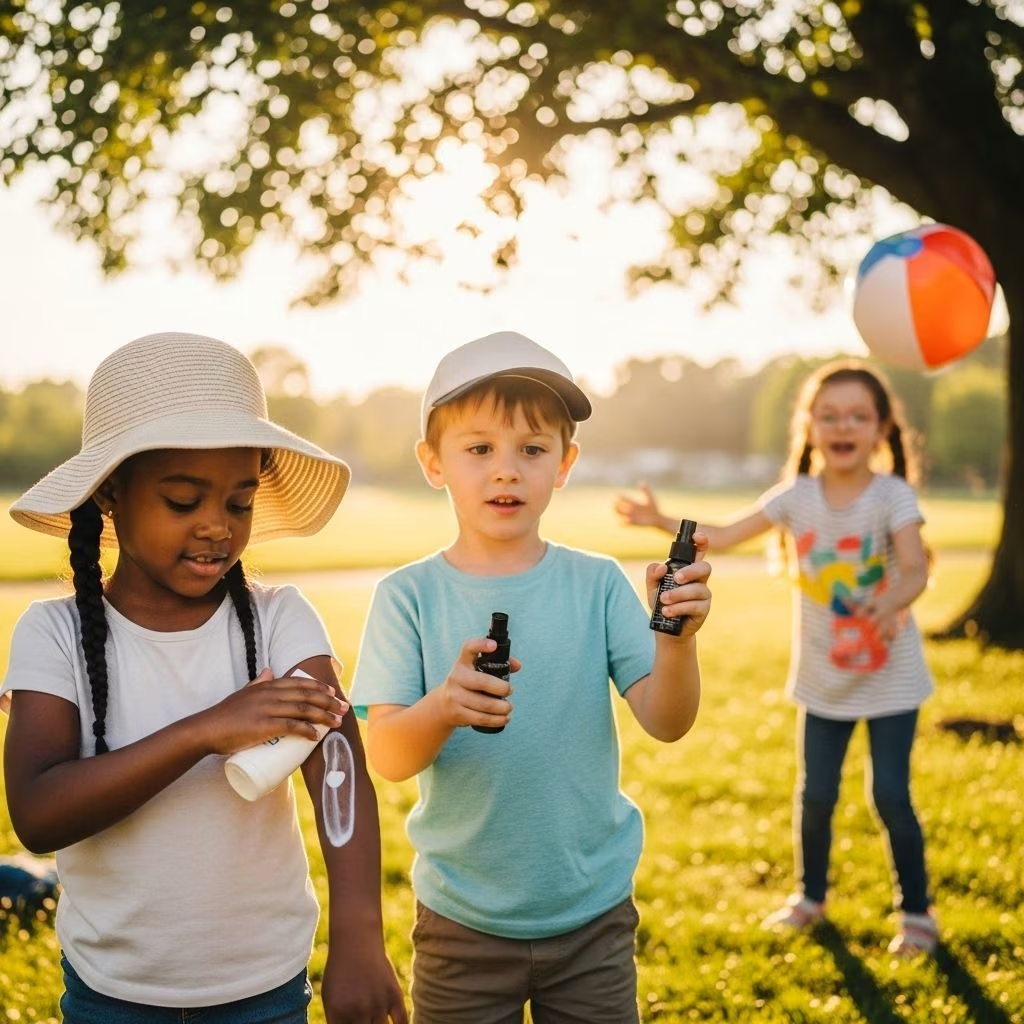
Outdoor play is crucial for children’s physical and mental development, but it also comes with risks such as exposure to harmful sun rays and bites from insects. This guide provides essential tips on sun safety and bug protection to ensure a safe and enjoyable outdoor experience for kids.
Sun Safety
Sun safety is a critical aspect of outdoor play. Ultraviolet (UV) rays from the sun can cause sunburns, which increase the risk of skin cancer. Here are some measures to protect children from the sun:
- Time of Day: Limit outdoor play between 10 a.m. and 4 p.m. when UV rays are strongest. If possible, seek shade or create a shaded area using umbrellas or canopies.
- Sunscreen: Use a broad-spectrum sunscreen with an SPF of at least 30. Apply it 30 minutes before going outside and reapply every two hours or after swimming or sweating.
- Clothing: Dress children in lightweight, loose-fitting clothing that covers as much skin as possible. Hats with a wide brim can protect the face, neck, and ears.
- Sunglasses: Use sunglasses that offer 100% UV protection to safeguard eyes.
Special Considerations for Babies
– Babies Under 6 Months: Keep them out of direct sunlight. Use stroller canopies or umbrellas for shade. Dress them in protective clothing and apply sunscreen only on small exposed areas if necessary.
Role Modeling
– Be a Role Model: Demonstrate sun safety by using sunscreen and wearing protective gear. Children often mimic adult behaviors.
Bug Protection
Bug bites can be annoying and sometimes carry diseases. Here’s how to protect children from bugs:
- Insect Repellents: Use insect repellents containing DEET, picaridin, or oil of lemon eucalyptus. Always follow the product instructions and apply according to age guidelines.
- Clothing: Dress children in long sleeves and pants to reduce exposed skin. Tucking pant legs into socks can prevent bug bites on the legs.
- Avoiding Peak Bug Hours: Mosquitoes and ticks are most active at dawn and dusk. Limit outdoor play during these times.
- Tick and Flea Control: Conduct regular checks for ticks and fleas after spending time outdoors, especially in wooded areas.
Preventing Bug-Borne Diseases
– Mosquito-Borne Diseases: Use mosquito nets for strollers and ensure screens on windows are intact to prevent mosquitoes from entering homes.- Tick Prevention: Use tick-repellent clothing or apply permethrin to clothing and gear.
Hydration and Other Safety Measures
Beyond sun and bug protection, staying hydrated is crucial during outdoor play:
- Access to Water: Ensure children have access to water for drinking. Encourage them to drink water regularly to stay hydrated.
- Rest and Shade: Provide regular breaks in shaded areas to prevent overheating.
- Heat Safety: Monitor for signs of heat-related illnesses like dizziness, nausea, and headaches. Use tools like the HeatRisk Dashboard for planning outdoor activities.
Frequently Asked Questions (FAQs)
Q: What SPF should I use for my child?
A: Use a broad-spectrum sunscreen with an SPF of at least 30 for children older than 6 months.
Q: How often should sunscreen be reapplied?
A: Reapply sunscreen every two hours or sooner if your child has been swimming or sweating.
Q: Are sunglasses necessary for young children?
A: Yes, sunglasses with UV protection are beneficial for protecting children’s eyes from the sun.
Q: What time of day is safest for outdoor play?
A: Avoid peak sun hours between 10 a.m. and 4 p.m. for safer outdoor play.
Conclusion
Protecting children from sun and bug hazards during outdoor play is essential for their health and safety. By following these guidelines, parents and caregivers can ensure that children enjoy the benefits of outdoor activities while minimizing risks associated with sun exposure and insect bites.
References
- https://www.naeyc.org/our-work/families/tips-sun-safety
- https://playgroundguardian.com/news-articles/sun-safety-guidelines-for-schools-playground-guardian/
- https://headstart.gov/publication/summer-safety-tips
- https://www.healthychildren.org/English/safety-prevention/at-play/Pages/Sun-Safety.aspx
- https://www.cdc.gov/early-care/communication-resources/outdoor-play-and-safety-for-children-in-ece.html
- https://cdn.kingcounty.gov/-/media/king-county/depts/dph/documents/health-safety/health-programs-services/child-care-health/outdoor-safety/sun-protection-guidelines.pdf?rev=2220cb3ea84d49b69976ef9c45d7f657&hash=B7FE3F673CB4CB57EDD4F347770CDA70
- https://kidshealth.org/en/parents/sun-safety.html
- https://www.bannerhealth.com/healthcareblog/advise-me/beware-of-sun-exposure-on-the-field
- https://coloradocancercoalition.org/wp-content/uploads/2020/09/ChooseYourCoverParentsBrochure-CDC.pdf


