
 Living Well
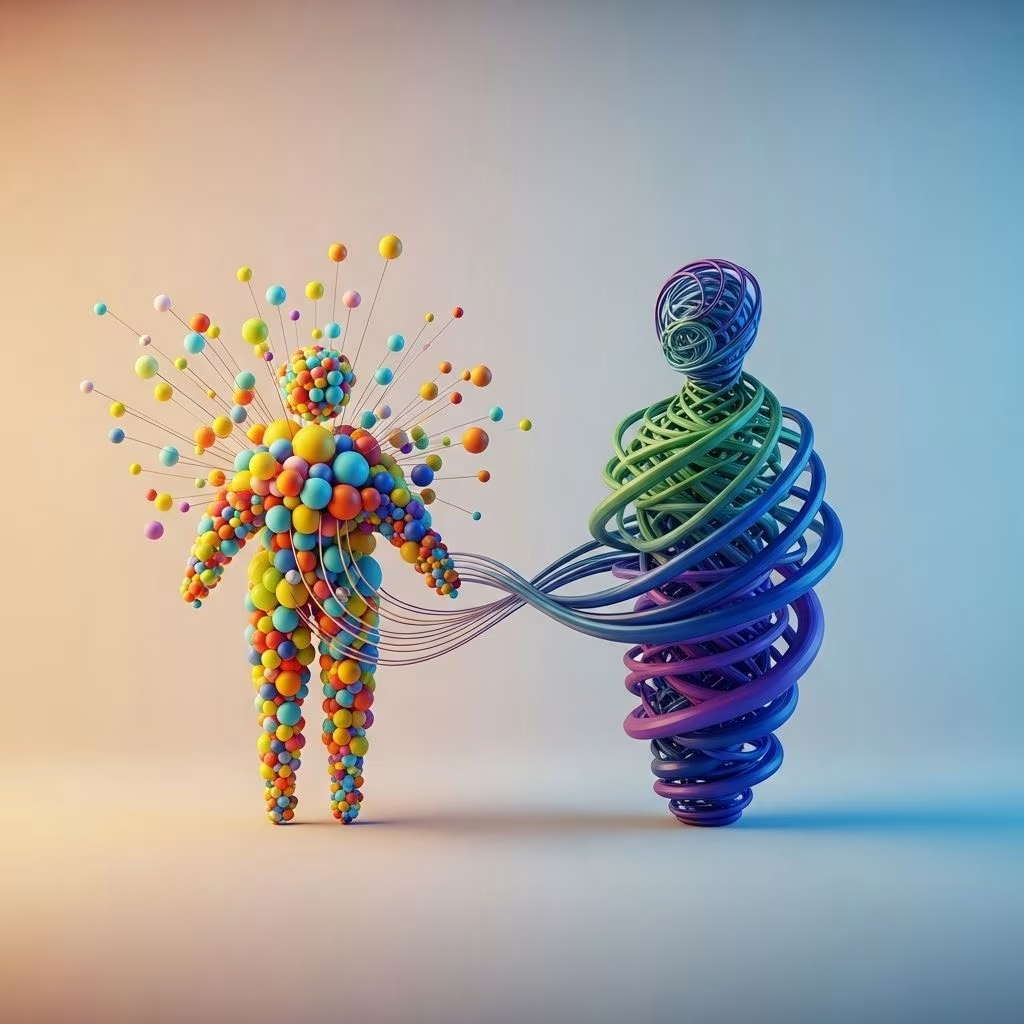
 Introvert vs Extrovert: Key Differences and the Ambivert Spectrum
Introversion and extroversion are more than labels—they shape how people gain energy, socialize, and process the world. This…
 Living Well
 Introversion and extroversion are more than labels—they shape how people gain energy, socialize, and process the world. This…
 Living Well
 Instrumental conditioning, also known as operant conditioning, explains how behavior changes based on rewards and consequences. This guide…
 Living Well
 Cognitive psychology examines how people perceive, think, learn, remember, and solve problems. It also explores how mental processes…
 Living Well
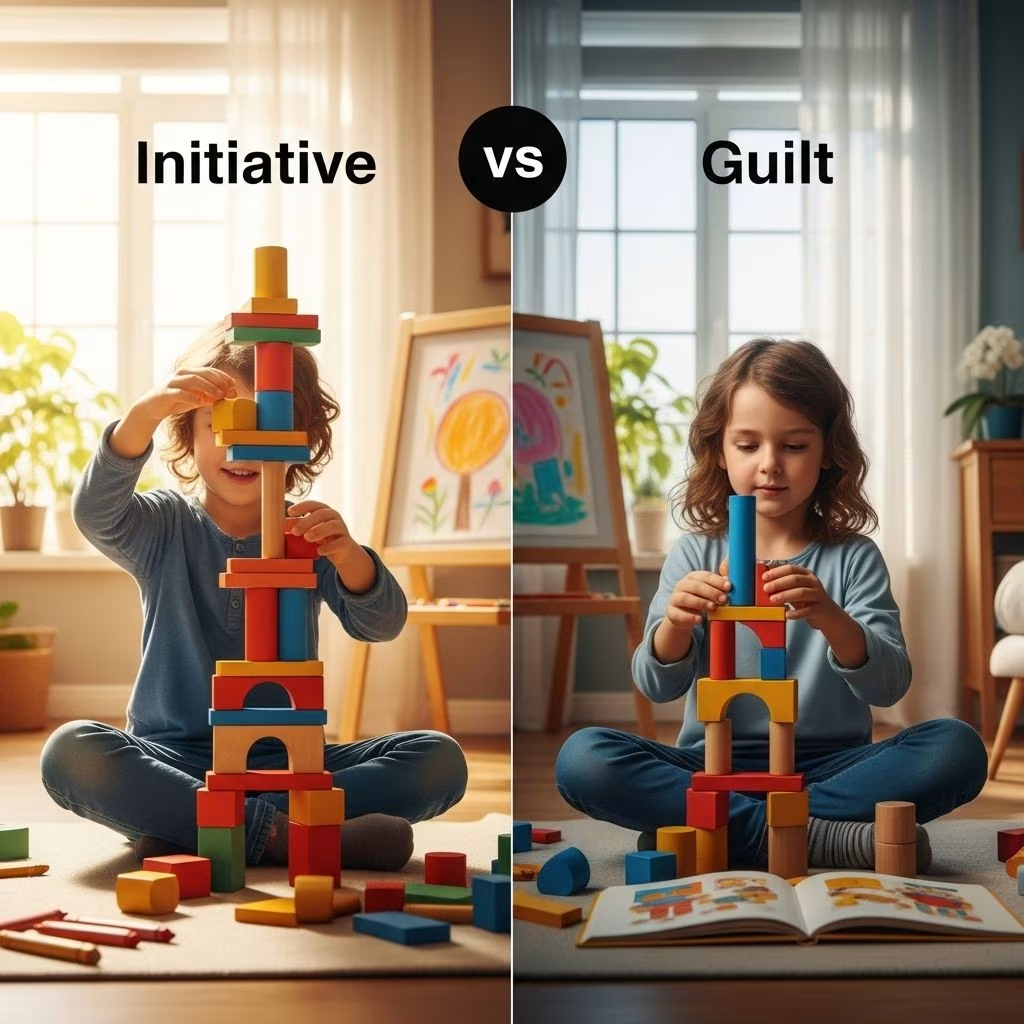
 Initiative vs. guilt is Erikson’s third psychosocial stage, occurring during early childhood from ages 3 to 6. Children…
 Living Well
 Sapiosexuality is attraction driven primarily by intelligence, deep conversation, and mental stimulation rather than appearance. This guide explains…
 Living Well
 Sexual chemistry is the intense physical, emotional, and psychological pull between two people. It can show up instantly…
 Living Well
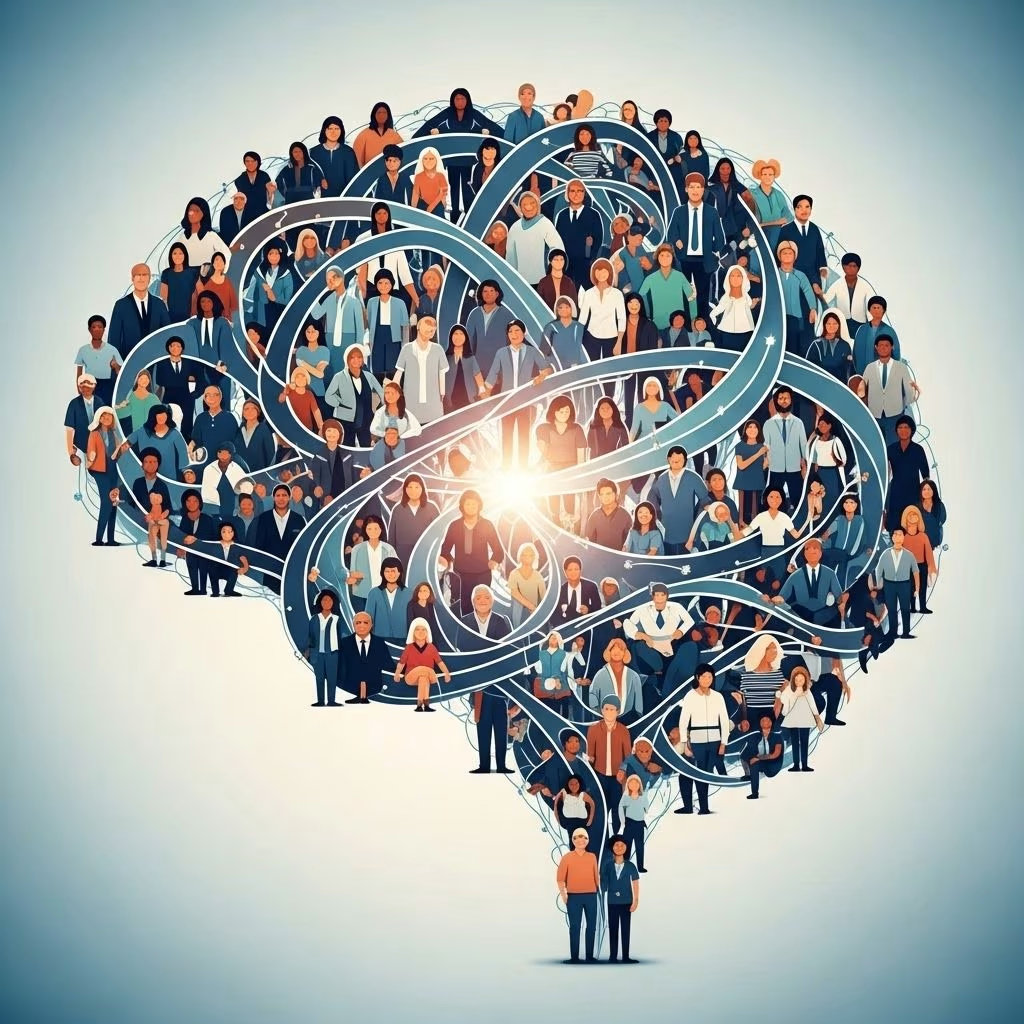
 Collectivistic cultures emphasize group harmony, shared responsibilities, and interdependent identity over individual goals. This guide explains their core…
 Living Well
 An unconditioned stimulus is something that naturally and automatically triggers a reflexive response without prior learning. It plays…
 Living Well
 A god complex is a pattern of extreme self-importance, entitlement, and resistance to criticism. It is not a…
 Living Well
 Persuasion is the art of guiding others through ethical, effective communication. This guide covers proven principles, psychological insights,…