


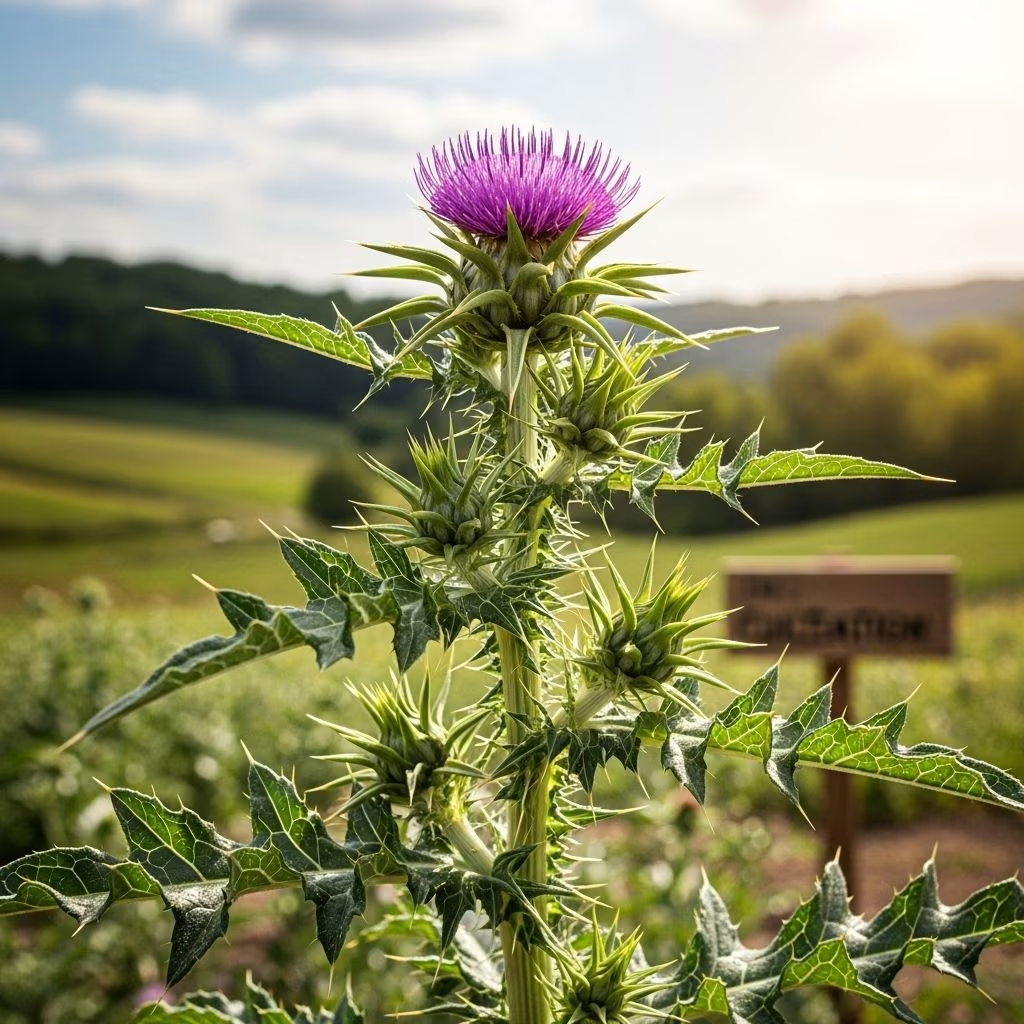
Milk thistle (*Silybum marianum*) is a centuries-old herbal remedy recognized for its liver-supporting properties and antioxidant potential. Known for its striking purple blooms and milky-white veined leaves, this Mediterranean native has a long history of use in traditional and modern herbal medicine. This comprehensive guide explores what milk thistle is, the evidence-based benefits it offers, how it’s used, what it tastes like, and answers to frequently asked questions.
Introduction to Milk Thistle
Milk thistle is an herbal plant best known for its potential to support liver health. For centuries, it has been used in traditional medicine for various ailments, especially those related to the liver and gallbladder. Modern research has focused on its antioxidant and anti-inflammatory properties, largely attributed to a compound called silymarin found in the seeds of the plant.
Plant Profile: Origins and Botanical Features
Milk thistle (Silybum marianum) belongs to the daisy (Asteraceae) family. Its defining characteristics include:
- Purple flowers with spiky leaves marked by milky-white veins, said in legend to be from the Virgin Mary’s milk.
- Native range: Mediterranean regions, though it is cultivated and naturalized in many parts of the world today.
- Common names: Mary thistle, holy thistle, variegated thistle.
The plant thrives in dry, rocky soils and is often seen as both an ornamental and a weed in some regions due to its resilience.
Active Ingredient: Silymarin Explained
The primary bioactive component of milk thistle is silymarin, a complex of plant-based flavonolignans. Silymarin is most concentrated in the seeds and is famous for three main pharmacological traits:
- Antioxidant: Neutralizes free radicals and helps protect cells from oxidative damage.
- Anti-inflammatory: Reduces inflammation throughout the body, notably in the liver.
- Antiviral: Supports immune function and may inhibit viruses, notably hepatitis-related viruses.
Milk thistle extracts used in supplements typically standardize the amount of silymarin to ensure potency and efficacy.
Health Benefits of Milk Thistle
While research on milk thistle’s effects is ongoing, several science-based benefits have been explored. Below are the most well-documented and studied health benefits:
Liver Protection and Support
- Supports liver function: Milk thistle is most renowned for its use in aid of liver conditions like cirrhosis, hepatitis B and C, alcoholic and non-alcoholic fatty liver disease.
- Improves certain liver markers: Some clinical studies show improvements in enzymes (such as AST and ALT), bilirubin, and histologic findings when using milk thistle alongside conventional therapy in liver disease.
- Reduces liver inflammation and scarring: Silymarin helps protect liver cells from toxins and may prevent or slow scar tissue (fibrosis) formation.
- May extend life expectancy in liver disease: Some studies have observed a slight survival benefit, especially in severe alcoholic liver disease, though findings are mixed and more research is warranted.
- Protects against environmental toxins: Historically used as an antidote for poisoning from mushrooms and other environmental toxins affecting the liver.
Blood Sugar Control and Diabetes
- Helps lower blood sugar levels: Studies indicate that, especially when used in conjunction with standard treatment, milk thistle can help decrease fasting blood glucose in people with type 2 diabetes.
- May reduce complications: Early research suggests silymarin may reduce oxidative stress and liver complications sometimes seen with diabetes.
- Caution for hypoglycemia: People with diabetes using milk thistle should monitor blood glucose closely, as it may enhance the effects of medications that lower blood sugar.
Brain Health and Neuroprotection
- Protects against age-related cognitive decline: Animal and early-stage human research suggest silymarin’s antioxidants may help guard against diseases like Alzheimer’s and Parkinson’s.
- May aid in memory and brain function: Ongoing studies are investigating milk thistle’s ability to slow or prevent the progression of neurodegenerative conditions.
Bone Health
- Supports bone density: Animal model research has shown milk thistle may help prevent bone loss associated with osteoporosis.
- Human evidence is limited: More rigorous studies are required to confirm these findings in people.
Cancer Research and Support
- Under investigation for cancer support: Early studies suggest milk thistle may boost the efficacy of chemotherapy and help reduce certain side effects.
- Potential for protection against specific cancers: Some evidence points to anti-proliferative effects, especially on liver and prostate cancers, but clinical evidence is still limited.
Boosting Breast Milk Production
- May increase breast milk supply: Some research indicates milk thistle may stimulate the hormone prolactin and help breastfeeding mothers produce more milk.
- More studies needed: Only one major clinical trial has shown positive results, underscoring the need for more research to confirm efficacy and safety.
Skin Health and Acne Reduction
- May improve acne: Silymarin’s anti-inflammatory and antioxidant action has been linked to a reduction in acne lesions in at least one clinical study.
- Helps with oxidative stress: The herb’s properties may also protect against skin damage caused by free radicals.
Common Uses of Milk Thistle
Milk thistle is consumed in several different forms, depending on personal preference and intended application:
- Dietary supplements: The most common way is via capsules, tablets, or softgels standardized to a percentage of silymarin.
- Herbal teas: The seeds are sometimes steeped for a mild, health-supporting tea.
- Tinctures and extracts: Alcohol- or glycerin-based extracts for more potent delivery.
- Whole seeds or powder: Ground seeds can be added to food or smoothies for a nutritional boost.
Traditionally, milk thistle has been used for:
- Supporting liver and gallbladder function
- Counteracting poisoning from mushrooms or environmental toxins
- Promoting bile flow
- Supporting postpartum milk production
- Managing inflammation-related skin conditions
What Does Milk Thistle Taste Like?
The taste of milk thistle varies by preparation:
- Seeds: Mild, slightly nutty, with a faintly bitter herbal edge. Comparable to flax or hemp, but more subtle.
- Tea: Gentle, earthy, lightly grassy or herbal with a barely perceptible bitterness; not pungent or overpowering.
- Extracts/Tablets: Mostly tasteless, often masked by the capsule or other ingredients.
Milk thistle is not typically chosen for its flavor, but it is not unpleasant when used in moderate amounts in teas or foods.
Dosage and How to Use Milk Thistle
Milk thistle dosage depends on the formulation and reason for use. Common guideline ranges:
- Silymarin content: Most supplements standardize to 70-80% silymarin.
- General liver support: 150–300 mg (silymarin extract) two to three times daily, based on human studies.
- Maximum dosages: Clinical trials have safely used up to 600 mg per day of silymarin in divided doses.
Always consult with a healthcare provider before starting any new supplement, especially if you have liver disease, are pregnant, breastfeeding, or take prescription medicines.
Safety, Side Effects, and Precautions
Milk thistle is generally well tolerated, but there are some potential side effects and special considerations to be aware of:
- Common side effects: Mild gastrointestinal upset, diarrhea, bloating, or nausea.
- Rare allergic reactions: It is part of the ragweed family—those with allergies to ragweed, marigolds, daisies, or chrysanthemums may react.
- Drug interactions: May affect metabolism of some medicines, such as blood thinners (warfarin), diabetes drugs, and others, via cytochrome P450 pathways.
- Pregnancy and lactation: Not enough is known about safety for pregnant women; use caution. Early evidence suggests benefits for milk production, but more data on safety is needed.
Milk thistle is NOT a substitute for prescribed treatment of liver disease or diabetes, and self-medicating serious conditions is not recommended. Always inform your healthcare provider if you are taking herbal remedies.
Frequently Asked Questions (FAQs)
Q: Is milk thistle safe for long-term use?
A: Most people tolerate standardized milk thistle extracts well for up to 6 months. Long-term safety data is limited, so discuss extended use with your doctor.
Q: Who should not take milk thistle?
A: Those allergic to ragweed, marigold, or daisy; pregnant or breastfeeding women (unless prescribed); people on liver or diabetes medications, and anyone with hormone-sensitive conditions without medical supervision.
Q: Can milk thistle treat liver disease by itself?
A: While some studies show milk thistle can support the liver and improve markers in chronic disease, it is not a stand-alone treatment and should be used as a complementary approach with medical oversight.
Q: How quickly does milk thistle work?
A: Not all users notice immediate changes. Improvements in well-being or lab markers can take weeks to months, as observed in clinical studies.
Q: What is the best form of milk thistle supplement?
A: Look for standardized silymarin extracts in capsules or tablets, verified by third-party testing for purity and potency. Teas and powders offer milder effects.
Summary Table: Milk Thistle at a Glance
| Aspect | Details |
|---|---|
| Botanical Name | Silybum marianum |
| Main Active Ingredient | Silymarin (flavonolignan complex) |
| Most Studied Benefit | Liver protection, support for liver disease and toxin exposure |
| Additional Applications | Blood sugar control, cognitive support, bone health, breast milk production, acne management |
| Main Forms Used | Extract (capsule, tablet), tea, powdered seeds, tincture |
| Typical Dosage | 150–300 mg silymarin extract, 2–3 times per day |
| Taste | Mild, slightly nutty, with a faint herbal bitterness |
| Common Side Effects | GI upset, allergic reactions (rare), potential drug interactions |
| Best Candidates For Use | People seeking liver support, considering complementary diabetes care, or interested in antioxidants |
Always seek advice from a qualified healthcare provider before introducing herbal supplements to your regimen, especially if you have chronic conditions or are on medication.
References
- https://health.clevelandclinic.org/milk-thistle-benefits
- https://www.healthline.com/nutrition/milk-thistle-benefits
- https://www.ncbi.nlm.nih.gov/books/NBK11896/
- https://www.webmd.com/fatty-liver-disease/milk-thistle-benefits-and-side-effects
- https://www.ncbi.nlm.nih.gov/books/NBK541075/
- https://www.cancer.gov/about-cancer/treatment/cam/hp/milk-thistle-pdq
- https://www.aafp.org/pubs/afp/issues/2005/1001/p1285.html
- https://www.pharmacist.com/Blogs/CEO-Blog/milk-thistle-for-liver-disease
- https://www.urmc.rochester.edu/encyclopedia/content?contenttypeid=19&contentid=MilkThistle


