


Introduction
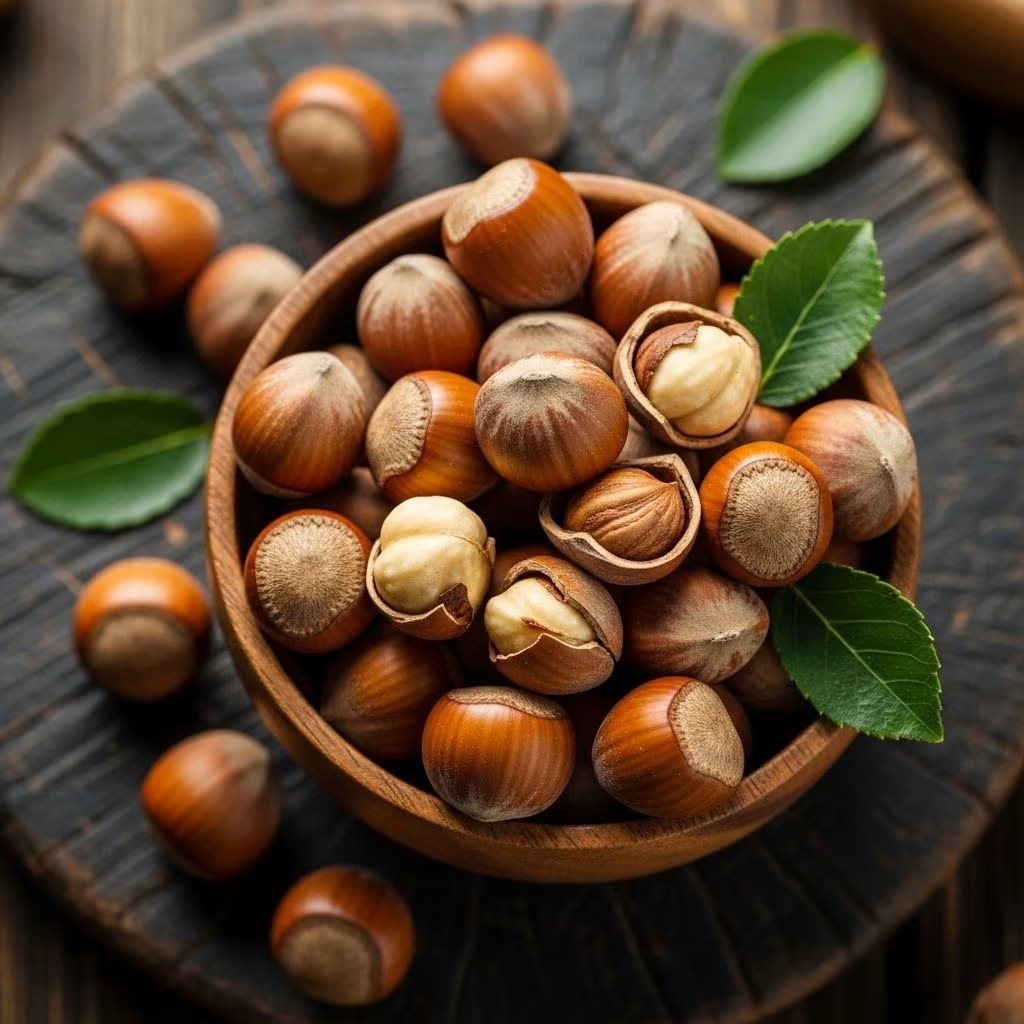
Gevuina Nut (Gevuina avellana), also known as the Chilean hazelnut, is a South American tree nut highly prized for its nutritional profile, subtle flavor, and versatility in both traditional and modern diets. Indigenous to the temperate rainforests of southern Chile and Argentina, this nut has sustained native Mapuche communities for centuries—valued both as staple food and traditional medicine. Today, as interest in sustainable and novel superfoods grows, Gevuina Nut is being rediscovered as an ingredient with remarkable health and culinary potential.
History and Origins
The Gevuina Nut comes from the evergreen tree Gevuina avellana, native to Chile and parts of Argentina. The tree thrives in the moist forests of Patagonia and has played a crucial role in the lives of the Mapuche people.
- For centuries, Mapuche communities consumed the nuts raw or roasted to boost energy and stamina during periods of intense physical exertion.
- Nutritional tonics and herbal blends combined Gevuina nuts with other local plants like boldo and quillay, believed to enhance liver function and resilience against illness.
- The oil extracted from the nuts served both as a soothing topical for skin irritations, wounds, and burns, and as an oral supplement for cardiovascular and digestive health.
- Modern research continues to validate many of these uses, incorporating the nut and its oil into supplements and health-focused food products.
Its gentle, nourishing qualities and compatibility with other botanicals have cemented the Gevuina Nut’s place in both folklore and contemporary wellness practices.
Nutritional Value
Gevuina Nut stands out for its dense nutrient profile, drawing comparisons to well-known nuts such as almonds, walnuts, and conventional hazelnuts. Notable nutritional characteristics include:
- High in Monounsaturated Fats: Particularly rich in oleic acid—known to support cardiovascular health.
- Protein Content: Contains approximately 16% protein after oil extraction, with a broad spectrum of amino acids including glutamic acid and arginine.
- Rich in Fiber: The flour made from Gevuina nut is high in dietary fiber, contributing to digestive health.
- Vitamins and Minerals: Abundant in vitamin E, potassium, magnesium, and other micronutrients crucial for metabolic and structural functions.
- Antioxidants: Contains polyphenols and tocopherols, which help protect cells from oxidative stress.
| Feature | Gevuina Nut | Almond | Walnut | Hazelnut |
|---|---|---|---|---|
| Monounsaturated Fat (g) | 18-30 | 31 | 9 | 45 |
| Protein (g) | 16 | 21 | 15 | 15 |
| Fiber (g) | 10 | 12 | 7 | 10 |
| Vitamin E (mg) | 17 | 25 | 0.7 | 15 |
| Potassium (mg) | 700 | 730 | 440 | 680 |
| Magnesium (mg) | 200 | 270 | 158 | 163 |
Note: Data may vary by source and growing conditions.
Health Benefits and Scientific Insights
Traditional and emerging research highlights significant health potential:
- Cardiovascular Support: Oleic acid and polyphenols in Gevuina nut oil are associated with reduced LDL cholesterol and healthy blood pressure. Animal studies hint at cholesterol-lowering effects, although rigorous clinical trials are ongoing.
- Antioxidant Activity: High levels of vitamin E and polyphenols offer cellular protection against oxidative stress—a factor implicated in aging and chronic disease.
- Skin and Wound Healing: Traditionally, Gevuina oil was used topically for skin irritations, burns, and wounds. The fatty acid profile and natural antioxidants promote skin repair and soothe inflammation.
- Metabolic and Brain Health: Preliminary evidence suggests improvements in cognitive function, likely due to omega-7 and other unsaturated fats. The nut’s composition may also help support healthy metabolism and digestion.
- Anti-Inflammatory Properties: Laboratory research points to potential for reducing inflammation, though human studies are limited.
However, it is important to note that clinical validation in humans remains limited, and much of the evidence is based on traditional use and preliminary laboratory studies. As research progresses, the functional profile of Gevuina nut may become even more compelling.
Culinary Uses and Applications
Gevuina nuts are celebrated for their versatility in the kitchen. Both traditional and contemporary approaches highlight a range of uses:
- Raw and Roasted: The nuts are enjoyed raw for their creamy texture and delicate flavor or roasted to intensify their aroma and taste.
- Nut Butters: Processed into Gevuina butter or paste, which rivals peanut and almond butter for nutritional value and flavor.
- Oil Extraction: Gevuina nut oil is highly valued for its mild flavor and nutritional qualities—used in salad dressings, dips, and gourmet cooking.
- Baked Goods: Ground flour adds moisture, richness, and subtle nuttiness to cakes, pastries, and breads.
- Savory Dishes: Sprinkled on salads, incorporated into stuffed vegetables, or blended into spreads and pâtés.
- Herbal Tonics: Mixed with other botanicals for traditional health drinks and tonics.
Its gentle, buttery flavor and tender texture make Gevuina nut exceptionally adaptable, from snacking to sophisticated culinary presentations.
Taste Profile and Sensory Qualities
The flavor of Gevuina Nut is often described as a cross between fresh hazelnut and macadamia nut, with distinct sensory qualities:
- Creamy and Buttery: The high fat content imparts a smooth, rich mouthfeel reminiscent of macadamia.
- Subtle Sweetness: A mild, pleasant sweetness that does not overpower dishes.
- Delicate Aroma: Light nutty scent with slightly earthy undertones.
- Versatility: Melds well with both sweet and savory ingredients without masking other flavors.
When roasted, the nut’s flavors intensify, developing caramelized notes and an even creamier texture. Its mild profile makes it an ideal base for spreads, desserts, and nut milks.
Cultivation and Environmental Impact
Gevuina avellana is a resilient evergreen tree adapted to the cool, moist conditions of Chile’s temperate forests. Key points regarding cultivation:
- Eco-Friendly Crop: The tree is non-invasive and can be cultivated sustainably in its native range; however, careful ecological assessment is needed when planting outside its traditional habitat.
- Agroforestry Potential: Gevuina nut can be grown alongside other crops, supporting biodiversity and healthy soil.
- Low Input Requirements: Relatively low fertilizer and pesticide needs compared to conventional oilseed plants.
- Wild and Cultivated Varieties: Both wild harvesting and orchard cultivation contribute to supply, though commercial expansion is still limited outside South America.
As a native species, it supports local ecosystems and provides economic opportunities for indigenous communities.
Comparison With Other Nuts
| Nutrient/Fatty Acid | Gevuina Nut | Almond | Walnut | Hazelnut |
|---|---|---|---|---|
| Flavor | Creamy, mild, sweet | Mild, sweet, slightly bitter | Earthy, astringent, rich | Sweet, nutty, rich |
| Monounsaturated Fats | High | High | Medium | Very High |
| Antioxidant Content | High | High | Medium | High |
| Traditional Uses | Food, medicine, skin healing | Food, oil | Food, oil | Food, desserts, oil |
Potential Allergies and Risks
- Allergy Caution: Like other tree nuts, Gevuina Nut may trigger allergic reactions in sensitive individuals. Symptoms can range from mild itching and swelling to serious anaphylaxis.
- Limited Medical Data: Because Gevuina is less known outside South America, those with nut allergies or sensitivities should consult health professionals before consuming.
- Safe Use: Introduce gradually into the diet; always check for contaminants and pesticide residues in commercial products.
Frequently Asked Questions (FAQs)
Q: What is the main difference between Gevuina Nut and common hazelnut?
A: Gevuina Nut comes from a distinct South American tree and has a milder, creamier flavor and higher monounsaturated fat content than the European hazelnut (Corylus avellana).
Q: Is Gevuina Nut suitable for vegan and gluten-free diets?
A: Yes. It is plant-based, gluten-free, and fits into vegan diets; its flour adds nutrition and texture to gluten-free baking.
Q: Can Gevuina Nut oil be used for cooking?
A: Absolutely. The oil is suitable for dressings, low-heat cooking, and skin care; its high monounsaturated fat profile rivals healthy oils like olive and macadamia.
Q: Where can I buy Gevuina Nuts?
A: Availability is limited outside South America but expanding through specialty health stores, online retailers, and gourmet shops specializing in exotic or ‘superfood’ products.
Q: Are there clinical studies proving Gevuina Nut’s health benefits?
A: Human clinical studies are limited. Most evidence comes from laboratory and animal studies, and traditional use. Ongoing research is expected to provide more definitive answers.
Q: How should Gevuina nuts be stored?
A: Keep nuts in airtight containers in a cool, dry place to preserve oil quality and freshness. Refrigeration is recommended for long-term storage.
Conclusion
The Gevuina Nut (Chilean Hazelnut) is a unique, nutrient-rich nut with a legacy rooted in indigenous tradition and now appealing to modern health and culinary enthusiasts. Its rich monounsaturated fats, antioxidants, and minerals contribute strongly to nutritional wellness, while its gentle, creamy taste opens doors to versatile recipe innovation. As research continues and availability widens, Gevuina Nut stands poised to join the ranks of globally celebrated superfoods—valued for both its ancient heritage and contemporary potential.
References
- https://caringsunshine.com/ingredients/ingredient-gevuina-avellana/
- https://caringsunshine.com/ingredients/ingredient-chilean-wildnut/
- https://apps.worldagroforestry.org/treedb/AFTPDFS/Gevuina_avellana.PDF
- https://pmc.ncbi.nlm.nih.gov/articles/PMC9532779/
- https://pmc.ncbi.nlm.nih.gov/articles/PMC7184718/
- https://www.ishs.org/ishs-article/556_76


