


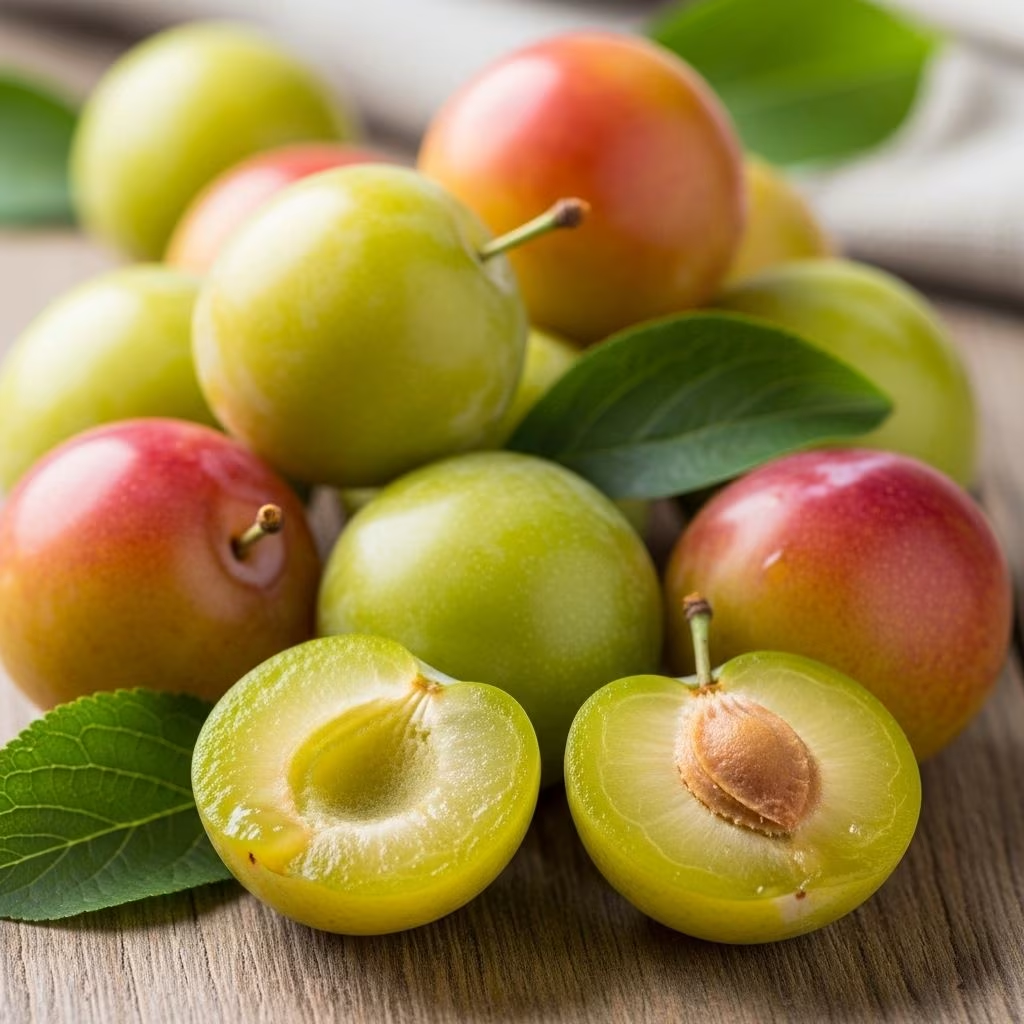
The Greengage plum has held an aristocratic place in orchards and kitchens for centuries, prized for its emerald skin, extraordinary sweetness, and versatility in dishes both sweet and savory. This article delves into every aspect of the Greengage plum: its history, unique characteristics, health benefits, mouthwatering uses, and expert advice for growing or sourcing these coveted fruits.
Introduction to Greengage Plum
Greengage plums (scientific name Prunus domestica, commonly called Reine Claude in France) are a celebrated member of the plum family. Noted for their compact size, rich green to yellow-green skin, and honey-like flavor, Greengages hold a special place among stone fruits.
Despite their luscious sweetness, their naturally green color can mislead many into thinking the fruit is unripe. In reality, a ripe Greengage is vibrant, succulent, and far sweeter than most other plum varieties.
Origin and History
The Greengage plum has a lineage dating back to the early 18th century and possibly even earlier. The fruit originally hails from Europe, with legends tracing its roots to the Middle East and subsequent selection in France. The French name “Reine Claude” pays homage to Queen Claude of France, in whose honor the variety was named. English horticulturists further popularized the fruit, calling it “Greengage” after Sir William Gage, who introduced it to England.
Today, Greengage remains a connoisseur’s choice, often regarded as the gold standard in plum flavor and texture.
Key Varieties of Greengage Plum
There are over a dozen cultivars of Greengage, each with subtle differences in skin hue, ripening period, and flavor depth. Some of the most notable varieties include:
- Imperial Gage – A large, round fruit with pale green-yellow skin and juicy, aromatic flesh.
- Golden Transparent – Distinct for its golden-green, almost translucent skin and intense sweetness.
- Cambridge Gage – Prized for reliably high yields and a more tart undertone.
- Laxton’s Gage – Offers exceptional dessert quality with a spicy-sweet taste.
- Bryanston Gage – Often used for preserves due to a balanced sugar-to-acid ratio.
All these types share the signature greenish exterior when ripe, dense yet juicy flesh, and a small easily removed pit or stone.
Taste Profile: What Makes Greengage Unique?
The Greengage stands alone in the world of plums for its supreme sweetness and distinctive bouquet of flavors. Here’s what sets it apart:
- Exceptional Sweetness: Greengages contain a remarkably high natural sugar content, frequently between 30 to 38 Brix (significantly higher than most plums, which usually register in the teens). This translates into a honeyed, syrup-like juiciness.
- Balanced Acidity: There is an underpinning of gentle acidity, preventing the sweetness from being cloying and giving the fruit a refreshingly crisp finish.
- Complex Flavor Notes: Tasting notes regularly describe hints of dried apricot, ripe mango, and subtle citrus marmalade undertones alongside the primary sugar hit.
- Texture: The flesh is finely textured, succulent, and dense. The thin skin blends seamlessly into the flesh without toughness or bitterness.
| Texture | Flavor | Sugar Content (Brix) |
|---|---|---|
| Dense, finely-textured, juicy | Honeyed, notes of apricot, mango, citrus | 30–38 |
Unlike many green fruits, Greengages are fully ripe and at their best when green, sometimes with gold or amber blushes depending on variety.
Nutritional Value and Health Benefits
The Greengage plum offers several valuable nutrients and has a positive impact on health when enjoyed as part of a balanced diet.
- Rich in Vitamins: Greengages are a strong source of Vitamin A (supports vision and organ function), Vitamin C (boosts immunity and has antioxidant properties), and Vitamin K (aids in wound healing and bone metabolism).
- Essential Minerals: They provide potassium (for healthy fluid balance and nerve function), calcium, and phosphorus (both help maintain bone and teeth strength).
- Low in Calories, High in Fiber: Like most plums, Greengages are low in calories and fat while delivering dietary fiber, which aids digestion and helps maintain stable blood sugar levels.
- Natural Antioxidants: These plums are a source of phytochemicals that can counteract oxidative stress and support overall health.
Eating Greengage plums can support a robust immune system, aid digestion, and promote healthy skin, making them a delicious way to nurture your body.
At-a-Glance: Nutritional Content (per 100g, approximate)
- Calories: 50–60 kcal
- Vitamin C: 8–10 mg
- Vitamin A: ~300 IU
- Vitamin K: ~6 mcg
- Potassium: 157–180 mg
- Calcium: 5–7 mg
- Phosphorus: 12–16 mg
- Dietary Fiber: 1–2 g
Culinary and Traditional Uses
Few fruits are as versatile as the Greengage in both modern and traditional kitchens. Its flavor and texture lend themselves to a wide range of uses:
- Fresh Eating: Enjoyed raw, Greengages make an exceptional dessert or snack, celebrated for their complex sweetness.
- Baking: Their syrupy nature makes them ideal for baking into tarts, cakes, and pastries where their flavor can shine.
- Preserves and Jams: The high sugar and pectin content ensures fragrant, brightly flavored jams, jellies, and marmalades.
- Cooking: Poached Greengages pair beautifully with spices, honey, or stone fruits in compotes and fruit salads.
- Savory Applications: Popular in French cuisine, sliced Greengages can be added to salads, paired with cheeses, or even combined with meats like duck or pork for a sweet-sour contrast.
Greengages have also been used traditionally in liqueur infusions and preserved whole in syrup, a classic treat in French and British kitchens.
How to Grow Greengage Plums
Greengage plums can succeed in many temperate climates but are known for their particular requirements and a reputation for being tricky to grow.
- Site Selection: Full sun is essential for the best fruit flavor and yield; well-drained soil is also recommended.
- Tree Size: Most trees mature to about 12–18 feet in height and width, forming compact, ornamental structures with deep green foliage and fragrant white spring flowers.
- Pollination: Greengage trees are usually partially self-fertile but will yield better harvests when planted with another compatible European plum variety.
- Planting: Choose a robust rootstock—such as Marianna for semi-dwarf trees—for best vigor and disease resistance.
- Care: Prune to maintain open form and air circulation. Watch for brown rot and bacterial canker; preventative copper or lime-sulfur sprays in fall and spring may help in humid regions.
- Hardiness: Suitable for USDA Zones 4-8, making Greengage accessible to many North American gardeners.
- Harvest Season: Fruits generally ripen from late summer to early fall, depending on the local climate and cultivar.
Selection and Storage Tips
Choosing Greengages at peak ripeness maximizes both flavor and nutrition:
- Look for plums with smooth, slightly soft skin and a fragrant aroma. Avoid fruit with shriveling, blemishes, or sticky leaks suggesting overripeness.
- Greengages should feel heavy for their size—a sign of juiciness.
- If very firm, allow to ripen for 1–3 days at room temperature, away from sunlight.
Storage:
- Refrigerate ripe Greengages in a paper bag; use within a week for optimal texture and taste.
- For longer preservation, Greengages can be sliced and frozen, made into jam, or bottled in syrup for later enjoyment.
Popular Recipes and Serving Inspiration
Greengage plums can star in both simple and sophisticated recipes. Here are some serving ideas:
- Classic Greengage Jam: Simmer ripe plums with sugar and a splash of lemon for spoonable luxury.
- French Tarte aux Prunes: Layer halved Greengages atop sweet pastry cream and bake for an elegant dessert.
- Poached Greengages in Wine: Cook plums in white wine, a cinnamon stick, and honey for a fragrant compote—delicious with vanilla ice cream or mascarpone.
- Salads: Toss sliced Greengages with arugula, goat cheese, and toasted walnuts for a vibrant appetizer.
- Chutneys and Salsas: Add ginger, chili, or herbs for savory-sweet accompaniments to grilled meats or strong cheeses.
- Fruit Leather: Puree and dehydrate for portable, naturally sweet treats.
Challenges and Rarity in Cultivation
Despite their celebrated status, Greengage plums are rarely found in supermarkets. Several factors explain their relative rarity:
- Short Growing Season: Greengages are available only in late summer to early fall.
- Sensitive Fruit: The plums are prone to bruising due to their soft skin and juicy flesh, making them poorly suited for large-scale commercial handling.
- Biennial Bearing: Many trees produce heavy crops only every other year, which complicates farming logistics.
- Challenging Cultivation: Susceptibility to diseases like brown rot and particular requirements for soil and climate further limit widespread production.
Because of these challenges, Greengages remain a prize for home growers, select farmers markets, and artisanal food producers.
Frequently Asked Questions (FAQs)
Q: What do Greengage plums taste like?
A: Greengage plums are exceptionally sweet with complex honeyed flavors and subtle notes of apricot, mango, and citrus marmalade. Their taste is more syrup-like and less tart than typical plums.
Q: Are Greengage plums good for you?
A: Yes, Greengages are rich in vitamins A, C, and K, as well as minerals like potassium and calcium, making them highly nutritious and beneficial for overall health.
Q: Can Greengage plums be used in cooking and baking?
A: Absolutely. Their sweetness and juiciness make them ideal for jams, desserts, sauces, and savory dishes alike.
Q: Are Greengage plums difficult to grow?
A: While Greengages can be grown in temperate climates, they require specific care, good pruning, and protection from diseases. Crop yields may alternate year by year, but the fruit is well worth the effort for enthusiasts.
Q: Why aren’t Greengage plums common in stores?
A: Their short season, delicate structure, and sensitivity to handling make them unsuitable for large-scale distribution. You are most likely to find them at farmers markets during peak late summer months or by growing your own.
Conclusion
The Greengage plum remains one of the fruit world’s best-kept secrets—renowned among chefs, home bakers, and orchardists but elusive to the average supermarket shopper. Their emerald-toned sweetness, intricate flavors, and health benefits make them a seasonal delicacy worth seeking out or cultivating. Whether enjoyed fresh, transformed into jam, baked in tarts, or shared with friends, Greengages are a true gastronomic treasure and a testament to the joys of culinary discovery.
References
- https://specialtyproduce.com/produce/Greengage_Plums_6287.php
- https://www.tastingtable.com/1067951/what-makes-greengage-plums-unique/
- https://plants.millcreekgardens.com/12190009/Plant/14172/Greengage_Plum/
- https://onegreenworld.com/product/green-gage-2/
- https://www.cumminsnursery.com/buy-trees/product-detail.php?type=tree&id=14776
- https://www.orangepippintrees.com/trees/plum-trees/plum-trees-european/old-greengage
- https://www.monticello.org/house-gardens/in-bloom-at-monticello/green-gage-plum/
- https://www.starkbros.com/products/fruit-trees/plum-trees/green-gage-plum
- https://horsfordnursery.com/prunus-domestica-green-gage/


