


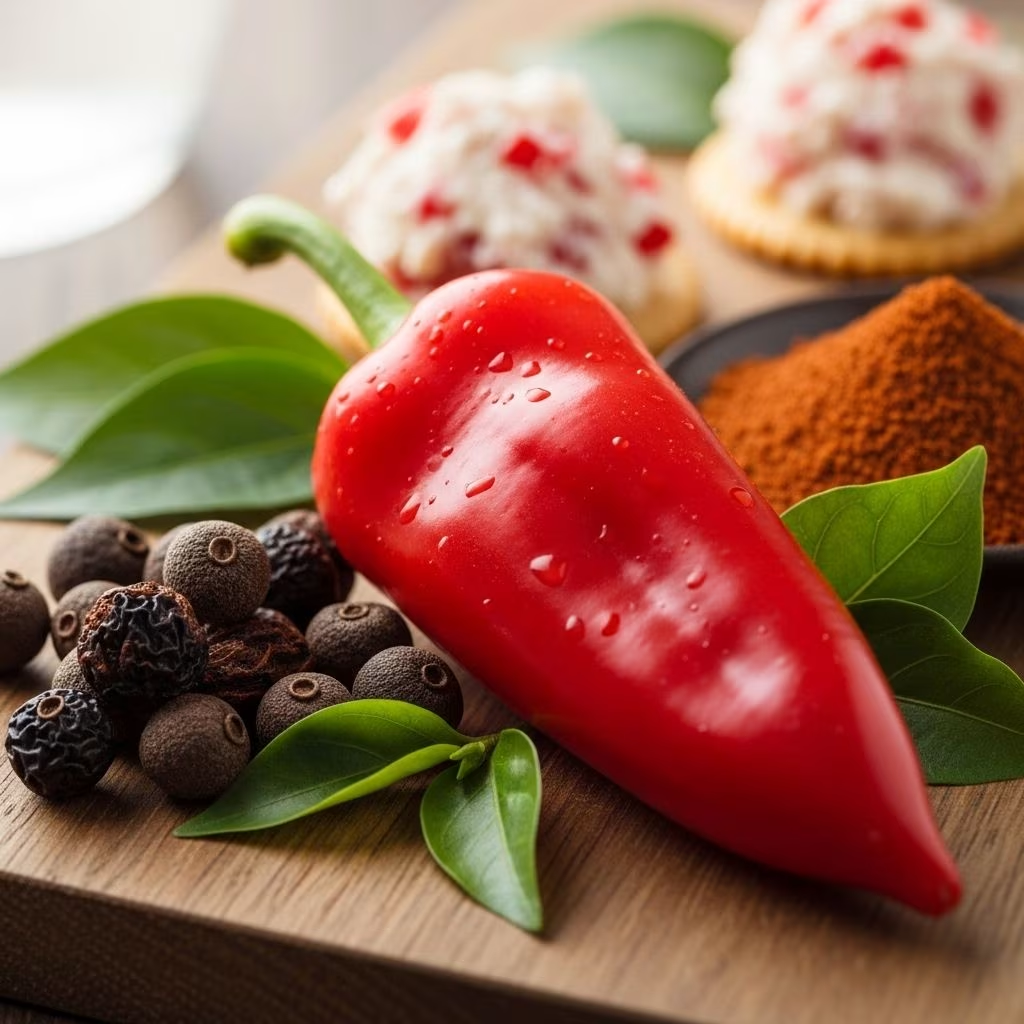
What Is Pimento? A Deep Dive into Its Taste, Benefits, and Culinary Uses
Pimento, also known as pimiento or cherry pepper, is a large, red, heart-shaped chili pepper celebrated for its sweet flavor, mild heat, and impressive versatility in global cuisine. The name pimento comes from Spanish and Portuguese origins, ultimately rooted in the Latin word pigmentum, which refers to coloring—a nod to the vivid hue these peppers often display. Whether lending its distinctive taste to cheese spreads or starring stuffed in olives, pimento peppers offer more than just vibrant color on the plate; they bring unique sweetness, nutrients, and culinary creativity to kitchens around the world.
What Is Pimento?
Pimento or pimiento refers to a distinctive variety of chili pepper (Capsicum annuum) that is typically large, red, and heart-shaped. Measuring around 7-10 centimeters in length and 2-3 centimeters in width, pimentos are cherished for their sweet, aromatic, and succulent flesh. While their name is closely tied to sweet bell peppers in Spanish and Portuguese, in Jamaican English, “pimento” commonly refers to allspice (Pimenta dioica), making context essential in culinary discussions.
Origin and History
The journey of the pimento pepper stretches back centuries. The pepper’s name derives from the Latin pigmentum (color or pigment), reflecting its vibrant color. Spain and Portugal are considered key centers in the cultural and culinary history of the pimento. By the 19th century, pimentos found special favor as a stuffing for olives, an innovation that balanced the natural bitterness of fresh olives with the pepper’s sweetness. This classic combination soon spread worldwide, and today, pimentos are cultivated broadly, from southern Europe to the United States. The state of Georgia, in particular, is known for its large-scale production and canning of pimentos.
Appearance and Varieties
Pimentos are striking in appearance, often heart-shaped with a glossy skin and deep red coloring upon maturity. Immature fruits are green and, as they ripen, turn shades of yellow, maroon, or bright red. The variety most commonly found is sweet, but some cultivars—such as Floral Gem and Santa Fe Grande—have a spicy kick, broadening their culinary utility.
- Sweet Pimento: The widely consumed type, ideal for stuffing in olives or making cheese spreads.
- Spicy Pimento: Examples include Floral Gem and Santa Fe Grande, known for a gentle heat.
- Cherry Pepper: Another common name reflecting the pepper’s shape and size.
Pimento Pepper Fast Facts
| Attribute | Details |
|---|---|
| Botanical Name | Capsicum annuum |
| Common Names | Pimento, Pimiento, Cherry Pepper |
| Scoville Heat Units (SHU) | 100 – 500 SHU (very mild) |
| Size | 7–10 cm long, 2–3 cm wide |
| Color | Green (unripe), Red/Yellow/Maroon (ripe) |
| Flavor | Sweet, aromatic, succulent |
Pimentos are among the mildest hot peppers, with a heat profile just above the bell pepper and far below varieties like jalapeño.
Taste Profile: What Does Pimento Taste Like?
Pimento peppers are celebrated for their sweet, juicy, and aromatic flavor. They are significantly milder than most chili peppers, registering only 100-500 Scoville heat units—a mere whisper of heat compared to the spice of a jalapeño. Their sweetness outstrips the common red bell pepper, making them more succulent and complex, with a pleasant aroma and soft texture that’s particularly satisfying in both raw and cooked dishes. The taste of pimentos sometimes carries subtle fruity or floral notes, especially when fresh.
When used as a stuffing in olives, pimentos are often pureed and reformed with thickeners, resulting in a texture slightly different from the fresh pepper. In powder form, as paprika, the flavor is robust but remains gentle on the palate.
Nutritional Benefits
Aside from their culinary charm, pimentos bring a wealth of nutritional benefits:
- Rich in vitamins A and C: Crucial for a strong immune system, healthy skin, and vision.
- Contains iron: Essential for oxygen transport and healthy red blood cells.
- High in folate: Supports red blood cell production and proper fetal development.
- Vitamin B6: Important for hormone regulation and cognitive function.
- Vitamin K: Supports bone strength and blood clotting.
- Low in calories: Makes pimentos ideal for light, nutritious meals.
- Antioxidants: Help neutralize free radicals, contributing to overall health.
Scientific research confirms the health benefits of pimentos, making them a valuable addition to various diets.
Uses and Culinary Applications
Pimentos are remarkably versatile in the kitchen. Their mild heat and succulent texture enable them to play multiple culinary roles. Here are some classic and contemporary uses:
- Stuffed Olives: Perhaps the most iconic use, where strips or pureed pimento are placed inside green olives for balance and flavor.
- Pimento Cheese: A beloved Southern U.S. spread made from grated cheese, mayonnaise, and chopped pimento, enjoyed on sandwiches or crackers.
- Pickled, Canned, and Diced: Widely available formats, often used in salads, pizzas, and cold platters.
- Pimento Popper: Similar to jalapeño poppers, pimentos can be stuffed with cheese, breaded, and deep-fried.
- Paprika: Many paprika powders are made from dried pimentos, imparting mild heat and vibrant color to dishes.
- Garnish: Adds a visual and flavor accent to deviled eggs, potato salads, and hors d’oeuvres.
- Substitute for Bell Peppers: Can be swapped in most recipes to provide a sweeter, more aromatic alternative.
- Sauces and Marinades: Blended for a mild, sweet base in various sauces.
Globally, chefs use pimentos to create nuanced, layered flavors in Mediterranean, Latin American, and Southern American cuisines.
How to Buy and Store Pimentos
- Fresh: Look for glossy, unblemished peppers in grocery stores, especially during summer and early autumn.
- Canned: Available diced or sliced, ready for instant use in recipes.
- Jarred: Pickled strips for sandwiches, salads, and cheese spreads.
- Dried/Paprika: Choose high-quality paprika for best flavor.
Store fresh pimentos in the crisper drawer for up to a week. Canned and jarred pimentos can be kept unopened for many months; after opening, refrigerate and use within a few days for best taste.
Preparation and Cooking Tips
Preparing pimentos is straightforward:
- Rinse fresh pimentos thoroughly.
- Remove seeds and stems for smoother texture and milder taste.
- Dice, slice, or puree as needed.
- Roasting sweetens and intensifies flavor.
- Use raw in salads, or add to hot dishes just before serving to preserve color and texture.
- Combine with creamy cheeses, nuts, and herbs for creative appetizers.
Try experimenting by substituting pimentos for bell peppers in soups, omelets, or stir-fries for a sweeter, more aromatic profile.
Pimento vs. Other Peppers
| Pepper Type | Shape | Color | Heat (Scoville) | Flavor | Common Use |
|---|---|---|---|---|---|
| Pimento | Heart/Cherry | Red, Yellow, Maroon | 100–500 SHU | Sweet, aromatic | Stuffed in olives, cheese, garnishes |
| Bell Pepper | Blocky | Green, Red, Yellow, Orange | 0 SHU | Mild, fresh | Raw or cooked in dishes |
| Jalapeño | Small, elongated | Green, Red | 2,500–8,000 SHU | Medium heat, grassy | Poppers, salsas |
| Paprika | N/A (powder) | Red | Varies | Sweet, smoky | Spice, seasoning |
Pimentos stand out for their unique sweetness and minimal heat, making them ideal for those who appreciate pepper flavors without excessive spiciness.
Interesting Facts and Trivia
- The popular spice paprika is often made from dried pimento peppers.
- Georgia in the United States is the pimento capital, leading national production and canning.
- Traditional olive stuffing required manual insertion of pimento strips, but modern production is mechanized for efficiency.
- Pimento cheese spread is such a Southern staple that it’s often dubbed the “caviar of the South.”
- Pimentos are grown in a wide climatic range, from USDA zones 4 to 12.
Frequently Asked Questions (FAQs)
Q: Are pimentos spicy?
A: No, most pimentos are exceptionally mild, with Scoville ratings between 100 and 500 SHU, making them suitable even for those sensitive to heat.
Q: What’s the difference between pimento and paprika?
A: Paprika is a spice made by grinding dried pimento or similar mild peppers, while pimento refers to the fresh pepper or its preserved forms.
Q: Can I substitute bell peppers for pimentos in recipes?
A: Yes, red bell peppers are a common substitute, though pimentos have a sweeter and more aromatic taste.
Q: What cuisine uses pimentos most?
A: Pimentos are ubiquitous in Mediterranean, Spanish, Portuguese, and Southern American cuisines, prominently featuring in cheese spreads, olive stuffings, and salads.
Q: Are there health risks to eating pimentos?
A: Pimentos pose no unique health risks and can be enjoyed as part of a balanced diet. They offer valuable nutrients and are low in calories.
Conclusion
Pimentos are more than just a sweet pepper—they’re a culinary bridge across continents, a nutritional powerhouse, and a secret to adding subtle complexity to everyday dishes. From their gentle heat to their immune-boosting vitamins, pimentos are an ingredient worth exploring for anyone interested in broadening their gastronomic horizons.


