


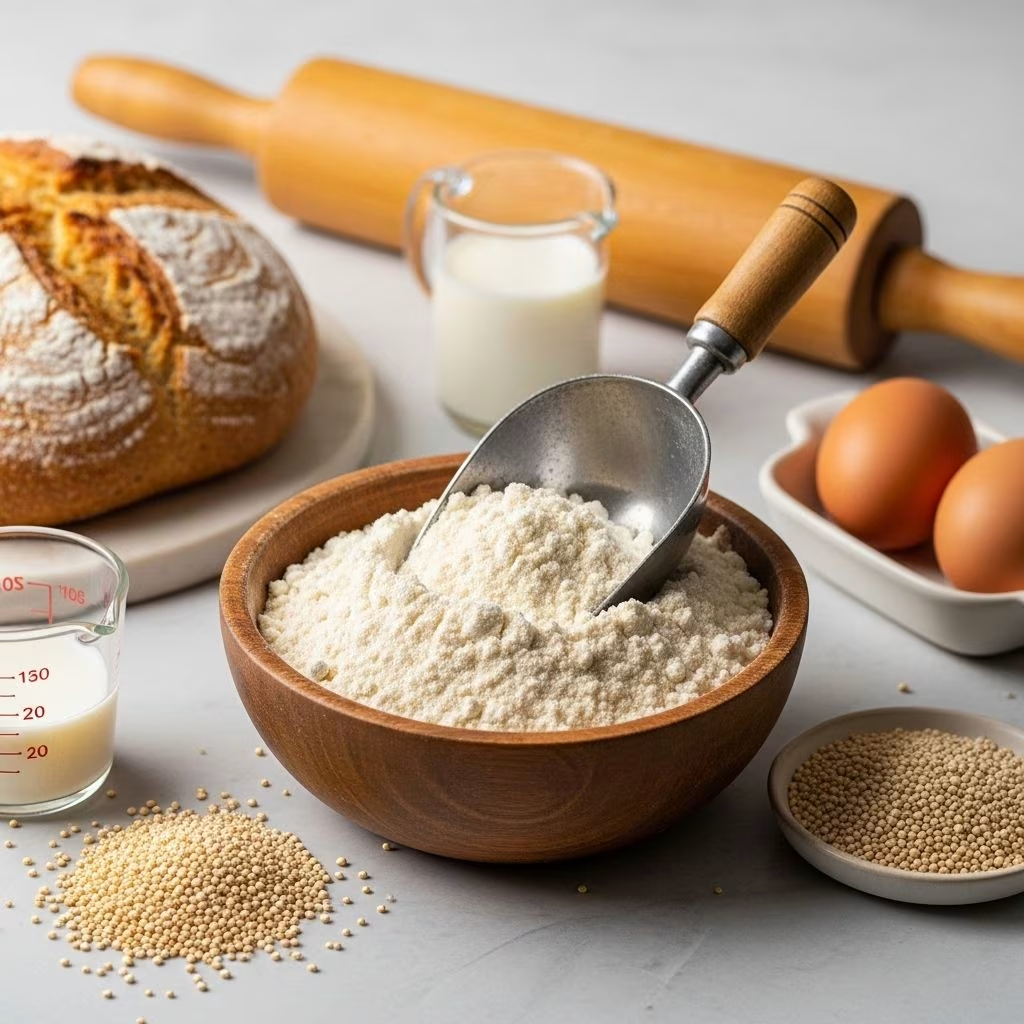
Quinoa flour is emerging as a favorite among health-conscious bakers and those seeking gluten-free alternatives. Made from finely ground quinoa seeds, this nutritional powerhouse offers versatility in the kitchen and exceptional health benefits beyond traditional flours.
- Introduction
- What Is Quinoa Flour?
- Nutritional Profile of Quinoa Flour
- Baking Uses for Quinoa Flour
- How to Use Quinoa Flour in Recipes
- Tips to Enhance Quinoa Flour’s Flavor and Texture
- Best Substitutes for Quinoa Flour
- Frequently Asked Questions
- Conclusion
Introduction
Quinoa flour has gained popularity as an alternative to wheat and other gluten-containing flours due to its impressive nutrient profile and ease of use in gluten-free baking. Whether you’re looking to bake delicious muffins, pancakes, cookies, or bread, quinoa flour delivers on flavor, nutrition, and versatility. This guide explores everything you need to know about this unique flour, its baking applications, nutritional value, and effective substitutes if you’re out of quinoa flour.
What Is Quinoa Flour?
Quinoa flour is produced by finely milling whole quinoa seeds—a pseudocereal native to the Andean region of South America. Unlike refined wheat flour, quinoa flour is naturally gluten-free and retains much of the seed’s original nutritional content. Its subtle nutty and earthy flavor profile sets it apart from neutral-tasting common grains, adding depth to baked goods and savory dishes alike.
- Source: Whole quinoa seeds, available in white, red, and black varieties.
- Texture: Fine and powdery; similar to all-purpose flour.
- Taste: Mildly nutty, can be grassy or bitter if not prepared correctly.
- Applications: Used as the main or partial flour in baking, thickening, or batter mixes.
Nutritional Profile of Quinoa Flour
Quinoa flour is renowned for being a complete protein source, providing all nine essential amino acids. It also supplies plenty of dietary fiber, vitamins, and minerals, and is naturally low in saturated fat. Below is an overview of the nutrients found in 100 grams of quinoa flour:
| Nutrient | Amount (per 100g) | Key Health Benefit |
|---|---|---|
| Calories | ~370 kcal | Energy |
| Protein | 14g | Muscle maintenance, satiety |
| Fat | 6g | Healthy fats, cholesterol control |
| Carbohydrates | 64g | Fuel, dietary fiber |
| Dietary Fiber | 7g | Digestive health |
| Calcium | 47mg | Bone health |
| Iron | 4.6mg | Blood health |
| Magnesium | 197mg | Muscle, heart, nerve function |
| Potassium | 563mg | Fluid balance, cardiovascular function |
- Complete protein: Quinoa flour contains all essential amino acids, making it unique among plant-based flours.
- High in fiber: Supports digestion and blood sugar control.
- Micronutrients: Packed with magnesium, iron, potassium, and calcium for overall health.
- Gluten-free: Ideal for those with gluten intolerance or celiac disease.
Baking Uses for Quinoa Flour
Quinoa flour serves as a versatile base for countless baked goods and cooking applications. Its strong binding properties make it a popular choice for gluten-free recipes, delivering structure and tenderness without the need for wheat-derived gluten.
- Pancakes & Waffles: Quinoa flour gives a protein boost and a hearty texture to pancakes and waffles. Try pairings with sweet potato, pumpkin, or zucchini for extra flavor.
- Muffins: Quinoa flour is perfect for gluten-free muffins, imparting moistness and a pleasant nutty undertone, as seen in recipes like Lemon Berry Quinoa Muffins.
- Cookies: Easily swap quinoa flour in your favorite cookie recipes for a nutritious gluten-free treat. Peanut butter and chocolate chip versions work especially well.
- Brownies: For fudgy, rich brownies, use quinoa flour as the main flour. Add flavors like raspberry or cheesecake to enhance both nutrition and taste.
- Breads & Tortillas: Make tortillas, flatbreads, or yeast-free loaves with quinoa flour as the main or partial flour.
- Pizza crust: Quinoa flour combines with other gluten-free flours for a crisp and chewy pizza base.
- Crackers: Use quinoa flour for homemade gluten-free crackers with herbs or seeds.
- Cakes & Blondies: Use alone or blend with almond, oat, or rice flours for a delicate crumb in cakes and blondies.
See the table below for a comparison of quinoa flour’s baking applications:
| Baked Good | Quinoa Flour Usage | Notes |
|---|---|---|
| Pancakes | Can be used 100% | Adds protein and increases thickness |
| Muffins | Main flour or up to 50% | Enhances moisture and nutty flavor |
| Cookies | Main flour or combined with others | Good binding, great texture |
| Brownies | Main flour, 100% | Fudgy, rich results |
| Pizza crust | Blend with other flours | For stronger structure |
| Crackers | Main flour | Hearty and crisp |
| Breads | Up to 1/3 total | Combine with starches for better rise |
How to Use Quinoa Flour in Recipes
Quinoa flour can be used in both sweet and savory baking. It is especially suited to recipes where gluten is not critical, as in muffins, pancakes, and brownies. When using quinoa flour exclusively, expect denser textures and pronounced flavor. To lighten the texture and reduce bitterness, combine with almond, oat, or tapioca flours, or add flavorings like vanilla, spices, or citrus zest.
General Baking Substitution Guidelines:
- Replace up to 50% of wheat flour by weight with quinoa flour in muffin, cookie, and cake recipes.
- For more structure, add eggs or a vegan binder like flaxseed meal or psyllium husk.
- Mix with starchy flours for lighter breads or risen yeasted recipes.
- Toast quinoa flour lightly before baking to mellow bitterness.
Example Recipe: Lemon Berry Quinoa Muffins (Gluten-Free & Nut-Free)
This widely praised recipe highlights how quinoa flour shines in muffin applications:
- 1.5 cups quinoa flour
- 2 tsp baking powder
- 1/4 tsp cinnamon
- 1 large egg
- 1/3 cup milk
- 1 cup mixed berries
Instructions: Mix dry and wet ingredients separately, fold together, add berries, fill muffin tins, and bake at 400°F for 20 minutes. Result: moist, tasty breakfast or snack without gluten or nuts.
Other Recipe Ideas:
- Brownies with a quinoa flour base, dark chocolate and fruit swirls
- Healthy pizza crusts and tortillas with quinoa flour and psyllium husk
- Cheesy kale quinoa crackers for savory snacking
- Vegan gingersnap or peppermint cookies
Tips to Enhance Quinoa Flour’s Flavor and Texture
- Toast quinoa flour in the oven for 10–15 minutes before use to minimize bitterness and deepen nutty flavors.
- Add complementary spices like cinnamon, nutmeg, ginger, or vanilla.
- Pair with fruit zests (lemon or orange) to brighten flavor and balance earthiness.
- Combine with other gluten-free flours (almond, rice, oat) for a softer and lighter texture.
- Adjust liquids: Quinoa flour absorbs slightly more liquid than wheat flour; add milk, eggs, or yogurt as needed.
- Use binders: Egg, applesauce, or flaxseed meal help improve texture and binding in gluten-free recipes.
Best Substitutes for Quinoa Flour
Running out of quinoa flour, or seeking variety in your gluten-free baking? Consider these alternatives:
- Almond flour: Mild flavor, high in protein and fat. Good for cakes, cookies, and brownies.
- Oat flour: Slightly sweet, soft texture. Excellent in muffins and pancakes.
- Coconut flour: Very absorbent—requires liquid adjustments. Sweet and works well in desserts.
- Chickpea flour: Earthy, savory taste with high protein; best for crackers, flatbreads.
- Sorghum flour: Smooth, mild gluten-free flour; helpful in pizza crusts and blends.
| Substitute | Best Applications | Notes |
|---|---|---|
| Almond Flour | Muffins, cookies, brownies | Mild taste, moist crumb |
| Oat Flour | Pancakes, muffins | Binds well, neutral flavor |
| Coconut Flour | Cakes, sweet breads | Use less, add liquid |
| Chickpea Flour | Crackers, savory breads | Earthy, higher protein |
| Sorghum Flour | Pizza crust, bread blends | Mild, balances flavors |
Substitution Ratio: For most baking recipes, almond and oat flour can replace quinoa flour 1:1 in volume. For coconut and chickpea flour, start with 1:2 and adjust liquids and structure.
Frequently Asked Questions (FAQs)
Is quinoa flour gluten-free?
Yes, quinoa flour is naturally gluten-free and suitable for those with celiac disease or gluten intolerance.
Does quinoa flour taste bitter?
Raw quinoa flour can have a grassy or bitter taste; toasting the flour before baking or combining with strong flavors reduces bitterness significantly.
Can I substitute quinoa flour for all-purpose flour?
Generally, you can substitute 50% or more of all-purpose flour with quinoa flour in most recipes, but some adjustments for liquid and structure may be needed. Full replacement works best in brownies, cookies, and muffins—less so in yeasted breads.
Is quinoa flour suitable for vegan baking?
Absolutely. Use flaxseed meal or psyllium husk as a binder in egg-free recipes for improved texture and lift.
How should quinoa flour be stored?
Store quinoa flour in a cool, dry place in an airtight container. Refrigeration prolongs freshness and prevents rancidity.
Conclusion
Quinoa flour stands out as a versatile, nutritious, and gluten-free choice for home bakers. Its high protein, fiber, and mineral content make it perfect for healthier baked goods, from muffins and brownies to crackers and tortillas. While its flavor is distinctive, toasting and recipe adjustments bring out its best qualities. Whether you’re seeking to diversify your diet, follow gluten-free protocols, or simply experiment with new ingredients, quinoa flour delivers robust performance and wellness benefits. Consider keeping it on hand alongside almond, oat, and chickpea flours to add nutritional variety and creative flair to your baking repertoire.
References
- https://thehonoursystem.com/lemon-berry-muffins-with-quinoa-flour-gluten-free/
- https://www.simplyquinoa.com/how-to-use-quinoa-flour/
- https://www.youtube.com/watch?v=9pkp-9_hcGc
- https://everydayglutenfreegourmet.ca/how-to-use-almond-flour/
- https://cookingwithoutgluten.wordpress.com/2018/04/04/the-best-of-quinoa-flour-simple-and-reliable-single-flour-recipes/
- https://feastingonfruit.com/vanilla-quinoa-flour-cupcakes/
- https://www.mynaturalfamily.com/gluten-free-quinoa-flour-recipes/
- https://www.simplyquinoa.com/healthy-quinoa-carrot-cake/


