


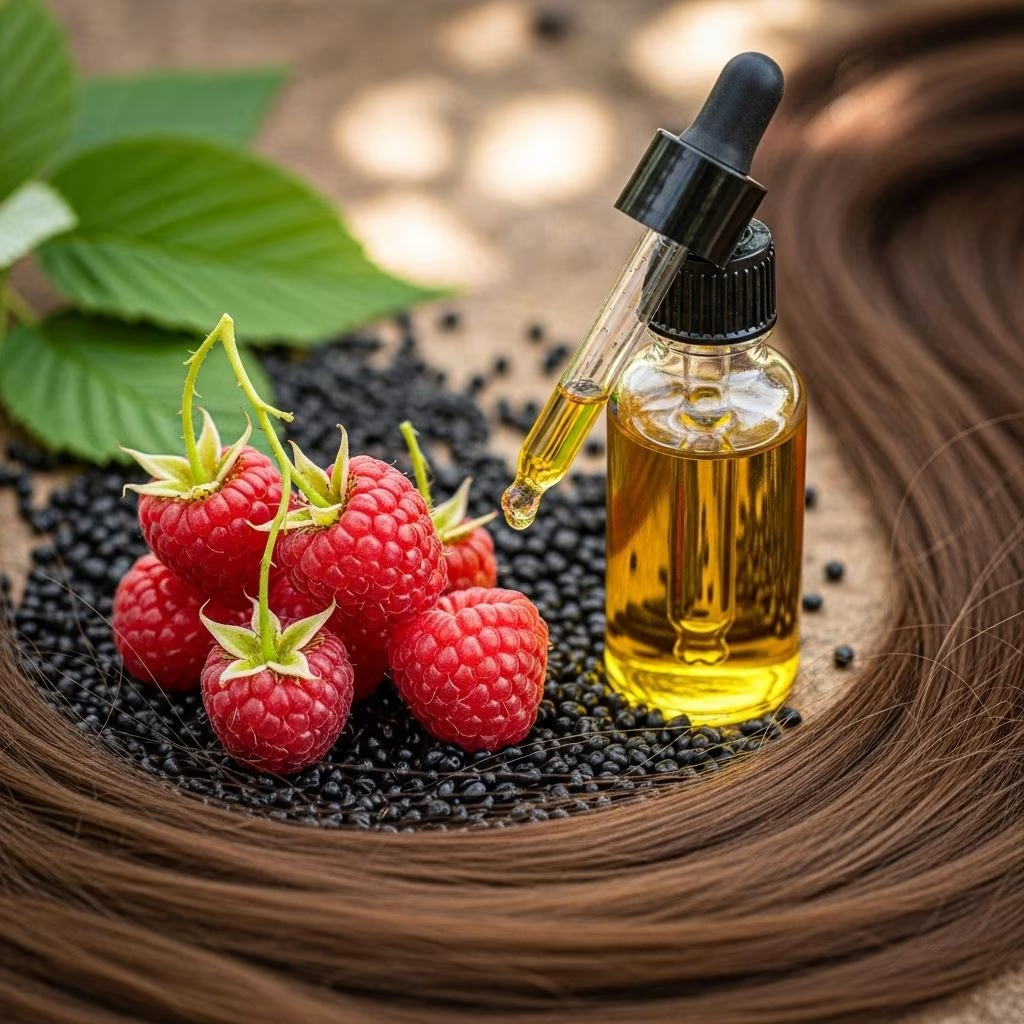
Raspberry seed oil, extracted from the tiny seeds of Rubus idaeus, is rapidly gaining attention in the world of natural hair care. Prized for its rich blend of essential fatty acids, antioxidants, and vitamins, it offers a safe, plant-based alternative for addressing common hair concerns such as dryness, breakage, thinning, and environmental damage. In this article, we explore the science behind its benefits, expert-backed usage methods, and actionable tips for integrating raspberry seed oil into your hair care routine.
Why Choose Raspberry Seed Oil for Hair?
Raspberry seed oil is uniquely positioned within the landscape of natural hair oils thanks to its potent blend of omega-3 and omega-6 fatty acids, vitamin E, provitamin A, and a host of antioxidants. Sourced from the seeds of red raspberries, this lightweight oil delivers moisture and vital nutrients directly to the hair and scalp without leaving a greasy residue.
Main reasons to use raspberry seed oil for hair:
- Intense hydration without heaviness.
- Natural UV protection to defend against sun damage and color fading.
- Potent antioxidants that prevent oxidative stress and slow aging of hair fibers.
- Supports scalp health and soothes irritation.
Key Hair Benefits of Raspberry Seed Oil
Several clinical and anecdotal sources cite a host of advantages for raspberry seed oil when applied to hair and scalp, including:
- Deep Moisturization: Omega-3 and omega-6 fatty acids help lock in moisture, restoring softness and flexibility to dry, brittle hair.
- Antioxidant Protection: High vitamin E content neutralizes free radicals, shielding hair from environmental pollutants.
- UV Ray Defense: Raspberry seed oil uniquely blocks and absorbs harmful UV radiation, helping prevent sun-induced hair damage and color fading.
- Repair for Damaged Hair: Essential fatty acids and antioxidants nourish and repair hair that is over-processed, heat-styled, or stressed by weather.
- Strengthening Hair Follicles: Vitamins A and E improve the health of follicles, reducing hair fall and breakage.
- Enhanced Shine and Elasticity: Regular use smooths the hair cuticle, reducing split ends and improving glossiness.
- Plausible Boost to Hair Growth: By nourishing roots and stimulating scalp circulation, the oil may support hair growth in individuals with thinning or slow-growing hair.
- Soothing Scalp Benefits: Its anti-inflammatory action helps alleviate scalp irritation or inflammation that can contribute to hair loss.
The Science: How Does Raspberry Seed Oil Work on Hair?
Raspberry seed oil’s effectiveness is traced to its unique blend of nutrients and biologically active compounds:
- Fatty Acids (Omega-3, Omega-6): These essential fats help build the cellular structure of the hair and scalp, maintain the integrity of the scalp barrier, and keep hair hydrated.
- Vitamin E: This antioxidant protects the scalp and hair follicles from oxidative damage caused by free radicals, UV exposure, and pollution.
- Provitamin A (Carotenoids): Helps maintain healthy cell turnover in the scalp, supporting robust hair growth and regrowth.
- Anti-inflammatory Agents: Reduces scalp irritation, which is often an underlying cause of hair loss or poor hair health.
- Sun Protection Factor: Research suggests raspberry seed oil can absorb UVB and UVC rays, acting as a gentle sunscreen for hair.
Unlike heavier oils, raspberry seed oil has a lightweight molecular profile, allowing it to penetrate beneath the hair cuticle and restore from within. Its fatty acids support sebum production, a natural scalp lubricant, keeping hair flexible and resilient.
Potential for Hair Growth Promotion
While definitive human clinical trials are limited, related botanical oils rich in essential fatty acids and antioxidants have been shown to activate hair follicle growth cycles in animal models by promoting the anagen (growth) phase. Improved blood flow and reduced inflammation around the follicles allow for stronger, thicker hair development.
How to Use Raspberry Seed Oil for Hair
Raspberry seed oil’s versatility allows it to fit into almost any hair care regimen. The following application methods can be adopted based on your hair type and goals:
1. Scalp Treatment
- Apply a few drops of pure, cold-pressed raspberry seed oil directly to the scalp.
- Massage gently for 3-5 minutes to stimulate circulation and distribute oil.
- Leave it on for at least 30 minutes or overnight for a deep treatment before shampooing.
2. Leave-in Conditioner / Serum
- Rub 2-4 drops between your palms and apply lightly to towel-dried hair, focusing on mid-lengths and ends.
- Comb through to distribute. This method tames frizz, smooths split ends, and adds shine.
3. Pre-Shampoo Mask
- Mix raspberry seed oil with a carrier oil (such as coconut or jojoba) for added nourishment.
- Apply generously to dry hair and scalp, cover with a shower cap, and wait 30-60 minutes before washing.
4. In DIY Hair Products
- Add a few drops to your regular conditioner, hair masks, or styling products for a nutrient boost.
5. Sun Protection Finisher
- Before sun exposure, smooth a tiny amount onto your hair’s surface to help protect against UV damage.
Tips & Best Practices for Using Raspberry Seed Oil
- Start Small: A little goes a long way due to its high potency. Excess oil can weigh down fine hair.
- Opt for Cold-Pressed, Unrefined Oil: Minimally processed oils retain more nutrients and deliver better results.
- Patch Test First: Apply to a small area of skin if using for the first time, especially if you have sensitive skin or allergies.
- Combine with Other Oils: Layer with lightweight oils like argan, grapeseed, or jojoba for added benefits and easy application.
- Consistency Matters: For best results, use regularly (1-2 times a week) over several weeks.
- Store Properly: Keep oil in a cool, dark place to prevent rancidity and maintain potency.
Comparison: Raspberry Seed Oil vs. Other Popular Oils
| Feature | Raspberry Seed Oil | Argan Oil | Coconut Oil |
|---|---|---|---|
| Texture | Lightweight, absorbs easily | Light-Medium, silky | Heavier, can be greasy for fine hair |
| Main Benefit | UV protection, antioxidant, hydration | Frizz control, moisture, shine | Deep conditioning, scalp nourishment |
| Vitamins | High E, Provitamin A | High E, Polyphenols | High E, Lauric Acid |
| Fatty Acids | Omega-3, Omega-6 | Oleic, Linoleic acid | Lauric, Myristic, Caprylic |
| Best for | Color-treated/damaged, fine/medium hair | Dry, frizzy, brittle hair | Very dry, curly, thick hair |
Possible Side Effects and Precautions
Raspberry seed oil is generally safe for use on all hair types and is well-tolerated by most people. Nevertheless, observe the following precautions:
- Allergic Reactions: Rare, but possible. Always perform a patch test before full application, particularly if you have nut or seed allergies.
- Product Purity: Opt for 100% pure, cold-pressed raspberry seed oil without fillers, preservatives, or synthetic fragrances.
- Potential for Build-Up: Overuse may result in minor buildup, especially for fine or easily weighed-down hair types. Adjust frequency and amount as needed.
- Sun Protection: While it offers some UV defense, raspberry seed oil should not fully replace a dedicated sunscreen when outdoors for extended periods.
Frequently Asked Questions (FAQs)
Q: Can raspberry seed oil actually promote hair growth?
A: Raspberry seed oil is rich in nutrients that create a healthy scalp environment, supporting stronger follicles, reducing breakage, and encouraging robust growth. Direct clinical evidence in humans is still emerging, but its fatty acid and antioxidant profile is promising for overall hair health.
Q: How quickly can I expect results?
A: Noticeable improvement in hair texture and shine may occur after a few uses. For changes such as reduced breakage or enhanced growth, consistent use for 4–8 weeks is recommended.
Q: Is raspberry seed oil suitable for oily hair or scalp?
A: Yes. Its lightweight texture doesn’t clog pores and can even help regulate scalp sebum when not over-applied.
Q: Can I use raspberry seed oil on color-treated hair?
A: Absolutely. Its UV defensive properties help protect against color fading and oxidative stress, making it a good choice for chemically processed hair.
Q: How should I store raspberry seed oil?
A: Store in a tightly sealed, amber-colored bottle in a cool, dark place to extend shelf life and potency.
Q: Are there any commercial products with raspberry seed oil?
A: Yes. Raspberry seed oil is increasingly featured in high-end hair masks, serums, and leave-in conditioners for dry, damaged, or aging hair. Always check the ingredient list for purity and concentration.
Conclusion
Raspberry seed oil is a powerful, plant-based addition to contemporary hair care, offering scientific and anecdotal benefits for hydration, repair, protection, and potentially hair growth. With proper use and storage, it is safe and effective for most hair types, offering a natural route to healthier, more resilient hair. Consider incorporating raspberry seed oil as a regular part of your ritual for stronger, shinier, and more protected hair.
References
- https://fullyvital.com/blogs/hair-vitamins/raspberry-seed-oil
- https://pmc.ncbi.nlm.nih.gov/articles/PMC10764223/
- https://wholesalebotanics.com/blogs/benefits/red-raspberry-seed-oil
- https://pmc.ncbi.nlm.nih.gov/articles/PMC8151122/
- https://makasa.org/en/article/maslo-ot-malinovi-semki-polzi-i-prilojeniya/
- https://www.healthline.com/health/red-raspberry-seed-oil
- https://www.newdirectionsaromatics.com/blog/raspberry-seed-carrier-oil-a-luscious-oil-for-healthy-hair-and-skin/
- https://www.theskinnyconfidential.com/the-skin-benefits-of-raspberry-seed-oil/
- https://www.ijcrt.org/papers/IJCRT2412465.pdf


