


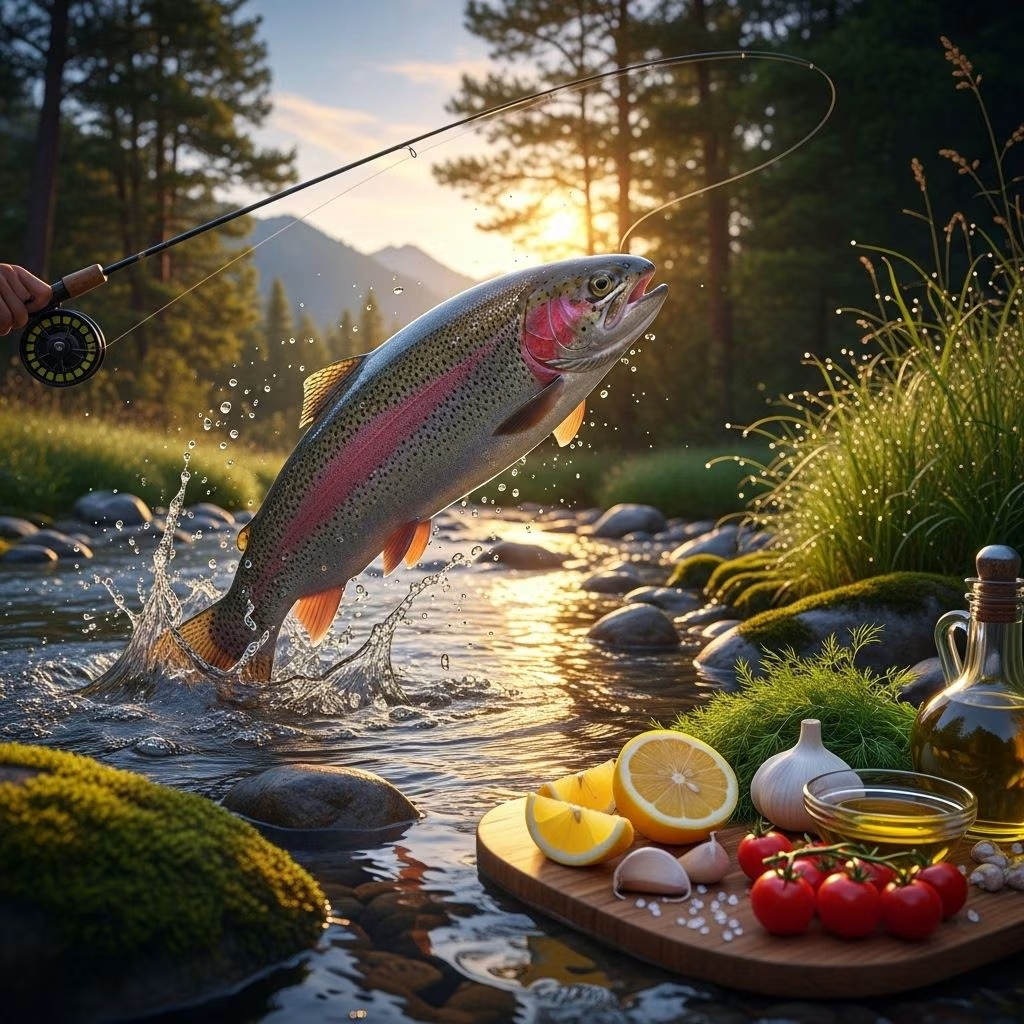
What Is Trout?
Trout are freshwater fish belonging primarily to the genera Oncorhynchus, Salvelinus, and Salmo, all of which are part of the salmon family (Salmonidae). They inhabit cool, clear streams, rivers, and lakes across North America, Europe, and Asia, and have become a symbol of wild aquatic beauty due to their vivid colors and distinctive markings. While most trout are freshwater species, some migrate to saltwater and return to breed, a lifestyle known as anadromy.
Beyond their ecological significance, trout have a major place in fishing traditions, nutrition, and gourmet cuisine. Their popularity stems not only from their taste and texture but also from their impressive health profile and versatility in culinary preparations.
Trout Species and Identification
There is a remarkable diversity among trout species, with numerous subspecies adapted to local habitats. Identification is often based on coloration, patterns, and anatomical features, which can vary even within species due to environment and maturity.
Major Species of Trout
- Brook Trout (Salvelinus fontinalis): Dark green back, cream or red spots with blue halos, silvery white belly, red fins with white edges, and stretched blotches on the tail. Highly vibrant during spawning season.
- Rainbow Trout (Oncorhynchus mykiss): Olive-green back, silvery sides, distinctive reddish-pink stripe along side and gill plate, black spots on body and fins, slightly forked tail, silvery belly.
- Brown Trout (Salmo trutta): Yellow-brown body with dark spots surrounded by pale halos, often found in rivers and lakes; coloration deepens during spawning. Notable wavy ‘tiger-like’ patterns in hybrids.
- Cutthroat Trout (Oncorhynchus clarkii and subspecies): Greenish/brassy yellow coloration, orange-red ‘cutthroat’ mark under jaw, black spots concentrated towards tail and back, yellow-orange fins.
- Lake Trout (Salvelinus namaycush): Dark brown to silvery green, cream-colored spots, deeply forked tail, pale fins with faded white edge; lives longer than other species.
- Golden Trout (Oncorhynchus aguabonita): Vibrant golden-yellow body, bold dark spots mostly near tail, red to orange lateral stripe, bright belly, clear fins with white edges.
- Marble Trout (Salmo marmoratus): Unique, marble-like pattern across body, silver to brownish-yellow background, large dark spots, no orange/red spots.
- Bull Trout (Salvelinus confluentus): Dark greenish-grey, lighter belly, light to orange spots, unmarked dorsal/caudal fin, pale lower fins with white edges.
| Species | Key Coloration | Distinctive Markings | Habitat |
|---|---|---|---|
| Brook Trout | Dark green Red/cream spots | Red fins with white edges | Streams, lakes (Eastern US, Canada) |
| Rainbow Trout | Olive-green Silvery sides | Reddish-pink stripe | Wide range Fresh & brackish |
| Brown Trout | Yellow-brown Pale halos | Tiger-like in hybrids | Europe, North America lakes/rivers |
| Cutthroat Trout | Greenish to yellow | Red slash under jaw | Western North America |
| Lake Trout | Dark brown-green | Cream spots, deeply forked tail | Larger lakes (North America) |
| Golden Trout | Golden-yellow | Red-orange lateral stripe | Sierra Nevada mountains (California) |
| Marble Trout | Silver-gray Brownish-yellow | Marble-like pattern | Adriatic basin (Italy, Slovenia) |
| Bull Trout | Dark greenish-grey | Light/orange spots | Cold rivers, Pacific NW |
Identification Tips
- Spot the adipose fin (small, fleshy, found near the tail), present in all true trout.
- Note the fin ray count, coloration, and spotting patterns for species differentiation.
- Coloration varies by age, environment, and spawning cycle—a single species may look dramatically different in varied habitats.
The Anatomy of Trout
Trout anatomy not only aids identification but also reflects their adaptability and ecological role. They possess:
- Spine-free fins: Soft-rayed, flexible fins ideal for swift, agile swimming through rocky streams.
- Adipose fin: Unique to the salmonid family; a vestigial fin significant for species identification.
- Physostome swim bladder: Connected to the esophagus, allowing swift air exchange for buoyancy control.
- Gills: The primary source of oxygen, unlike some other fish which use swim bladder for auxiliary oxygen.
Trout often change their color intensity and patterns to blend into their environment, serve as camouflage, and signal readiness for mating during spawning season. Wild trout generally show more vivid colors than domesticated or hatchery-raised varieties.
Nutritional Profile and Health Benefits
Trout are prized both for their flavor and exceptional nutritional value. As a lean source of protein, they are especially popular in heart-healthy and weight-conscious diets.
- High in Protein: Trout provides a complete source of amino acids, essential for growth, repair, and energy.
- Rich in Omega-3 Fatty Acids: These polyunsaturated fats support cardiovascular health, brain function, and inflammation reduction. Regular consumption associates with reduced risk of heart disease.
- Low in Saturated Fat: Unlike fattier red meats, trout’s fat profile contributes to lower cholesterol and healthier lipid profiles.
- Essential Vitamins and Minerals: Notably strong in vitamin D, B vitamins (especially B12 and niacin), calcium, phosphorus, selenium, and potassium.
- Low in Calories: Ideal for calorie-controlled diets, yet highly satiating due to protein density.
| Serving Size (100g) | Calories | Protein | Fat | Omega-3s (EPA/DHA) | Vitamin D |
|---|---|---|---|---|---|
| 100g Cooked Trout | 119 | 20g | 3g | ~800mg | ~500 IU |
Health Benefits
- Promotes Heart Health: Omega-3s and low saturated fat contribute to reduced cardiovascular risk.
- Supports Cognitive Function: EPA/DHA are associated with improved brain health and reduced cognitive decline.
- Strengthens Bones: Vitamin D and calcium content aid bone density and strength.
- Boosts Immunity: Selenium, vitamin B12, and protein encourage healthy immune function.
- Encourages Healthy Weight: High protein promotes satiety, which helps control appetite.
Culinary Uses of Trout
Trout are highly valued in international cuisine, celebrated for their versatility and ease of preparation. Chefs and home cooks alike embrace trout for grilling, baking, frying, poaching, smoking, and even sashimi in some cultures.
Popular Culinary Preparations
- Grilled: Whole or filleted trout are often grilled with a touch of lemon, herbs, and olive oil. The mild, tender flesh cooks quickly and absorbs flavors beautifully.
- Pan-fried: Trout fillets, lightly dredged in flour and pan-fried in butter, are classic in European cuisine (e.g., French truite meunière).
- Smoked: The distinctive smoky flavor pairs well with salads, bagels, and appetizers.
- Baked: Stuffed with aromatic vegetables and baked, trout makes a nourishing main course with minimal effort.
- Poached: Gentle poaching preserves trout’s delicate texture and mild flavor.
- Raw: Some cultures, notably Japanese, prepare trout as sashimi or sushi, provided it’s ultra-fresh and parasite-free.
Pairing Suggestions
- Lemon and dill enhance trout’s natural flavors.
- Almonds and capers add satisfying crunch and salty tang.
- Seasonal vegetables provide freshness and nutritional balance.
- Pair with dry white wines such as Sauvignon Blanc or Chardonnay for a harmonious palate.
Taste Profile: What Does Trout Taste Like?
Trout is celebrated for its tender, flaky flesh and balanced, mild flavor profile. Unlike salmon’s rich fattiness, trout offers a subtler taste with just a hint of sweetness and earthiness. The nuances vary among species and preparation methods:
- Rainbow Trout: Mild and delicate, with tender texture; slight earthy undertone, often compared to freshwater salmon but less fatty.
- Brook Trout: Mildest of the group; fine-grained, tender flesh and subtle sweetness.
- Brown Trout: Stronger flavor, more robust and nutty, slightly oilier—ideal for bold recipes and spices.
- Lake Trout: Richer and more pronounced, especially in larger, older fish; some may find larger lake trout more ‘fishy’ due to higher oil content.
- Golden Trout: Sweet, delicate, and clean; prized for unrivaled freshness and fine texture.
Fresh-caught wild trout often display vibrant colors and superior flavor, while farmed trout offer more consistent taste but may be slightly milder due to controlled diets and environments.
Trout in Culture and Recreation
Trout fishing is a time-honored pastime blending skill, patience, and respect for nature’s wild waterways. Trout serve as keystone species in cold-water ecosystems, representing pristine habitats and environmental health.
- Fly Fishing: Revered as the pinnacle of angling art, trout are pursued for their wariness and rewarding fight.
- Conservation Icon: Healthy trout populations indicate unpolluted, cool, oxygen-rich waters—conservation programs focus on their habitats to preserve water quality and biodiversity.
- Cultural Symbolism: In literature, art, and folklore, trout represent purity, adaptability, and wildness.
From the Cascades to the Alps, trout-filled rivers and lakes shape local traditions, culinary practices, and outdoor recreation.
Frequently Asked Questions (FAQs)
Q: How do I recognize the difference between trout species?
A: Look for key color patterns and distinctive markings, especially red slashes (cutthroat), pink stripes (rainbow), or marble patterns (marble trout). Habitat and fin structure also help.
Q: Is trout healthy to eat regularly?
A: Yes, trout is one of the healthiest fish due to low saturated fat, high-quality protein, and omega-3 content. It fits perfectly in heart-healthy diets.
Q: What are the best ways to cook trout?
A: Grilling, pan-frying, baking, and smoking are most popular. Each method brings out slightly different nuances in texture and flavor.
Q: Does wild-caught trout taste different from farmed trout?
A: Wild trout typically have brighter colors and more pronounced flavor due to natural diets and active lifestyles; farmed trout are milder and more consistent.
Q: Can trout live in both fresh and saltwater?
A: While most are freshwater species, some (like sea trout) migrate to the sea before returning to spawn, displaying anadromous behavior.
References
- https://www.wired2fish.com/trout/types-of-trout
- https://flyfishcircle.com/library/identifying-trout-species-brook-brown-rainbow-sea-marble-and-cutthroat
- https://en.wikipedia.org/wiki/Trout
- https://acmesmokedfish.com/blogs/news/fish-facts-a-guide-to-trout
- https://a-z-animals.com/animals/trout/
- https://kingcounty.gov/en/dept/dnrp/nature-recreation/environment-ecology-conservation/wildlife/fish-and-shellfish/salmon-and-trout-identification
- https://www.fisheries.noaa.gov/species/steelhead-trout


