


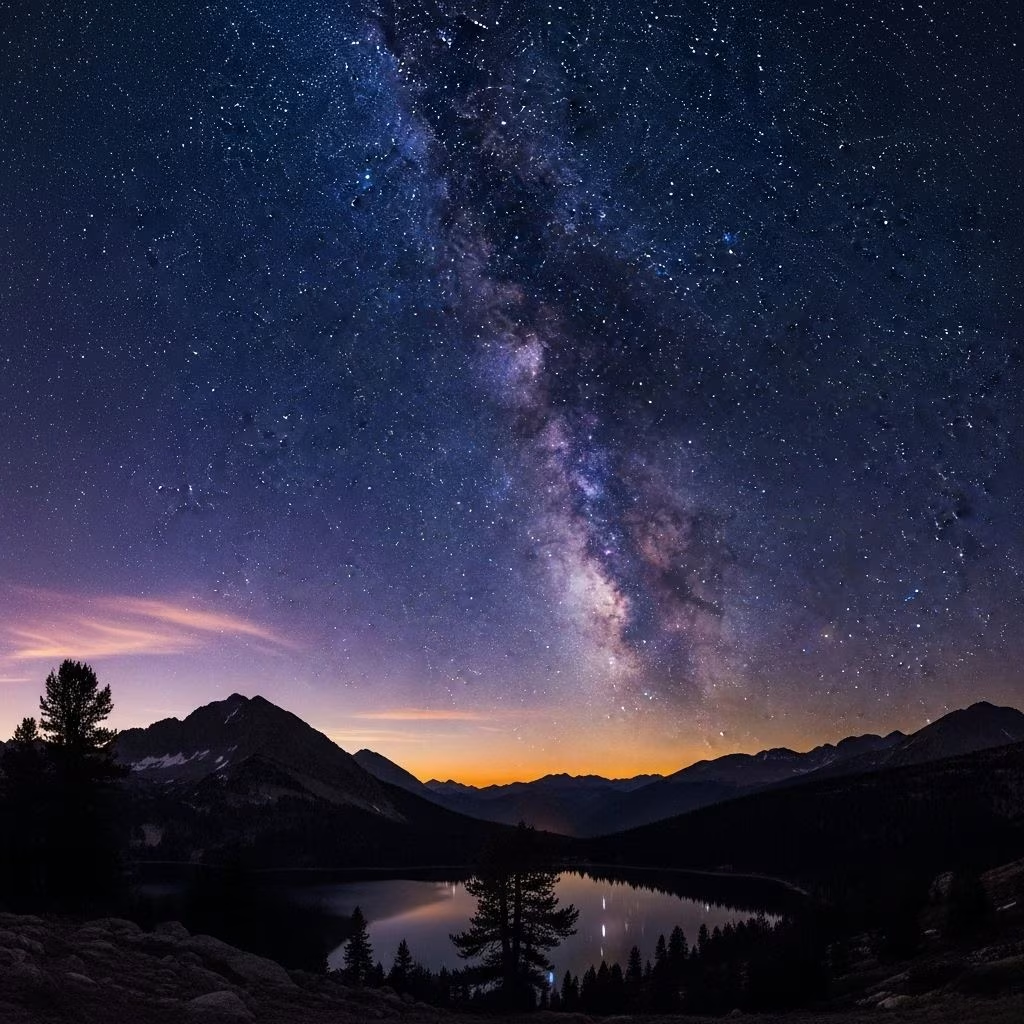
Introduction to Dark Sky Reserves
Dark Sky Reserves are designated areas that are specifically protected for their exceptional quality of starry nights and commitment to preserving the natural darkness of the sky. These reserves are not only significant for astronomy but also play a crucial role in environmental conservation and cultural heritage preservation.
What is a Dark Sky Reserve?
A Dark Sky Reserve is a public or private land that possesses an exceptional quality of starry nights and nocturnal environment, protected for its scientific, natural, educational, or cultural value. These reserves are certified by organizations like the International Dark-Sky Association (IDA), which ensures that they meet specific criteria for sky quality and natural darkness.
Types of Dark Sky Places
- International Dark Sky Reserves: These are lands with exceptional starry nights, protected for their scientific, natural, or educational value. They consist of a core area meeting minimum criteria for sky quality and a peripheral area supporting dark sky preservation.
- International Dark Sky Parks: These are areas with exceptional starry nights, protected for their scientific, natural, or educational value. They allow permanent public access to specific areas.
- International Dark Sky Sanctuaries: These are typically remote locations with exceptional starry nights but do not meet the requirements for a park or reserve. They are often isolated with limited public access.
- Dark Sky Communities: These are towns or cities that have shown dedication to preserving the night sky through responsible lighting practices and education.
Importance of Dark Sky Reserves
Dark Sky Reserves are important for several reasons:
- Astronomy and Science: They provide ideal conditions for astronomical research and public stargazing, allowing people to experience the night sky in its most pristine state.
- Environmental Conservation: By limiting light pollution, these reserves help protect nocturnal wildlife and maintain the natural balance of ecosystems.
- Cultural Heritage: Many Dark Sky Reserves are significant for their cultural and historical importance, preserving traditional knowledge and navigation practices linked to the night sky.
Examples of Dark Sky Reserves
There are several notable Dark Sky Reserves around the world:
- Aoraki Mackenzie Dark Sky Reserve in New Zealand: Known for its pristine night skies, this reserve is a significant tourist destination and a hub for Māori astronomy.
- Greater Big Bend International Dark Sky Reserve in Texas and Mexico: This is the largest International Dark Sky Reserve, covering over 15,000 square miles and protecting the night sky through community efforts.
- Mont Mégantic Dark Sky Reserve in Quebec, Canada: The first International Dark Sky Reserve, recognized for its exceptional astronomy conditions.
Challenges in Maintaining Dark Sky Reserves
One of the main challenges faced by Dark Sky Reserves is light pollution, which can emanate from nearby urban areas or human activities within the reserve. To mitigate this, local authorities and communities must implement strict lighting protocols and educate the public about the importance of preserving dark skies.
Role of Communities in Dark Sky Conservation
Communities play a vital role in the preservation of Dark Sky Reserves. They must work together to enforce lighting regulations, promote dark sky education, and support initiatives that protect the night sky from light pollution.
Frequently Asked Questions (FAQs)
Q: What is the difference between a Dark Sky Reserve and a Dark Sky Park?
A: A Dark Sky Reserve typically includes a core area with the highest quality of darkness and a peripheral area that supports this core. A Dark Sky Park, on the other hand, is a land area with exceptional starry nights but may not have the same peripheral support structure.
Q: Why are Dark Sky Reserves important for astronomy?
A: Dark Sky Reserves provide ideal conditions for stargazing and astronomical research by minimizing light pollution, allowing a clearer view of the night sky.
Q: How can I contribute to preserving Dark Sky Reserves?
A: You can contribute by supporting local initiatives to reduce light pollution, using dark-sky friendly lighting in your community, and promoting awareness about the importance of preserving natural darkness.
Conclusion
Dark Sky Reserves are not just protected areas for astronomy; they are also vital for environmental conservation and cultural heritage preservation. By understanding their importance and contributing to their preservation, we can ensure that future generations can continue to marvel at the wonders of the night sky.
References
- https://en.wikipedia.org/wiki/Dark-sky_preserve
- https://www.darkskyproject.co.nz/our-story/blog/dark-sky-reserves/
- https://www.luminokrom.com/en/blog/combining-mobility-and-dark-sky-preserve-a-challenge-for-local-authorities/
- https://mcdonaldobservatory.org/dark-sky-reserve
- https://darksky.org/what-we-do/international-dark-sky-places/dark-sky-place-types/
- https://darksky.org/what-we-do/international-dark-sky-places/
- https://www.chromatherapylight.com/dark-sky-reserves.html
- https://www.awwt.co.uk/dark-sky-reserves-in-north-america/


