


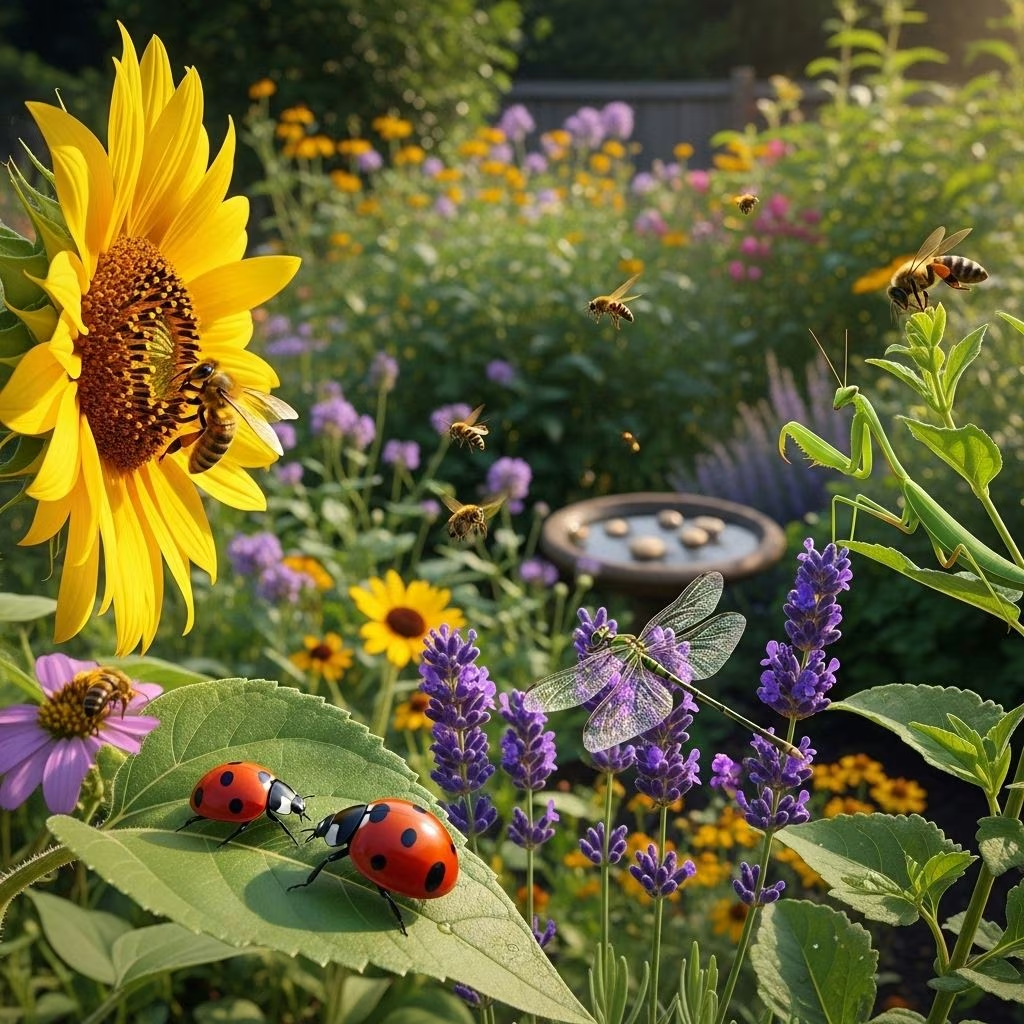
Gardens thrive when beneficial insects make themselves at home among your plants. These helpful creatures provide natural pest control, pollination services, and contribute to soil health without the need for synthetic pesticides. Understanding how to attract and maintain populations of these garden allies transforms pest management from a constant battle into a balanced ecosystem where nature does much of the work for you.
Many insects play vital roles in helping gardens flourish. Flies, bees, butterflies, and moths pollinate crops while spiders, beetles, mantids, parasitoid wasps, lacewings, and other predators feed on pests. On the soil level, worms, millipedes, and other decomposers help turn organic matter into usable nutrients for plants. Creating an environment that welcomes these beneficial insects reduces pest pressure, builds healthy soil, and improves overall garden yields.
Understanding Beneficial Insects and Their Roles
Beneficial insects can be categorized into several functional groups, each serving distinct purposes in the garden ecosystem. Pollinators like honey bees, bumblebees, and sweat bees transfer pollen between flowers, enabling fruit and seed production. The honey bee, a European native, is well known for its honey and wax production as well as its pollinating prowess. Bumblebees are particularly effective pollinators capable of “buzz pollination,” which uses vibrations to swap pollen and fertilize plants.
Predatory insects actively hunt and consume pest species. Common beneficial predators include lacewings, ladybugs, soldier beetles, syrphid flies, minute pirate bugs, and rove beetles. These generalist predators feed on common garden pests like aphids, keeping their populations under control naturally. Parasitoid insects, particularly certain wasps and flies, lay their eggs on or inside pest insects, with the developing larvae eventually killing their hosts. Tachinid flies, for example, parasitize squash bugs.
The fourth group, decomposers, breaks down organic matter in the soil, cycling nutrients back into forms plants can absorb. While often overlooked, these insects contribute significantly to soil health and fertility, creating the foundation for vigorous plant growth.
Essential Plants for Attracting Beneficial Insects
Strategic plant selection forms the cornerstone of attracting beneficial insects to your garden. Most beneficial insects have short mouthparts and lack the specialized structures needed to access nectar from deep or tubular flowers, so they require small flowers with shallow, exposed nectaries. Three plant families consistently attract the widest range of beneficial insects.
The Umbelliferae Family
The Umbelliferae family, characterized by flowers born in umbels or flat-topped clusters, includes some of the most effective plants for attracting beneficial insects. Dill produces tiny flowers attractive to many small beneficial insects, including parasitoid wasps, flies, and bees, while doing double-duty when it’s time to make pickles. Fennel displays beautiful delicate flowers that attract tiny wasps and other pollinators, with its leaves serving as a food source for some swallowtail butterfly caterpillars.
When carrot family plants including dill, parsley, and carrot are allowed to bolt, their blooms attract tachinid flies, syrphid flies, lacewings, parasitic wasps, ladybugs, damsel bugs, and many types of small bees. Cilantro or coriander produces tiny white blooms that attract lacewings, ladybugs, syrphid flies, parasitic wasps, soldier beetles, minute pirate bugs, and many more beneficial species.
The Asteraceae Family
The Asteraceae or Compositae family includes small and flat flowering varieties perfectly suited to beneficial insects with short mouthparts. Yarrow offers long-lasting blooms that provide nectar throughout the growing season. The Desert Eve Yellow Yarrow variety serves as a low-water, low-maintenance favorite for pollinators and beneficial insects, with bright yellow blooms covered in pollinators during summer heat.
Echinacea, also known as coneflower, helps attract a variety of butterflies and bees to gardens while being drought-tolerant and medicinal. The Evolution Colorific variety, also called “green-eyed coneflower,” blooms continuously from early spring through fall, providing consistent nectar sources for visiting pollinators. Black-eyed Susan varieties like American Gold Rush thrive in wet, humid conditions and provide nectar and pollen in late summer and fall when many other plants have finished blooming.
The Brassicaceae Family
The Brassicaceae family offers numerous nectar sources with shallow nectaries. Sweet alyssum forms low, spreading mounds with fragrant, tiny white flowers excellent for attracting bees, butterflies, and other pollinators. Its long blooming period, especially when spent blooms are cut back, provides consistent resources while creating shade and shelter for ground-dwelling beneficial insects.
Garden vegetables in this family, including broccoli and mustard, attract beneficial insects when allowed to flower. Other ornamental options include basket-of-gold and candytuft, which create attractive borders while serving functional purposes.
Champion Plants for Maximum Beneficial Insect Attraction
Certain plants stand out as exceptional attractors of beneficial insects, drawing diverse populations and maintaining their presence throughout the growing season. Buckwheat serves as both a tasty grain and fantastic green manure crop while being excellent for attracting pollinators and parasitoid wasps. It grows quickly, with both wasps and bees loving the flowers that can appear in as little as six weeks after sowing.
Mountain mint may attract more beneficial insects per season than any other plant. A Penn State University study testing 86 native plant species found mountain mint ranked number one for the diversity of pollinators that visited. Bees, butterflies, parasitic wasps, beetles, hoverflies, lacewings, and more flock to this deliciously scented, abuse-tolerant plant with unique color and form.
Dara, a delicate flower closely related to Queen Anne’s Lace but less aggressive in gardens, produces flower clusters in pink, dark purple, and white that attract various pollinators, including tachinid flies that parasitize squash bugs. This makes Dara particularly valuable in vegetable gardens where squash bugs pose persistent challenges.
Creating Habitat and Shelter for Beneficial Insects
Beyond providing nectar and pollen sources, beneficial insects need appropriate habitat for shelter, reproduction, and overwintering. Ground-dwelling predatory beetles and decomposers require dense cover and shade at ground level. Creeping thyme, though slow-growing initially, eventually forms dense mats that provide excellent shelter and shade for predatory beetles as well as decomposers like millipedes.
Mint creates dense, shady areas of foliage that serve multiple purposes. Gardeners can harvest mint for tea and culinary uses while it provides habitat for decomposers and predatory beetles, with flowers serving as favorites for bees. Other plants in the mint family that work well include lemon balm, anise-hyssop, and agastache varieties. The Kudos Coral Dwarf Agastache proves particularly valuable thanks to its compact habit, improved disease resistance, and tolerance of wet soils, attracting bees, butterflies, and hummingbirds.
Creating diverse structural layers in the garden provides different microhabitats. Low-growing plants like sweet alyssum and creeping thyme offer ground-level shelter. Mid-height perennials provide landing platforms and hunting grounds. Taller plants create vertical diversity and windbreaks. This layered approach mimics natural ecosystems and supports wider ranges of beneficial species.
Timing Your Plantings for Season-Long Support
Maintaining populations of beneficial insects requires providing nectar sources throughout the entire growing season. Selecting a variety of flowers that bloom at different times ensures beneficial insects always have food sources available, encouraging them to remain in your garden rather than moving elsewhere. Early spring bloomers bring the first beneficial insects to your garden as they emerge from dormancy.
Mid-season bloomers maintain populations during peak garden activity when pest pressure often intensifies. Late-season bloomers become particularly important as many plants finish flowering but beneficial insects still need resources before winter. American Gold Rush Black-eyed Susan thrives in wet, humid conditions and provides nectar and pollen in late summer and fall when many other plants have finished their bloom.
Plan your garden to include at least three to four plant species blooming simultaneously at any given time during the growing season. This abundance ensures beneficial insects find your garden consistently attractive and worth defending as territory. Interplant flowers that attract beneficial insects near the plants you wish to protect from pests, keeping the good bugs close to where they’re most needed.
Additional Attractants and Garden Management
While flowering plants form the foundation of beneficial insect attraction, several other garden management practices enhance success. Lavender proves beloved by beneficial pollinators of many kinds, with varieties like Riverina Thomas being favorites of gardeners thanks to high yields of aromatic oil. The strong fragrance and abundant nectar make lavender a magnet for diverse beneficial species.
Ornamental onions add visual interest while attracting beneficial insects. The Bubble Bath variety produces stunning nodding buds that open to light-lavender flower clusters reaching 3 inches across, with leaf blades featuring a slight twist for added interest. These unique flowers attract different beneficial insects than more common garden flowers, increasing overall diversity.
The single most important management practice for attracting beneficial insects is eliminating pesticide use. Even organic pesticides can harm beneficial insects along with pests. When beneficial insect populations establish themselves, they provide natural pest control that makes chemical interventions unnecessary. If pest problems become severe before beneficial populations build up, use targeted, least-toxic approaches that minimize collateral damage to beneficial species.
Providing water sources helps beneficial insects, especially during hot, dry periods. Shallow dishes with pebbles or stones allow insects to drink safely without drowning. Some beneficial insects, like sweat bees, need moisture and salt to supplement their steady diet of nectar. Leaving small muddy areas in the garden provides these resources naturally.
Implementing a Garden Mini-Insectary
A concentrated approach to attracting beneficial insects involves creating a “mini-insectary” using companion planting techniques. This strategy employs six to seven carefully selected plant varieties specifically chosen to attract beneficial insects that prey on pests, providing a natural alternative to chemical pest control. Position these plantings strategically throughout your garden, particularly near crops most susceptible to pest damage.
When establishing a mini-insectary, include representatives from different plant families and with different bloom times. For example, combine early-blooming sweet alyssum, mid-season flowering dill and fennel, and late-blooming asters or black-eyed Susans. Add perennials like echinacea and yarrow for consistent year-to-year presence, supplemented with fast-growing annuals like buckwheat for quick establishment.
Space insectary plantings throughout the garden rather than concentrating them in one location. Beneficial insects have limited flying ranges, particularly parasitoid wasps with their small body sizes. Distributing their food sources ensures these helpful insects patrol your entire garden space, encountering and controlling pests wherever they appear.
Monitoring and Encouraging Success
Once you’ve planted to attract beneficial insects, monitoring helps you understand which species are establishing populations and where additional support might be needed. Regular garden observation reveals the diverse beneficial insects taking up residence. Common beneficial insects include lacewings, ladybugs, soldier beetles, syrphid flies, parasitic wasps, minute pirate bugs, and rove beetles.
Look for evidence of beneficial insect activity beyond simply seeing the adults. Ladybug larvae, which resemble tiny alligators, consume even more aphids than adults. Lacewing larvae, sometimes called “aphid lions,” are voracious predators. Parasitized aphids appear as bronze or tan mummies attached to leaves. These signs indicate beneficial insects are reproducing in your garden and actively controlling pests.
If you haven’t seen many beneficial insects, patience often rewards gardeners more than intervention. Building populations takes time, sometimes requiring a full growing season before reaching effective levels. However, some garden centers sell beneficial insects for release into gardens, jumpstarting populations. When purchasing beneficial insects, research the specific requirements of each species to ensure your garden provides what they need to establish permanent populations.
Creating a Healthy and Welcoming Space
The key to encouraging beneficial insects to not only visit but make themselves at home involves creating a healthy and welcoming space amongst your favorite plants. This holistic approach considers the entire garden ecosystem rather than focusing solely on pest control. Healthy soil grows vigorous plants better able to withstand pest pressure. Diverse plantings support diverse beneficial insect populations with overlapping prey preferences and habitat requirements.
Tolerate minor pest damage, recognizing that some pests must be present to sustain beneficial insect populations. Gardens with zero pests won’t support predatory beneficial insects, which will move elsewhere seeking food. The goal isn’t pest elimination but rather maintaining pests at levels where they cause minimal damage while supporting beneficial populations that prevent pest outbreaks.
Leave some areas of your garden slightly “wild” with undisturbed soil, leaf litter, and plant debris. These areas provide overwintering sites for many beneficial insects. While tidy gardens might appear more attractive, they often lack the habitat features beneficial insects require for completing their life cycles. Balance aesthetic preferences with ecological function by maintaining neat plantings in visible areas while allowing rougher edges in less prominent spaces.
Frequently Asked Questions
Q: How long does it take to attract beneficial insects to a new garden?
A: Fast-growing plants like buckwheat can attract beneficial insects in as little as six weeks when flowers appear. However, building stable, diverse populations of beneficial insects typically requires a full growing season as different species establish themselves at different rates throughout the year.
Q: Will beneficial insects harm my plants?
A: Beneficial insects do not damage plants. Some, like swallowtail caterpillars on fennel, consume plant material but the benefits they provide as adult pollinators far outweigh minor leaf damage. Most beneficial insects are predators or parasitoids that feed only on other insects, not plants.
Q: Can I use any pesticides if I’m trying to attract beneficial insects?
A: The single most important practice for attracting beneficial insects is eliminating pesticide use entirely. Even organic pesticides can harm beneficial insects along with pests. If intervention becomes absolutely necessary, use highly targeted approaches during times when beneficial insects are least active, such as early morning.
Q: Do I need to buy beneficial insects or will they find my garden naturally?
A: Most beneficial insects will find your garden naturally once you provide appropriate flowers and habitat. However, purchasing beneficial insects from garden centers can jumpstart populations, particularly in new gardens or areas previously treated with pesticides that eliminated existing populations.
Q: What’s the difference between pollinators and predatory beneficial insects?
A: Pollinators like bees and butterflies transfer pollen between flowers, enabling fruit and seed production, but they don’t control pests. Predatory beneficial insects like ladybugs and lacewings actively hunt and consume pest species. Many plants attract both groups, providing comprehensive garden benefits.
Q: How many different plant species do I need to attract beneficial insects?
A: A garden mini-insectary approach using six to seven carefully selected plant varieties provides excellent results. The key is selecting plants from different families with staggered bloom times to provide nectar sources throughout the entire growing season rather than planting numerous species that all bloom simultaneously.
References
- https://blog.southernexposure.com/2021/05/10-plants-to-attract-beneficial-insects-to-your-garden/
- https://www.monrovia.com/be-inspired/beneficial-insects-for-a-healthy-garden.html
- https://piedmontmastergardeners.org/article/natural-pest-control-attracting-beneficial-insects/
- https://www.youtube.com/watch?v=U-B86l-mEs8
- https://extension.oregonstate.edu/catalog/pnw-550-encouraging-beneficial-insects-garden
- https://gardening.ces.ncsu.edu/attracting-birds-beneficial-insects-other-wildlife/pollinators-and-other-beneficial-insects/
- https://www.susansinthegarden.com/2016/10/attracting-beneficial-insects/
- https://learn.eartheasy.com/guides/garden-mini-insectary/


