


Introduction
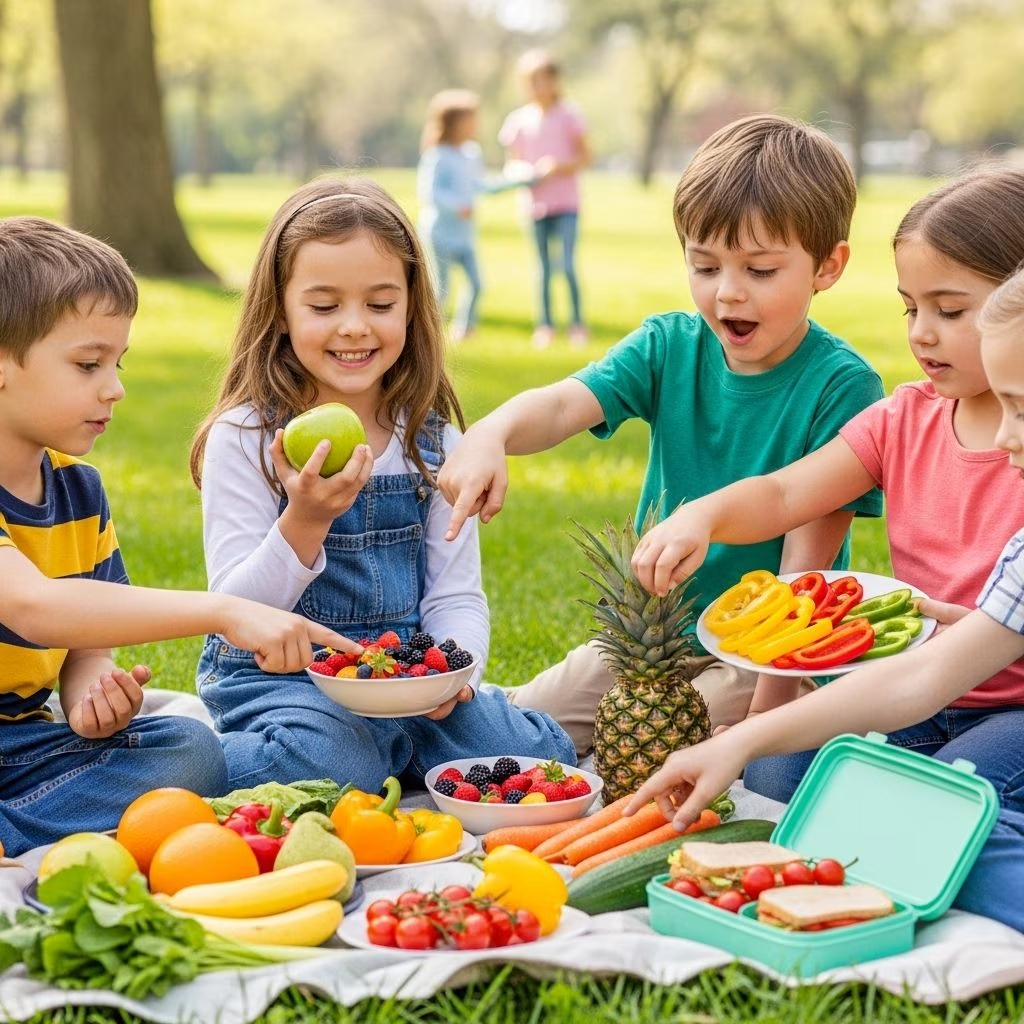
Establishing healthy eating habits early in life sets the foundation for a child’s growth, development, and long-term well-being. With childhood obesity and diet-related health issues on the rise, it’s more important than ever to guide children toward nutritious food choices and positive eating behaviors. This comprehensive guide outlines the essential healthy eating rules for kids, covering everything from balanced nutrition and portion sizes to practical strategies for overcoming picky eating and fostering a supportive family environment.
Why Healthy Eating Matters for Kids
Healthy eating during childhood is crucial for physical and mental development, immune function, and academic performance. Children who consume a balanced diet are more likely to maintain a healthy weight, have stronger bones and muscles, and develop robust immune systems. Equally important, good nutrition in childhood reduces the risk of chronic diseases such as heart disease, type 2 diabetes, obesity, and some cancers later in life. Early exposure to varied, nutritious foods also shapes taste preferences and eating patterns that can last a lifetime.
Healthy Eating Rules for Kids
To promote optimal health, children should follow these fundamental healthy eating rules:
- Eat a variety of foods—Include foods from all food groups to ensure a broad spectrum of nutrients.
- Focus on nutrient-dense foods—Choose fruits, vegetables, whole grains, lean proteins, and low-fat dairy instead of foods high in saturated fat, added sugars, and salt.
- Limit processed foods—Avoid or minimize intake of processed meats, sugary snacks, fried foods, and sweetened beverages.
- Don’t pressure kids to finish meals—Allow children to recognize their hunger and fullness cues; avoid forcing them to clean their plates.
- Make mealtimes enjoyable—Encourage a positive eating environment, free from pressure or punishment related to food.
Essential Food Groups for a Balanced Diet
A balanced diet for children should include all five major food groups, as recommended by dietary guidelines:
| Food Group | Examples | Daily Recommendations |
|---|---|---|
| Fruits | Apples, bananas, berries, oranges | Multiple servings; prefer whole fruits over juice |
| Vegetables | Broccoli, carrots, spinach, peppers | Aim for variety and color; include with each meal |
| Grains | Whole-grain bread, brown rice, quinoa, oats | At least half of all grains should be whole grain |
| Protein | Lean meats, poultry, fish, eggs, beans, nuts | Include a variety; emphasize fish and plant-based proteins |
| Dairy | Milk, yogurt, cheese (low-fat or fat-free for older kids) | 2 cups/day for ages 1-8; 3 cups/day for ages 9-18 |
Portion Sizes and Serving Recommendations
Portion sizes should be age-appropriate and based on a child’s individual energy needs. Preschoolers and younger children typically need smaller portions than older children and adolescents. Here are general guidelines:
- Fruits and Vegetables—Fill half the plate with a variety of colorful fruits and vegetables.
- Whole Grains—Split the remaining half between whole grains and healthy proteins.
- Protein—Keep portions about the size of the child’s palm.
- Dairy—A serving is generally one cup of milk or six ounces of yogurt.
These serving guidelines can be adjusted based on the child’s age, activity level, and growth needs. Always consult your pediatrician or a registered dietitian for personalized recommendations.
Foods to Limit and Avoid
Certain foods do not belong in a regular child’s diet due to their impact on health. Limit or avoid:
- Added sugars—Sugary drinks, candy, cakes, and desserts.
- Unhealthy fats—Fried foods, fatty meats, butter, cream, and processed snacks.
- High-sodium foods—Chips, processed meats, canned soups, and fast food.
- Processed meats—Bacon, sausage, hot dogs, and deli meats.
Occasional treats are fine, but these foods should not replace nutrient-dense options.
Hydration
Water is the best choice for hydration. Children should be encouraged to drink water throughout the day and limit sugary drinks, sports drinks, and fruit juices. Even 100% fruit juice should be limited to a small glass per day, as it lacks fiber and can contribute to excess calorie intake.
Healthy Snack Ideas
Smart snacks can help maintain energy levels between meals. Opt for whole foods that provide lasting energy and essential nutrients. Here are some ideas:
- Sliced apples with a small amount of almond or peanut butter
- Whole-grain crackers with hummus
- Carrot or cucumber sticks with yogurt-based dip
- Handful of unsalted nuts or seeds
- Low-fat yogurt topped with berries
Keep a bowl of fresh fruit handy for easy, healthy snacking.
Overcoming Picky Eating
Picky eating is common and usually temporary. Here are strategies to help manage it:
- Offer variety—Reintroduce new foods multiple times, prepared in different ways.
- Involve kids in meal planning—Let children help pick out fruits, vegetables, and other foods at the store and assist with simple meal prep.
- Make food fun—Cut fruits and vegetables into shapes, use colorful plates, and present meals creatively.
- Model healthy eating—Children are more likely to try new foods if they see adults and older siblings enjoying them.
- Create a positive atmosphere—Avoid battles over food; focus on making meals enjoyable rather than forcing certain foods.
The Role of Family in Developing Good Eating Habits
Family meals are a cornerstone of healthy eating habits. Eating together gives parents the chance to model healthy eating and exposes children to different foods in a social, relaxed setting. Research shows that kids who have regular family meals are more likely to eat fruits, vegetables, and whole grains, and less likely to consume unhealthy snacks.
- Set consistent mealtime routines—This helps children develop a sense of structure and expectation.
- Limit distractions—Turn off screens and focus on conversation during meals.
- Encourage independence—Let children serve themselves and make choices within healthy options.
The Link Between Nutrition and Physical Activity
Good nutrition and regular physical activity work together for overall health. Children ages 6–17 should engage in at least 60 minutes of moderate to vigorous physical activity daily, while preschoolers (ages 3–5) benefit from three hours of active play per day. Physical activity helps regulate appetite, supports healthy weight, and improves mood and focus.
Common Nutritional Challenges and Solutions
Busy schedules and picky eaters can make healthy eating difficult. Here are solutions for common challenges:
- Time constraints—Prep healthy meals and snacks ahead of time; keep healthy options visible.
- Food preferences—Offer choices within healthy categories, and consider nutrient-dense alternatives for favorite foods.
- Allergies or dietary restrictions—Consult a healthcare provider or dietitian for tailored advice to ensure balanced nutrition.
Frequently Asked Questions (FAQs)
How much water should kids drink each day?
There’s no one-size-fits-all answer, but as a general rule, children should drink water throughout the day and with every meal. Monitor for signs of hydration (light yellow urine) and encourage water over sugary drinks.
Are children allowed to have treats?
Occasional treats are fine, but they should not be a daily habit. Focus on nutrient-dense foods for regular meals and snacks, and reserve treats for special occasions.
How can I tell if my child is eating enough?
Trust your child’s appetite; avoid pressuring them to finish meals. Children’s hunger levels fluctuate, and growth spurts affect their needs. If you have concerns about growth or weight, consult your pediatrician.
What should I do if my child refuses to eat vegetables?
Vegetables can be offered in different forms (cooked, raw, pureed), and kids may need multiple exposures before accepting new foods. Keep offering without pressure, and continue modeling healthy eating[10].
How can families with different schedules maintain healthy eating?
Even if mealtimes aren’t always together, aim for nutritious, balanced meals whenever possible. Weekend meals or healthy shared snacks can also reinforce good habits.
References
- https://www.heart.org/en/healthy-living/healthy-eating/eat-smart/nutrition-basics/dietary-recommendations-for-healthy-children
- https://nutritionsource.hsph.harvard.edu/kids-healthy-eating-plate/
- https://www.healthdirect.gov.au/healthy-eating-for-children
- https://kidshealth.org/en/parents/habits.html
- https://www.mayoclinic.org/healthy-lifestyle/childrens-health/in-depth/nutrition-for-kids/art-20049335
- https://www.myplate.gov/life-stages/kids
- https://www.cdc.gov/nutrition/features/good-nutrition-starts-early.html
- https://healthyeatingresearch.org/tips-for-families/ages-2-8-feeding-recommendations/
- https://www.cdc.gov/school-nutrition/facts/index.html
- https://odphp.health.gov/news/202103/giving-children-and-adolescents-healthy-start-through-nutrition


