


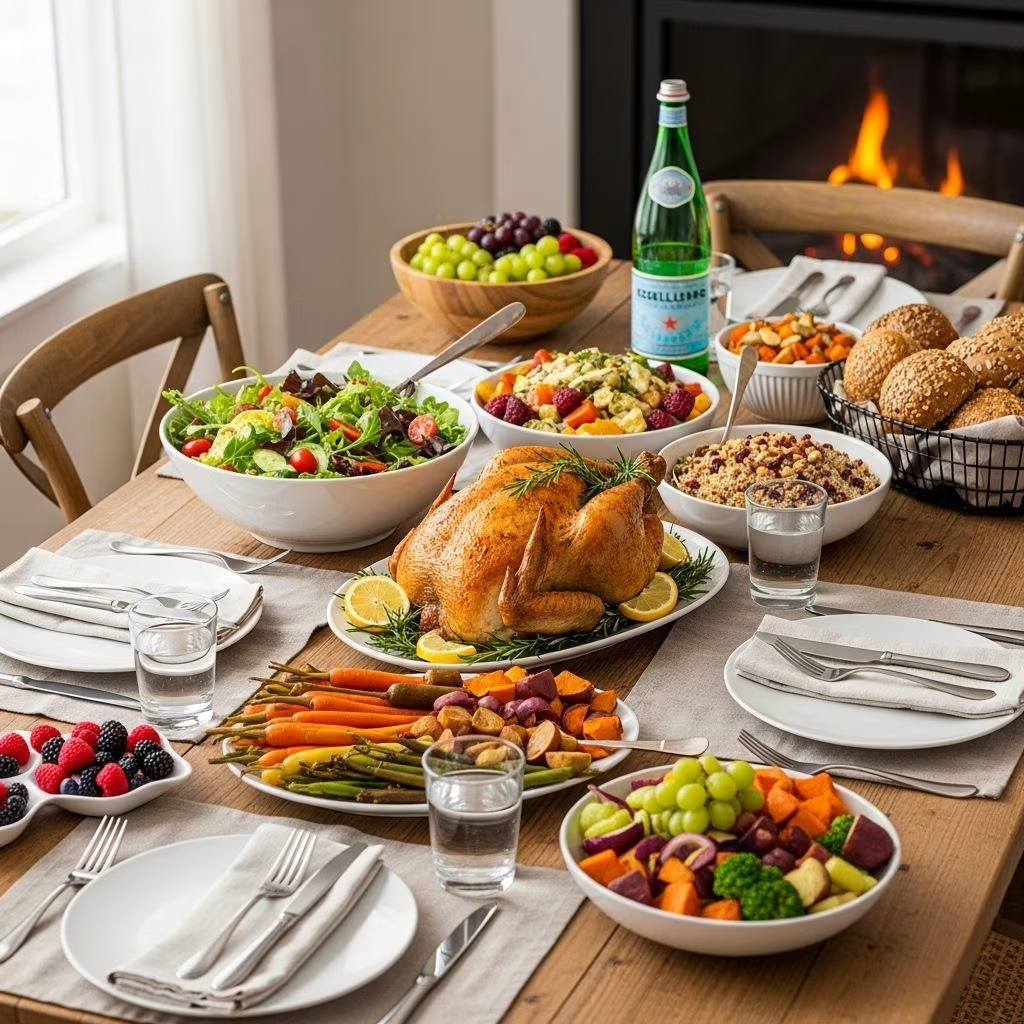
The evening rush hits hard. Kids are hungry, everyone’s tired, and the question “What’s for dinner?” echoes through your home. You want to serve something healthy that brings your family together, but the challenge of pleasing everyone while maintaining nutrition standards can feel overwhelming. The secret to family dinner success isn’t about cooking separate meals for picky eaters or sacrificing health for convenience—it’s about creating a system where everyone genuinely enjoys the same nutritious meal.
Family dinners represent more than just food on plates. They create opportunities for connection, teach children about nutrition, and establish lifelong healthy eating habits. When families successfully share the same healthy meal, they experience reduced stress, improved communication, and better overall health outcomes. This comprehensive guide will transform your approach to family dinners, making healthy eating something everyone anticipates rather than dreads.
Why Family Dinner Success Matters
Before diving into strategies, understanding the profound impact of successful family dinners helps maintain motivation during challenging moments. Regular family meals create far-reaching benefits that extend beyond simple nutrition.
Research consistently demonstrates that families who eat together regularly experience stronger bonds and improved communication patterns. Children who participate in family dinners typically perform better academically, show fewer behavioral problems, and develop healthier relationships with food throughout their lives. These meals become anchors in busy schedules, providing predictable moments of connection that children especially value.
Nutritionally, family dinners typically contain more vegetables, fruits, and essential nutrients compared to meals eaten on-the-go or individually. When families commit to eating the same healthy meal together, portion control becomes easier, processed food consumption decreases, and everyone develops a more diverse palate. Parents model healthy eating behaviors, and children learn to appreciate whole foods prepared at home.
The economic benefits shouldn’t be overlooked either. Planning and preparing family meals reduces food waste significantly, eliminates expensive last-minute takeout orders, and teaches budget-conscious food management. Families who successfully implement meal planning systems report saving hundreds of dollars monthly while actually improving their nutritional intake.
Building Your Foundation: The Master Meal List
Creating a comprehensive master list of meals your family genuinely enjoys forms the cornerstone of dinner success. This living document eliminates daily decision fatigue and ensures you always have approved options ready when planning time arrives.
Start by involving every family member in brainstorming sessions. Children feel more invested in meals they help select, and you’ll discover preferences you might not have realized existed. Set aside time for a family meeting dedicated to discussing favorite meals, new recipes to try, and foods everyone wants to incorporate more regularly.
Organize your master list into logical categories that match your family’s lifestyle and dietary needs. Consider categories like quick weeknight meals, slow cooker options, special occasion dinners, and budget-friendly choices. Some families organize by protein source—chicken, beef, fish, vegetarian—while others prefer categorizing by cuisine type or cooking method. Choose whatever system makes the most sense for your household.
Include at least four to six meals in each category to provide adequate variety throughout the month. This prevents menu fatigue while keeping planning simple. Your beef category might include pot roast, taco night, spaghetti with meat sauce, and stir-fry. Your chicken category could feature baked chicken with vegetables, chicken fajitas, lemon herb chicken, and chicken noodle soup.
Balance familiar favorites with adventurous new recipes. Including beloved staple meals ensures everyone has something to look forward to each week, while gradually introducing new dishes expands palates and prevents boredom. Aim for roughly 80% proven favorites and 20% new experiments when building your initial master list.
Strategic Weekly Planning That Actually Works
Weekly meal planning transforms abstract good intentions into concrete action. The key lies in creating a sustainable system that adapts to your family’s unique schedule and preferences rather than following rigid rules that eventually collapse under real-life pressure.
Designate a consistent planning day each week, typically the day before your main grocery shopping trip. Many families find Sunday afternoons or evenings ideal, though any day works if it fits your schedule. Consistency matters more than the specific day chosen—regular planning becomes habit, reducing mental resistance over time.
Begin each planning session by reviewing your family’s schedule for the upcoming week. Identify busy evenings requiring quick meals, nights when you have more cooking time, and any special events affecting dinner plans. This schedule-first approach ensures your meal plan supports your life rather than adding stress.
Match meal complexity to daily demands. Reserve complicated recipes requiring significant prep time for relaxed evenings. Schedule simple one-pot meals, slow cooker dinners, or quick-cooking options for hectic days filled with activities and commitments. This strategic alignment prevents the common scenario of planning elaborate meals you never actually have time to prepare.
Incorporate theme nights to simplify planning while adding fun anticipation. Theme nights provide structure without monotony—everyone knows what general category to expect, but specific dishes vary. Popular themes include Meatless Monday featuring plant-based proteins, Taco Tuesday with various filling options, Slow Cooker Wednesday for hands-off cooking, and Pizza Friday allowing customization.
Plan intentionally for leftovers rather than treating them as afterthoughts. Cook larger portions on nights when you have time, then schedule leftover nights for your busiest evenings. This strategy essentially gives you two meals from one cooking session, dramatically reducing overall kitchen time while maintaining home-cooked food quality.
Smart Shopping and Inventory Management
Effective grocery shopping directly determines meal plan success. Even the best-planned menu fails without proper ingredients available when cooking time arrives. Develop shopping strategies that support your weekly plan while minimizing store time and budget impact.
Always conduct pantry, refrigerator, and freezer inventories before planning and shopping. This quick assessment prevents duplicate purchases, helps you use existing ingredients, and sparks meal ideas based on what you already own. Take inventory seriously—it typically saves more money than any other single meal planning step.
Create detailed shopping lists organized by store layout. Group items by department—produce, dairy, meat, pantry staples—matching your regular store’s organization. This systematic approach speeds shopping trips significantly and reduces forgotten items requiring frustrating return visits.
Embrace strategic bulk buying for non-perishable staples your family uses regularly. Items like rice, pasta, canned tomatoes, beans, and cooking oils cost substantially less when purchased in larger quantities. Ensure adequate storage space and realistic usage timelines before committing to bulk purchases.
Look for versatile ingredients serving multiple meals throughout the week. Rotisserie chicken provides protein for initial dinner, then transforms into chicken salad, soup base, or taco filling for subsequent meals. This shop-once-cook-twice philosophy maximizes ingredient value while reducing shopping frequency.
Preparation Techniques That Save Time and Sanity
Meal preparation separates families who successfully execute dinner plans from those whose good intentions fade into takeout orders. Strategic prep work transforms cooking from overwhelming to manageable, especially on busy weeknights.
Establish a regular prep session immediately after grocery shopping while motivation runs high and ingredients are fresh. Dedicate one to two hours for batch preparation tasks that streamline weeknight cooking. This upfront investment pays enormous dividends throughout the week when time pressure intensifies.
Wash, chop, and store vegetables immediately upon returning from the store. Pre-cut vegetables encourage healthy eating—you’ll actually use produce when it’s ready to cook rather than wilting in the crisper drawer. Store prepared vegetables in airtight containers with paper towels to absorb excess moisture and extend freshness.
Pre-cook proteins and starches during prep sessions when possible. Brown ground meat for multiple uses, bake chicken breasts for easy addition to various dishes, and cook large batches of rice or quinoa. These prepared components reduce active cooking time from 45 minutes to 15 minutes on busy evenings.
Prepare marinades and sauces in advance, storing them in labeled containers. When dinner time arrives, simply combine pre-marinated proteins with prepared vegetables for quick, flavorful meals requiring minimal effort. This technique particularly benefits families with limited weeknight cooking time.
Invest in quality storage containers that keep prepared ingredients fresh and organized. Glass containers work excellently for storage and reheating, reducing plastic use while maintaining food quality. Label everything clearly with contents and preparation date—mystery containers waste food and undermine prep efforts.
Getting Everyone to Love the Same Healthy Meal
The ultimate family dinner challenge involves serving one meal that satisfies diverse preferences and age groups while maintaining nutritional standards. Success requires strategic approaches that honor individual differences without becoming a short-order cook.
Build meals around customizable components rather than fixed recipes. Taco bars, build-your-own pizza nights, and grain bowls with various toppings allow personalization within a shared meal framework. Everyone eats the same basic dinner while choosing preferred combinations and flavors.
Apply the division of responsibility principle: parents decide what food is served and when, while children decide whether to eat and how much. This approach eliminates power struggles over food while teaching children to listen to their hunger cues. Serve meals family-style, allowing everyone to select their own portions.
Include at least one familiar, accepted food at every meal alongside new or less-preferred items. This strategy ensures everyone finds something they’ll eat while gradually exposing family members to unfamiliar foods. Children typically need 10-15 exposures to new foods before accepting them—persistence matters more than immediate acceptance.
Involve children in cooking age-appropriate tasks. Kids who participate in meal preparation feel ownership over dinner and show greater willingness to try the finished product. Even young children can wash vegetables, tear lettuce, stir ingredients, or set the table. Older children and teenagers can handle more complex tasks like chopping, measuring, and actual cooking.
Model adventurous eating and positive food language yourself. Children learn eating behaviors primarily through observation. When parents enthusiastically try new foods and express enjoyment of healthy options, children eventually follow suit. Avoid labeling foods as “good” or “bad,” instead discussing how different foods help bodies grow and feel energetic.
Maximizing Nutrition Without Sacrifice
Healthy family meals don’t require bland food or forcing vegetables. Strategic nutrition enhancement techniques improve meal quality without compromising taste or appeal, ensuring everyone genuinely enjoys dinner while meeting dietary needs.
Incorporate vegetables creatively throughout meals rather than serving them as afterthought sides. Blend vegetables into sauces, add finely chopped vegetables to ground meat dishes, and include vegetables in casseroles and one-pot meals. This integration makes vegetables less negotiable while distributing nutrition throughout the meal.
Prioritize whole grains over refined options when planning meals. Brown rice, quinoa, whole wheat pasta, and whole grain bread provide substantially more fiber, vitamins, and minerals than white alternatives. Introduce whole grains gradually if your family isn’t accustomed to them, mixing white and brown rice initially or choosing white whole wheat bread as a transition option.
Balance plates using the healthy plate method: fill half with vegetables and fruits, one quarter with lean protein, and one quarter with whole grains or starchy vegetables. This visual approach simplifies nutrition planning without requiring calorie counting or complicated calculations. Children quickly learn to recognize balanced plates through consistent modeling.
Reduce added sugars and sodium by preparing meals from scratch rather than relying on packaged convenience foods. Homemade versions of family favorites typically contain significantly less sugar and salt than restaurant or packaged equivalents while tasting better and costing less. Start with simple swaps—homemade taco seasoning instead of packets, fresh tomato sauce instead of jarred options.
Make healthy ingredient substitutions in favorite recipes without announcing changes. Greek yogurt replaces sour cream and mayonnaise in many dishes, whole wheat flour can substitute for half the white flour in most recipes, and cauliflower successfully replaces portion of starches in numerous applications. These stealth health approaches improve nutrition without triggering resistance from family members.
Overcoming Common Family Dinner Obstacles
Even well-planned family dinner systems encounter challenges. Recognizing common obstacles and developing contingency strategies prevents temporary setbacks from derailing long-term success.
Address scheduling conflicts by designating flexibility nights when grab-and-go options or simplified meals accommodate unusual schedules. Accept that some weeks simply won’t support traditional family dinners—that’s normal life, not failure. Maintain progress by ensuring most weeks include several shared meals even if perfect attendance proves impossible.
Handle picky eating with patience and low-pressure exposure. Continue serving disliked foods alongside accepted options without forcing consumption. Research shows that repeated, pressure-free exposure eventually leads most children to accept previously rejected foods. Trust the process rather than engaging in battles that typically increase food resistance.
Manage cooking motivation slumps by maintaining realistic expectations and building recovery strategies. Keep emergency backup meals available—frozen pizzas, pasta with jarred sauce, breakfast for dinner. Using these options occasionally prevents burnout better than pushing through exhaustion. Remember that meal planning supports your life; it shouldn’t become another source of stress.
Adapt plans when ingredients aren’t available or recipes fail. Flexibility separates successful meal planners from those who abandon systems at the first obstacle. Maintain a backup meal list requiring only pantry staples for weeks when plans go awry. Learn to improvise and substitute rather than viewing deviations as failures.
Creating Positive Dinner Table Experiences
Food quality matters, but the dinner table atmosphere determines whether family meals become cherished traditions or dreaded obligations. Intentionally cultivate positive experiences that family members anticipate rather than avoid.
Establish phone-free dinner rules for everyone including adults. Constant device interruptions prevent genuine connection and model divided attention. Create a charging station away from the dining area where all phones rest during meals. This boundary protects sacred family time from external intrusions.
Use dinner conversation starters when natural dialogue doesn’t flow easily. Questions like “What was the best part of your day?” or “What made you laugh today?” invite sharing without pressure. Avoid interrogating children about school or grades during meals—dinner should feel welcoming, not like performance evaluations.
Keep dinner table conversation positive and inclusive. Save difficult discussions, arguments, and discipline for other times. Family dinner should represent a safe, enjoyable space where everyone can relax and connect. Children quickly learn to avoid dinners associated with conflict and stress.
Celebrate small victories and gradual progress rather than demanding perfection. Did everyone try one bite of a new food? Success. Did you manage three home-cooked family dinners this week? Excellent progress. Acknowledge improvements and maintain perspective about what truly matters—connection, health, and gradual growth.
Sample Weekly Meal Plan Framework
Understanding abstract concepts helps, but concrete examples demonstrate how successful meal planning actually works. This sample framework illustrates how various strategies combine into cohesive weekly plans.
| Day | Main Dish | Preparation Strategy | Why It Works |
|---|---|---|---|
| Monday | Slow Cooker Chicken Fajitas | Morning prep, cooks during day | Minimal evening effort after busy Monday |
| Tuesday | Beef and Vegetable Stir-Fry | Use pre-cut vegetables from prep session | Quick cooking with maximum vegetables |
| Wednesday | Baked Salmon with Roasted Vegetables | One-pan cooking, simple cleanup | Healthy protein with minimal dishes |
| Thursday | Leftover Transformation Night | Repurpose earlier meals creatively | Reduces waste and cooking time |
| Friday | Build-Your-Own Pizza Night | Pre-made dough, various toppings | Fun, customizable, celebrates week’s end |
| Saturday | Slow-Cooked Pot Roast | Long cooking time perfect for weekends | Comfort food when time allows |
| Sunday | Sheet Pan Chicken and Vegetables | Prep while planning next week | Simple Sunday dinner, prep for week ahead |
This framework balances various cooking methods, preparation strategies, and complexity levels throughout the week. Notice how busy weeknights feature simpler preparations while weekends allow more elaborate cooking. The plan intentionally includes one leftover night and one highly customizable meal to accommodate various preferences.
Long-Term Success Strategies
Initial enthusiasm naturally fades over time. Sustaining family dinner success for months and years requires different approaches than launching new habits.
Review and refresh your master meal list quarterly. Family preferences evolve, children’s palates expand, and new recipes enter rotation while others lose appeal. Regular updates keep your planning relevant and interesting. Schedule specific times for these reviews rather than updating randomly.
Celebrate meal planning anniversaries and milestones. Acknowledge when you’ve successfully planned meals for three months, six months, or a year. These celebrations reinforce positive habits and help family members recognize collective achievements. Small rewards—special desserts, choosing a restaurant, or family activities—mark progress meaningfully.
Build support systems with other families pursuing similar goals. Share meal ideas, trade recipes, and discuss challenges with friends or online communities. This social support provides accountability, inspiration, and practical solutions when motivation wanes or obstacles arise.
Remain flexible and gracious with yourself when plans fail or life intervenes. Perfect execution isn’t the goal—consistent progress matters more than flawless performance. Families who maintain meal planning long-term accept imperfection while consistently returning to their systems after disruptions.
Track what works specifically for your family rather than blindly following external advice. Every family differs in preferences, schedules, and resources. Pay attention to which strategies produce the best results in your household, then double down on those approaches while releasing techniques that don’t fit your reality.
Frequently Asked Questions
How do I handle extremely picky eaters at family dinners?
Focus on the division of responsibility: you provide the meal, they decide whether and how much to eat. Always include at least one accepted food with new or less-preferred options. Avoid pressure, bribing, or forcing, which typically increases resistance. Continue offering rejected foods repeatedly without comment—acceptance often takes 10-15 exposures. Consider build-your-own meal formats where picky eaters can customize while still eating with the family.
What if my family refuses to eat healthy foods?
Make gradual changes rather than dramatic overhauls. Start by adding vegetables to familiar favorite dishes instead of serving them separately. Use preparation methods that enhance flavor—roasting vegetables with olive oil and seasoning tastes vastly better than plain steamed options. Model enthusiastic healthy eating yourself and involve family members in cooking. Focus on what you’re adding to meals rather than what you’re removing. Progress happens slowly with persistent, positive exposure.
How much time does meal planning actually require weekly?
Most families spend 30-60 minutes weekly on planning and list-making, then 1-2 hours on meal prep after shopping. This upfront investment saves 15-30 minutes daily during actual dinner preparation, creating net time savings throughout the week. Efficiency improves with practice—experienced meal planners often complete planning in 20 minutes once systems become established and master lists exist.
Can meal planning work with very tight food budgets?
Meal planning actually proves most valuable for budget-conscious families. Planning eliminates expensive impulse purchases and reduces food waste significantly. Focus on affordable protein sources like beans, eggs, and chicken thighs. Buy produce in season when prices drop. Cook from scratch rather than purchasing convenience foods. Intentionally plan for leftovers to maximize every ingredient. Many families report cutting food costs by 30-50% through consistent meal planning.
What happens when family members have different dietary restrictions?
Build meals around customizable components and prepare restriction-friendly base recipes everyone can eat. For example, serve taco fillings separately so family members can choose tortillas, lettuce wraps, or bowls based on their needs. Cook pasta separately from sauces. Prepare one main dish meeting the most restrictive diet, then add additional components others can include. This approach maintains shared meals without requiring completely separate cooking.
How do I maintain meal planning during holidays and vacations?
Accept that special periods will disrupt normal routines—that’s appropriate and expected. Plan simpler meals requiring less time during busy holiday seasons. Stock emergency backup meals for especially chaotic weeks. Resume regular planning immediately after disruptions rather than waiting for perfect conditions. Consider planning just 3-4 dinners weekly during transitional periods instead of full weeks. Flexibility and quick recovery matter more than maintaining perfect consistency.
References
- https://www.cmwestmichigan.com/blog/meal-planning-guide-busy-families
- https://ahumbleplace.com/simple-monthly-meal-planning/
- https://habitsandhome.com/how-to-make-weekly-family-meal-plan/
- https://easyfamilyrecipes.com/weekly-meal-plan/
- https://simplehomeedit.com/recipe/at-home/core-meals/
- https://www.heart.org/en/healthy-living/healthy-eating/cooking-skills/meal-planning/meal-planning-benefits–how-tos-of-family-dinners


