Scotland’s Majestic Isle of Skye: Journey Through Magic, Myth, and Wild Scenery
Just off Scotland’s rugged northwest coast, the Isle of Skye beckons travelers with its legendary landscapes, historic castles, vibrant cultural traditions, and the unmistakable taste of peaty whisky. Known as Scotland’s second-largest island, Skye is a place where myths linger in the mists and every curve in the road unveils another breathtaking vista. This comprehensive travel guide will take you through Skye’s essential attractions, local flavors, and remarkable history—providing everything you need to make the most of your visit to this magical isle.
At a Glance: Why Visit the Isle of Skye?
- Scenic Drives: Skye’s twisty coastal roads promise panoramic views across peninsulas, mountains, and sea lochs.
- Historic Castles: Discover Dunvegan, the ancient seat of the MacLeod clan, and explore atmospheric ruins like Dun Beag.
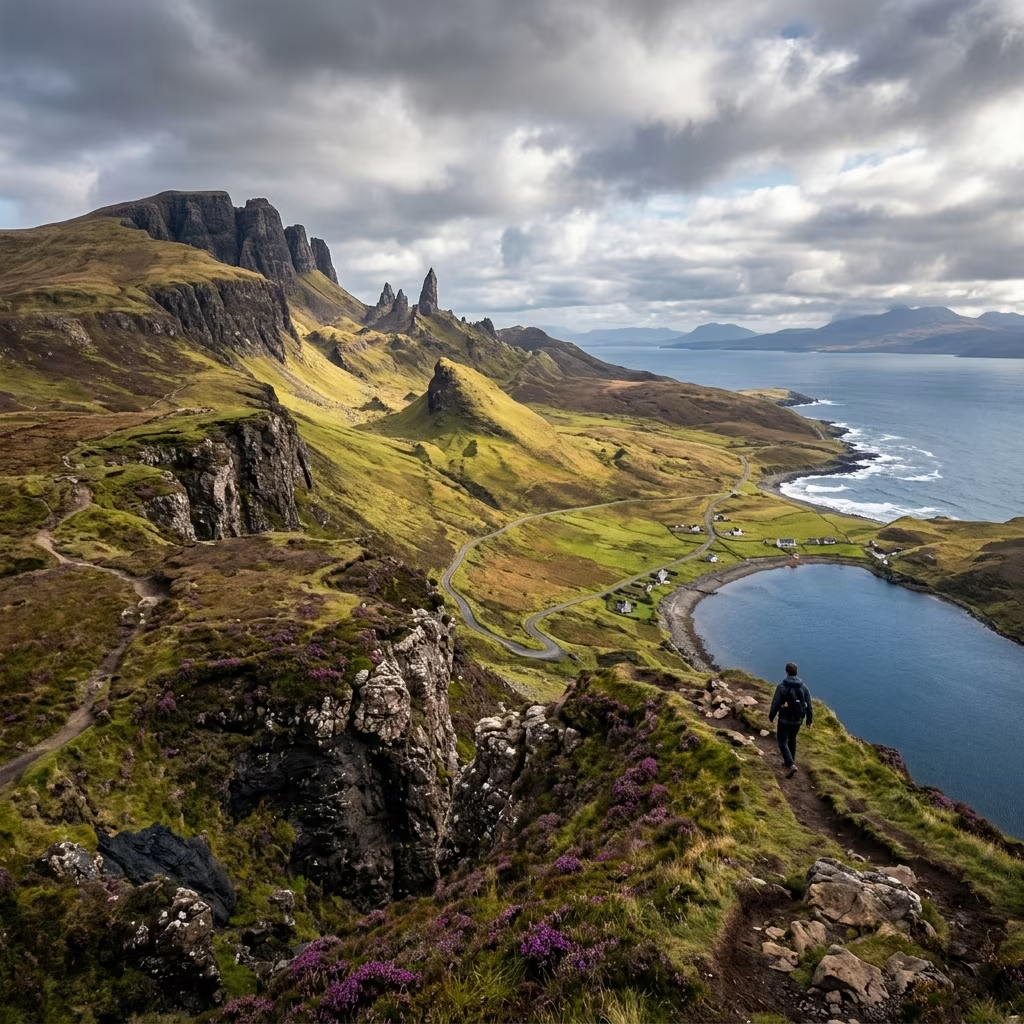
- Wild Nature: Hike the dramatic Cuillin Hills, walk among the stone spires of the Quiraing, or gaze at volcanic cliffs like Kilt Rock.
- Rich Traditions: Experience Skye’s music, dance, and storytelling heritage at a village cèilidh or the island’s unique museums.
- Whisky Tasting: Savor the robust, smoky flavors of a dram at Talisker Distillery.
A Landscape Shaped by Legend
The Isle of Skye’s wild terrain is a patchwork of jagged peaks and gently sloping moors, broken only by glassy freshwater lakes and dramatic sea lochs. The island is famed for its unpredictable weather, which can whip mist, rain, and sunshine through the glens within hours. Skye’s unique geological features create scenes of almost supernatural beauty—from the jagged Quiraing ridge to the fairy-tale valleys and blowy sea cliffs. Locals claim that fairies dwell in mysterious places like the Fairy Glen, and travelers quickly find themselves swept up in this sense of magic and mystery.
Plan Your Journey: Getting Around Skye
Driving is the best way to explore Skye’s remote beauty. The island stretches about two hours from south to north, requiring careful planning to ensure you don’t miss key sights tucked along narrow roads. Bring layers and sturdy boots—weather and landscapes can change rapidly as you cross from one peninsula to another.
The Trotternish Peninsula: Skye’s Scenic Crown
To the north of Skye lies the Trotternish Peninsula, renowned for its geological wonders, ruins, and cultural heritage. This loop drive offers some of the island’s most striking scenery and is best experienced in clear weather.
Must-See Stops Along Trotternish:
- The Quiraing: An epic, jagged ridge with rock formations resembling castle turrets, pinnacles, and towers. The hike through this landscape is challenging but unforgettable.
- Kilt Rock: Sheer sea cliffs with vertical basalt columns that resemble the pleats of a Scottish kilt, topped by a tumbling waterfall dropping to the sea below.
- Skye Museum of Island Life: Step into the past with a cluster of thatched crofter huts displaying artifacts and stories of islanders from 150 years ago.
- The Fairy Glen: A hilly, pond-strewn valley where lush green mounds and curious formations inspire tales of supernatural residents.
Table: Key Sites of the Trotternish Peninsula
| Site | Highlights |
|---|---|
| The Quiraing | Dramatic hike, panoramic views, unique rock formations |
| Kilt Rock | Volcanic cliffs, waterfall, ocean vistas |
| Skye Museum of Island Life | Historic croft huts, artefacts, islander lore |
| The Fairy Glen | Whimsical hills, fairy legends, photo opportunities |
Main Town: Portree
Portree is Skye’s vibrant harbor town, the island’s largest settlement and social hub. With its colorfully painted waterfront houses, inviting seafood restaurants, and local art galleries, Portree makes an ideal base for exploring Skye. The town hosts frequent cultural events, music sessions, and is a gathering spot for visitors seeking supplies or advice for island hikes and adventures.
The Cuillin Hills: Scotland’s Wild Peaks
Dominating the south of the island, the Cuillin Hills are famed for their stark, black peaks and offer some of the most challenging mountain treks in Scotland. Even those not looking for strenuous climbs can marvel at the views from landmarks such as the Sligachan Bridge, where you’ll see the cone-shaped Glamaig Hill looming above. Every summer, locals test their stamina in a race from the bridge to the summit and back—a testament to the island’s enduring bond with its rugged landscape.
Fairy Pools: Nature’s Magical Playground
Set at the base of the Cuillin, the Fairy Pools are a series of crystal-clear, blue pools and waterfalls, perfect for hiking, photography, and in summer, daring swimmers. The walk to the pools takes you through picturesque moorland and among grazing sheep, adding to the sense of natural tranquility.
Island Castles: Where History and Legend Meet
Skye’s castles are as integral to its landscape as its hills and lochs. They provide a fascinating glimpse into Scotland’s aristocratic and clan history.
- Dunvegan Castle: Perched above a sea loch, Dunvegan is the oldest continuously inhabited castle in Scotland and the ancestral seat of the MacLeod clan. Tour the castle’s grand rooms, explore its lush gardens, and learn about centuries of island history. The castle’s collection includes treasures like the Fairy Flag, which—legend claims—ensures victory in battle when flown.
- Dun Beag Fort: One of Scotland’s best-preserved Iron Age sites, Dun Beag stands atop a stony hill. A short walk leads you to ancient stone walls, where you can picture proto-Scottish families gathering for safety during times of attack. The ruins evoke the enduring mystery of Skye’s distant past.
- Eilean Donan Castle: Though technically on the mainland at the southern approach to Skye, this photogenic fortress is a popular stop for travelers entering the island. While its interior is cozy but less remarkable, the castle is a favorite for photographers and those seeking iconic Scottish views.
Whisky Culture: The Spirit of Skye
No visit to Skye is complete without tasting its distinctive whisky. The island’s only distillery, Talisker, has been producing exceptional single malt since 1830. Located near the village of Carbost, the distillery welcomes visitors for guided tours and tastings. Skye’s whisky is famous for its smoky, peaty flavor—a product of the island’s unique climate and traditional malting process.
- Talisker Distillery Tour: Learn about the history and production of island whisky while sampling different expressions in the distillery’s tasting room. Advance reservations are recommended, especially in peak season.
- Comparing Island vs. Mainland Whisky: Island whiskies are often smokier and more robust due to peat smoke used in malting, while mainland Scotch tends to have subtler, fruitier profiles.
Highland Clearances: Skye’s Resilient Spirit
Skye’s population and culture were forever changed during the Highland Clearances of the 1800s. Landowners forced families from their homes in favor of more profitable sheep farming, driving many islanders overseas and reducing the population by half. The echoes of this displacement remain visible in the ruins along the roadside and in the close-knit communities that survived these hardships, fiercely preserving their traditions and stories.
Traditions and Festivals: Music, Dance, and Storytelling
Skye’s living culture is rooted in music and storytelling. Traditional Scottish social gatherings, known as cèilidhs, bring friends and neighbors together to share whisky, play folk music, and dance long into the night. Travelers can often join in village halls or local pubs for these festive events, which highlight the warmth and camaraderie of island life.
- Cèilidh Experience: Enjoy live music, Scottish dancing, local food, and an open invitation to join the fun.
- Island Arts: Gallery exhibitions and spontaneous music sessions pop up throughout Skye, showcasing the creative talents of its residents.
Remnants of Ancient Civilizations
Scattered across Skye are the remains of prehistoric peoples, their legacy visible in Iron Age forts, standing stones, and mysterious ruins. Explore sites like Dun Beag or seek out lesser-known relics with guidance from local storytellers and museum curators. These sites remind visitors that Skye has been a place of strategic and spiritual significance for millennia.
Other Noteworthy Sights
- Sligachan Bridge: A historic stone bridge beneath the Cuillin peaks, offering classic views and the start point for the famous annual summit race.
- Remote Villages: Quaint settlements dotted across the island, each with unique charm, striking landscapes, and helpful locals.
- Sea Lochs: Saltwater inlets that carve into Skye’s coastline, providing stunning views and opportunities for wildlife watching.
Frequently Asked Questions (FAQs)
Q: What is the best time to visit the Isle of Skye?
A: Late spring through early autumn (May–September) offers the best weather and clearer trails, though expect changeable conditions throughout the year. Summer sees more tourists and requires advance booking for accommodation and tours.
Q: How do I get to Skye from mainland Scotland?
A: Most visitors drive across the Skye Bridge near Kyle of Lochalsh. Ferries from Mallaig also run regularly, and public buses serve key towns like Portree.
Q: Do I need a car to explore Skye properly?
A: A car is highly recommended for flexibility and reaching remote sights, but buses and guided tours cover major attractions for those without a vehicle.
Q: Can visitors taste whisky at Talisker Distillery?
A: Yes, Talisker Distillery offers guided tours and whisky tastings. Advance booking is recommended, especially in busy months.
Q: Are there hiking options for beginners?
A: Skye offers hikes for all levels, from gentle walks like the Fairy Glen and Portree coastal paths to challenging routes in the Cuillin. Always check current trail conditions, pack appropriately, and heed local advice.
Q: What is a cèilidh and how can I join?
A: A cèilidh is a Scottish gathering featuring music, dance, and storytelling. Check village halls, local pubs, or ask hotel staff for event schedules and enjoy the festivities—visitors are welcome to participate!
Traveler Tips for a Memorable Isle of Skye Experience
- Weather Preparedness: Pack layers and waterproof gear—sunshine is as likely as a rain shower in any season.
- Accommodations: Book early, especially in summer months. Options range from cozy B&Bs in Portree to rural cottages and boutique hotels.
- Dining: Explore seafood restaurants, sample local lamb, and try warming dishes made with local produce.
- Respect the Landscape: Stick to marked trails to protect fragile moorlands and wildlife habitats.
- Capture the Magic: Bring a camera and extra batteries—Skye’s changing light creates endless photo opportunities.
Conclusion: Discovering the Isle of Skye
Scotland’s Isle of Skye is not just a destination—it’s an experience shaped by dramatic scenery, historic intrigue, and a living tradition of music and storytelling. Whether you’re tracing the rugged coastline, savoring a dram of smoky whisky, wandering ancient castle grounds, or dancing at a village cèilidh, Skye invites you to lose yourself in its timeless magic. Plan well, explore widely, and you’ll understand why a visit to the Isle of Skye lingers as one of Scotland’s most memorable adventures.
References
- https://www.ricksteves.com/watch-read-listen/read/articles/scotland-isle-of-skye
- https://www.ricksteves.com/europe/scotland/isle-of-skye
- https://www.ricksteves.com/watch-read-listen/video/tv-show/scotland-islands
- https://www.ricksteves.com/watch-read-listen/video/travel-talks/scottish-isles
- https://www.youtube.com/watch?v=-n3frOKrrxY
- https://blog.ricksteves.com/blog/beautiful-skye/
- https://www.ricksteves.com/watch-read-listen/video/trotternish-skye
- https://blog.ricksteves.com/cameron/2015/09/stunning-skye
- https://community.ricksteves.com/travel-forum/scotland/7-nights-isle-of-skye-itinerary-suggestions-54890f4c-5ea9-43bb-884e-de216ed57725
- https://community.ricksteves.com/travel-forum/scotland/scotland-is-skye-essential-revisited