


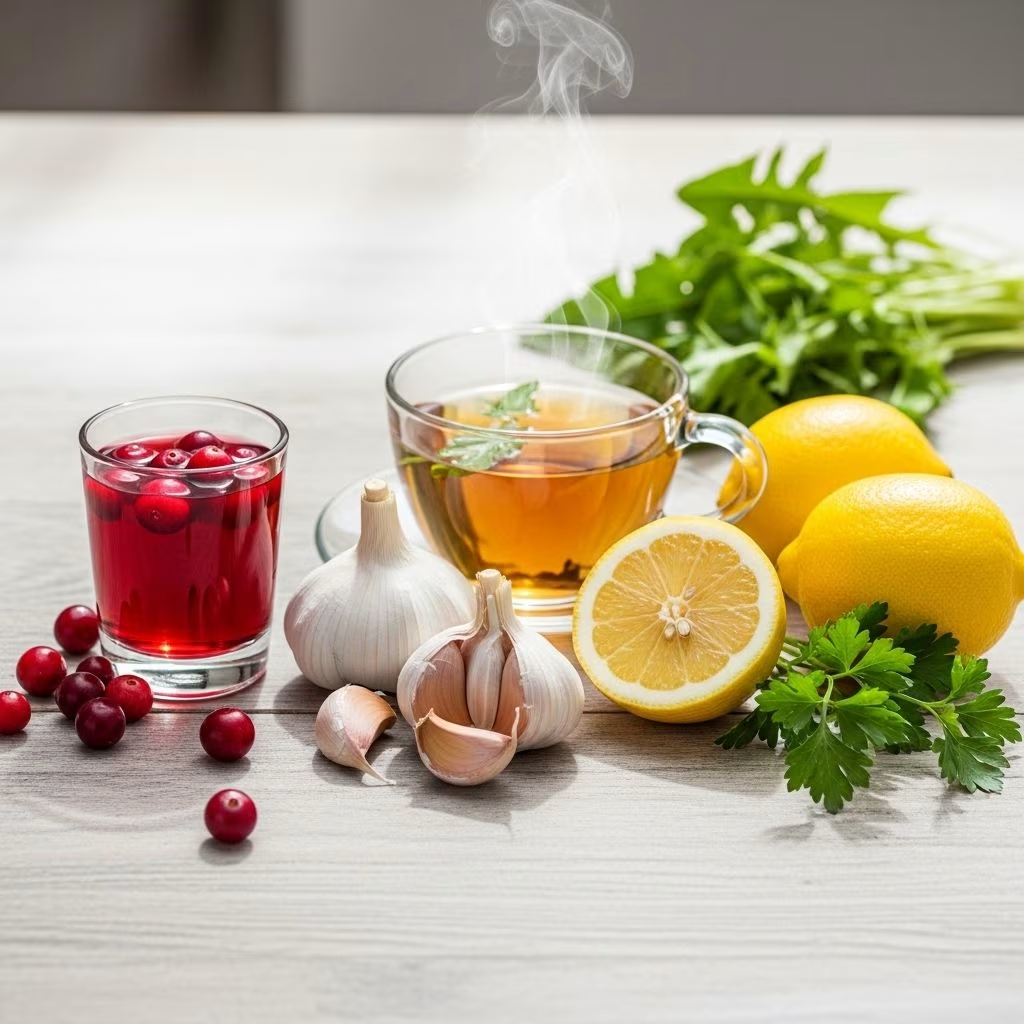
Urinary tract infections are among the most common bacterial infections affecting millions of people each year. While conventional antibiotics remain a standard treatment, many individuals seek natural alternatives that can effectively address UTI symptoms while supporting overall urinary health. Understanding the root causes of these infections and exploring evidence-based natural remedies can empower you to take control of your urinary wellness.
The discomfort associated with urinary tract infections can range from mild irritation to severe pain, often accompanied by frequent urination, burning sensations, and lower abdominal discomfort. Rather than immediately reaching for prescription medications, several natural approaches have demonstrated remarkable efficacy in both treating active infections and preventing future occurrences.
Understanding Urinary Tract Infections
Before exploring remedies, it’s essential to understand what causes urinary tract infections. These infections occur when harmful bacteria, most commonly Escherichia coli (E. coli), enter the urinary tract and multiply in the bladder. The bacteria typically travel from the digestive system through the urethra into the bladder, where they attach to the urinary tract walls and cause inflammation.
Women experience UTIs more frequently than men due to anatomical differences, with a shorter urethra allowing bacteria easier access to the bladder. Hormonal changes, sexual activity, certain types of birth control, and menopause can all increase susceptibility to these infections. Recognizing early symptoms allows for prompt treatment, often preventing the infection from spreading to the kidneys.
The Power of Hydration in Fighting UTIs
One of the most fundamental yet powerful remedies for urinary tract infections is proper hydration. Drinking abundant amounts of water throughout the day creates a flushing mechanism that helps eliminate harmful bacteria from your urinary system before they can establish a foothold. This simple practice serves as both a treatment and preventive measure.
When you maintain adequate hydration, you increase urinary flow, which mechanically removes bacteria from the bladder and urethra. Aim to consume at least eight to ten glasses of water daily, and don’t wait until you feel thirsty, as thirst indicates you’re already experiencing mild dehydration. The more frequently you urinate, the less opportunity bacteria have to multiply and cause infection.
Water-rich foods can complement your fluid intake strategy. Watermelon, cucumbers, oranges, strawberries, lettuce, celery, and soups all contribute significant moisture to your diet while providing essential nutrients that support immune function. These foods make hydration more enjoyable and ensure you’re getting vitamins and minerals alongside the water content.
D-Mannose: A Natural Sugar Solution
D-mannose represents one of the most scientifically supported natural treatments for urinary tract infections. This simple sugar, found naturally in cranberries and other fruits, works through a unique mechanism that prevents bacteria from adhering to the urinary tract walls. Unlike regular sugar, D-mannose doesn’t significantly affect blood glucose levels and isn’t metabolized by the body in the same way.
The E. coli bacteria responsible for most UTIs possess tiny hair-like projections called fimbriae that allow them to stick to the bladder lining. D-mannose molecules bind to these fimbriae, effectively coating the bacteria and preventing them from attaching to urinary tract tissue. Once coated, the bacteria are simply flushed out during urination rather than establishing an infection.
Research has demonstrated D-mannose’s effectiveness in both treating active infections and preventing recurrent UTIs. Taking D-mannose at the first sign of symptoms can often stop an infection before it fully develops. For treatment, typical dosages range from one teaspoon of powder or two capsules taken every few hours during the acute phase, then reduced to twice daily for prevention.
Comprehensive Supplement Solutions
Uqora System
The Uqora product line offers a comprehensive three-part system specifically designed to address urinary tract infections from multiple angles. This all-in-one approach eliminates the guesswork of combining different remedies and ensures you’re covering all bases in fighting and preventing UTIs.
Target is the first component, designed to be taken at the first sign of UTI symptoms or after activities that might trigger an infection. This formula binds to harmful bacteria, increases urinary flow to flush bacteria from the system, alkalizes urine to create an inhospitable environment for bacterial growth, and provides immune system support. The multi-faceted approach addresses both immediate bacterial concerns and underlying immune vulnerabilities.
Control contains D-mannose along with compounds that attack biofilm, a protective layer that bacteria create around themselves. Biofilms make bacteria significantly harder to eliminate, as they shield the microorganisms from both the immune system and treatments. By disrupting this protective barrier, Control makes it much easier to flush bacteria out of the urinary tract completely.
Promote focuses on restoration and prevention by supporting beneficial probiotic growth. This formula specifically encourages Lactobacillus rhamnosus and Lactobacillus reuteri, the only two bacterial strains scientifically proven to help restore and maintain a healthy vaginal microbiome. Since vaginal health directly impacts urinary tract health, maintaining proper bacterial balance in this area significantly reduces UTI risk.
Herbal Remedies for Urinary Health
Herbs have been used for centuries to treat urinary tract infections, and modern research increasingly validates their traditional applications. These natural remedies offer soothing properties, antimicrobial effects, and immune support without the side effects associated with pharmaceutical antibiotics.
Cranberry: The Classic Remedy
Cranberry stands as perhaps the most recognized natural treatment for urinary tract infections. A 2019 study published in Current Developments in Nutrition confirms that cranberry consumption reduces UTI risk in healthy women. The fruit contains proanthocyanidins, compounds that prevent bacteria from adhering to urinary tract walls through a mechanism similar to D-mannose.
When choosing cranberry products, opt for unsweetened cranberry juice or pure cranberry extract capsules. Many commercial cranberry juices contain high amounts of added sugar, which can actually worsen UTI symptoms by feeding harmful bacteria. Pure cranberry juice tastes quite tart and bitter, but this indicates it’s free from the sugars that compromise its effectiveness.
For those who find unsweetened cranberry juice too bitter, capsules provide a convenient alternative. Look for products standardized to contain at least 36 milligrams of proanthocyanidins per serving. Taking 400 milligrams of cranberry extract every two to four hours during an active infection can provide significant relief, with symptoms typically improving within 24 to 48 hours.
Parsley: The Detoxifying Diuretic
Parsley tea offers powerful detoxifying properties and acts as a natural diuretic, increasing urine flow to help flush bacteria from the urinary system. This common culinary herb contains compounds that support kidney function and provide gentle antimicrobial effects beneficial for urinary tract health.
Preparing parsley tea is remarkably simple. Chop one-quarter cup of fresh parsley and steep it in one cup of boiling water for approximately five minutes. Strain the liquid and drink it hot or cold. Most herbalists recommend limiting consumption to no more than one cup daily, as excessive amounts may overstimulate the kidneys.
The act of drinking warm herbal tea also provides comfort during the discomfort of a UTI. Beyond its medicinal properties, parsley tea offers a nourishing ritual that supports your body’s healing process. You can purchase pre-packaged parsley tea or use fresh parsley from your kitchen, making this remedy both accessible and affordable.
Uva Ursi: The Powerful Antimicrobial
Uva ursi, also known as bearberry, has a long history of use in treating urinary tract infections. This herb contains arbutin, a compound that converts to hydroquinone in the urinary tract, providing potent antimicrobial effects against common UTI-causing bacteria. Uva ursi also offers astringent properties that help reduce inflammation in the urinary tract lining.
For maximum effectiveness, uva ursi works best in alkaline urine, so combining it with compounds that raise urinary pH enhances its antimicrobial action. The herb is typically taken as a tea, tincture, or capsule. When preparing as a tea, steep the dried leaves in hot water for at least one hour to extract the beneficial compounds fully.
Important considerations apply when using uva ursi. It should not be taken for more than one week at a time or used during pregnancy and breastfeeding. The herb can cause nausea in some individuals, and it may darken urine color temporarily, which is a harmless side effect. Always consult with a healthcare provider before using uva ursi, especially if you have kidney or liver conditions.
Marshmallow Root: The Soothing Demulcent
Marshmallow root provides soothing relief for inflamed and irritated urinary tract tissues. This herb contains mucilage, a sticky substance that coats and protects the lining of the urinary tract, reducing pain and discomfort associated with UTIs. While marshmallow root doesn’t directly kill bacteria, it supports healing and makes you more comfortable during treatment.
The demulcent properties of marshmallow root make it an excellent companion herb to more antimicrobial-focused remedies. It can be prepared as a cold infusion by soaking the dried root in cool water overnight, or steeped in hot water for a warm tea. The resulting liquid has a slightly slippery texture due to the mucilage content, which indicates the therapeutic compounds are present.
Probiotic Support for Urinary Health
Probiotics play a crucial role in both treating and preventing urinary tract infections. These beneficial bacteria help maintain a healthy balance in your gut and vaginal microbiome, creating an environment that inhibits harmful bacterial overgrowth. Research suggests that probiotics may prevent UTI-causing bacteria from attaching to urinary tract cells while also lowering urine pH to make it less hospitable to pathogens.
Specific probiotic strains have demonstrated particular effectiveness for urinary health. Lactobacillus rhamnosus and Lactobacillus reuteri support vaginal health and help prevent the migration of harmful bacteria to the urinary tract. These strains produce lactic acid and other compounds that create an acidic environment inhospitable to E. coli and other pathogens.
If you’ve taken antibiotics to treat a UTI, probiotic supplementation becomes even more important. Antibiotics kill both harmful and beneficial bacteria, potentially disrupting your natural microbial balance and increasing susceptibility to future infections. Taking probiotics during and after antibiotic treatment helps restore healthy bacterial populations more quickly.
Probiotics can be obtained through supplements or fermented foods. High-quality probiotic supplements typically contain multiple strains and at least 10 billion colony-forming units (CFUs) per dose. Fermented foods like yogurt with live cultures, kefir, sauerkraut, kimchi, and kombucha provide probiotics along with other beneficial compounds that support digestive and immune health.
Dietary and Lifestyle Strategies
The Power of Garlic
Garlic offers potent antimicrobial properties that extend beyond folklore. Recent research has demonstrated that garlic extract can effectively reduce the bacteria responsible for urinary tract infections. The compound allicin, released when garlic is crushed or chopped, provides broad-spectrum antimicrobial effects against various pathogens including E. coli.
Incorporating raw garlic into your diet during a UTI can support your body’s natural defense mechanisms. Crushing or chopping garlic and allowing it to sit for about 10 minutes before consuming maximizes allicin production. You can add raw garlic to salads, hummus, or other foods, or take it with a spoonful of honey if the taste is too intense.
For those who find raw garlic difficult to tolerate, aged garlic extract supplements provide an alternative. These supplements offer antimicrobial benefits without the strong odor and taste of fresh garlic. Taking garlic regularly as a preventive measure may reduce your susceptibility to urinary tract infections over time.
Don’t Hold Your Urine
One of the simplest yet most effective strategies for preventing urinary tract infections is urinating promptly when you feel the urge. Holding urine in your bladder provides an opportunity for any bacteria present to multiply and establish infection. The longer urine sits in the bladder, the more time bacteria have to grow and attach to urinary tract walls.
Make it a priority to use the restroom regularly throughout the day, even if you’re busy. Empty your bladder completely each time you urinate, as residual urine can harbor bacteria. Women should also urinate shortly after sexual activity, as this helps flush out any bacteria that may have been introduced during intercourse.
Vitamin C for Immune Support
Vitamin C serves dual purposes in fighting urinary tract infections. First, it supports immune function, helping your body mount an effective defense against bacterial invaders. Second, high doses of vitamin C can acidify urine, creating an environment less favorable for bacterial growth. This acidity inhibits the reproduction of UTI-causing bacteria.
Taking 500 to 1000 milligrams of vitamin C several times daily during an active infection can support your body’s healing process. Be aware that very high doses may cause digestive upset in some individuals, so start with lower amounts and increase gradually. Vitamin C is water-soluble, meaning excess amounts are excreted in urine rather than building up in the body.
When to Seek Medical Attention
While natural remedies can effectively treat many urinary tract infections, certain situations require professional medical evaluation. If symptoms don’t improve within 24 to 48 hours of starting natural treatment, or if they worsen, consult a healthcare provider. Untreated UTIs can progress to kidney infections, which are more serious and always require antibiotic treatment.
Warning signs that indicate you should seek immediate medical care include fever above 101°F, severe lower back pain, nausea and vomiting, blood in the urine, or confusion. These symptoms may indicate the infection has spread to the kidneys or become systemic. Pregnant women should always consult their healthcare provider at the first sign of UTI symptoms, as these infections pose additional risks during pregnancy.
Individuals with diabetes, compromised immune systems, structural abnormalities of the urinary tract, or frequent recurrent UTIs should work closely with healthcare providers to develop appropriate treatment strategies. Natural remedies can complement conventional treatment in these cases but should not replace professional medical care.
Prevention Strategies for Long-Term Urinary Health
Preventing urinary tract infections is far easier than treating them. Implementing consistent preventive practices significantly reduces your risk of developing these uncomfortable infections. Maintaining proper hydration throughout the day creates a continuous flushing effect that prevents bacterial accumulation in the urinary tract.
Personal hygiene practices play a crucial role in prevention. Women should always wipe from front to back after using the bathroom to prevent intestinal bacteria from spreading to the urinary tract. Avoiding harsh soaps, douches, and feminine hygiene sprays helps maintain the natural bacterial balance that protects against infection.
Wearing breathable cotton underwear and avoiding tight-fitting pants allows proper air circulation and reduces moisture that can promote bacterial growth. Taking showers instead of baths prevents bacteria from entering the urethra through bath water. For sexually active individuals, urinating before and after intercourse helps flush out any bacteria that may have been introduced.
Consider taking D-mannose or cranberry extract as a daily preventive measure if you experience frequent UTIs. Maintaining regular probiotic supplementation supports a healthy microbiome that naturally resists infection. Addressing any underlying health conditions that may increase UTI susceptibility, such as diabetes or hormonal imbalances, also reduces infection frequency.
Frequently Asked Questions
Q: How quickly can natural remedies relieve UTI symptoms?
A: Most people experience symptom improvement within 12 to 24 hours of starting natural treatment, though initial symptoms may temporarily worsen as bacteria are flushed from the system. Significant improvement typically occurs within 24 to 72 hours, with complete resolution in approximately five days when following a comprehensive natural treatment protocol.
Q: Can I use natural remedies while taking antibiotics for a UTI?
A: Yes, many natural remedies complement antibiotic treatment effectively. Probiotics are particularly important during and after antibiotic therapy to restore beneficial bacteria. However, always inform your healthcare provider about any supplements or herbal remedies you’re taking to avoid potential interactions.
Q: Is cranberry juice as effective as D-mannose for treating UTIs?
A: Both cranberry and D-mannose work through similar mechanisms by preventing bacteria from adhering to urinary tract walls. D-mannose is often considered more effective because it provides a concentrated dose of the active compound without the sugar content found in many cranberry juices. Unsweetened cranberry juice or cranberry extract capsules offer comparable benefits to D-mannose.
Q: How much water should I drink when treating a UTI naturally?
A: Aim to drink at least eight to ten glasses of water daily when treating a UTI, spacing consumption throughout the day. Some people benefit from drinking even more, up to 12 glasses or more, to maximize the flushing effect. Include water-rich foods in your diet to supplement your fluid intake.
Q: Are natural UTI remedies safe during pregnancy?
A: Pregnant women should always consult their healthcare provider before using any natural remedies for UTIs. Some herbs commonly used for urinary tract infections, such as uva ursi and certain dosages of parsley, are not recommended during pregnancy. Cranberry and D-mannose are generally considered safe, but professional guidance ensures both maternal and fetal safety.
Q: Can men use these natural remedies for UTIs?
A: Yes, all the natural remedies discussed work equally well for men experiencing urinary tract infections. However, UTIs are less common in men, and when they do occur, they may indicate underlying issues such as prostate problems. Men experiencing UTI symptoms should consult a healthcare provider for proper evaluation.
Q: What’s the difference between a bladder infection and a UTI?
A: A bladder infection, medically called cystitis, is a type of urinary tract infection that specifically affects the bladder. UTI is an umbrella term that can refer to infections anywhere in the urinary system, including the urethra, bladder, ureters, or kidneys. Most UTIs are bladder infections, which respond well to natural treatment when caught early.
Q: How long should I continue natural treatment after symptoms disappear?
A: Continue natural treatment for at least one week after symptoms resolve to ensure the infection is completely cleared. Following the treatment protocol, transition to preventive doses of remedies like D-mannose or cranberry for an additional week to prevent recurrence. This extended approach significantly reduces the risk of incomplete treatment.
References
- https://wellnessmama.com/remedies/urinary-tract-infection/
- https://wellnessmama.com/remedies/interstitial-cystitis-remedies/
- https://wellnessmama.com/remedies/natural-first-aid-kit/comment-page-2/
- https://nafc.org/bhealth-blog/home-remedies-for-utis/
- https://wellnessmama.com/remedies/kidney-stone-remedies/
- https://avivaromm.com/treating-bladder-infections-naturally/
- https://wellnessmama.com/remedies/vinegar-baths/comment-page-1/
- https://pmc.ncbi.nlm.nih.gov/articles/PMC9966151/
- https://www.mamanatural.com/natural-remedies-uti/


