Dubrovnik: The Pearl of the Adriatic
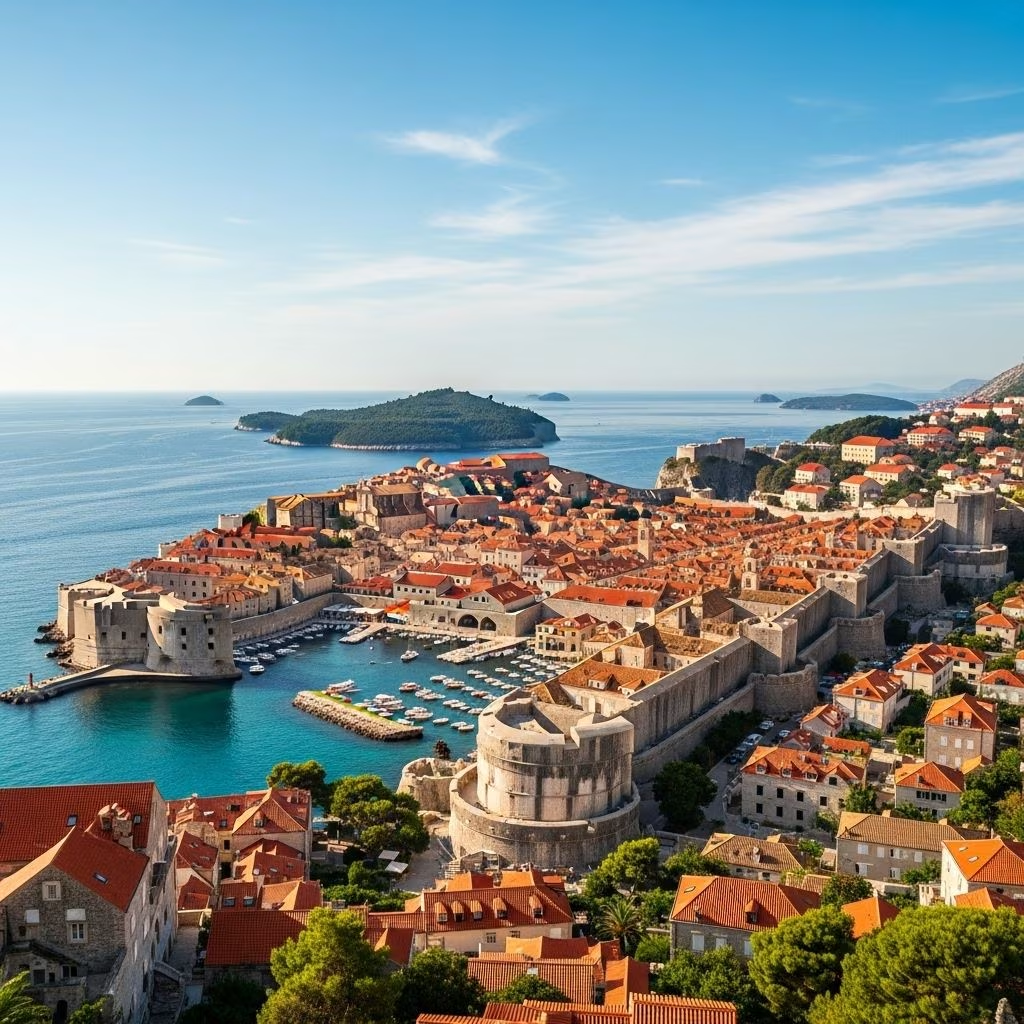
Dubrovnik, perched dramatically on Croatia’s southern coast, is widely celebrated as the “Pearl of the Adriatic.” Enclosed by medieval walls and shimmering against sapphire waters, Dubrovnik’s Old Town is a place where centuries-old history and vibrant modern life intersect. Visitors are drawn by its picturesque setting, storied past, and the magnetism of its pedestrian-friendly streets, making it one of Europe’s most charming and photogenic destinations.
At a Glance: Essential Experiences in Dubrovnik
- Dubrovnik Walk: A meandering journey through the Old Town, perfect for enjoying coffee, gelato, and people-watching.
- City Walls Walk: Traverse the mile-long 15th-century fortifications with breathtaking panoramas of red-tiled roofs and the Adriatic Sea.
- Mount Srđ: Ascend for panoramic views and learn about the city’s ordeal during the 1991–92 Siege.
- Red History Museum: Delve into the social and political history of socialist Yugoslavia in Gruž port.
Wandering Old Town: Dubrovnik’s Heartbeat
At the core of Dubrovnik is its Old Town, a pedestrian haven framed by ancient walls and a blend of lively squares, alleys, and stone terraces. The Stradun—the city’s central thoroughfare—was once a canal lined with merchants and is now a bustling promenade by day and lively cocktail party by night. Locals and travelers alike gather here to enjoy Dubrovnik’s easygoing Mediterranean rhythms.
The city’s relaxed ambiance is evident in the slower pace, outdoor cafes, and multigenerational crowds reveling in the Adriatic sunshine. Dubrovnik’s Old Town encapsulates a celebration of life—perfect for both casual strolls and historical explorations.
The Legendary City Walls
Dubrovnik’s iconic city walls are its defining feature, earning it status as one of Europe’s best-preserved medieval towns. Built and reinforced over centuries—especially in the 1400s to repel Ottoman invasions—the walls stretch a scenic mile around the city, punctuated by forts and towers. The panoramic hour-and-half walk atop the ramparts offers:
- Unmatched vistas of terracotta rooftops and glimmering coastline,
- Views into sun-drenched squares and peaceful stone terraces perched above the sea,
- Historical perspective, with bright roof tiles marking buildings rebuilt after the 1991 siege,
- Access points including the Pile Gate for a commanding Old Town view.
As you traverse the walls, the contrasts between ancient stones and war-rehabilitated buildings paint a poignant story of Dubrovnik’s resilience and pride.
Buža: The Hole-in-the-Wall Bar Above the Waves
For those seeking a natural escape within the city, Buža is an unmissable experience. Literally meaning “hole-in-the-wall,” this rustic outdoor tavern clings to the cliffs just outside the city walls. With castaway views, Frank Sinatra ambience, and mellow crowds, Buža offers:
- Shaded stone terraces overlooking the Adriatic,
- Wine and cold drinks served in plastic cups,
- Stairway seating that extends right onto the rocky shore.
Buža is the ultimate sunset spot, ideal for escaping crowds and soaking in the tranquil seascape.
Dubrovnik’s Museums: Pieces of a Storied Past
No single museum in Dubrovnik rivals the grandeur of its walls, but together they sketch a compelling portrait of the city’s history, culture, and maritime legacy. Highlights include:
- Franciscan Monastery Museum: A tranquil cloister, 14th-century pharmacy, and medieval relics,
- Rector’s Palace: Once home to Dubrovnik’s medieval rulers, now housing antique collections,
- Synagogue Museum: Europe’s second-oldest synagogue with ancient Torahs and Holocaust artifacts,
- War Photo Limited: Provocative exhibits on contemporary conflict,
- Serbian Orthodox Church: Hub for the city’s Serbian Orthodox community,
- Rupe Granary & Ethnographic Museum: Folk museum above vast medieval grain silos,
- Croatian Cathedral: Baroque architecture and intriguing relics,
- Dominican Monastery Museum: Peaceful cloister with prized paintings and manuscripts,
- Foundry Museum: Journey into medieval metalwork,
- Maritime Museum: Ship models and contracts from Dubrovnik’s seafaring glory,
- Aquarium: Local sea life housed within ancient forts,
Savoring Dubrovnik: Outdoor Cafés, Gelato, and Adriatic Breezes
Local life in Dubrovnik is best enjoyed outdoors. Here are several ways to immerse yourself in its Mediterranean rhythm:
- Stradun Cafés: Settle in for coffee or an evening cocktail along the city’s main boulevard,
- Gelato Strolls: Enjoy a scoop as you weave through stone streets,
- Seaside Terraces: Buža and other cliffside bars offer a relaxing retreat,
- People-Watching: Old Town’s squares provide front-row seats to Dubrovnik’s vibrant daily pulse.
Mount Srđ: Dubrovnik Above the Clouds
Rising behind the city, Mount Srđ provides sweeping views over Dubrovnik and the shimmering sea. The summit features:
- A Napoleonic fortress now home to a modest museum on the siege of 1991–92,
- Panoramic photo opportunities, with city walls and coastline stretching below,
- Cable car access for a scenic ascent.
Mount Srđ is a place for reflection on the city’s fortitude and a prime spot for capturing unforgettable Adriatic sunsets.
The Red History Museum: Croatia’s Recent Past Examined
Located in the Port Gruž area, this insightful museum delves into the social, political, and economic dimensions of life under socialist Yugoslavia. It highlights everyday experiences, propaganda, and the complexities leading to the country’s eventual dissolution in the 1990s.
Dubrovnik’s Mixed Heritage: Religion, Multiculturalism, and Resilience
Dubrovnik’s layers of influence are visible in its sacred sites and living traditions:
- Roman Catholic churches such as the Cathedral,
- Serbian Orthodox Church, central to the city’s Serbian community,
- The Synagogue Museum, reflecting Jewish heritage,
- Islamic influences seen in nearby Balkan regions such as Bosnia-Herzegovina.
This religious mosaic shapes Dubrovnik’s identity and bridges cultures across the Adriatic and Balkans.
Day Trips: Exploring Beyond Dubrovnik
Dubrovnik serves as a springboard for adventures to the surrounding regions:
- Montenegro: Sail the fjords of the Bay of Kotor, visit the baroque Our Lady of the Rocks church in Perast, and absorb the region’s tranquil beauty,
- Bosnia-Herzegovina: Venture inland to Mostar for the iconic bridge and a taste of Balkan multiculturalism,
These side trips deepen understanding of the Balkans’ complex history and stunning scenery.
Resilience: The 1991-1992 Siege and Modern Dubrovnik
Recent history looms large in Dubrovnik’s story. After Croatia’s independence declaration in 1991, the city endured a harrowing siege by the Yugoslav National Army. Mortars damaged over two-thirds of Old Town buildings, and today the contrast between older, dark-toned and newer, bright-colored rooftops marks the sites of destruction and rebirth.
Modern Dubrovnik is a testament to resilience and restoration, balancing its UNESCO World Heritage status with an influx of international travelers.
Practical Tips for Travelers
- Visit outside peak cruise ship hours to avoid crowds,
- Wear comfortable shoes for walking stone streets and climbing steps atop city walls,
- Consider purchasing a Dubrovnik Card for museum entries and public transport discounts,
- Respect local customs and cultural sites, especially religious buildings,
- Sample local seafood and Mediterranean cuisine at Old Town taverns and seaside terraces.
Frequently Asked Questions (FAQs)
Q: What is the best time to visit Dubrovnik?
A: May, June, September, and early October offer pleasant weather and fewer crowds than the peak summer months.
Q: How long should I spend in Dubrovnik?
A: Two to three days is ideal for exploring the city walls, Old Town, and nearby attractions. Extend for day trips to Montenegro or Bosnia-Herzegovina.
Q: Are the city walls accessible for all travelers?
A: The city walls include steep steps and uneven surfaces, which can be challenging for visitors with mobility issues.
Q: Is it necessary to book tickets for popular sites in advance?
A: For the city walls and museums, tickets are generally available onsite, but booking ahead is recommended in peak season.
Q: What currencies and languages are used?
A: Croatia uses the euro. Croatian is the main language; English is widely spoken in tourist areas.
Plan Your Dubrovnik Visit
- Getting There: Dubrovnik is accessible via direct flights, well-connected ferries, and scenic coastal drives.
- Where to Stay: Lodging options range from boutique hotels inside Old Town to seaside resorts and guesthouses.
- Local Cuisine: Spotlights seafood, pasta, fresh produce, and Mediterranean flavors.
- Essential Packing: Lightweight clothing, sturdy walking shoes, sunscreen, and swimming gear.
Conclusion: Dubrovnik’s Timeless Allure
Enclosed by mighty walls and enlivened by centuries of history, Dubrovnik remains a captivating destination for travelers seeking culture, scenery, and relaxation. Whether marveling at fortress ramparts, savoring cold drinks above the surf, or wandering lantern-lit alleys after dusk, every step in Dubrovnik uncovers a new layer of the Adriatic’s storied gem.
References
- https://www.ricksteves.com/europe/croatia/dubrovnik
- https://www.ricksteves.com/watch-read-listen/read/articles/wandering-dubrovnik-city-walls
- https://www.ricksteves.com/watch-read-listen/video/tv-show/dubrovnik-and-balkan-sidetrips
- https://www.youtube.com/watch?v=RiEJJxJLr-o
- https://community.ricksteves.com/travel-forum/croatia/best-city-tours-guides-for-dubrovnik-and-for-llubljana
- https://www.youtube.com/watch?v=vlu6-u_ByBM
- https://www.ricksteves.com/europe/croatia
- https://blog.ricksteves.com/blog/tag/dubrovnik/