


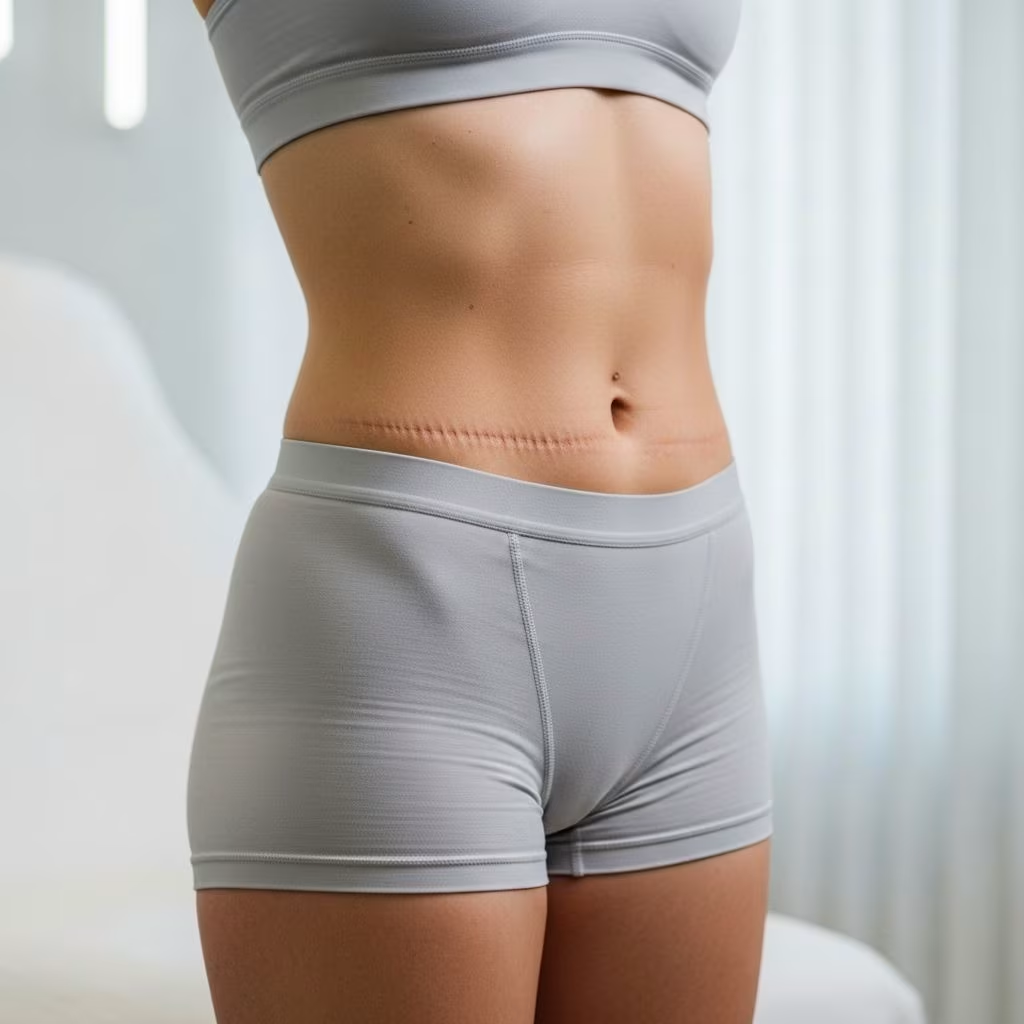
What Really Happens When You Get Rid of Loose Skin After Major Weight Loss
Losing a substantial amount of weight is a monumental achievement, but many people find themselves facing a new challenge afterward: loose skin. This article explores why loose skin occurs, how it can affect your body and mind, and what options exist for treatment—supported by medical insight, personal stories, and expert recommendations.
Why Does Loose Skin Happen After Weight Loss?
When a person gains significant weight, their skin stretches over time to accommodate the increased mass. This stretching happens mostly due to the buildup of subcutaneous fat, which expands the skin. If the skin is stretched for a prolonged period, especially with rapid or extreme weight gain, its ability to contract after weight loss diminishes, leading to loose, saggy skin.
- Skin Structure: Skin comprises three layers: the epidermis (top layer), the dermis (middle layer, responsible for collagen and elastin production), and the hypodermis (which stores fat and connects tissue).
- Role of Collagen and Elastin: These proteins give skin its structure and elasticity. Loss of these proteins with age or prolonged stretching makes skin less able to “snap back” after weight loss.
- Genetics: Genetics influences skin elasticity and the tendency to develop loose skin.
- Rapid vs. Gradual Weight Loss: Fast weight loss often leads to more pronounced sagging, as the skin doesn’t have time to adjust.
The Physical and Emotional Impact of Loose Skin
Loose skin is more than a cosmetic concern—its effects can be both physical and emotional.
- Physical Issues: Extra skin can cause discomfort, rashes, infections, chafing, and even limit mobility.
- Emotional Challenges: People may struggle with body image, self-esteem, and depression, sometimes feeling caught between pride in weight loss and disappointment with their appearance.
In interviews and firsthand accounts, individuals commonly describe mixed feelings: pride in their success, but also frustration or self-consciousness about their new bodies. Some report avoiding activities or certain clothing due to self-consciousness, while others speak of resilience and empowerment after addressing their loose skin.
Is It Possible to Prevent Loose Skin During Weight Loss?
While completely preventing loose skin may not be realistic—especially after losing 100 pounds or more—certain strategies help minimize its severity.
- Gradual Weight Loss: Losing weight slowly gives skin more time to adjust. Experts recommend aiming for 1-2 pounds lost per week.
- Strength Training: Building muscle as you lose fat can help replace some of the lost mass and fill out loose areas, improving skin’s appearance.
- Hydration: Proper hydration supports skin elasticity, reducing dryness and the risk of sagging.
- Nutrition: Eating a balanced diet rich in proteins, omega-3 fatty acids, and vitamins A, C, and E helps maintain skin health.
Tip: Crash diets and “quick fixes” often lead to rapid weight loss and worse loose skin. Focus on sustainable, healthy changes.
Non-Surgical Treatments and Lifestyle Changes
For mild to moderate cases, improving skin’s firmness may be possible through lifestyle modifications:
- Exercise: Cardio and resistance training both improve muscle tone. Focus on compound movements for overall muscle development.
- Skin Care: Use moisturizers with collagen or retinol, and protect skin from sun damage.
- Supplements: Collagen supplements, vitamin C, and omega-3s may support skin regeneration.
- Hydration: Aim for 8+ glasses of water daily to support skin health.
- Massage: Regular massage can improve circulation and skin texture.
Note: These steps may help tighten mildly loose skin but are unlikely to eliminate large folds resulting from extreme weight loss.
Surgical Solutions: What to Expect
For many who have lost massive amounts of weight, surgical procedures such as body contouring or skin removal surgery become an option when lifestyle changes fall short. These surgeries, performed by board-certified plastic surgeons, can significantly improve physical comfort, appearance, and mobility.
| Procedure | Area Targeted | Typical Candidates | Recovery Time |
|---|---|---|---|
| Abdominoplasty (Tummy Tuck) | Belly/Lower Abdomen | Loose belly skin after weight loss or pregnancy | 2-6 weeks |
| Panniculectomy | Lower Belly | Severe skin excess causing health problems | 2-6 weeks |
| Arm Lift (Brachioplasty) | Upper Arms | Loose skin and “bat wings” after weight loss | 2-4 weeks |
| Body Lift | Belly, flanks, thighs, buttocks | Massive skin excess | 3-6 weeks |
| Thigh Lift | Inner/Outer Thighs | Loose thigh skin after major weight loss | 2-4 weeks |
- Who is eligible? Candidates should have maintained their goal weight for 6-12 months, be non-smokers, and have realistic expectations.
- Risks: Scarring, infection, blood clots, poor healing; discuss all risks with your surgeon.
- Insurance coverage: Sometimes covered if the excess skin causes medical issues like chronic rashes or infections.
- Results: Surgical removal of excess skin dramatically improves body shape and comfort but comes with visible scarring—and requires physical and emotional commitment to healing.
What Is Recovery Like After Body Contouring Surgery?
Recovery is a key part of the process—both physically and emotionally.
- Pain and Discomfort: Most surgeries require at least 2-6 weeks until returning to regular activities. Patients report tightness, soreness, and swelling.
- Scarring: Incisions often leave permanent scars, although they tend to fade with time. Surgeons aim to place scars in less-visible areas when possible.
- Mobility: Initially limited; walking and gentle movement are encouraged to promote healing.
- Support: Emotional and social support is invaluable. Connection with others who have had similar procedures (such as online forums or support groups) can help navigate expectations and feelings.
Real Stories: The Emotional Journey
Those who seek surgical solutions describe a range of emotions before, during, and after the process. Many share that the journey does not end with the procedure—healing is both physical and mental.
- Some patients feel liberated, finally able to participate in sports and activities they once avoided.
- Others face tough decisions about major surgery, body acceptance, and living with scars.
- Connection, openness, and compassion—whether from peers, family, or health professionals—can make all the difference.
Expert Advice for Managing Loose Skin
Dermatologists, plastic surgeons, and weight loss specialists offer key recommendations:
- Set Realistic Expectations: Loose skin is common and normal after major weight changes. Accept that perfect tightness may not be achievable without surgery.
- Focus on Health: Maintain exercise and nutrition for internal health—not just skin appearance.
- Consult Qualified Professionals: Seek board-certified surgeons and dermatologists for all treatments.
- Mental Health: Consider therapy or support groups for body image concerns.
- Consistency Matters: Hydrate, eat well, and stick to effective routines for lifelong skin health.
Frequently Asked Questions (FAQs) About Loose Skin After Weight Loss
Q: Are there non-surgical ways to remove loose skin?
A: Non-surgical treatments like strength training, proper hydration, healthy eating, and topical skin care can help tighten mildly loose skin, but cannot eliminate significant folds or excess completely.
Q: Does age affect skin’s ability to tighten after weight loss?
A: Yes. Older individuals have less collagen, making skin less elastic and more likely to sag after weight loss.
Q: How long until skin adjusts after losing weight?
A: Skin’s adjustment can take 6-12 months, but severe looseness may not resolve without surgery. Gradual loss improves the chances of adaptation.
Q: Is surgery always necessary for loose skin?
A: Surgery is a personal choice for those who experience medical, mobility, or severe emotional issues due to loose skin. Many live happily without surgery.
Q: Will scars from skin removal surgery fade?
A: Scars fade significantly over time but remain permanent. Most patients consider them a reasonable trade-off for improved comfort and body confidence.
Additional Resources
- Support Groups: Online forums connect those who’ve had major weight loss and skin removal surgery.
- Professional Organizations: American Society of Plastic Surgeons, Dermatology associations, and nutrition societies offer evidence-based advice.
- Consulting Experts: Seek medical professionals with relevant experience for personalized care.
Key Takeaways
- Loose skin is a common aftereffect of major weight loss that can affect appearance, comfort, and confidence.
- Prevention centers on losing weight gradually, building muscle, eating well, and staying hydrated.
- Surgical removal of excess skin offers dramatic results for those with significant issues, but comes with recovery and scarring.
- Emotional well-being, realistic expectations, and ongoing self-care are just as important as physical solutions.
References
- https://www.webmd.com/obesity/loose-skin-after-weight-loss
- https://www.prevention.com/fitness/a20492525/8-ways-to-keep-firm-skin-with-weight-loss/
- https://nymis.com/2024/01/how-to-avoid-loose-skin-after-weight-loss-surgery/
- https://www.prevention.com/weight-loss/a20492252/women-with-loose-skin-after-weight-loss/
- https://www.prevention.com/weight-loss/a20487794/5-solutions-for-excess-skin-after-weight-loss/
- https://www.prevention.com/weight-loss/g20507325/losing-weight-after-40/
- https://www.prevention.com/sex/a20487476/sex-after-extreme-weight-loss/
- https://www.prevention.com/health/a42673794/what-is-ozempic-face/
- https://www.prevention.com/weight-loss/diets/a20718413/apple-cider-vinegar-for-weight-loss/


