


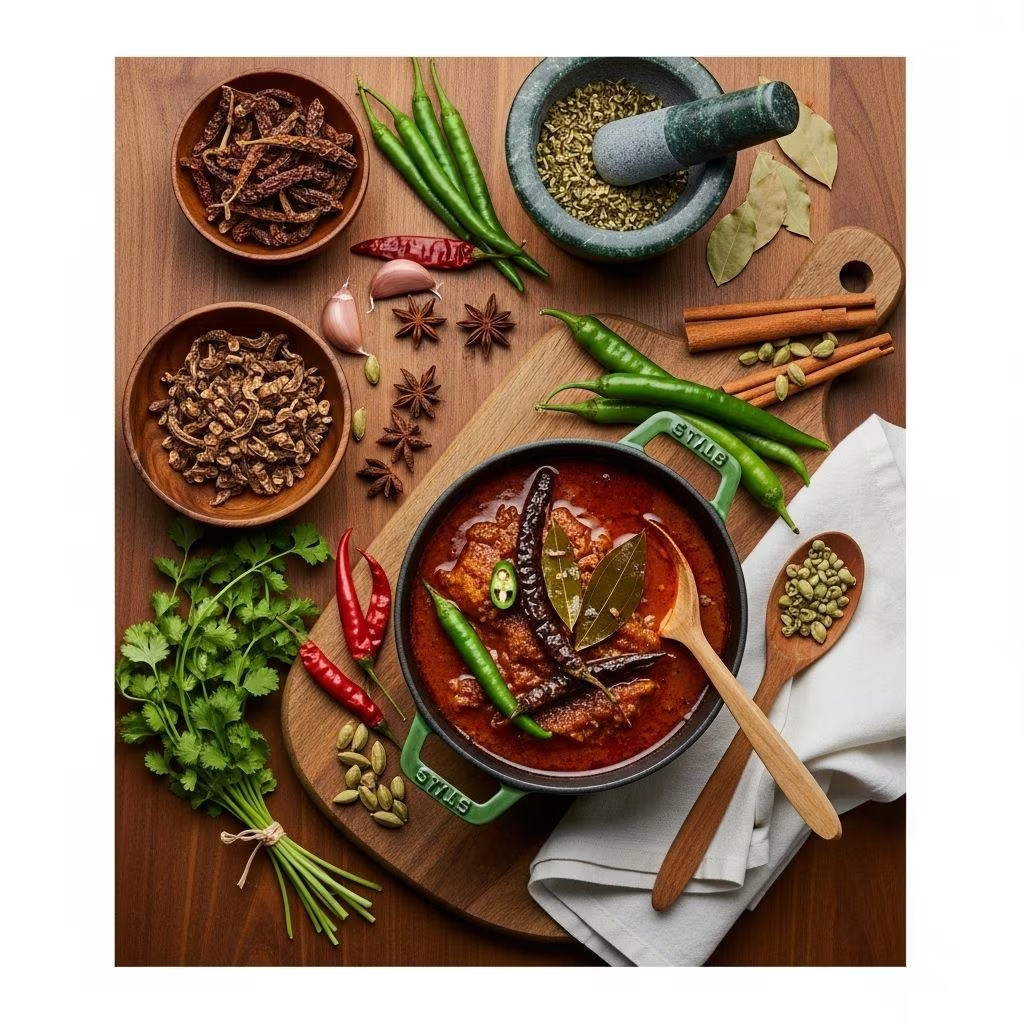
Long pepper, known as pippali in Sanskrit, represents one of India’s most ancient and prized spices. This remarkable ingredient predates black pepper in Indian cuisine and offers a unique flavor profile that combines heat, sweetness, and complex aromatic notes. Unlike its common black pepper cousin, long pepper delivers a fruity, numbing sensation that transforms ordinary dishes into extraordinary culinary experiences.
What is Indian Long Pepper (Pippali)?
Indian long pepper (Piper longum) is a distinctive spice that resembles small, elongated pinecones rather than traditional round peppercorns. This ancient spice grows primarily in the foothills of the Himalayas and throughout tropical regions of India. The spice delivers a complex flavor profile that begins with initial sweetness, followed by moderate heat, and finishes with a unique numbing quality that tingles the tongue.
The spice’s appearance is unmistakable – small, cylindrical structures about half an inch long with a rough, segmented surface. When fresh, long pepper has a more pronounced fruity aroma compared to dried versions. The intensity of flavor can vary significantly depending on the source and processing method, making proper selection and preparation crucial for achieving optimal results in cooking.
Historical Significance in Indian Cuisine
Long pepper holds an extraordinary place in Indian culinary history, with documented usage dating back over 2,000 years. The Arthashastra, an ancient Indian political and economic treatise from around 200-300 BCE, contains one of the earliest recorded Indian recipes featuring long pepper – a chicken preparation that demonstrates the spice’s ancient culinary importance.
During ancient times, long pepper was more valuable than gold and served as currency in trade relationships. The spice traveled along ancient trade routes, reaching Greece, Rome, and other Mediterranean civilizations where it was highly prized. In traditional Ayurvedic medicine, pippali has been used for centuries to treat respiratory ailments, digestive issues, and to enhance overall vitality.
The spice’s significance extends beyond mere flavoring – it represents a connection to India’s rich culinary heritage and demonstrates how ancient cooking practices continue to influence modern Indian cuisine. Understanding this historical context enhances appreciation for the complexity and cultural importance of long pepper in traditional Indian cooking.
Preparation and Cooking Techniques
Mastering long pepper requires understanding proper preparation techniques that unlock its full flavor potential. The spice can be used both whole and ground, with each form contributing different characteristics to dishes.
Grinding Techniques: Use a mortar and pestle for optimal results when crushing long pepper. This traditional method releases essential oils more effectively than electric grinders, which can generate heat that diminishes the spice’s delicate aromatics. For recipes requiring ground long pepper, crush only what you need immediately before cooking to preserve maximum flavor intensity.
Whole Pepper Usage: Whole long peppers work excellently in tempering (tadka) processes and slow-cooked dishes where they can infuse their flavor gradually. When using whole peppers, lightly crack them with the flat side of a knife to help release flavors during cooking. This technique is particularly effective in oil-based preparations where the spice can bloom properly.
Heat Management: Long pepper is sensitive to high heat, which can destroy its complex flavor compounds. Add ground long pepper toward the end of cooking processes, while whole peppers can withstand longer cooking times. The key is balancing heat exposure with flavor development to achieve the characteristic sweet-spicy-numbing effect.
Ancient Long Pepper Chicken Recipe
This remarkable recipe originates from the Arthashastra and represents one of India’s oldest documented culinary preparations. The dish showcases long pepper’s ability to create complex, layered flavors that have satisfied palates for over two millennia.
Ingredients:
- 1½ pounds boneless chicken thighs, cut into pieces
- ¾ cup whole milk yogurt
- 12 long peppers (5 coarsely ground, 7 left whole)
- 1 teaspoon ginger paste
- 1 teaspoon salt
- ¼ cup ghee
- ½ teaspoon mustard seeds
- 1 teaspoon fresh lemon juice
- ¼ cup water
Preparation Method:
Begin by whisking yogurt in a large bowl until smooth and lump-free. This step ensures even coating and prevents curdling during cooking. Add the coarsely ground long pepper, ginger paste, and salt, mixing thoroughly to create a uniform marinade. The ground long pepper should distribute evenly throughout the yogurt, creating a speckled appearance.
Add chicken pieces to the marinade, ensuring each piece is completely coated. Cover and refrigerate for at least 30 minutes, though overnight marination produces superior results. The acids in yogurt tenderize the meat while the long pepper penetrates deeply, creating layers of flavor.
Heat ghee in a heavy-bottomed pan over medium heat. Add mustard seeds and allow them to pop and crackle, releasing their nutty aroma. Immediately add whole long peppers, cooking for 20 seconds until fragrant. This tempering process, known as tadka, forms the aromatic foundation of the dish.
Add marinated chicken to the pan in a single layer, avoiding overcrowding. Brown each side thoroughly, approximately 6 minutes per side, developing rich caramelization. Don’t worry if some marinade sticks to the pan – this fond will add incredible depth to the final sauce.
Deglaze by adding water to the empty marinade bowl, swirling to collect remaining marinade, then pouring over the chicken. Scrape the pan bottom with a spatula to lift stuck bits, incorporating them into the sauce. Reduce heat and simmer until chicken reaches 165°F internal temperature and sauce reduces by half, approximately 6-8 minutes.
Finish with fresh lemon juice, stirring gently to combine. The completed dish should have a rich, glossy sauce with tender chicken pieces infused with the complex flavors of long pepper.
Traditional Pippali Rasam
Rasam represents one of South India’s most beloved comfort foods, and the pippali variation offers a unique twist on this classic preparation. This warming, aromatic soup serves as both an appetizer and a digestive aid, perfect for monsoon seasons or when seeking comfort food with medicinal benefits.
Essential Ingredients:
- 1 ripe medium tomato, finely chopped
- 4-6 pieces long pepper (adjust to taste preference)
- 1-2 garlic cloves
- 1 teaspoon cumin seeds
- ½ cup fresh cilantro, chopped
- 1 tablespoon tamarind concentrate
- 1 tablespoon brown sugar
- 1 cup cooked toor dal, mashed
- 5-6 cups water
- Salt to taste
For Tempering:
- 1 teaspoon ghee or oil
- 1 teaspoon mustard seeds
- 1 teaspoon cumin seeds
- 4-6 curry leaves (optional)
Detailed Preparation:
Using a mortar and pestle, crush long pepper, cumin seeds, and garlic together until they form a coarse paste. This grinding releases essential oils and creates a flavor base that will infuse throughout the rasam. The texture should be rustic rather than fine powder.
Heat ghee in a heavy-bottomed pot over medium heat. Add mustard seeds and wait for them to splutter and pop. Follow with cumin seeds and curry leaves, allowing them to crackle and release their aroma. Add the crushed pippali mixture with a pinch of salt, sautéing until spices bloom and become fragrant, approximately 1-2 minutes.
Pour water into the pot, followed by chopped tomatoes, half the tamarind concentrate, and brown sugar. Bring to a gentle boil, then reduce heat and simmer until tomatoes break down completely and flavors meld, about 10-12 minutes. Taste and adjust tamarind for desired sourness.
Add mashed toor dal and most of the cilantro, reserving some for garnish. Stir well and continue simmering until lentils integrate completely and the rasam reaches desired consistency. Season with salt and adjust spicing as needed.
Serve piping hot as a soup course or with steamed rice and vegetables for a complete South Indian meal. The finished rasam should have a thin, brothy consistency with complex layers of sour, spicy, and aromatic flavors.
Modern Long Pepper Recipe Variations
Contemporary Indian cooks have developed innovative ways to incorporate long pepper into modern dishes while honoring traditional techniques. These adaptations make the ancient spice more accessible to today’s kitchens while maintaining its distinctive character.
Enhanced Long Pepper Chicken:
Modern variations of the ancient recipe include additions like turmeric for color and earthiness, garlic paste for depth, and cream for richness. Some chefs incorporate curry leaves during tempering and finish with fresh herbs like mint or cilantro. These modifications create restaurant-quality dishes suitable for contemporary palates while preserving the long pepper’s starring role.
Long Pepper Vegetarian Options:
Paneer, cauliflower, and mixed vegetables adapt beautifully to long pepper preparations. Substitute coconut milk for yogurt in vegan versions, or use cashew cream for richness. Root vegetables like potatoes and carrots develop wonderful flavor when slow-cooked with whole long peppers and aromatic spices.
Fusion Applications:
Progressive chefs incorporate long pepper into pasta sauces, salad dressings, and even desserts. The spice pairs exceptionally well with chocolate, creating complex desserts that balance heat and sweetness. In savory applications, long pepper elevates simple scrambled eggs, fresh cheese preparations, and meat rubs for grilling.
Expert Cooking Tips and Techniques
Achieving perfect results with long pepper requires understanding its unique characteristics and applying time-tested techniques that maximize flavor development while avoiding common pitfalls.
Temperature Control: Long pepper’s complex compounds are heat-sensitive. When using ground long pepper, add it during the final stages of cooking to preserve delicate aromatics. For tempering with whole peppers, use medium heat and watch carefully to prevent burning, which creates bitter flavors.
Quantity Guidelines: Start conservatively with long pepper, as its numbing quality can overwhelm dishes. Begin with 2-3 whole peppers or ½ teaspoon ground pepper for four servings, adjusting upward based on heat tolerance and desired intensity. Remember that the numbing effect develops gradually and can surprise inexperienced palates.
Pairing Principles: Long pepper complements yogurt-based marinades excellently, as dairy helps distribute the spice evenly and mellows harsh edges. The spice also pairs beautifully with ginger, garlic, and mustard seeds, creating classic Indian flavor profiles. Tomato-based dishes benefit from long pepper’s complexity, while the spice enhances both vegetarian and meat preparations.
Texture Considerations: When grinding long pepper, achieve the desired texture for specific applications. Coarse crushing works well for marinades and slow-cooked dishes, while fine powder suits quick-cooking preparations and finishing touches. Whole peppers provide gradual flavor release, perfect for dishes requiring extended cooking times.
Storage and Substitutions
Proper storage maintains long pepper’s quality and potency, while understanding substitutions helps when the spice is unavailable.
Storage Best Practices: Store whole long peppers in airtight containers away from light, heat, and moisture. Properly stored whole peppers maintain quality for 2-3 years, while ground long pepper should be used within 1 year for optimal flavor. Consider freezing ground long pepper in small portions to extend shelf life and preserve aromatics.
Substitution Options: While no spice exactly replicates long pepper’s unique profile, combinations can approximate its effects. Mix black pepper with a pinch of cinnamon and clove for sweetness, or combine white pepper with green peppercorns for complexity. Grains of paradise offer similar numbing qualities, while cubeb pepper provides comparable aromatic intensity.
Quality Assessment: Fresh long pepper should have a strong, fruity aroma with visible oils on the surface. Avoid specimens that appear dusty, broken, or lack aroma, as these indicate age or poor handling. High-quality long pepper produces immediate numbing when chewed, followed by pleasant warmth and sweetness.
Health Benefits of Long Pepper
Traditional Ayurvedic medicine recognizes long pepper as a powerful healing spice with numerous therapeutic properties. Modern research supports many traditional uses, validating ancient wisdom about this remarkable spice.
Digestive Support: Long pepper stimulates digestive fire (agni) according to Ayurveda, improving appetite and enhancing nutrient absorption. The spice contains compounds that support healthy digestion and may help alleviate occasional digestive discomfort.
Respiratory Benefits: Traditional medicine employs long pepper for respiratory support, particularly during seasonal changes. The warming qualities help balance excess moisture in the system, making it valuable during cold, damp conditions.
Bioavailability Enhancement: Piperine, the active compound in long pepper, enhances the absorption of various nutrients and compounds, making it a valuable addition to spice blends and therapeutic preparations. This property explains why long pepper frequently appears in traditional spice combinations.
Frequently Asked Questions
Q: Where can I buy authentic long pepper?
A: Indian grocery stores typically stock long pepper, both whole and ground. Online spice retailers specializing in Indian ingredients offer high-quality options. Look for organic, whole peppers from reputable suppliers for best results.
Q: How spicy is long pepper compared to black pepper?
A: Long pepper provides moderate heat similar to black pepper but with additional numbing qualities and sweet undertones. The heat builds gradually and creates a pleasant tingling sensation rather than sharp burning.
Q: Can I use long pepper in everyday cooking?
A: Absolutely. Start with small amounts in familiar dishes like scrambled eggs, roasted vegetables, or simple meat preparations. The spice enhances rather than overwhelms when used judiciously.
Q: What’s the difference between long pepper and black pepper?
A: Long pepper offers more complex flavor with fruity, sweet notes and numbing qualities, while black pepper provides straightforward heat. Long pepper also has historical significance as the original pepper in Indian cuisine.
Q: How should I introduce long pepper to my family’s palate?
A: Begin with mild applications like the pippali rasam or light seasoning on familiar foods. Gradually increase quantities as palates adjust to the unique numbing sensation and complex flavors.
Q: Does long pepper require special cooking techniques?
A: While not difficult to use, long pepper benefits from proper tempering techniques and careful heat control. Follow traditional methods like those outlined in our recipes for best results and avoid overheating to preserve delicate flavors.
References
- https://www.youtube.com/watch?v=BDVyliw1fbA
- https://indiaphile.info/long-pepper-chicken/
- https://delectable-victuals.blogspot.com/2007/06/pippili-rasam.html
- https://misangela.com/2024/01/05/indian-long-pepper-chicken/
- https://www.banyanbotanicals.com/blogs/wellness/cooking-with-pippali-sweet-spicy-recipes
- https://traditionallymodernfood.com/thippili-rasam-long-pepper-rasam/
- https://comfortablyhungry.substack.com/p/two-long-pepper-recipes
- https://www.youtube.com/watch?v=sQmrQGAKrkM


