


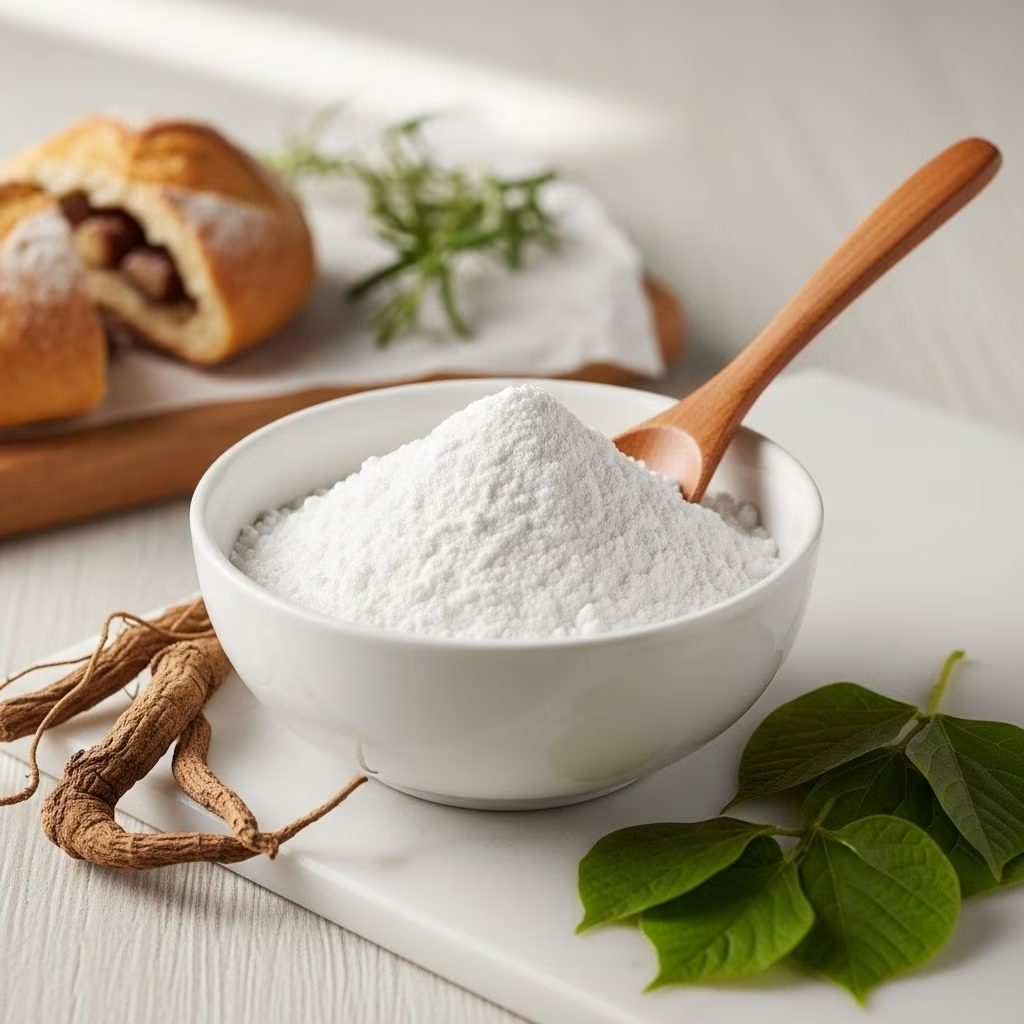
Kudzu starch, also known as kuzu, is a traditional East Asian ingredient derived from the root of the Pueraria lobata plant. Renowned for its neutral taste, high purity, and exceptional thickening abilities, kudzu starch has become popular not only in Asian kitchens but also among modern home and professional bakers worldwide. This extensively researched guide covers kudzu starch’s baking applications, health and nutritional benefits, key substitutes, and practical tips for best results.
What is Kudzu Starch (Kuzu)?
Kudzu starch, or kuzu, is a natural thickening agent extracted from the roots of the kudzu plant, a leguminous vine native to East Asia. Well known for its highly pure starch content and neutral flavor profile, it is a staple in Japanese, Chinese, and Korean cuisine. Unlike many commercial starches, proper kudzu starch is traditionally processed, resulting in a gluten-free, vegan, and minimally processed ingredient.
- Source: Root of Pueraria lobata
- Appearance: Fine, white powder
- Flavor: Mild and neutral, does not alter taste of baked goods
- Solubility: Dissolves best in cold water before heating
Kudzu starch is highly valued for its versatile thickening abilities—creating a smooth, glossy consistency for sauces and bases, and a soft, bouncy texture in desserts.
Baking Uses of Kudzu Starch
In modern and traditional baking, kudzu starch serves as both a natural thickener and binder, offering several advantages over conventional thickeners such as cornstarch, arrowroot, or tapioca:
- Moisture Retention: Kudzu binds water effectively, keeping cakes and pastries moist for longer, even after storage.
- Texture Enhancement: Produces a fine crumb structure, prevents crumbling, and ensures a tender, cohesive texture.
- Egg Replacement: Functions as a binder in egg-free or vegan recipes, helping hold batters together naturally.
- Gluten-Free Baking: Offers structure and elasticity in gluten-free recipes without needing gums or chemical additives.
- Heat Stability: Remains stable during high-heat baking, giving consistent results for various cake types.
Key Benefits in Cake and Pastry Baking
- Fine, Soft Crumb: Improves cake tenderness and prevents gritty or coarse textures.
- Clean Label: Suitable for health-conscious, allergen-friendly, and minimally processed recipes.
- Neutral Flavor: Does not mask or alter delicate flavors, making it ideal for vanilla, fruit, and matcha-based cakes.
How to Use Kudzu Starch in Baking
To achieve the best results, consider the unique characteristics of kudzu starch during preparation and formulation:
Dosage Guidelines
- As a Thickener: Use 1–2 teaspoons of kudzu powder per cup of liquid or flour in the recipe.
- As a Binder/Egg Substitute: For each egg replaced, dissolve 1 teaspoon of kudzu powder in 2 tablespoons of water to create a binding gel.
Preparation Steps
- Dissolve First: Always dissolve kudzu starch in a small amount of cold water to create a slurry before incorporating into batter. This prevents clumping and ensures even distribution.
- Combine with Other Starches: Especially in gluten-free baking, kudzu pairs well with rice flour, tapioca starch, or potato starch to replicate gluten’s structure.
- Baking Process: No change to standard baking times or temperatures is needed. Kudzu’s heat stability ensures consistent performance.
Application Examples
- Moist Vanilla Cakes: Retains softness and prevents drying out.
- Rich Chocolate Cakes: Stabilizes high-fat batters, maintains uniform crumb.
- Fruit Cakes: Prevents sogginess by evenly suspending fruit and moisture.
- Vegan or Egg-Free Baking: Binds ingredients for a tender, cohesive outcome.
Substitutes for Kudzu Starch
While kudzu starch offers unique properties, several substitutes may be used if it is unavailable. Each substitute brings distinct characteristics to baked goods.
| Substitute | Best Use | Notable Qualities | Ratio to Kudzu |
|---|---|---|---|
| Cornstarch | General thickening, fine crumb structure | Widely available, neutral but can leave a slight taste | 1:1 |
| Arrowroot Starch | Glossy finishes, clarity in fruit glazes | Vegan, neutral, clear gel | 1:1 |
| Tapioca Starch | Elastic, chewy texture in breads and cakes | Gluten-free, slightly sweet | 1:1 |
| Potato Starch | Moisture retention in dense cakes | Gluten-free, excellent for soft breads | 1:1 |
| Rice Flour | Gluten-free blends | Dryer texture, less binding | Use with caution (blend with other starches) |
Note: Substitutes may lack kudzu’s heat stability or may slightly alter final texture or flavor. Choose according to the intended outcome and dietary needs.
Nutritional Profile and Health Benefits
Kudzu starch is a pure complex carbohydrate, naturally gluten-free and minimally processed:
- Calories: About 30–35 kcal per tablespoon (8–10 g)
- Carbohydrates: Primarily starch (7–9 g per tablespoon)
- Protein & Fat: Both negligible (typically <1 g per tablespoon)
- Gluten-Free: Safe for celiac and gluten-sensitive individuals
- Allergen-Free: Does not contain soy, nuts, or dairy
Potential Health Benefits:
- Digestive Aid: In East Asian herbal traditions, kudzu starch is used to support digestion and soothe the stomach.
- Alkaline Effect: Some proponents claim kudzu helps balance body pH and reduce acidity, although clinical evidence is limited.
- Minimal Processing: Superior to many commercial starches that undergo chemical bleaching or modification.
- Plant-Based and Vegan: Suitable for plant-forward and vegan diets.
Compared to cornstarch and potato starch, kudzu is prized for purity, low allergenicity, and neutral flavor, making it compatible with clean-label eating and sensitive diets.
Popular Recipes and Culinary Applications
Beyond baking, kudzu starch is featured in a range of sweet and savory dishes for its textural and stabilizing properties:
- Traditional Japanese Sweets: Kuzu mochi (chewy jelly made with kudzu and water) and Kudzu jelly with matcha or almond milk.
- Vegan and Gluten-Free Cakes: Substitutes eggs and helps maintain moisture in cakes made entirely without animal products.
- Fruit or Vegetable-Based Loaves: Adds structure and prevents dense cakes from becoming soggy.
- Pie Fillings, Tarts, and Custards: Provides a glossy, stable set without synthetic gums.
Matcha Almond Milk Kudzu Jelly
An elegant, plant-based dessert that highlights kudzu’s unique textural properties. The jelly is made with almond milk, matcha powder, and kudzu starch, then chilled and served with black sugar syrup and optional toppings like sweet azuki beans or kinako (roasted soybean powder):
- Vegan and Dairy-Free: Achieves a bouncy, creamy texture without animal fats.
- Make-Ahead: Can be prepared 1 day in advance for convenience.
- Serving Suggestion: Drizzle with black sugar syrup and top with traditional Japanese toppings for authentic flavor.
Tips and Best Practices
- Buy High-Quality Kudzu: For best results, source pure kudzu starch from reputable suppliers. The finest grades are typically from Japan’s Yoshino region.
- Storage: Store kudzu powder in a cool, dry place out of direct sunlight, tightly resealed between uses to preserve its thickening power.
- Avoid Overheating: While kudzu is heat-stable, do not overcook its slurry as it may lose some thickening potency.
- Pairing: Works especially well in recipes highlighting subtle flavors such as vanilla, matcha, fruit, and light spices.
- Combine for Best Texture: Use in combination with other starches in gluten-free baking to balance moisture and crumb stability.
Frequently Asked Questions (FAQs)
Q: Is kudzu starch the same as cornstarch or arrowroot?
A: No. While all are thickeners, kudzu starch is extracted from the kudzu root and is typically less processed, offering a smoother, silkier texture and more neutral taste than cornstarch or arrowroot.
Q: Is kudzu starch gluten-free and safe for celiac diets?
A: Yes, pure kudzu starch is naturally gluten-free and safe for individuals with celiac disease or gluten intolerance.
Q: Can I use kudzu starch to substitute eggs in baking?
A: Yes. In vegan or egg-free baking, dissolve 1 teaspoon kudzu powder in 2 tablespoons of cold water to replace one egg in most recipes, providing a natural binder and moisture retention.
Q: How does kudzu starch compare nutritionally with cornstarch?
A: Kudzu starch and cornstarch are both primarily carbohydrates, but kudzu is typically less processed, has a slightly higher amylose content (affecting texture), and fewer allergens. Both are low in protein, fat, and micronutrients.
Q: Where can I buy real kudzu starch?
A: Most Asian grocery stores, natural food markets, and reputable online retailers offer pure kudzu starch. Seek products labeled clearly as “kudzu root starch” or “kuzu powder” from well-known brands.
Summary
Kudzu starch (kuzu) stands out as a clean-label, natural thickener and binder with distinct advantages for baking, especially in gluten-free, vegan, and allergy-friendly recipes. Its neutral flavor and superior textural properties make it a favorite among adventurous bakers and those seeking a purer alternative to common starches. By mastering its use and understanding its key substitutions, bakers can elevate both classic and modern recipes for home or professional enjoyment.
References
- https://www.tannov.com/marbella-cake-boutique-blog/kudzu-in-cake-baking-a-natural-thickener-for-moisture-and-texture
- https://happydonabelife.com/recipes/matcha-almond-milk-kudzu-jelly/
- https://www.youtube.com/watch?v=sdfz983ilFA
- https://gardenandgun.com/recipe/the-weird-and-wonderful-ways-you-can-cook-with-kudzu-really/
- https://yunomi.life/blogs/recipes/kudzu-sauce-recipe
- https://forums.egullet.org/topic/144976-kudzu-starch/
- https://www.youtube.com/watch?v=Gk1s5Yb_-sA
- https://thekindlife.com/sweet-calming-kuzu/


