


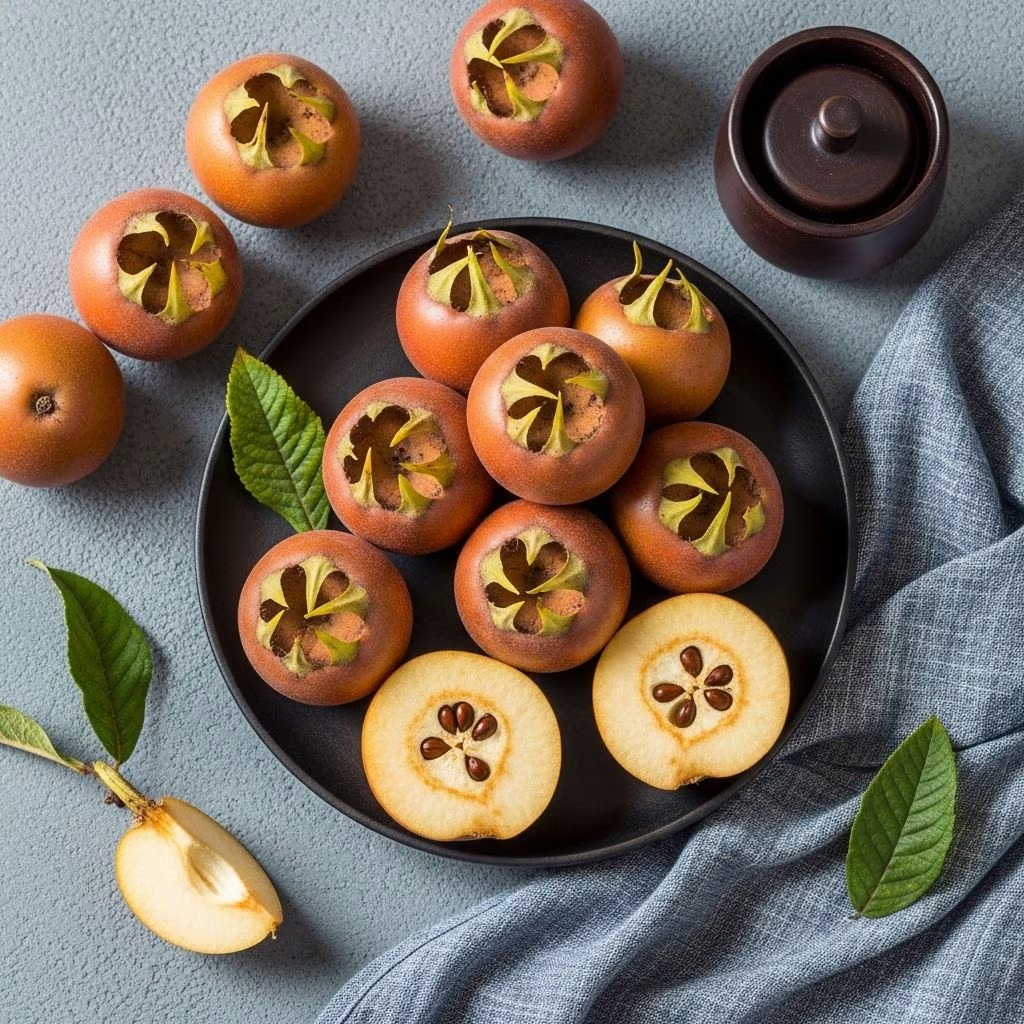
Once revered across Europe and the Middle East for its unique flavor and medicinal qualities, medlar (Mespilus germanica) is an ancient fruit now enjoying renewed appreciation among gardeners and food enthusiasts. This article explores what medlar is, its nutrition and health benefits, culinary uses, flavor profile, and place in history and culture.
Overview and Botanical Description
The medlar is a small deciduous tree or large shrub native to southeastern Europe and regions bordering the Black Sea. It belongs to the Rosaceae family, closely related to apples, pears, and hawthorns. Growing up to 20 feet tall, it features spiny, twisted branches, pointed winter buds, and distinctive elliptical dark green leaves, which turn shades of gold and red in autumn before falling.
The medlar produces delicate, five-petaled white or pale pink flowers—typically emerging in late spring or early summer. These flowers are hermaphroditic and primarily pollinated by bees, leading to self-fertile fruiting.
The fruit itself is unusual in appearance: a brown, round ‘pome’—2 to 8 centimeters in diameter—crowned by persistent, wide-spreading sepals. This gives medlar fruit its distinctive, open-ended look, earning it colorful nicknames in various cultures (e.g., cul de chien in French).
- Scientific Name: Mespilus germanica
- Family: Rosaceae
- Native Regions: Southeastern Europe, Black Sea, Caucasus, Central Asia
- Plant Type: Deciduous small tree or large shrub
- Fruit Type: Brown pome, open at one end, 2–8 cm in diameter
History and Cultural Significance
Respected by the Romans, cherished by the Tudors, and featured in the literature of Shakespeare, medlar has a long cultural history in Europe and the Middle East. Its popularity peaked in the Middle Ages and Renaissance, when it was a symbol of luxury, transience, and even social metaphors. Over time, medlar became less common, relegated to obscure horticultural status with the rise of more popular fruit like apples and pears.
Today, medlar is admired for its historical intrigue and revival among heirloom fruit collectors, culinary experimenters, and sustainable gardeners.
In Literature and Art
- Literary Symbolism: Medlar sometimes symbolized decay, sensuality, and transition, as seen in the works of Shakespeare and Chaucer.
- Medicinal Lore: Traditional herbalists valued medlar for its digestive and diuretic effects.
Nutritional Content and Health Benefits
Medlar fruit is a notable source of several essential minerals, vitamins, and phytochemicals. Its composition varies by variety, degree of ripeness, and climate, but it generally provides high levels of:
- Potassium
- Calcium
- Phosphorus
- Magnesium
- Iron
- L-ascorbic acid (Vitamin C)
Medlar fruit is also rich in monoterpenes (a type of phytochemical), organic acids, amino acids (notably glutamate and aspartate), sugars (glucose and fructose), and tannins. The balance of organic acids and sugars changes through the ripening and bletting process, directly affecting flavor and bioactive content.
| Nutrient | Range |
|---|---|
| Vitamin C (L-ascorbic acid) | 1.4 – 2.6 mg |
| Potassium | 43 – 49 mg |
| Calcium | 4.5 – 5.2 mg |
| Glucose | 43.5 – 61.7 mg |
| Fructose | 35.7 – 70 mg |
| Iron | Noted in trace, variable amounts |
Key Health Benefits
- Digestive Health: Medlar’s fiber and organic acids, together with astringent tannins, have traditional uses for digestive issues and mild diarrhea.
- Diuretic Effects: Historically used to support kidney function and promote urination.
- Antioxidant & Anti-inflammatory Properties: The fruit’s phytochemicals may offer antioxidant activity, helping counteract free radicals.
- Rich in Minerals: A source of potassium and magnesium, beneficial for cardiovascular and muscle functions.
- Supports Immune Health: Provides vitamin C, aiding immune defense and collagen synthesis.
Note: While medlar has a history of medicinal use, modern scientific studies are still limited regarding its specific therapeutic effects.
Culinary and Medicinal Uses
Medlar’s unusual chemistry makes it unique in the kitchen. The fruit is not typically eaten fresh from the tree—instead, it requires a process called bletting, during which it becomes soft, sweet, and rich in flavor. Once bletted, the fruit can be spooned directly out of its skin or used in a range of culinary applications.
Culinary Applications
- Fresh Eating: Bletted medlars are spooned and eaten as a sweet, pudding-like treat.
- Preserves and Jams: High in pectin, medlar makes excellent jams, jellies, and fruit butters.
- Baking and Desserts: Used in pies, tarts, cakes, and sauces for its unique apple–date flavor.
- Fermentation: Sometimes made into wines, liqueurs, or cider blends.
- Accompaniments: Pairs well with cheeses, roasted meats, and in chutneys.
Medicinal and Traditional Uses
Medlar’s diuretic and astringent qualities led to its use in traditional medicine for:
- Supporting digestion and treating mild gastrointestinal issues
- Alleviating kidney or urinary discomfort
- Calming sore throats (medlar vinegar was a folk remedy)
Always consult with a healthcare professional before using medlar or any plant medicinally.
Taste Profile and Eating Experience
Medlar’s taste is as distinctive as its appearance:
- Before Bletting: Hard, dry, astringent, and generally inedible. Contains high tannin and organic acids.
- After Bletting: Flesh becomes soft, smooth, brownish, and fragrant. The flavor is often described as a blend of applesauce, dates, and cinnamon, with subtle undertones reminiscent of overripe pear or fig.
The bletting process (the fruit’s natural ripening and softening, sometimes with exposure to frost) turns starches into sugars and reduces tannins. This produces a sweet, subtly tart, and aromatic pulp. A fully bletted medlar is best enjoyed by scooping the velvety flesh directly from the fruit.
| Stage | Texture | Flavor | Use |
|---|---|---|---|
| Fresh (Unripe) | Hard, dry, gritty | Astringent, sour, unpalatable | Not recommended |
| Bletted (Overripe) | Soft, custard-like | Sweet, apple-date-cinnamon, aromatic | Fresh eating, jams, desserts |
Growing and Harvesting Medlar
Medlars are prized by gardeners for their pest resistance, easy care, and attractive appearance through all seasons.
- Size: Small trees or shrubs, typically up to 20 feet tall.
- Flowers: White to pinkish, bee-pollinated, late spring bloom.
- Fruit: Harvested in late autumn, often after leaf fall and the onset of light frost.
- Growing Conditions: Prefer full sun to light shade, moist and well-drained loam, and locations sheltered from strong wind.
- Maintenance: Minimal pruning needed; naturally slow-growing and long-lived.
- Wildlife Value: Fruit seeds dispersed by birds, squirrels, and deer.
Medlars are self-fertile: only one tree is required to produce fruit. Their resistance to most pests and diseases makes them suitable for organic and sustainable gardening.
Harvesting and Bletting
- Harvest medlar fruit in late autumn, preferably after the first frost.
- Store picked fruit in a cool, dry place (layered on straw or paper) until the skin becomes wrinkled and flesh softens (bletting).
- Bletted medlars should be consumed or processed fairly soon, as overripeness leads to spoilage.
Popular Recipes and Preparation Tips
Bletted medlar’s versatile flavor lends itself to both sweet and savory recipes:
- Medlar Jelly: Simmer fruit with a little water, strain, and add sugar and lemon juice; boil to a set, yielding an amber-hued, aromatic spread.
- Medlar Cheese (Fruit Butter): Purée bletted fruits, sweeten to taste, and cook gently until thick; serve with crackers or cheese boards.
- Tarts and Cakes: Spoon bletted flesh over pastry bases or blend into cake batters for a rich, date-like depth.
- Chutneys: Combine with spices, vinegar, and onion for an autumnal relish to accompany roast meats.
Tip: To eat fresh, simply cut open a bletted medlar and scoop out the soft interior, discarding seeds and skin.
Frequently Asked Questions (FAQs)
Q: What does medlar fruit look like?
A: Medlar looks like a small, russet-brown apple with a distinctive hollow end where the sepals remain open. When ripe, it’s slightly flattened and often wrinkled.
Q: Is medlar related to apples and pears?
A: Yes, medlar is closely related to apples, pears, and hawthorns. All are members of the Rosaceae family.
Q: Why is medlar not eaten fresh from the tree?
A: Medlar fruit is hard, acidic, and astringent when first harvested. It must undergo bletting—overripening on the tree or in storage—before becoming sweet and edible.
Q: Is medlar safe to eat?
A: Yes, bletted medlar is safe and edible. Avoid consuming hard, unripe fruit, which is unpleasantly astringent.
Q: Can I grow medlar in my garden?
A: Medlar is suitable for temperate climates, thriving in full sun and well-drained soil. It makes an attractive, low-maintenance fruit tree, even for small gardens.
Q: Are there different varieties?
A: Several cultivars exist, often selected for fruit size, flavor, or ornamental appeal. Some rare types are propagated vegetatively, as they may be sterile.
Q: How should medlar fruit be stored?
A: Harvested medlars should be spread on straw or paper in a cool, airy spot for bletting. Once soft, refrigerate if needed, and use soon to prevent spoilage.
Final Thoughts
The medlar is more than a horticultural curiosity—it’s a living link to the gardens and kitchens of the past, offering a unique blend of nutrition, medicinal promise, and culinary adventure. Whether enjoyed spooned fresh, simmered into preserves, or crafted into desserts, medlar remains a testament to botanical diversity and the pleasures of rediscovery.
References
- https://en.wikipedia.org/wiki/Mespilus_germanica
- https://www.treepeony.com/pages/medlar-an-ancient-fruit-for-the-modern-garden
- https://www.missouribotanicalgarden.org/PlantFinder/PlantFinderDetails.aspx?taxonid=286587
- https://www.ieua.org/medlar-whats-a-medlar-a-forgotten-fruit/
- https://uncommonfruit.cias.wisc.edu/medlar-mespilus-germanica/
- https://www.rhs.org.uk/advice/grow-your-own/features/fascinating-facts-medlars
- https://www.mofga.org/resources/fruit/medlars/
- https://www.vegogarden.com/blogs/academy/medlar-fruit-a-fruit-as-vulgar-as-a-medieval-peasant
- https://dengarden.com/gardening/what-is-a-medlar


